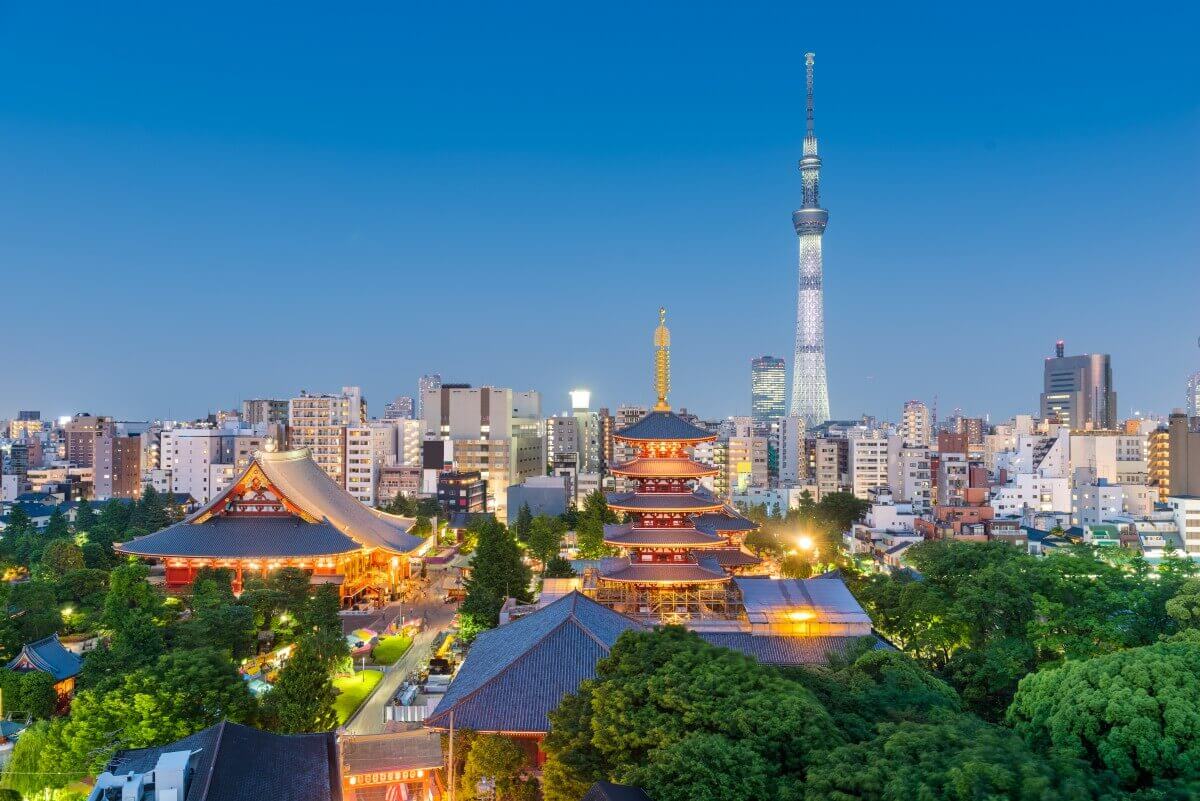
Japan
Tokyo
A city of contrasts and centuries
Discover Tokyo’s historic temples, old neighbourhoods, modern skylines and layers of history in one of Asia’s most remarkable cities.
Introduction
Tokyo is a city where ancient traditions and modern life exist side by side. Historic temples, quiet gardens and old neighbourhoods stand only a short journey from neon-lit districts, skyscrapers and some of the busiest streets in the world.
Once known as Edo, the city grew from a small castle town into the political centre of Japan and eventually one of the world’s largest cities. Today, Tokyo rewards visitors with an extraordinary mix of history, culture, food, architecture and everyday life.
Why visit Tokyo?
Historic temples and shrines
Discover places such as Sensō-ji and Meiji Shrine, where centuries of religious tradition remain part of daily life.
Old Tokyo atmosphere
Explore neighbourhoods such as Asakusa, Yanaka and Kagurazaka, where traces of the older city still survive.
Modern city life
Experience Tokyo’s famous skyline, shopping districts, technology, fashion and vibrant neighbourhoods.
Food and culture
From tiny ramen shops and izakaya to museums, markets and traditional crafts, Tokyo offers endless ways to experience Japanese culture.
A short history of Tokyo
Tokyo began as a small settlement known as Edo. Its importance changed dramatically in 1603, when Tokugawa Ieyasu established his shogunate there. Edo became the political centre of Japan and grew into one of the largest cities in the world.
In 1868, the Meiji Restoration ended the Tokugawa shogunate. The emperor moved from Kyoto to Edo, which was renamed Tokyo, meaning “Eastern Capital”.
The city changed rapidly as Japan modernised. Fires, earthquakes and war repeatedly reshaped Tokyo, most dramatically during the Great Kantō Earthquake of 1923 and the bombing of the Second World War.
Despite this destruction, Tokyo rebuilt again and again. Today, historic temples, shrine precincts, gardens and traditional neighbourhoods survive alongside one of the most modern urban landscapes in the world.
1603
Tokugawa Ieyasu established the Tokugawa shogunate in Edo, beginning the city’s rise as Japan’s political centre.
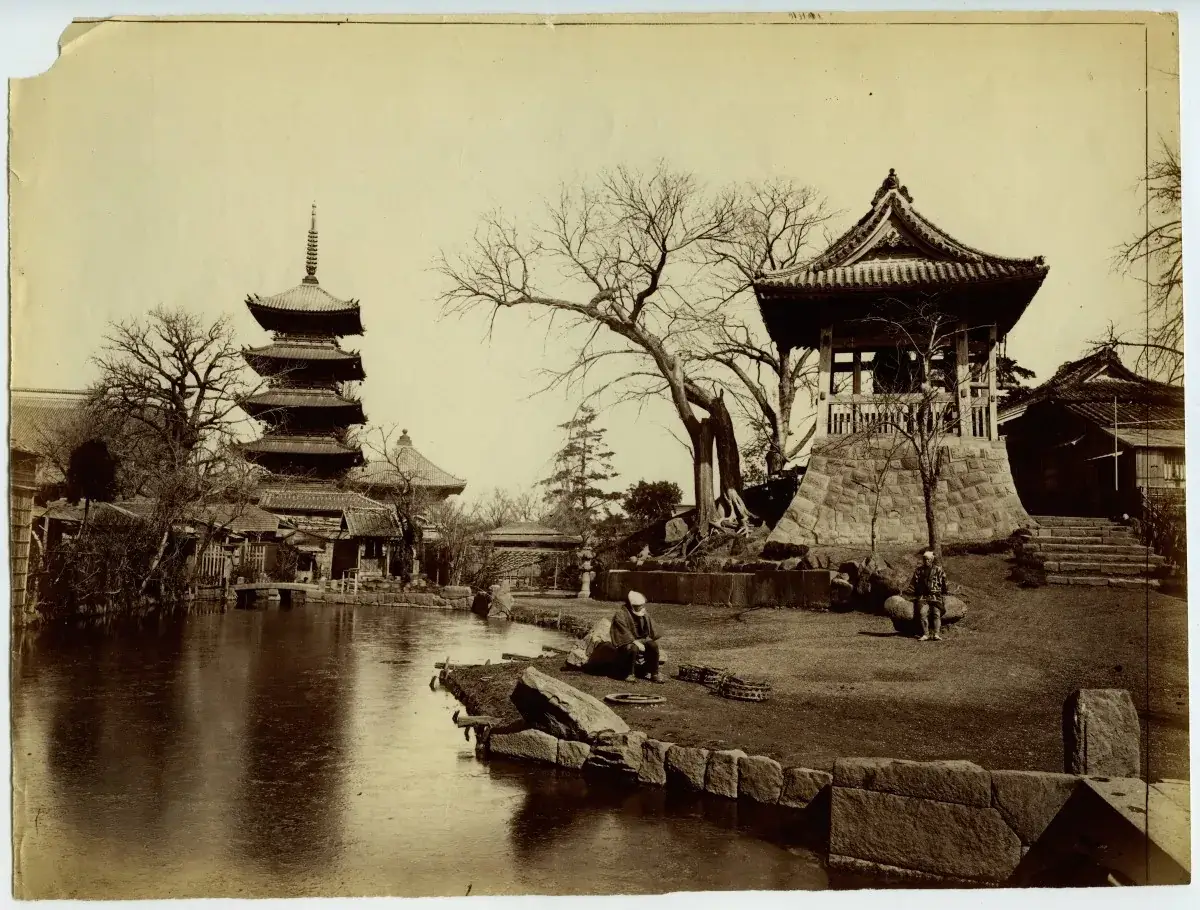
Top sights in Tokyo
1
Sensō-ji
Tokyo’s oldest and most famous Buddhist temple, located in the historic Asakusa district.
2
Meiji Shrine
A major Shinto shrine surrounded by a peaceful forest near Harajuku.
3
Imperial Palace
The residence of Japan’s emperor, built on the site of the former Edo Castle.
4
Asakusa
One of the best places to experience the atmosphere of older Tokyo, with temples, shops and traditional streets.
5
Tokyo National Museum
Japan’s oldest national museum, with an important collection of art, archaeology and cultural objects.
6
Yanaka
A quieter neighbourhood where narrow streets, temples and traditional buildings preserve a different side of Tokyo.
7
Shibuya
One of modern Tokyo’s most famous districts, known for its enormous crossing, shopping and nightlife.
8
Tokyo Skytree
A modern landmark offering panoramic views across the city and, on clear days, towards Mount Fuji.
Travel & History Articles

Tokyo Historical Travel Guide: From Edo Castle to Japan’s Modern Capital
Discover Tokyo through its history, from the rise of Edo and the Tokugawa shogunate to the city’s transformation into Japan’s modern capital. This complete Tokyo Historical Travel Guide brings together historic sights, practical travel advice, accommodation tips and essential experiences to help you plan a richer and more meaningful visit.

Sightseeing Tokyo? The 15 best Historical Attractions of Edo
Looking for the best sights in Tokyo? From ancient temples and peaceful gardens to iconic crossings, towers and historic neighbourhoods, the city offers an incredible mix of old and new. Discover the essential places to visit in our Tokyo sightseeing guide and start planning your perfect itinerary.

16 Best Ryokans in Tokyo for History Lovers
Tokyo may be one of the world’s most modern cities, but you can still experience traditional Japanese hospitality. Staying in a ryokan gives you the chance to sleep on tatami, enjoy a more intimate atmosphere and discover a quieter side of the city. Explore our guide to Tokyo’s ryokans.

Sensoji Temple: The Fascinating Story Behind Tokyo’s Oldest Temple
No visit to historic Tokyo is complete without Sensō-ji. Located in the heart of Asakusa, the temple combines spiritual tradition with some of the city’s most recognisable sights. Learn about its history, legends and architecture, and discover why it remains such a powerful symbol of old Tokyo.

Hachiko & Shibuya Crossing: The Remarkable Story Behind a Tokyo Icon
Shibuya Crossing may look thoroughly modern, but the area also holds one of Tokyo’s most beloved historical stories. Discover the tale of Hachiko, the loyal dog who waited for his owner for years, and learn how both Hachiko and the crossing became internationally recognised icons of Tokyo.

Tokyo Imperial Palace: Walk Through the Remains of Edo Castle
At the heart of Tokyo lies the Imperial Palace, built on the former site of Edo Castle. Once the stronghold of the Tokugawa shoguns, it later became the residence of Japan’s imperial family. Discover its history, gardens, surviving remains and the role this symbolic place still plays today.

Meiji Jingu Shrine: The Story of Emperor Meiji and the Birth of Modern Japan
Hidden within a vast forest in the heart of Tokyo, Meiji Jingu offers a peaceful contrast to the city around it. Dedicated to Emperor Meiji and Empress Shoken, the shrine reflects Japan’s transformation into a modern nation. Discover its history, traditions, architecture and spiritual significance.
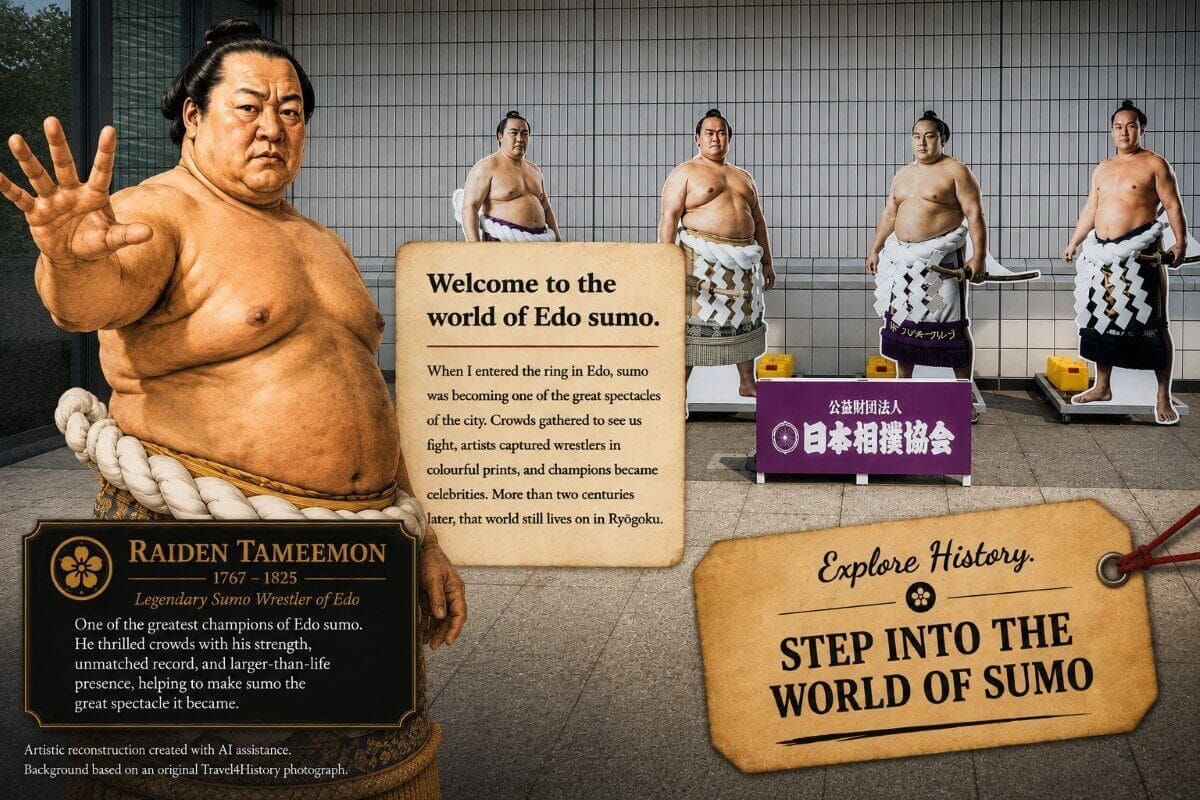
Where Giants Walk: Discovering the History of Sumo in Tokyo
Ryogoku is the historic heart of sumo in Tokyo, where Japan’s national sport is woven into the neighbourhood’s identity. From the famous arena to sumo stables, museums and traditional restaurants, this district offers a fascinating look at the rituals, history and culture behind one of Japan’s most iconic traditions.
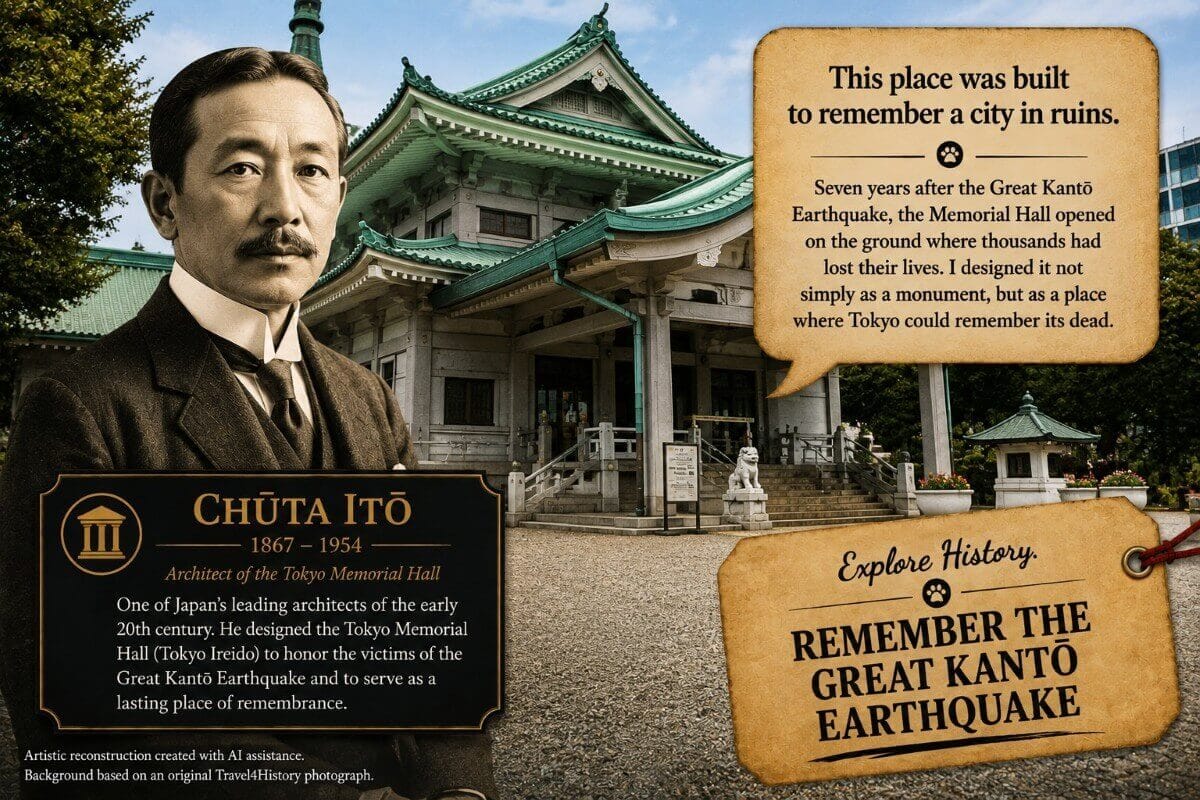
The Great Kanto Earthquake of 1923: Visiting Yokoamicho Park in Tokyo
Behind the peaceful paths of Yokoamicho Park lies a tragic chapter of Tokyo’s past. The site is closely connected to the Great Kantō Earthquake, which devastated the city in 1923. Learn what happened, how the disaster shaped Tokyo and why the park remains an important place of commemoration.
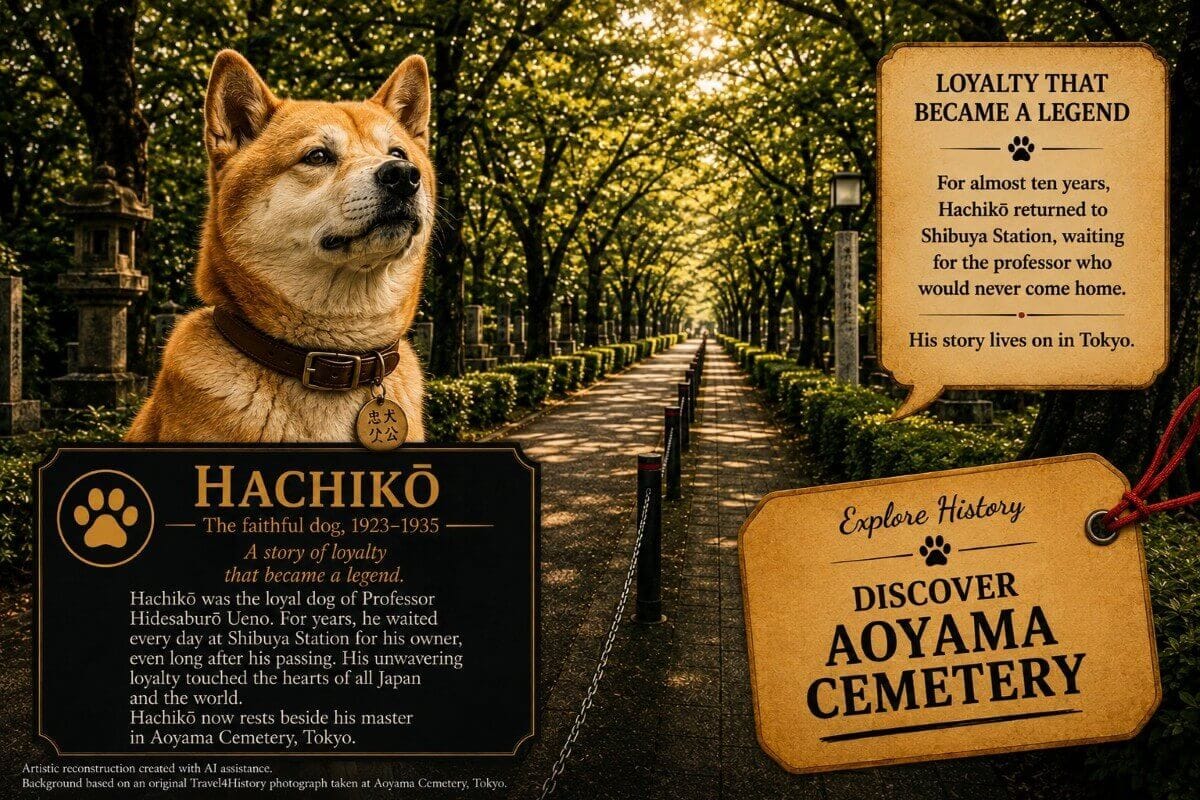
Aoyama Cemetery: Walking Through the History of Modern Japan in Tokyo
Aoyama Cemetery offers a quiet journey through modern Japanese history. Founded during the Meiji period, it became one of Tokyo’s most significant burial grounds. Walk among historic graves, monuments and cherry trees while discovering the lives of people connected to Japan’s transformation into a modern nation.
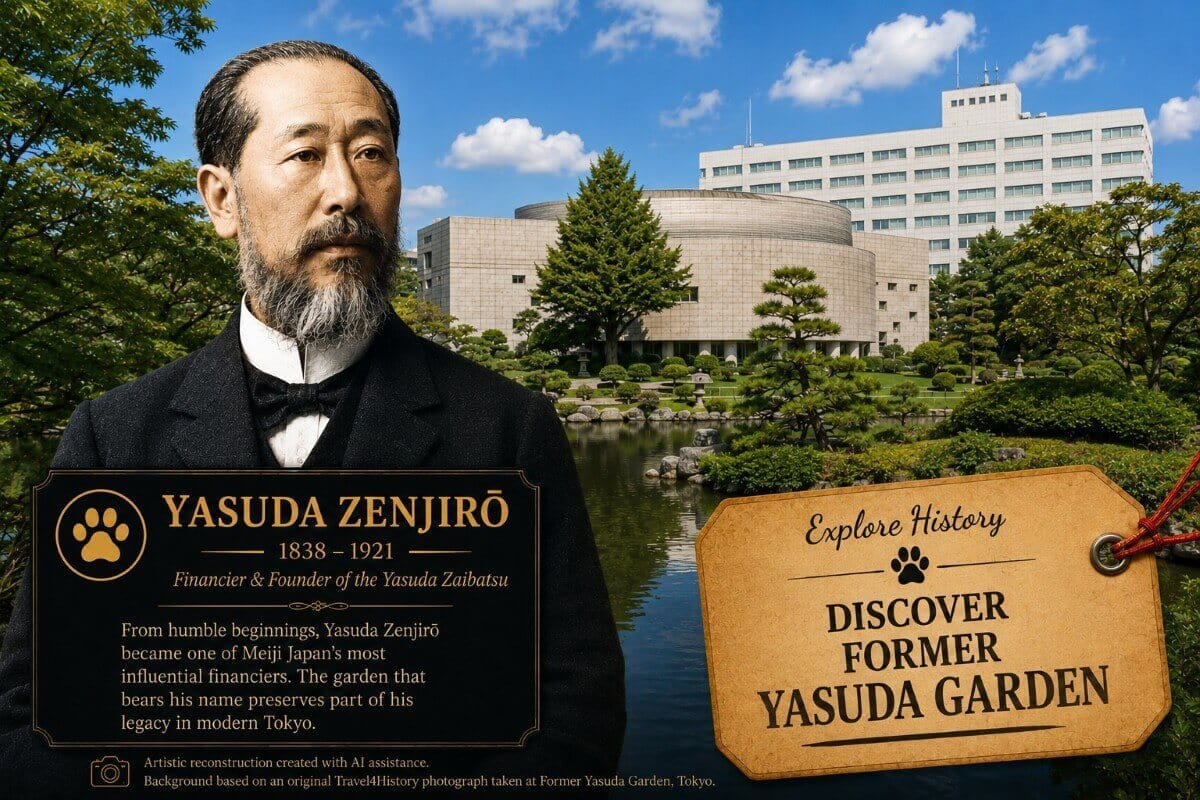
Former Yasuda Garden: A Hidden Samurai Garden in the Heart of Tokyo
Former Yasuda Garden offers a peaceful glimpse into Tokyo’s feudal past. Once connected to a samurai residence, this traditional landscape garden features a central pond, stone bridges and carefully arranged scenery. Discover its history, design and how this quiet retreat survived the transformation of Tokyo around it.
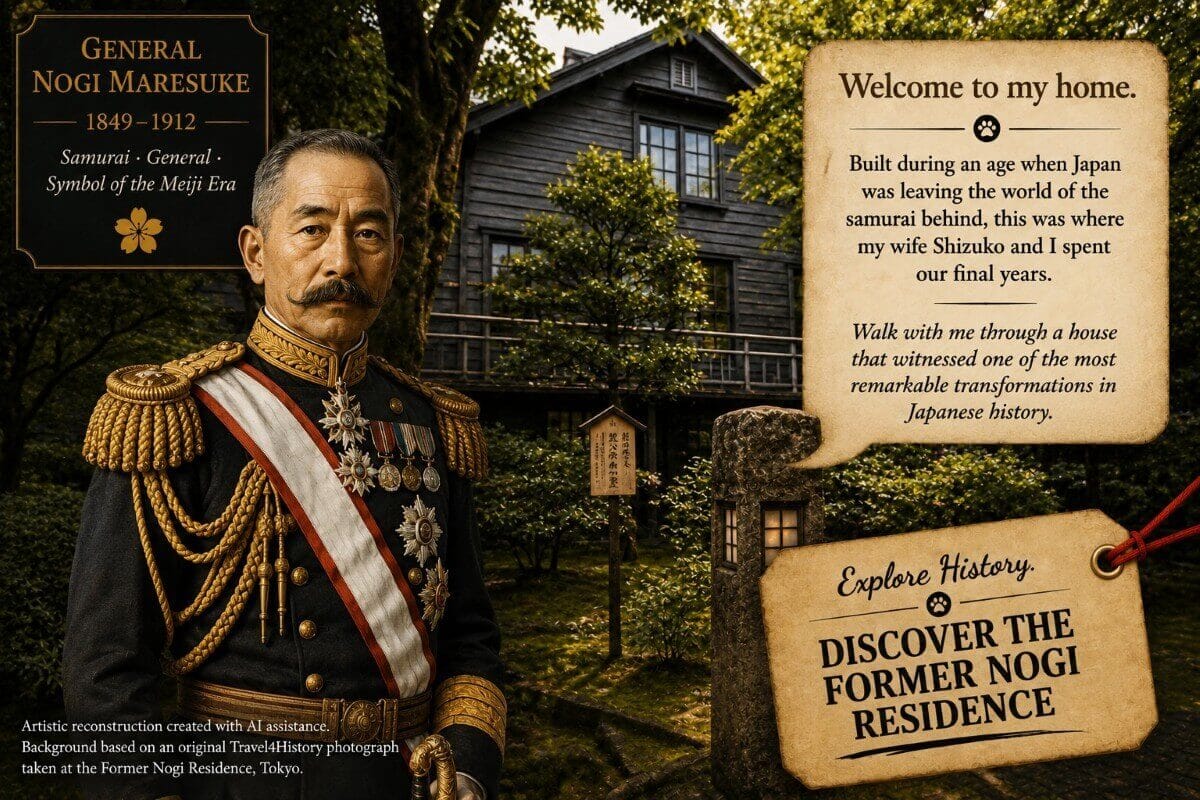
The Former Nogi Residence: Inside the Final Home of a Meiji General
Hidden in central Tokyo, the Nogi Residence preserves the memory of one of Japan’s best-known military figures. General Nogi Maresuke played a major role in the Meiji period, and his former home offers insight into his private life, values and the historical context of modernising Japan.

Edo-Tokyo Museum: Discover How Edo Became Modern Tokyo
The Edo-Tokyo Museum is one of the best places to understand how Tokyo evolved from a feudal city into a modern metropolis. Through reconstructed streets, historic objects and large-scale displays, the museum brings the world of Edo to life and explains the dramatic changes that shaped today’s capital.
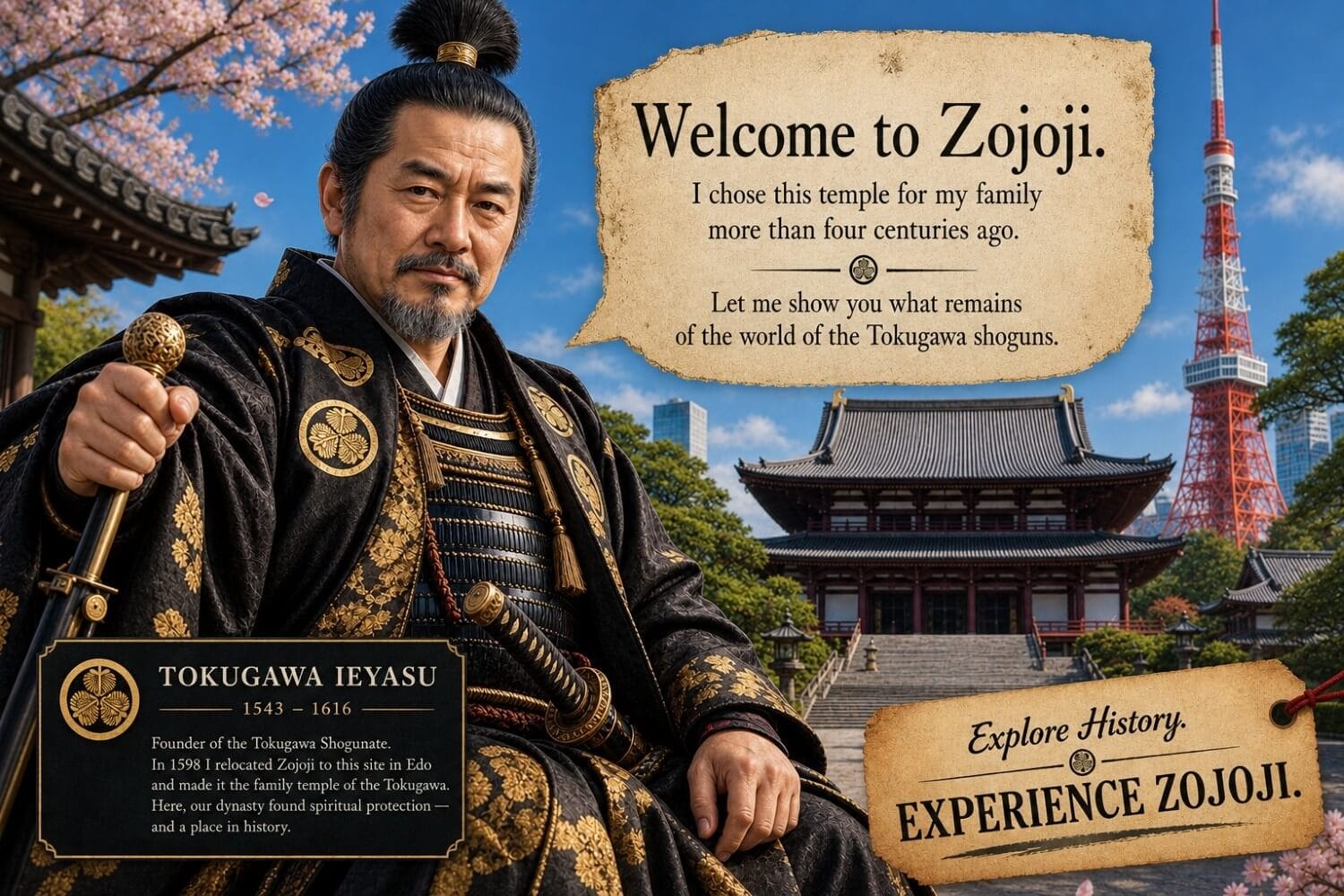
Zojoji Temple in Tokyo – Discover the Temple of the Tokugawa Shoguns
At Zōjō-ji Temple, the history of the Tokugawa shoguns meets modern Tokyo. This major Buddhist temple was once one of the family temples of the rulers of Edo and remains an important historic site. Learn about its architecture, mausoleums and enduring religious significance.
Return to: