
Nara was Japan’s first permanent capital between 710 and 784 AD. Much of that history can still be seen in the old town. Indeed, that is where the country’s largest and oldest temples are located. Among them, the complex of Todai-ji Temple (8th century) houses the largest wooden building in the world. And what about a visit to the sweet deer in Nara Park? Together with Osaka and Kyoto, Nara is part of the city triangle of the Kansai Region. It is therefore ideal as a day trip from either of these two cities.
Are you planning a visit to Nara? In this travel guide, I will take you to the city’s best sights, discover the best accommodation and learn more about the special culture and history of this ancient capital of Japan. A history-rich visit to Nara starts here…
This Travel Guide to Nara contains affiliate links. This means that if you make a booking through one of the links on this website, Travel4history gets a small compensation for it. This does not cost you anything extra by the way!
In this Travel Guide to Nara
- Practical Information
- Best travel time?
- How many days?
- History – What makes historically interesting?
Plan your trip to Nara & Japan
- Accommodation: Hotel or Hostel?
- Activities: Tickets & Tours, including Like a Local: Customized Guided Tour
- Transport by Air? Flight Tickets
- Own Transport?: Rent a Car
- Train tickets: Japan Railway Pass – 7, 14 or 21 days?
Practical Information for a Visit to Nara
Best travel time?
May to October
The best travel period for Nara is from May to October. During this period, the temperature will be above 20 degrees. There is relatively little rainfall in Nara throughout the year. During the December to February months, the temperature will be around 10 degrees.
How many days?
At least 1 day
Are you only planning to visit the highlights of Nara? Then one day will be enough. Most of the sights are close to each other, so the distances are perfectly short. If you still plan to visit some museums, you can also choose to stay here for 2 days.
A brief history of Nara
Nara was the first permanent capital of Japan. Empress Genmei founded this city in 710 when it was called Heijo. Before that, the capital was always moved to a different place when a new emperor ascended the throne.
The design of the city is based on the ancient Chinese capital of Chang’an. Along with Istanbul and Baghdad, Chang’an was one of the largest cities in the world between the sixth and ninth centuries. Following the Chinese example, Nara had a rectangular street pattern with the imperial palace in the north. According to historical sources, Nara would have had a population between 100,000 to 200,000.
However, Nara did not remain the permanent capital for too long. The Buddhist monasteries in the city were very popular among the people and their political ambitions posed a serious threat to the government. Therefore, the capital was moved to Nagaoka in 784 and after a few years to Kyoto. Nara never played an important role in Japanese history again in the centuries that followed, although it still has great historical value for the country.
Sightseeing – What to see and do in Nara, Japan
Are you planning a visit to the ancient capital of Nara? Basically, you can see an awful lot of beautiful and historical sights in just one day. Do you have the time? Then opt for 2 days to also visit a number of nice museums. Below is a nice list of historical attractions in Nara.
Nara Park and the sika deer
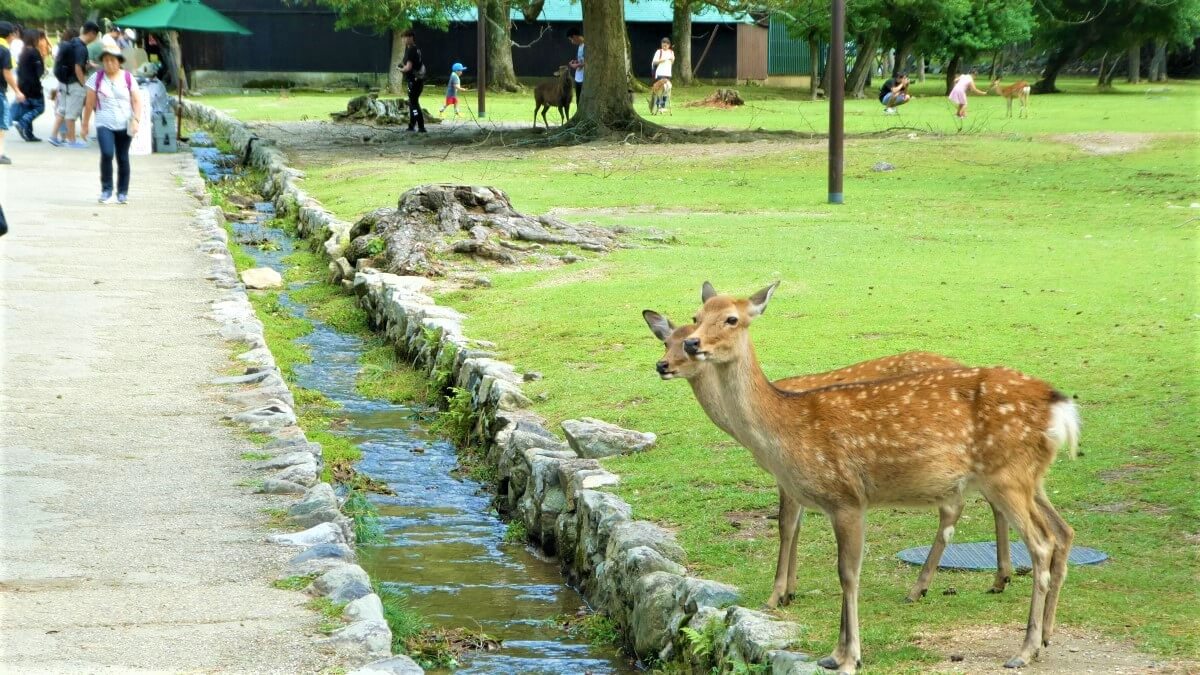
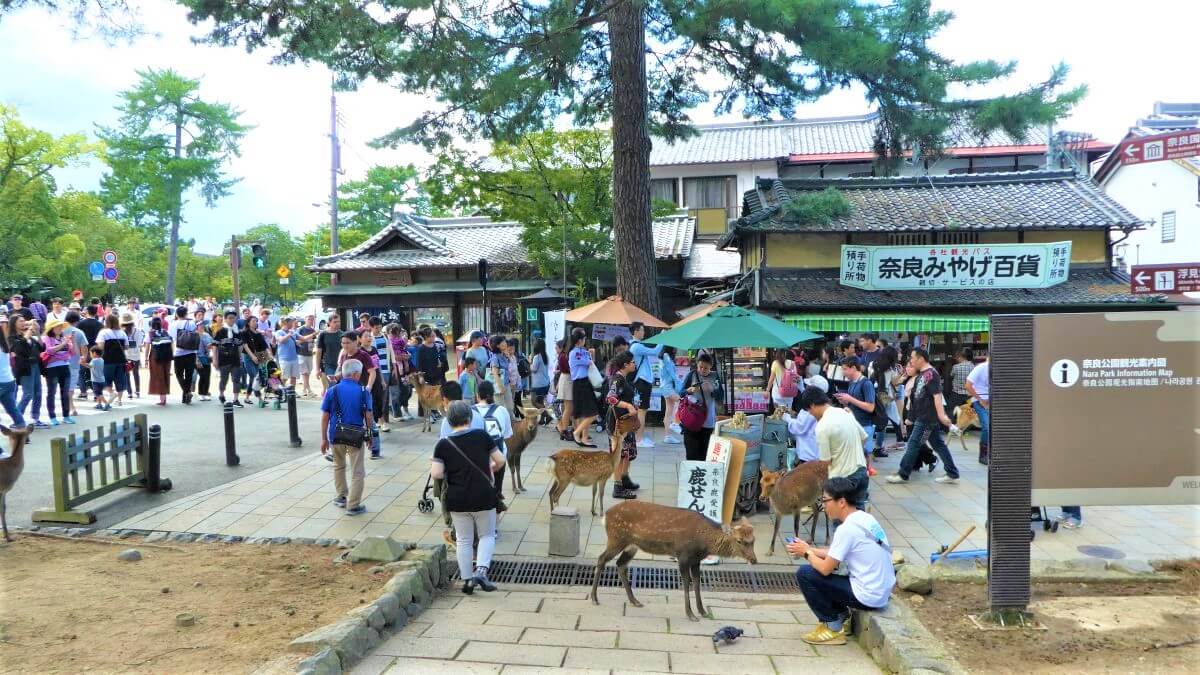
This park was established in 1880, at the foot of Mount Wakakusa. It is one of the oldest parks in Japan and it is famous for the more than 1,200 wild sika deer that roam freely in the park.
They are considered protectors of the town and are treated with respect. It is possible to feed them with a deer cracker, known locally as Shika Sembei. This is made of rice and grain, are highly sought after and at the sight of Shika Sembei they storm at you. So be careful! Feeding the deer can be an incredible experience and there are several vendors in the park where you can buy Shika Senbei.
The park covers about 500 acres of land and it also includes the grounds of Tōdai-Ji, Kōfuku-Ji, and Kasuga Shrine. The National Museum of Nara is also located in Nara park.
The mighty seven great temples of Nara:
The seven temples in Nara are collectively the most important historical sites in the city. They are all on UNESCO’s World Heritage List and are among the most important “Historic Monuments of the Ancient City.” Below is more information about these ancient shrines.
Tōdai-Ji
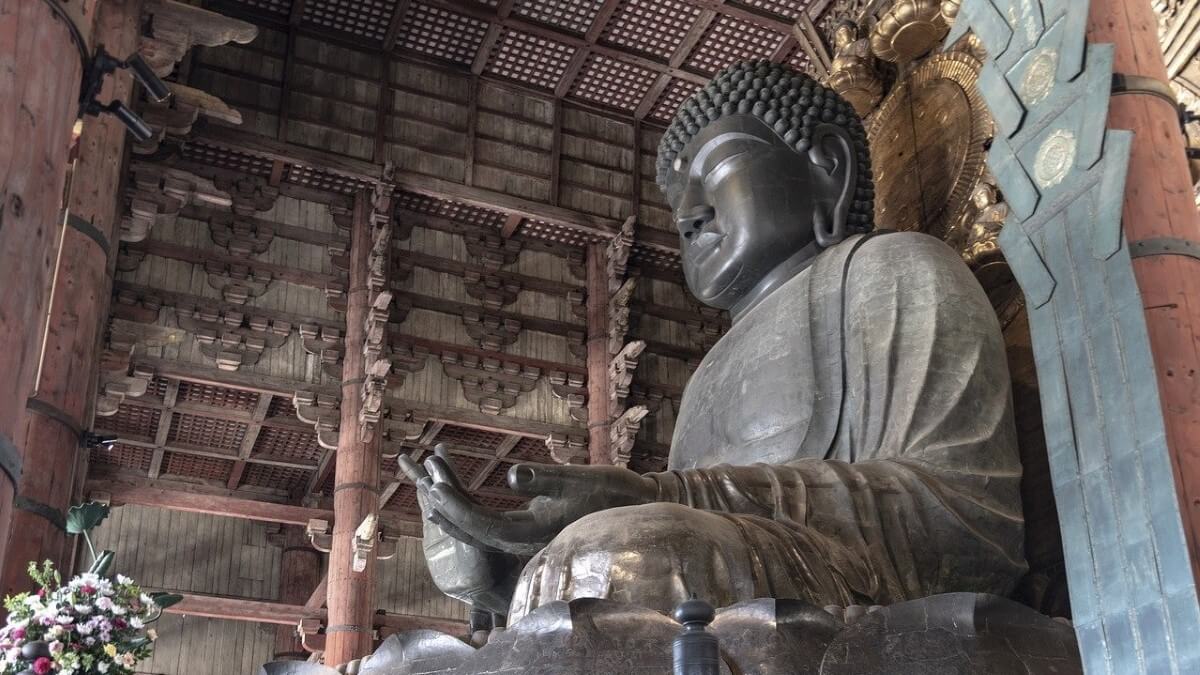
Originally founded in 738 AD, the temple is to this day the largest wooden building in Japan. The temple’s Great Buddha Hall houses the world’s largest bronze statue of the Buddha Vairocana, called Daibutsu in Japanese.
Yakushi-Ji
Built in the 7th century, Yakushi-Ji temple is also the headquarters of the Hossō school of Buddhism in Japan. It houses a fine collection of ancient Buddhist art including a beautiful 8th-century painting of Kichijoten (goddess of beauty) made on hemp cloth. The temple is named after the respected Yakushi Nyorai, better known as the “Medicine Buddha,” who was one of the first Buddhist gods to arrive in Japan from China in 680 CE.
Saidai-Ji
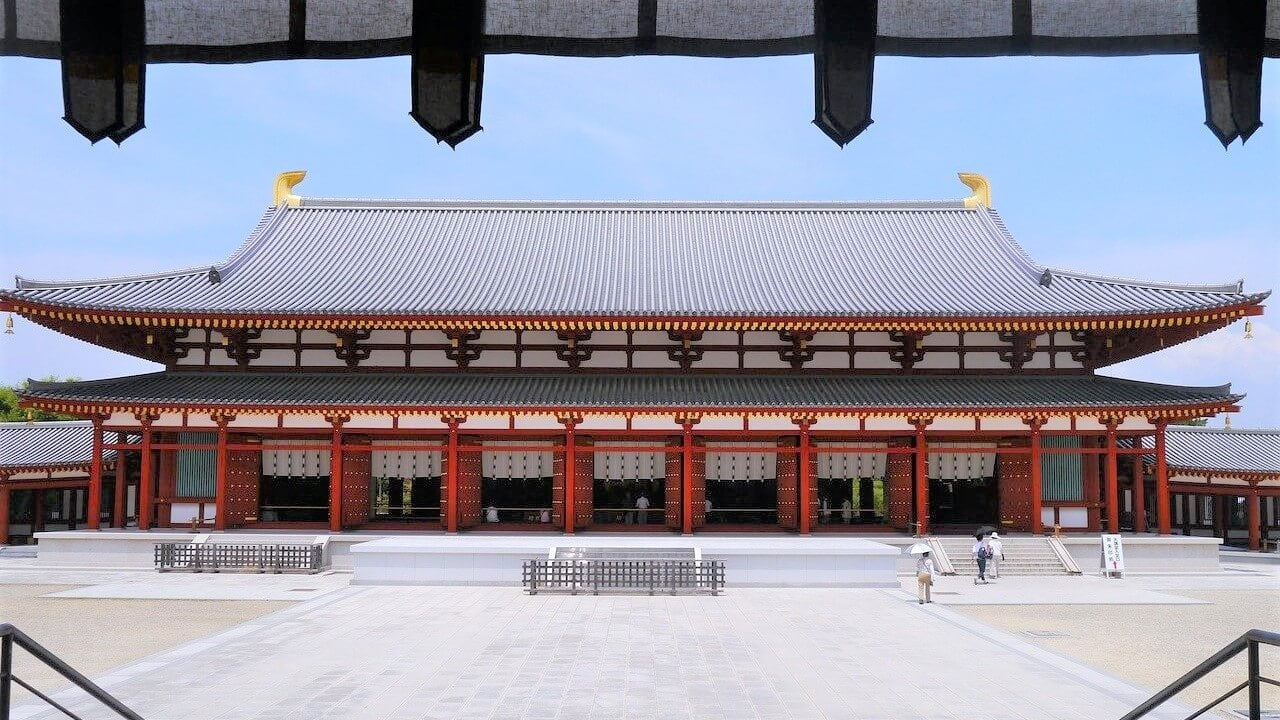
Saidai-Ji, also known as the “Great Western Temple,” was completed in 765. It houses an important Shaka Nyorai idol in the Seiryoji-style that dates back to 1249. An immense Hasedera-style sculpture by Kannon Bosatsu is also one of the highlights of the temple.
Kofuku-Ji
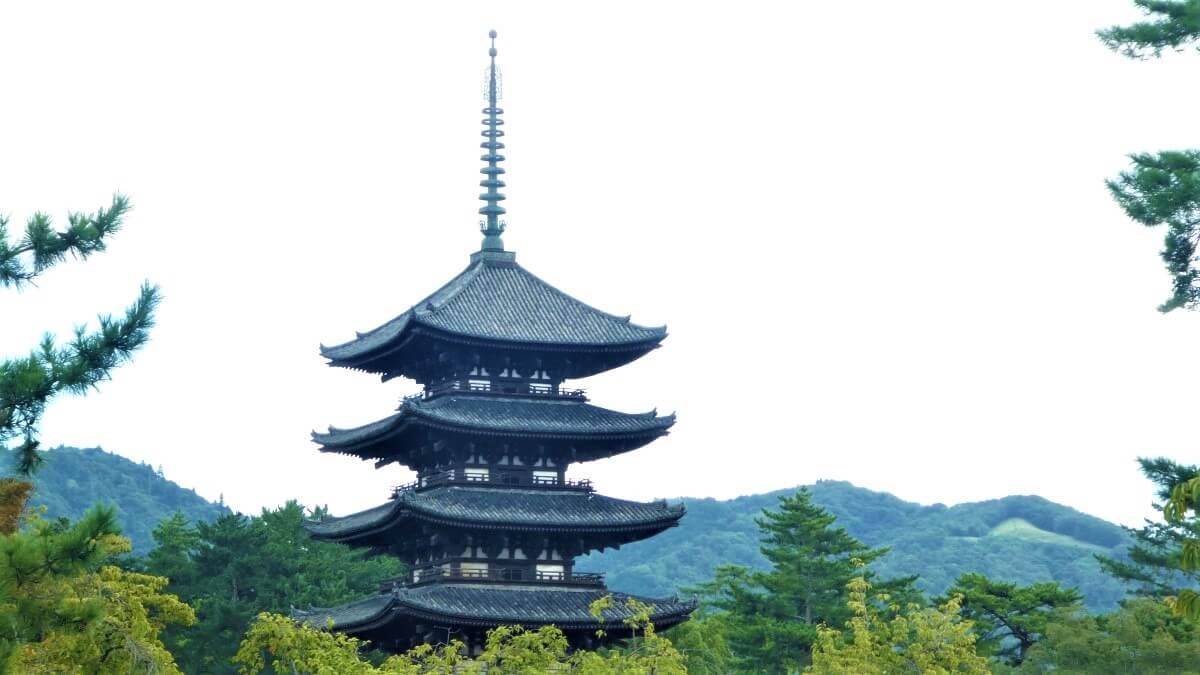
Kofuku-Ji was originally built by the powerful Fujiwara clan. It is one of the main temples of the Hosso sect of Buddhism and is an important historical site in Nara. The temple has a five-story pagoda built amidst a beautiful natural landscape. In addition, you may encounter wild deer here.
Horyu-Ji
Horyu-Ji is a large ancient temple in the south of Nara. It was built in 607 and houses the oldest wooden building in the world. This temple was founded by Prince Shotoku.
Gango-Ji
Ganga-Ji is one of the oldest temples in Japan and was moved from Asuka to Nara in 718. It is not as popular with tourists as other temples, but if you have the time and love history, this is definitely worth a visit.
Daian-Ji
The last of the seven temples is Daian-Ji, which is located in the south of Nara. This shrine is the last stop on the Yamato Jusan Butsu pilgrimage. However, it has been quite restored and some people claim that the original splendor of the temple has been lost. Still, it is an important historical and cultural site in Nara.

The Heijo Palace
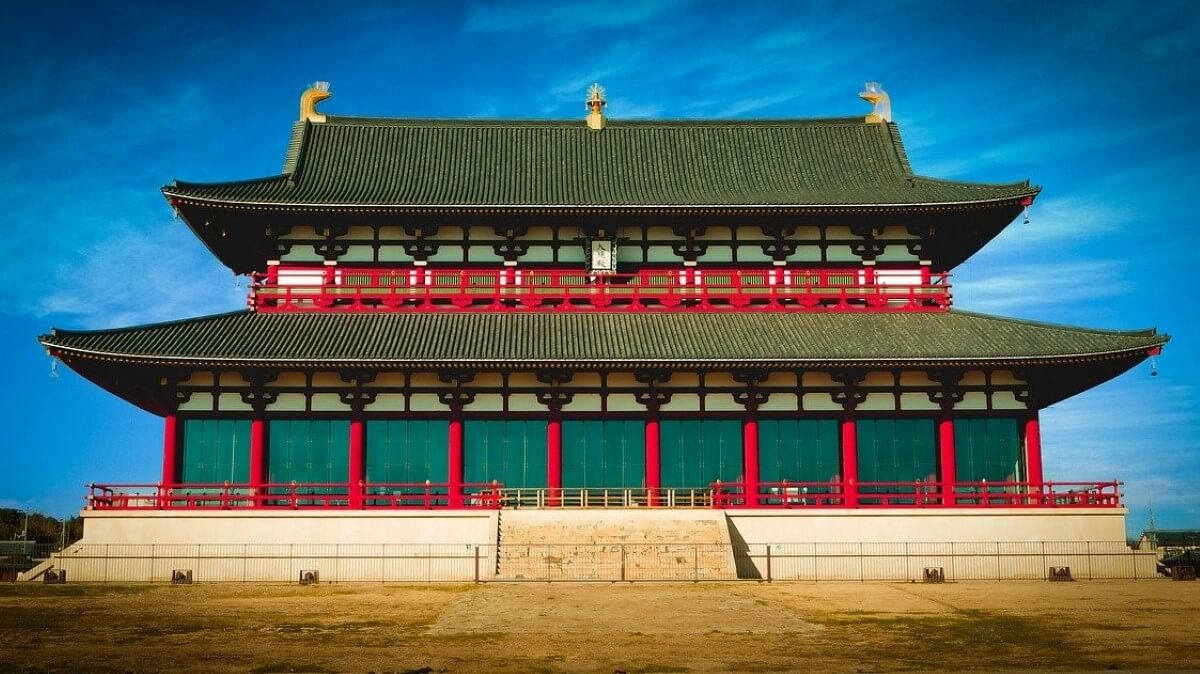
The Heijo Palace is a very important historical place in Nara because it was the imperial residence when Nara served as the capital. The palace consisted of a Daiquiri, which is a large rectangular walled space. It housed several administrative and ceremonial buildings, including the government ministries. There was also a separate walled residential complex for the emperor within the enclosure.
This palace is a special place to admire the ancient architecture of Japan. Admission to the compound is free. There is a small museum and several exhibition rooms in the palace that are worth visiting.
Mount Wakakusa
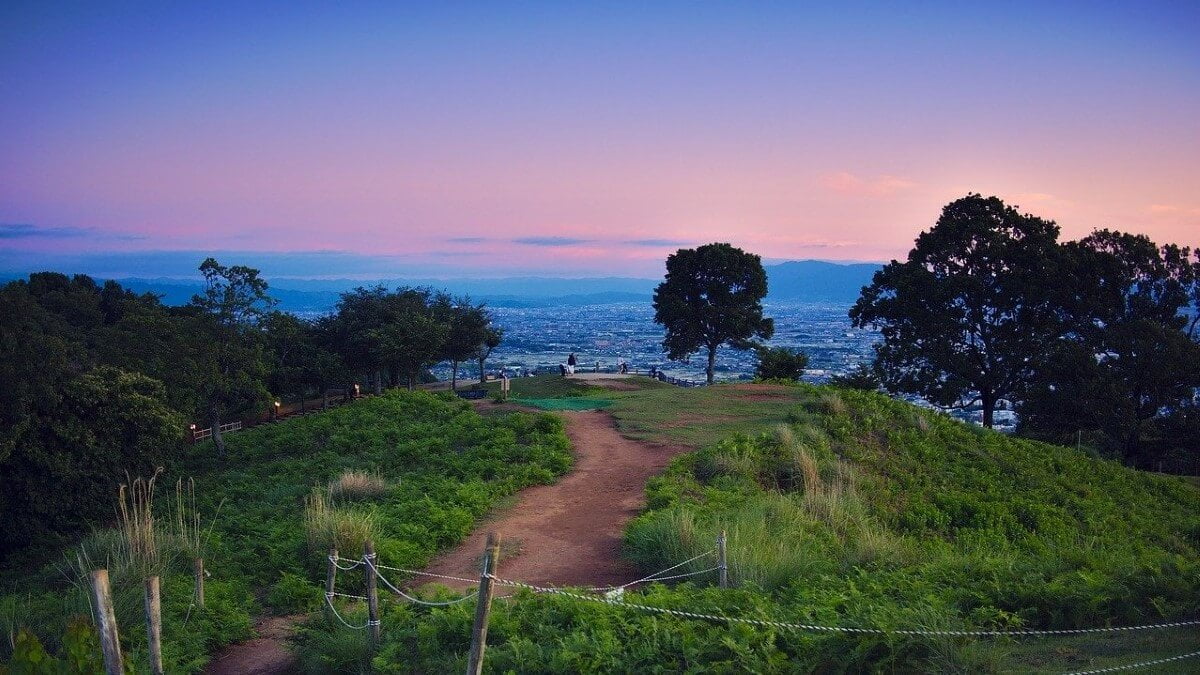
This 342-meter-high hill, also known as Mount Mikasa, is located in Nara, east of Nara Park. Literally, the name of the mountain means “young grass,” and every year on the fourth Saturday of January, the dead grass on the mountain is burned.
This annual festival is called Yamazaki. According to the history of the region, the tradition of burning the grass originated after a border dispute between two temples. According to some accounts, the tradition also originated to eradicate wild boar and vermin. Today, the festival begins when members of both temples light the fire, which is followed by a fireworks show.
Accommodation – Where to stay in Nara?
Nara is great to do as a day trip from Kyoto or Osaka. But should you prefer to stay overnight in this pleasant and peaceful city, you’ll find plenty of nice and affordable accommodation between the Nara JR Station and Nara Park, east of the train station.
The oldest hotel in town is Nara Hotel. It was established in 1909 and a number of prominent guests have stayed here. These include the scientist Albert Einstein, Charlie Chaplin, former President of the United States Richard Nixon and even then Queen Beatrix has stayed at this hotel. Located at the foot of Nara Park, the building is a combination of classic Japanese architecture with a modern and elegant look inside. If you want to spend a truly historic night, this is a good option. The downside is that it does come with a nice price tag. Check here for more information and prices for the Nara Hotel.
Food & Drinks: Are you looking for a typical dish in Japan’s old capital? Then go to Nakatanidou and try their famous mochi. This can be compared to a Dutch oliebol, but made of rice. It is sweet and also sticky, but definitely worth a try! The owner of Nakatanidou, Mitsuo Nakatani, is known as the fastest mochi maker in Japan and here you can take a look and see him in action preparing the mochi for you.

Transportation – How to get there?
From Kyoto and Osaka, Nara is easy to reach. From Kyoto, you can use the JR line for free if you have a Japan Railway pass. This ride takes about 50 minutes and from the JR Station you can walk to the famous Nara Park within 20 minutes. There is also a private line that terminates at Kintetsu-Nara Station. From here you can reach Nara Park within 10 minutes.
Next destination in Japan?
Looking for your next destination Japan? Then continue your journey north (east) for Kyoto and Nagoya and west to Himeji and Hiroshima.
Do you have more tips, comments or ideas about Nara in Japan? Then feel free to leave a comment below.
