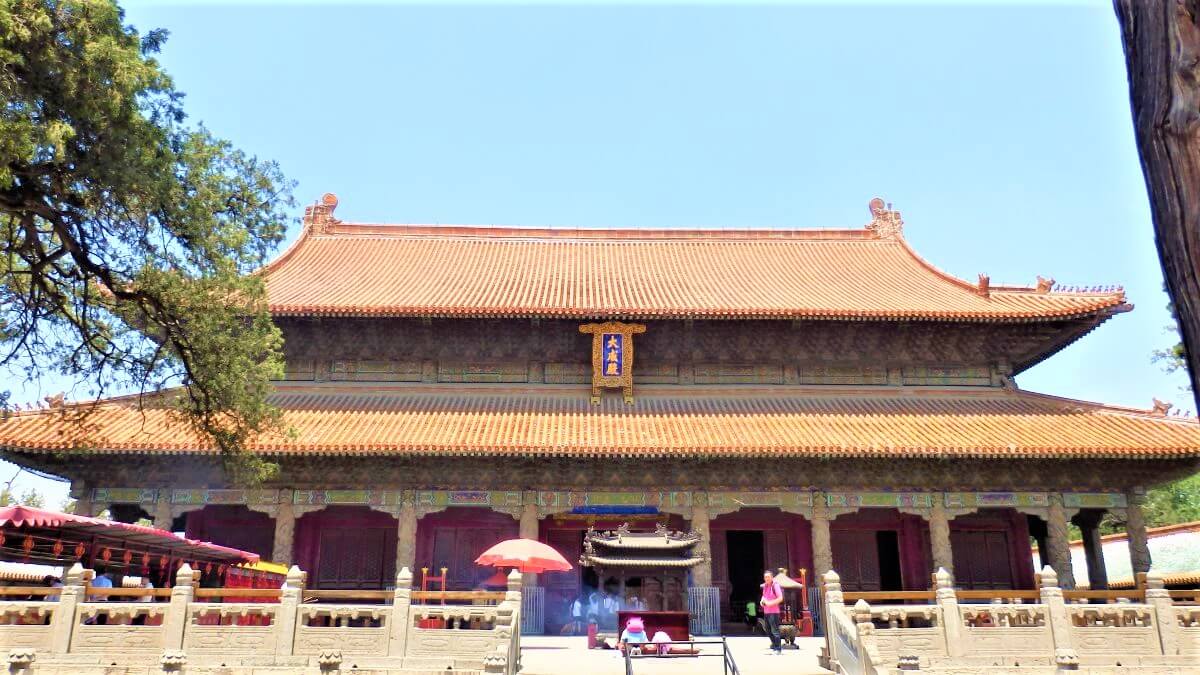
Qufu (曲阜) is a city in Shandong Province, China. It is located 500 kilometers south of Beijing and is the birthplace of one of the most important philosophers in the history of mankind: Confucius. And the influence of this scholar on today’s Chinese society is still big!
A visit to Qufu is therefore mainly dedicated to Confucius. Who was this scholar and what was his body of thought? And which sights should I definitely not miss out on during my visit to this place? Discover it in this mini travel guide with the most important tips and information about Qufu…
What would you like to know about Qufu in China?
- History of Confucius – A small biography
- Sightseeing in Qufu – 3 things of the Kong Family
- Practical Information about a visit to Qufu
- A review – What did I think of Qufu?
“Do not impose on others what you yourself do not desire”
History of Confucius – A small biography
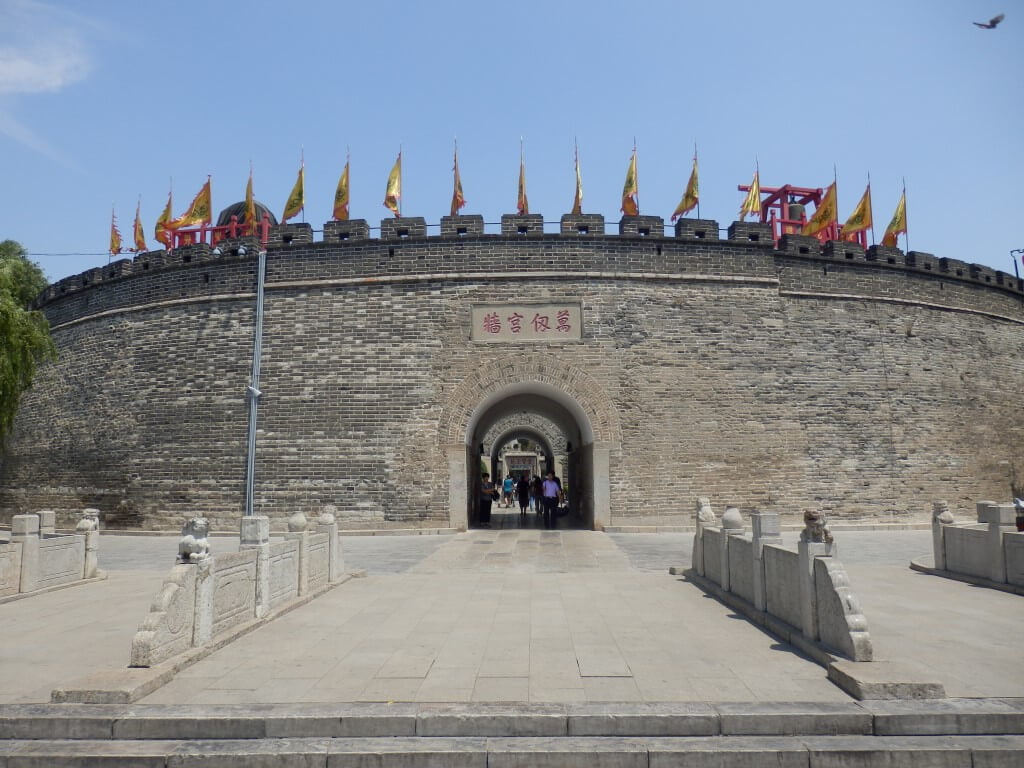
Kong Qui, or the philosopher Confucius, came into the world more than 2500 years ago in Qufu. He would become one of the most important philosophers in the world. His most famous work is Lunyu, or The 499 Conversations of Confucius. This book contains 499 sayings of the philosopher that have been preserved. And these quotes, which you will also see in this article, are still a source of inspiration for many. Confucius spent his entire life educating mankind. In 479 BC, the philosopher died. Two years after his death it was decided to build a temple on the spot where he lived. His grandson, Kong Ji (481 B.C. – 402 B.C.) was also a philosopher and continued to spread his grandfather’s teachings throughout China.
In 1961 the government of Mao Zedong decided to put the Confucius Temple on the list of Chinese Heritage. However, when the Cultural Revolution began in 1962, his teachings were soon seen as old-fashioned. Many statues and artefacts related to Confucius were destroyed. In 1994 Unesco decided to include the temple, the former home of the Kong family and the tomb of Confucius on the World Heritage List.
What is the thought of Confucianism?
2,500 years after his death, the thought of Confucius still lives on. Not only in China, but also in Vietnam, Singapore, Korea and Japan you will find many temples and schools dedicated to his ideas. And that while Confucius did not have the ambition to establish a new religion.
The core idea of Confucius was mainly how one should behave in life in relation to the position he or she had in life. A number of virtues were very important, such as humanity, obedience, justice, decency, loyalty and reciprocity. In this article you can read a number of wise statements by him that underline these virtues.
“When you know a thing, to hold that you know it; and when you do not know a thing, to allow that you do not know it – this is knowledge.”
Sightseeing in Qufu – 3 things of the Kong Family
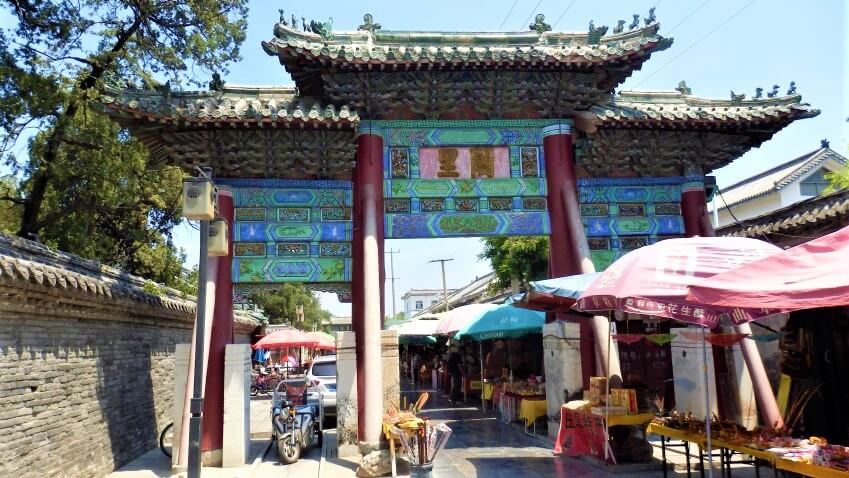
The sights below all have to do with the scholar Confucius. They are also collectively on the Unesco World Heritage List under the name ‘three Kongs’. Kong was the original name of Confucius and his next of kin are all called Kong.
You can get a ticket for the three Kongs at the south gate. This is well signposted and you can’t miss it. A ticket costs 150 yuan.
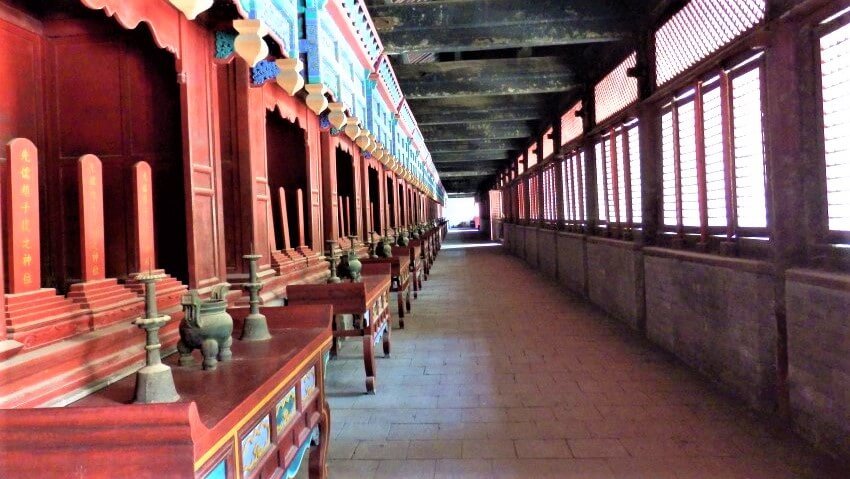
1. The Temple of Confucius, the most important shrine in the world?
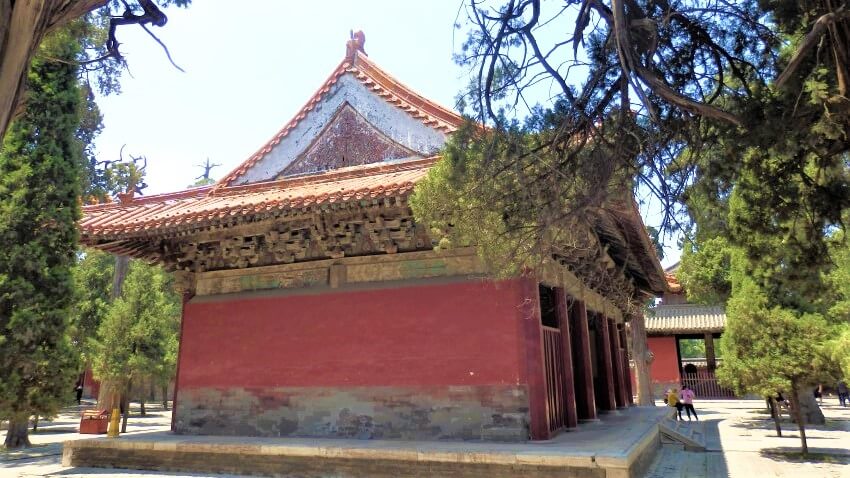
The largest and most important temple in honour of Confucius is of course in Qufu. Two years after his death, the inhabitants built a temple on the spot where he lived at the time. Throughout the centuries this temple has been destroyed for various reasons. It is now one of the largest temple complexes in China, covers 16,000 square meters and has a total of 460 rooms. Throughout the centuries many emperors have also visited this place to honor the great Confucius. During the Cultural Revolution of the 60’s of the last century, however, several statues were destroyed. And over the years the complex has been restored several times. Yet this remains the highlight of a visit to Qufu, although opinions are divided about it.
2. Residence of the Kong family
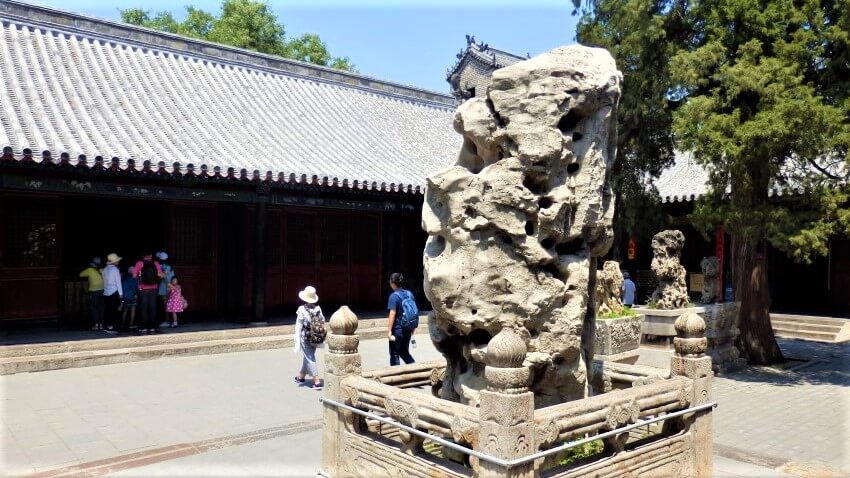
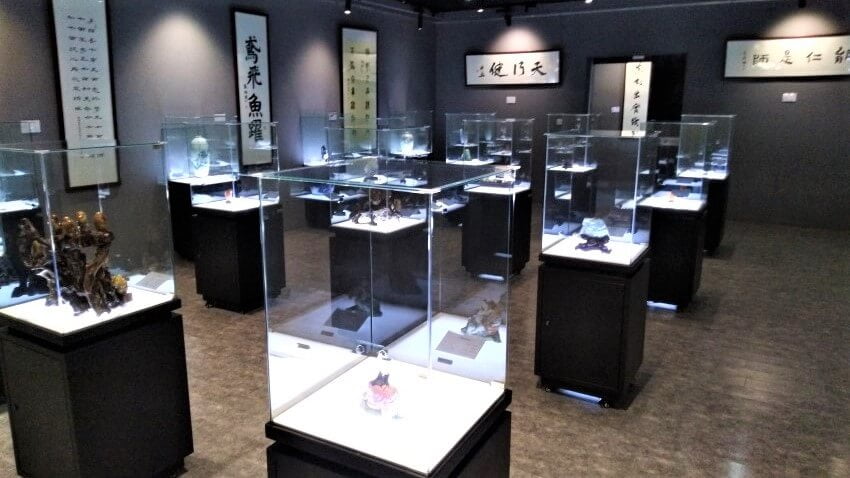
Next to the Temple of Confucius is the Kong Family Mansion. This was the place where descendants of Confucius lived. The present complex comes from the Ming (1368-1644) and the Qing (1644-1911) dynasty. The last generation that lived here was Kong Decheng (1920-2008). In 1937 he fled to the south while the Second Sino-Japanese War was going on. Nowadays it is used as a museum and you can also walk through the gardens of the complex.
3. The Tomb of Confucius
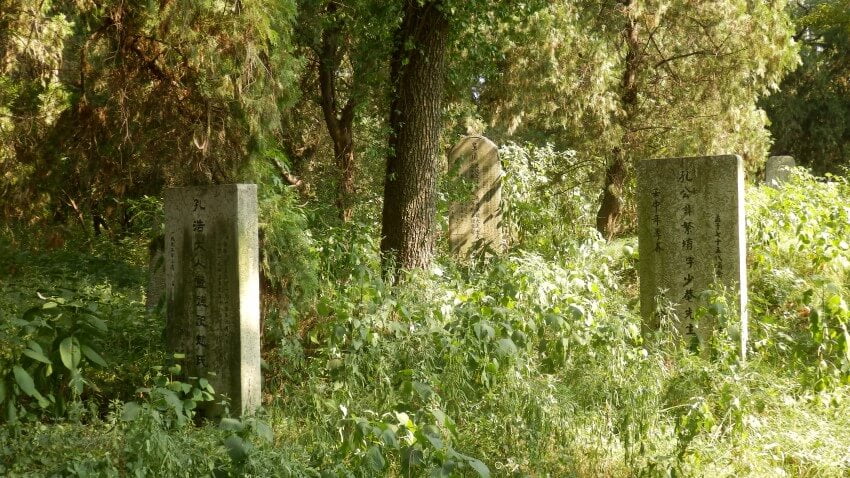
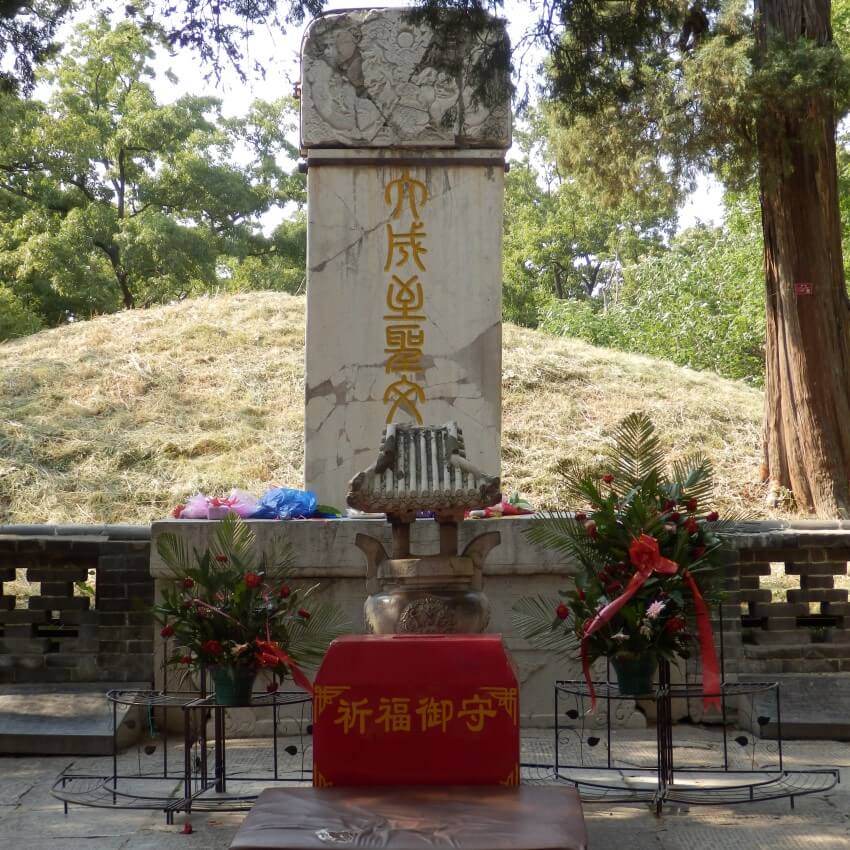
1.5 kilometers north of the center you will find a large forest. In this forest are all tombstones scattered throughout the park. These graves are from the many descendants of Confucius. In the middle of this forest you will find the grave of Confucius. And next to him is the grave of his grandson, Kong Ji.
“Only the wisest and stupidest of men never change.”
Practical information about a visit to Qufu
Have you decided to visit Qufu? If you would like to see the sights mentioned above, one afternoon is enough for you. Alternatively, you can take the morning and go to the next destination in the afternoon. Tickets can be bought at the ticket office in a building near the south gate. This is well indicated.
Accommodation – Where to stay in Qufu?
Qufu is not a big city. All sights are within walking distance and choosing an accommodation is no problem, either on budget or in the luxury segment. For example, for as little as 12 euros, you’ll have an excellent budget room for 2 people.
The only hostel in the city is Qufu International Youth Hostel. This hostel is located just north of the Temple of Confucius, but also has good facilities, good beds and for breakfast and dinner there is a restaurant downstairs.
Looking for accommodation? Click here for hotels or guesthouses in Qufu, China
“All people are the same; only their habits differ.”
Transportation – How to get there?
Train: If you want to make a historic stop between Beijing and Shanghai, Qufu is a good alternative. The high-speed line passes through this city, although the Qufu East Railway Station is 10 kilometers southeast of the city center. From there, take bus K01 which will take you to the city’s south gate.
On the website of Trip.com you can order train tickets. If you travel in the months July and August it could be quite busy because the Chinese go on holiday en masse. Through this website you guarantee that you have a ticket. You only have to pick it up at the ticket office of the train station. And one more disadvantage: per booking you pay 3 dollars extra at a time.
Airplane: Jining Qufu Airport is located 90 kilometers southwest of Qufu. This airport is mainly used for national flights, including from Beijing and Shanghai.
Bus: The city’s bus station is located 3 kilometers west of the city center. Buses depart from here to Jinang, the provincial capital of Shandong, which is located about 40 kilometers southwest of Qufu.
“The journey with a 1000 miles begins with one step.”
A review – What did I think of Qufu?
The town of Qufu is not one of the most interesting towns I have been to. But if you have an afternoon to spare and would like to learn more about Confucius, this is the place to be. Although the temple is not very beautiful in my opinion, you can learn a lot about Confucianism here. The texts are both in Chinese and in English. Have you been to Qufu or do you have more tips and ideas? Feel free to leave a message below.
