Busan
Where ancient temples, port history and Korean War memory meet the sea
Busan’s history reaches from prehistoric settlements and Silla Buddhism to Joseon diplomacy, colonial-era port development and its pivotal role as South Korea’s wartime provisional capital.
INTRODUCTION
Introduction
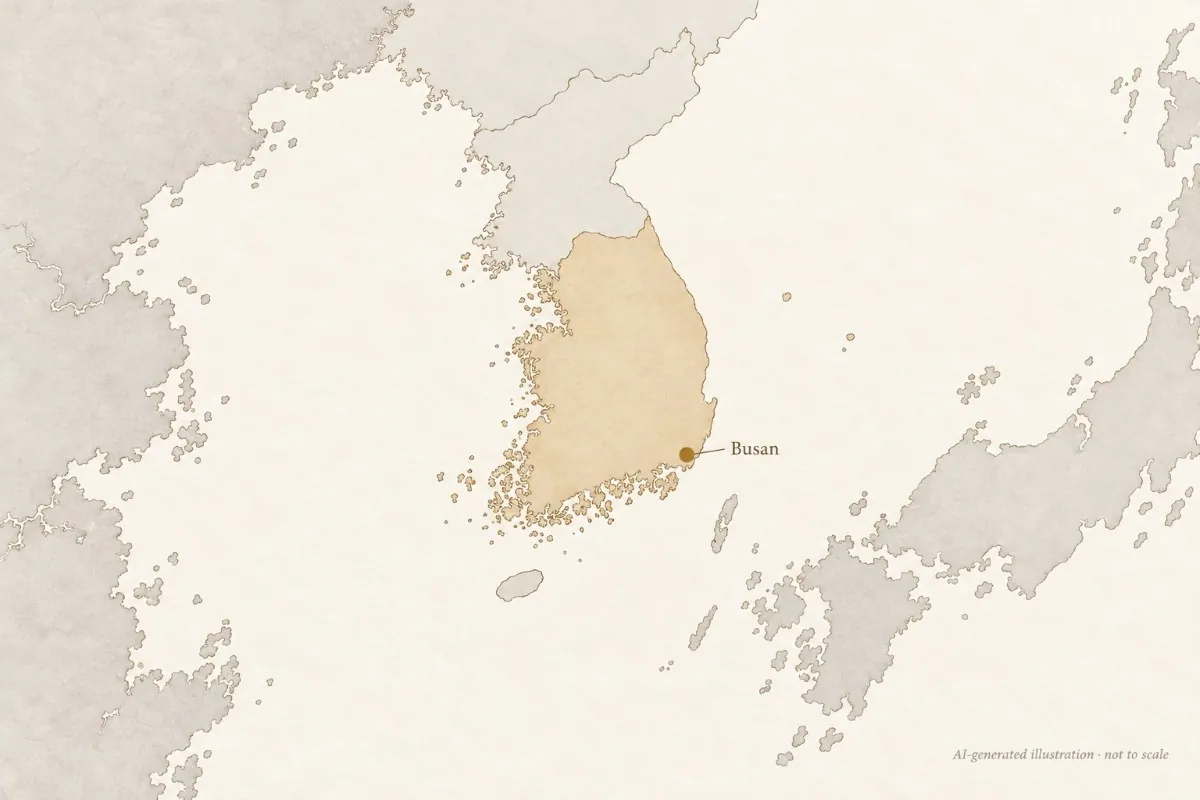
Busan occupies a mountainous stretch of Korea’s south-eastern coast, where the Nakdong River approaches the Korea Strait. Archaeological sites trace settlement into prehistory, while the wider region later formed part of Gaya and Silla. Under Joseon rule, nearby Dongnae became an important administrative and diplomatic centre facing Japan.
The modern city grew dramatically after Busan opened as an international port in 1876. Its harbour shaped colonial development, industrialisation and migration, while the Korean War transformed Busan into a provisional capital crowded with refugees. These layers remain visible in temples, fortifications, museums, hillside neighbourhoods and memorial landscapes.
WHY VISIT
Why visit Busan?
Busan reveals several distinct chapters of Korean history within one city: ancient Buddhism and archaeology, Joseon frontier defence, nineteenth-century port expansion and some of the country’s most evocative surviving landscapes of the Korean War.
01
Ancient & Buddhist Heritage
Beomeosa Temple preserves Busan’s connection with the Silla period and centuries of Korean Buddhism. The surrounding Geumjeongsan landscape adds a sense of continuity rarely associated with a city now better known for ports, beaches and high-rise districts.
02
Joseon Frontier History
For centuries, Dongnae stood near Korea’s principal diplomatic and military gateway towards Japan. Fortifications, shrines and surviving historic sites recall the area’s defensive importance and the devastating Japanese invasion that began in 1592.
03
Port & Modern Korean History
The opening of Busan’s port in 1876 accelerated the city’s transformation. Trade, Japanese settlement, colonial rule and later export-led industrialisation all reshaped its waterfront and helped create the sprawling maritime metropolis seen today.
04
Korean War Memory
Busan remained outside North Korean occupation during the Korean War and became the Republic of Korea’s provisional capital. Government institutions, refugees and international forces left a particularly rich concentration of museums, memorials and neighbourhood histories.
HISTORY
A short history of Busan
Archaeological finds around present-day Busan document human activity from prehistoric periods, while the Nakdong basin later formed part of the Gaya cultural sphere before incorporation into Silla. Beomeosa, traditionally founded in 678, reflects the importance of Buddhism in the region during the Unified Silla period.
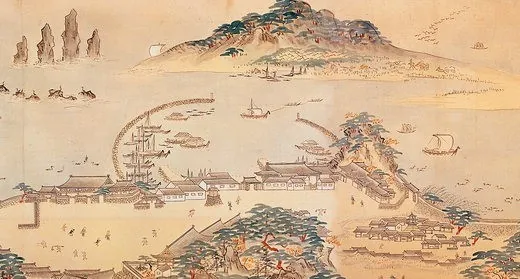
During Joseon rule, Dongnae became strategically important for coastal defence and relations with Japan. Busanpo developed as a trading gateway, with Japanese merchants resident in regulated compounds. The Japanese invasions of 1592 began with attacks on this south-eastern frontier, leaving a lasting memorial culture around Dongnae.
Busan opened as an international port in 1876 and expanded rapidly through the colonial and industrial eras. During the Korean War it became the provisional national capital and a refuge for displaced civilians. Post-war trade and manufacturing then transformed the city into one of South Korea’s principal urban and commercial centres.
KEY HISTORICAL MOMENT
1950
After the Korean War began in June 1950, government institutions moved south and Busan became the Republic of Korea’s provisional capital. The city absorbed large numbers of refugees while remaining behind the main front, permanently shaping its urban culture, politics and twentieth-century historical identity.
TOP SIGHTS
Top sights in Busan
Busan’s strongest historical sites are scattered across a large city, so expect to combine metro journeys with walking. Together they cover ancient burial culture, Buddhism, Joseon defence, port development and the twentieth-century conflicts that transformed modern Korea.
1
Beomeosa Temple
Traditionally founded by the monk Uisang in 678, Beomeosa is one of south-eastern Korea’s major Buddhist temples. Its mountain setting, historic stonework and later temple buildings provide an atmospheric introduction to Busan’s much older pre-modern heritage.
2
Bokcheon Museum & Ancient Tombs
The Bokcheon area preserves important archaeological evidence connected with the ancient societies of the Nakdong region. The museum places burial finds and material culture into context, making it one of the best places to explore Busan before the medieval and early-modern city emerged.
3
Dongnaeeupseong Walled Town
Historic Dongnae was an important administrative and defensive centre long before modern Busan expanded around the harbour. Reconstructed walls, gates and elevated defensive sites recall the fortified town that guarded one of Korea’s most vulnerable approaches from Japan.
4
Chungnyeolsa Shrine
Chungnyeolsa commemorates Koreans who died resisting the Japanese invasions of 1592–1598. Its origins date to 1605, when a shrine was established for Dongnae magistrate Song Sang-hyeon, later joined by other figures associated with the defence of the region.
5
Provisional Capital Memorial Hall
This former official residence became associated with President Syngman Rhee when Busan served as the national capital during the Korean War. Exhibitions examine government, refugee life and the roughly thousand-day provisional-capital period.
6
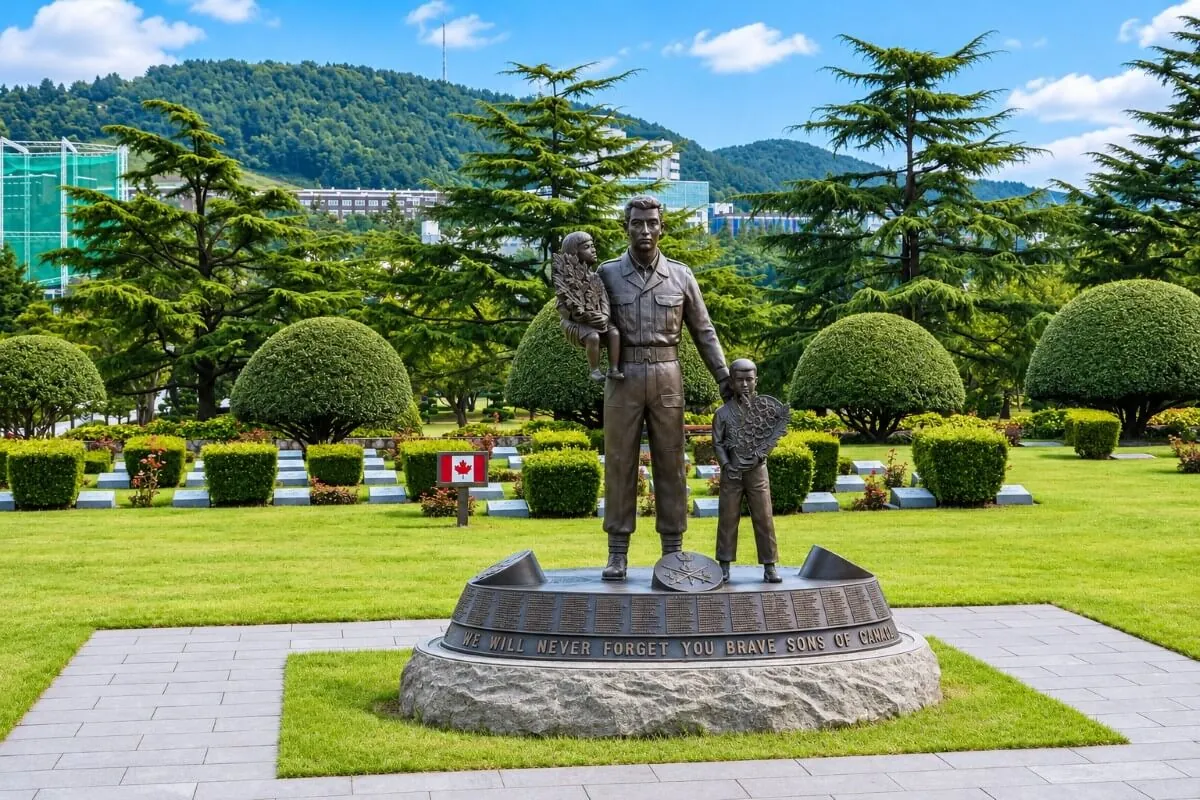
United Nations Memorial Cemetery in Korea
Created during the Korean War and later formally established under an agreement between South Korea and the United Nations, this landscaped cemetery holds more than 2,300 UN personnel. It is the only UN memorial cemetery of its kind.
7
Gamcheon Culture Village
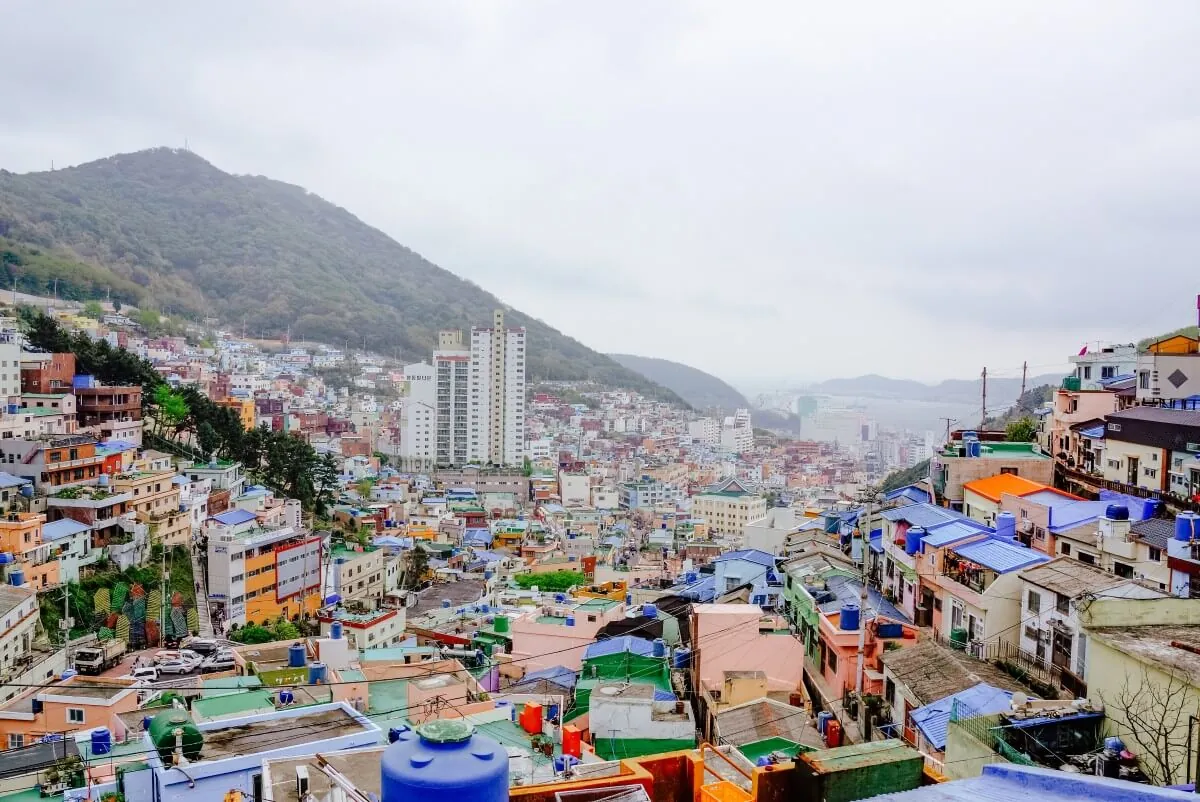
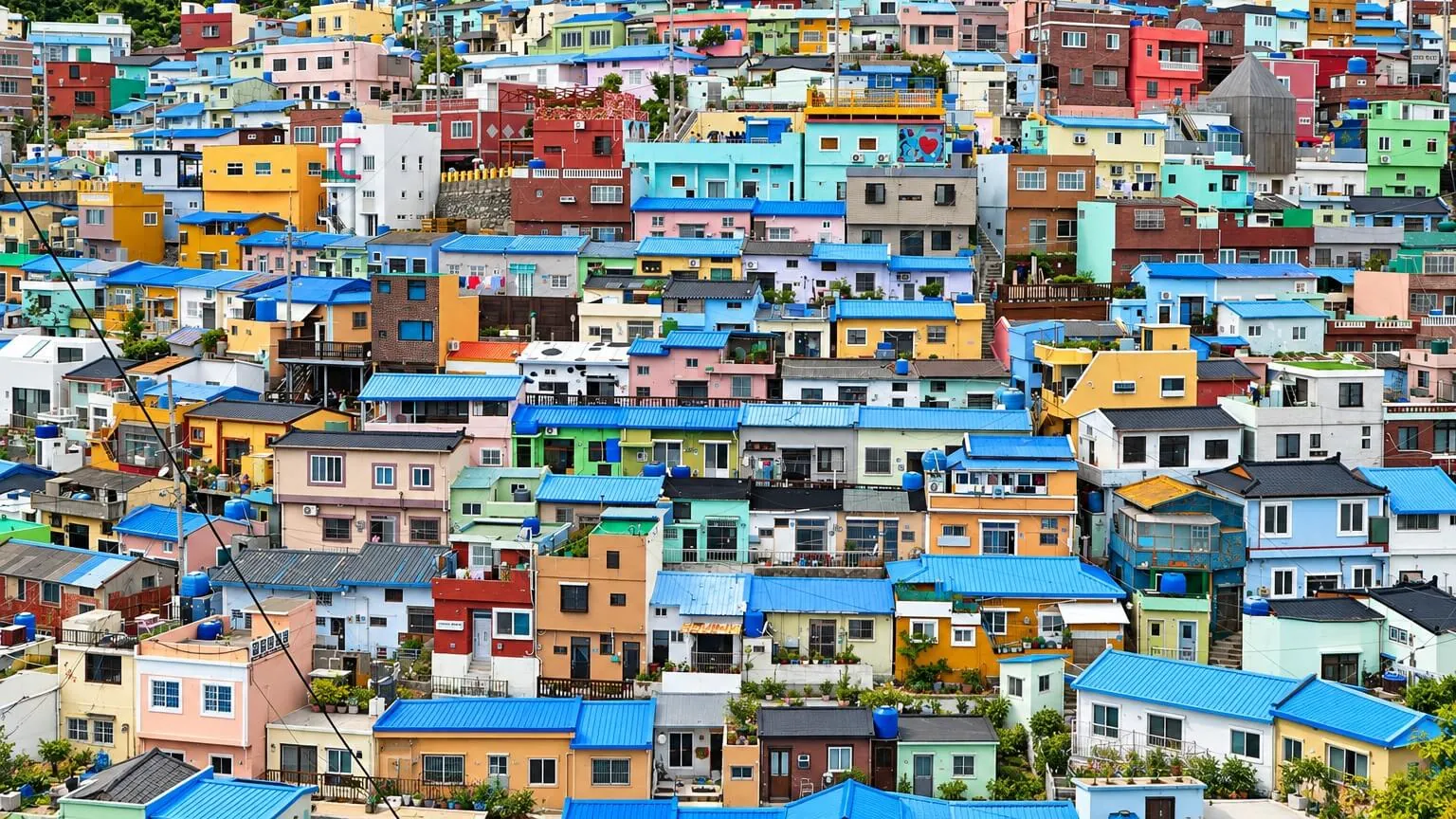
Gamcheon’s steep hillside streets are often seen today through their colourful art installations, but the settlement is closely linked with Busan’s refugee history. Displaced people settled here during the Korean War before later regeneration projects transformed the neighbourhood into a cultural destination.
8
Busan Museum
The city’s principal history museum traces Busan from prehistoric settlement through ancient cultures, Joseon society, port development and the modern period. Its broad chronological scope makes it particularly useful for connecting sites visited elsewhere around the city.
THINGS TO DO
Things to Do in Busan
Busan’s history is best understood by moving between neighbourhoods rather than relying on a single old centre. Walking routes, temple visits and museum-based experiences reveal how different historical periods developed across the surrounding mountains, harbour and coastline.
Explore Historic Dongnae
Walk through the former administrative heart of the region, linking surviving and reconstructed fortifications with Chungnyeolsa and nearby archaeological collections. It is the clearest area for understanding Busan before the nineteenth-century harbour city became dominant.
EXPLORE HISTORIC WALKING TOURS →
Discover Busan’s Korean War History
Combine the Provisional Capital Memorial Hall with the UN Memorial Cemetery and nearby museums to trace how Busan functioned simultaneously as a government centre, refugee city and international military support base during the Korean War.
EXPLORE KOREAN WAR HERITAGE →
Experience Beomeosa & Geumjeongsan
Spend several hours exploring Beomeosa’s temple precinct before following part of the surrounding mountain trail. The combination of religious architecture, wooded valleys and historic approach routes provides a very different historical atmosphere from Busan’s modern waterfront districts.
EXPLORE TEMPLE & HERITAGE EXPERIENCES →
Trace Refugee Busan
Explore Gamcheon and the older western districts while considering how wartime displacement reshaped the hills around the harbour. Pair the neighbourhood with the Provisional Capital Memorial Hall for stronger historical context rather than treating Gamcheon simply as a colourful photo stop.
EXPLORE REFUGEE-ERA BUSAN →
Suggested Itenary
3 Days in Busan
Three days allows enough time to separate Busan’s major historical zones, avoiding unnecessary cross-city travel while balancing museums and memorials with temples, neighbourhood walks and the maritime character that has always shaped the city.
DAY 1
Port, Refugees & the Provisional Capital
MORNING
Begin at the Provisional Capital Memorial Hall, where the former presidential residence and exhibitions explain Busan’s wartime political role. Continue through the older western city towards Nampo-dong, noting how tightly the historic port districts sit between mountains and waterfront.
AFTERNOON
Travel to Gamcheon Culture Village and explore its steep pedestrian lanes at an unhurried pace. Focus on the neighbourhood’s origins as a refugee settlement before descending towards the lower districts associated with post-war markets and harbour commerce.
EVENING
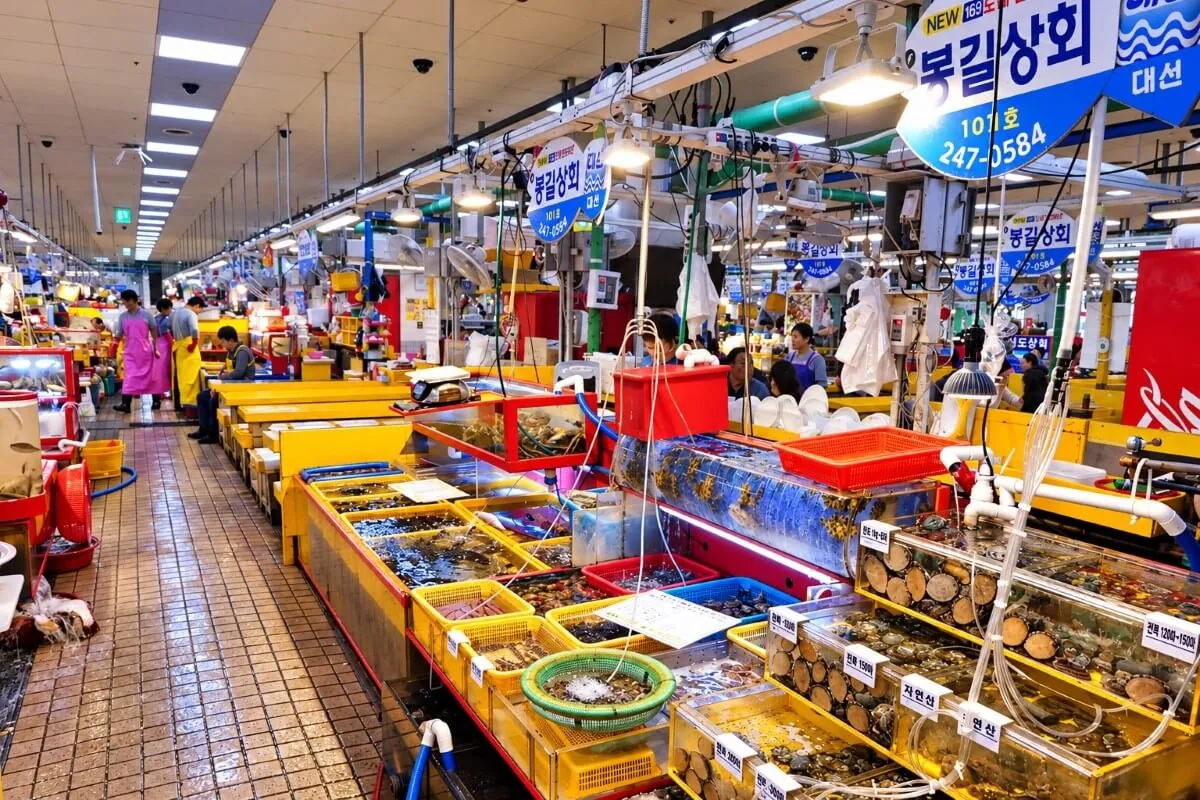
Finish around Nampo-dong and the old port. Walk through the market streets and waterfront rather than adding another museum, leaving time to absorb the commercial landscape that developed around Busan’s maritime gateway.
DAY 2
Ancient Busan & Historic Dongnae
MORNING
Start at Bokcheon Museum and the adjoining ancient tomb landscape. The archaeological collections establish a useful foundation for understanding the Nakdong region before Joseon-era Dongnae became the main political and military centre.
AFTERNOON
Walk or take a short local connection into historic Dongnae. Explore sections of Dongnaeeupseong and continue to Chungnyeolsa, linking the physical remains of the fortified town with memorial traditions surrounding the Japanese invasion of 1592.
EVENING
Stay in the Dongnae area for dinner or return towards central Busan. A quieter evening works well after a day of archaeological sites and walking on the slopes around the former fortress.
DAY 3
Buddhism & Korean War Remembrance
MORNING
Travel north to Beomeosa Temple. Allow time for the main precinct, historic stonework and part of the wooded approach around Geumjeongsan rather than treating the temple as a quick photographic stop.
AFTERNOON
Cross the city to Nam-gu for Busan Museum and the United Nations Memorial Cemetery. The two sites complement each other, moving from the city’s longer historical chronology to a restrained and international landscape of Korean War remembrance.
EVENING
End beside the coast at Gwangalli or another accessible waterfront district. Busan’s modern skyline offers a useful contrast with the historical sites explored during the day and reinforces how closely the city’s development remains tied to the sea.
WHERE TO STAY
Where to Stay in Busan
Busan is geographically extensive, so accommodation choice has a noticeable effect on travel time. History-focused visitors benefit most from staying close to Line 1 or Line 2 of the metro rather than selecting accommodation solely for beach access.
01
Nampo-dong & Jung-gu
The strongest base for Busan’s old port atmosphere, with markets, waterfront streets and western historical districts close by. It suits travellers prioritising Gamcheon, the Provisional Capital Memorial Hall and harbour history, while Line 1 provides straightforward links towards Busan Station and Dongnae.
FIND HOTELS IN CENTRAL BUSAN →
02
Busan Station & Choryang
A practical choice for travellers arriving by intercity rail or planning day trips beyond Busan. The area reflects the modern transport corridor that grew behind the historic port and offers quick metro access south towards Nampo and north towards Dongnae.
FIND HOTELS NEAR BUSAN STATION →
03
Seomyeon
Centrally positioned where Metro Lines 1 and 2 meet, Seomyeon is the most efficient all-round base for a city whose historical sites are widely dispersed. It lacks the concentrated historic atmosphere of Nampo but reduces cross-city travel considerably.
BROWSE HOTELS IN SEOMYEON →
04
Haeundae
Best for travellers who want historical sightseeing by day and the coast in the evening. Haeundae is less convenient for western Busan and Dongnae, but Line 2 connects it with central districts and it provides a more relaxed seaside base.
FIND HOTELS IN HAEUNDAE →
GETTING AROUND
Getting Around Busan
Busan’s historic sites are spread across valleys, hillsides and several former centres, so walking alone is not practical. The metro handles most longer journeys, while buses become useful for temples, elevated neighbourhoods and sites away from rail corridors. visitbusan.net
On Foot
Individual districts such as Nampo, Gamcheon, Dongnae and the UN memorial area reward walking, but distances between them are considerable. Busan’s steep terrain also means apparently short map distances can involve significant climbs, particularly around hillside neighbourhoods and fortress sites.
By Metro
Busan Metro Lines 1–4, the Donghae Line and Busan-Gimhae Light Rail cover much of the urban area. Line 1 is especially useful for Busan Station, Nampo, Dongnae and connections towards Beomeosa; Line 2 serves Seomyeon, Nam-gu and Haeundae.
By Local Bus
Buses fill important gaps left by the rail network and are particularly useful for hillside sites and temple approaches. A rechargeable Korean transport card makes transfers easier, while navigation apps are helpful because routes can be less intuitive for first-time visitors.
By Train
Busan Station is one of South Korea’s major intercity rail gateways and is useful for onward travel towards Gyeongju, Daegu, Daejeon and Seoul. Rail is less important for everyday sightseeing inside central Busan but valuable for extending a historical itinerary beyond the city.
From Gimhae International Airport
The Busan-Gimhae Light Rail links the airport with the wider metro system. Transfers at Sasang connect with Metro Line 2, while Daejeo connects with Line 3, providing inexpensive access to central Busan without requiring a car.
BEST TIME TO VISIT
Best Time to Visit Busan
Busan can be explored throughout the year, but spring and autumn generally offer the most comfortable conditions for historic neighbourhood walks, temple grounds and fortress paths. Summer is hotter and more humid, while winter is colder but usually quieter.
Spring
MARCH TO MAY
Mildening temperatures and spring blossom make this one of the most pleasant periods for Beomeosa, Dongnae and outdoor archaeological sites. Conditions are particularly good for combining museum visits with longer neighbourhood walks before the humidity of early summer develops.
Summer
JUNE TO AUGUST
Summer brings heat, humidity and Busan’s busiest beach season. Indoor museums remain comfortable, but long exposed walks are more demanding. Early starts work best for temples and fortifications, leaving afternoons for museums and evenings for waterfront districts.
Autumn & Winter
SEPTEMBER TO FEBRUARY
Autumn offers excellent walking weather and clear conditions, especially around Geumjeongsan and Dongnae. Winter is colder and less lush but brings quieter museums and memorial sites. Coastal winds can feel sharp, so layered clothing is useful on exposed waterfronts.
BEST OVERALL TIME
April to May & September to October
These periods provide the best balance of moderate temperatures, longer sightseeing days and comfortable walking conditions. Spring brings flowering landscapes around temples and parks, while early autumn is often ideal for hill paths. Late autumn is a quieter alternative.
Next Destinations
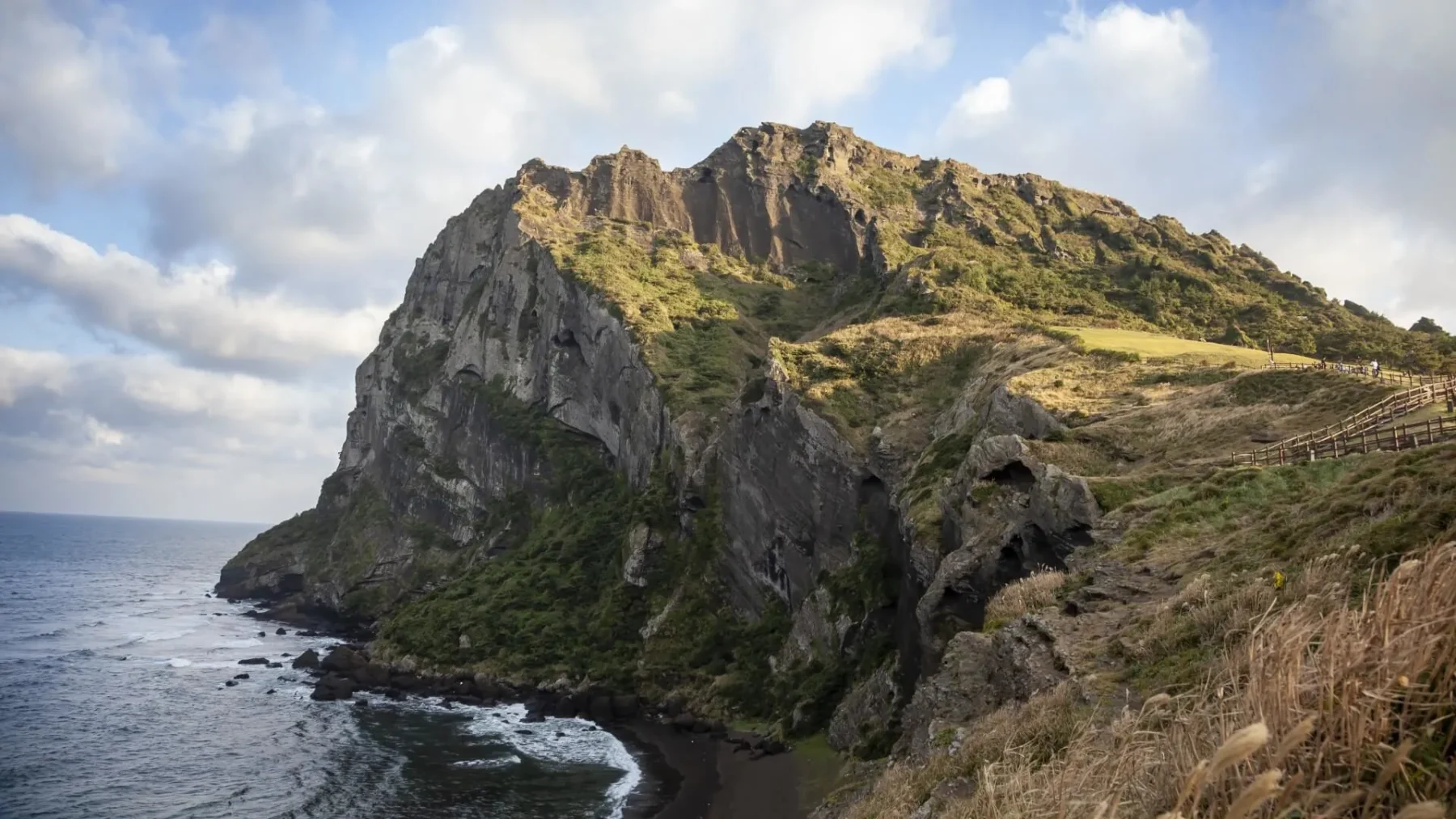
Jeju Island
South of the Korean Peninsula, Jeju offers a very different historical landscape shaped by volcanic geography, maritime isolation and a distinct island culture. Dol hareubang statues, traditional stone villages, shamanic traditions and sites connected with the Jeju uprising reveal layers of history unlike those of mainland Korea.

Gyeongju
Former capital of the Silla kingdom, Gyeongju provides the strongest historical continuation from Busan’s early Buddhist and archaeological heritage, with royal tombs, temple remains and monumental sites spread across one of Korea’s richest historic landscapes.
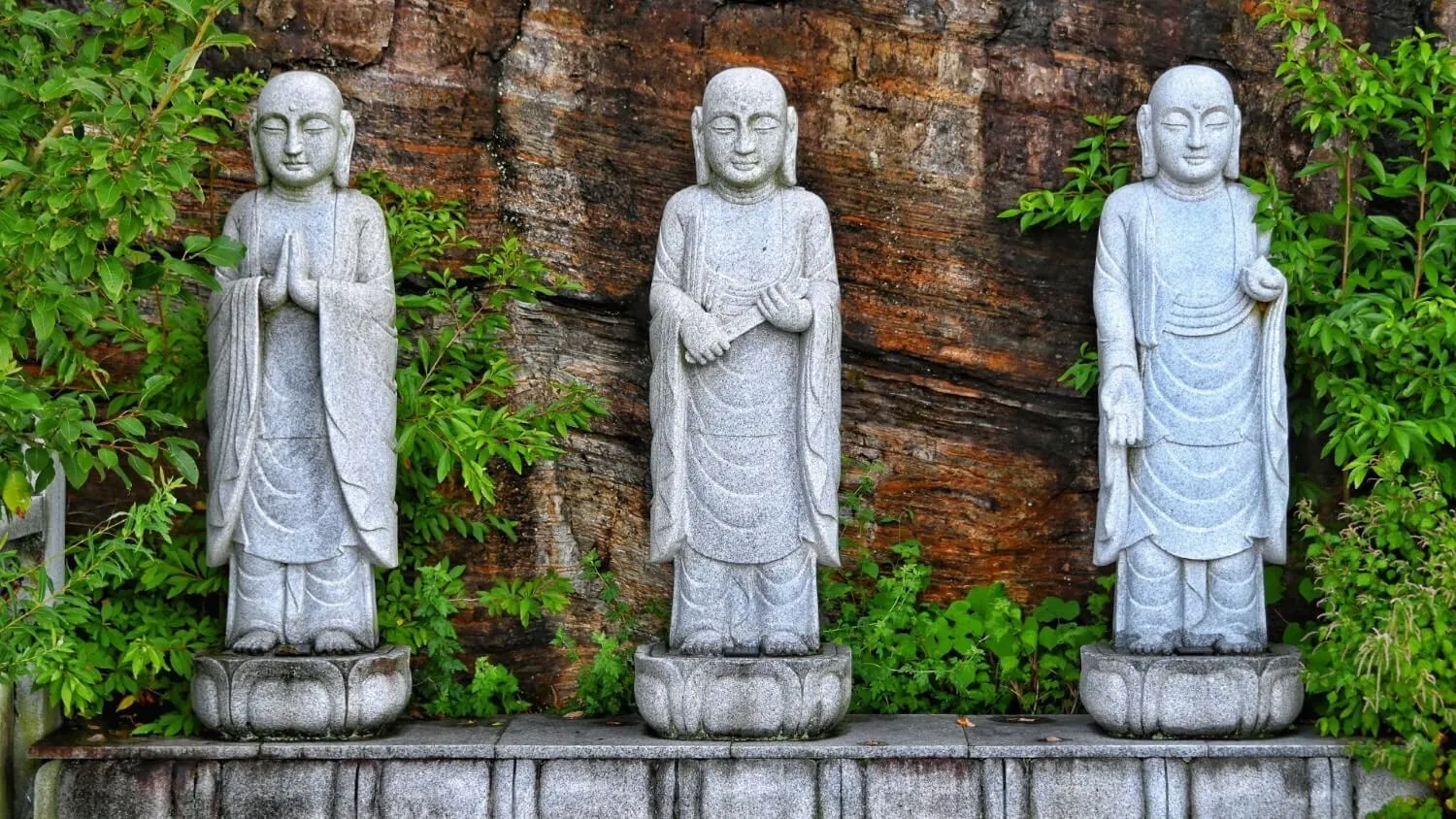
Gimhae
Immediately west of Busan, Gimhae is closely associated with Geumgwan Gaya and the ancient cultures of the Nakdong River basin. Its archaeological sites and museums provide valuable context for the Gaya material encountered in Busan.