Kandy
Sacred relics, Kandyan royalty and highland heritage
Discover Kandy through the Temple of the Sacred Tooth Relic, royal history, Buddhist traditions, museums and highland landscapes, with a practical three-day itinerary connecting the sacred city, Kandy Lake and the surrounding hills.
INTRODUCTION
Welcome to Kandy
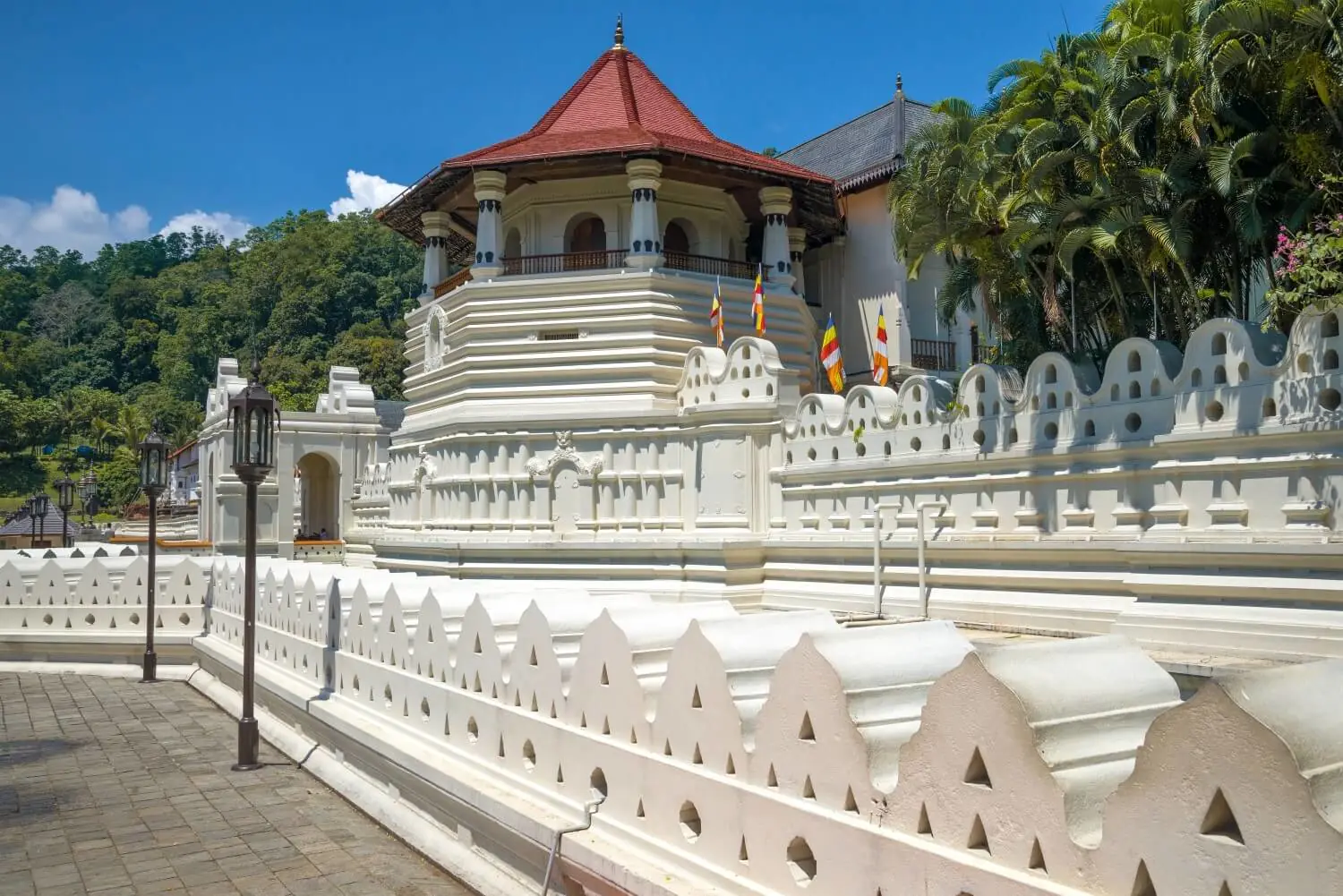
Kandy was the final capital of Sri Lanka’s independent Kandyan kingdom and remains one of the island’s most important religious and cultural centres. The Temple of the Sacred Tooth Relic, royal palace complex, lake and surrounding hills preserve the atmosphere of a historic highland capital shaped by Buddhism, monarchy and resistance to European rule.
Two full days cover Kandy’s essential historic sights, while a third allows time for museums, forest walks, cultural performances and nearby temples. Staying overnight also lets you experience the sacred city before and after the busiest visiting hours.
WHY VISIT
Why Visit Kandy?
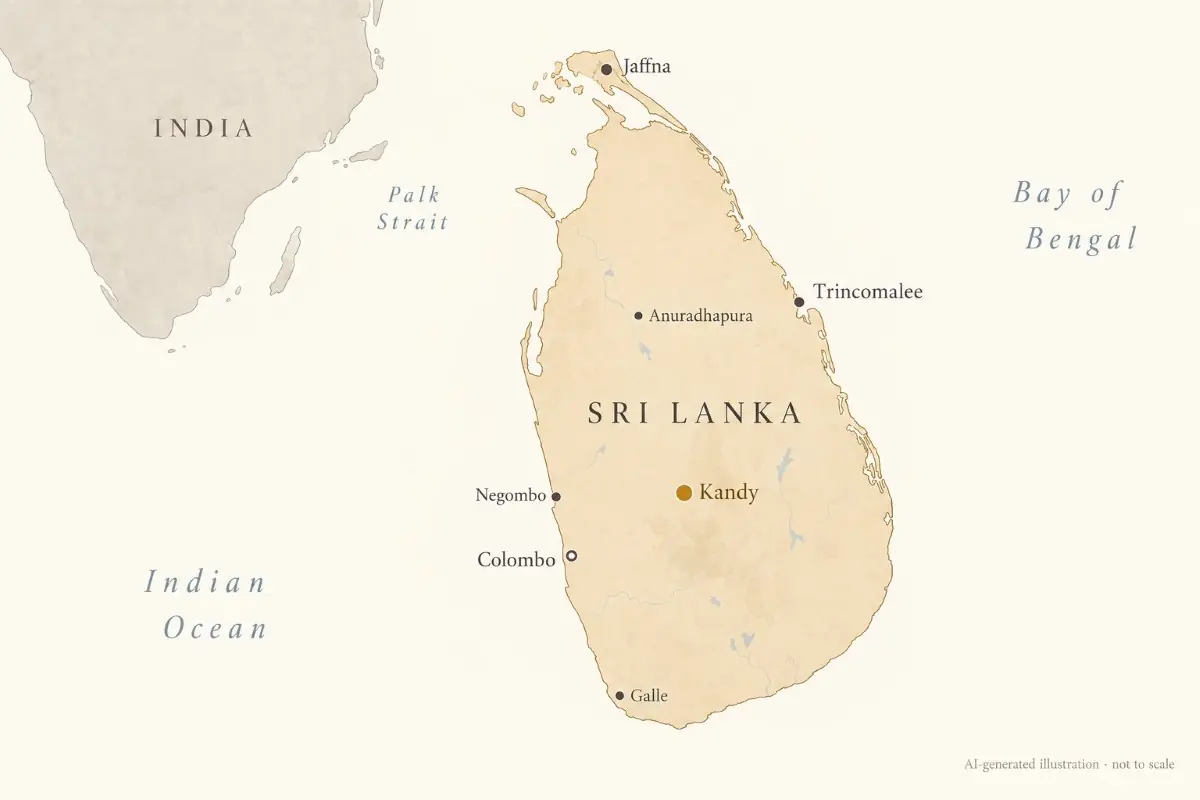
Kandy combines royal history, Buddhist pilgrimage and mountain scenery in one compact city. Its sacred temple complex, former royal buildings, historic lake and surviving Kandyan traditions make it one of Sri Lanka’s strongest destinations for cultural and religious history.
01
The Temple of the Sacred Tooth Relic
The Sri Dalada Maligawa houses the sacred tooth relic of the Buddha and is the spiritual heart of Kandy. Its ritual importance helped shape the political legitimacy of Kandyan kings and continues to draw pilgrims from across Sri Lanka and the Buddhist world.
02
Kandyan Royal History
Kandy was the seat of the Kandyan kingdom until 1815. The palace precinct, audience hall and surviving royal buildings provide a direct link with the last independent monarchy on the island.
03
Sacred City & Living Traditions
Kandy’s historic significance is not confined to monuments. Daily temple rituals, Buddhist festivals and the annual Esala Perahera keep religious and ceremonial traditions active within the modern city.
04
Highland Landscape & Kandy Lake
Kandy Lake and the surrounding forested hills give the city a setting unlike Sri Lanka’s coastal centres. The landscape shaped the defensive character of the old kingdom and remains an essential part of Kandy’s historic identity.
HISTORY
A Short History of Kandy
Kandy developed in Sri Lanka’s central highlands and became the capital of the Kandyan kingdom in the late sixteenth century. Its mountainous setting helped the kingdom resist Portuguese and Dutch expansion for centuries while the possession of the sacred tooth relic reinforced the authority of its rulers.
The Kandyan kings maintained a distinctive court culture and repeatedly resisted European attempts to control the highlands. The city developed around the royal palace and Temple of the Tooth, while diplomacy, warfare and shifting alliances shaped relations with the Portuguese, Dutch and later British.
In 1815, Kandyan chiefs and British representatives signed the Kandyan Convention, ending the independent monarchy and bringing the highlands under British rule. Kandy remained a major Buddhist and cultural centre, and its Sacred City was inscribed on the UNESCO World Heritage List in 1988.
KEY HISTORICAL MOMENT
1815
In 1815, the Kandyan Convention ended the rule of the last king, Sri Vikrama Rajasinha, and transferred sovereignty to the British Crown. The agreement marked the end of Sri Lanka’s last independent kingdom and a decisive turning point in the island’s political history.
TOP SIGHTS
Top Sights in Kandy
These eight sights connect Kandy’s Buddhist heritage, royal history, colonial-era transition and highland landscape. The Temple of the Tooth is essential, but the city becomes far more rewarding when you add the palace precinct, museums, lake and nearby sacred sites.
1
Temple of the Sacred Tooth Relic
The Sri Dalada Maligawa is Kandy’s most important religious site and one of the holiest Buddhist shrines in Sri Lanka. Daily rituals, temple architecture and the relic tradition connect the building directly with the authority of the Kandyan kings.
2
Royal Palace of Kandy
The surviving royal palace buildings beside the Temple of the Tooth preserve the administrative and ceremonial setting of the Kandyan monarchy. The audience hall is especially important for understanding royal architecture and court ritual.
3
Kandy Lake
Kandy Lake was created in the early nineteenth century under King Sri Vikrama Rajasinha. Its waters and tree-lined edge form the visual centre of the city and provide one of the best walking routes between sacred, civic and residential areas.
4
National Museum of Kandy
The National Museum of Kandy occupies part of the former royal palace complex and preserves objects connected with Kandyan royalty, court life and material culture. It is an important complement to the Temple of the Tooth.
5
Sri Maha Bodhi Maha Viharaya
This hilltop Buddhist temple is best known for the large white Buddha statue overlooking Kandy. Beyond the viewpoint, it provides a useful introduction to contemporary Buddhist devotion and the city’s sacred landscape.
6
British Garrison Cemetery
British Garrison Cemetery preserves the oval footprint of Kandy’s Roman amphitheatre. Medieval houses were gradually built into the ancient structure, and the modern piazza still follows its distinctive shape, making the city’s Roman past unusually easy to read in the present-day street plan.
7
Udawattakele Forest Reserve
The Udawattakele Forest Reserve is among the best-known colonial buildings in Fort. Restored as a dining and shopping precinct, its courtyards and heavy masonry provide an accessible introduction to the Dutch layer of Kandy’s history.
8
Embekka Devalaya
Embekka Devalaya combines a seventeenth-century residence with an elegant Baroque garden just inside the city walls. Its interiors, monumental staircase and formal garden reveal the aristocratic side of Kandy beyond churches and civic monuments.
THINGS TO DO
Things to Do in Kandy
Kandy works best when sacred sites, royal history and the surrounding landscape are explored together. Combine the Temple of the Tooth with museums, lake walks, forest trails and traditional cultural performances.
Explore the Sacred City with Context
Walk through the Temple of the Tooth precinct, royal palace area and Kandy Lake with a history-focused guide. The best tours explain how relic worship, monarchy and Buddhist ritual shaped the city.
EXPLORE KANDY HISTORY TOURS →
Experience Kandyan Ritual & Culture
Attend a temple puja or a traditional Kandyan dance performance to experience living cultural traditions rather than monuments alone. Respectful observation adds important context to the city’s religious and ceremonial life.
BROWSE KANDY CULTURAL TOURS →
Explore Kandy’s Royal & Colonial History
Visit the National Museum, palace buildings and British Garrison Cemetery to trace Kandy’s transition from independent kingdom to colonial rule. Together they reveal the political changes that reshaped the city after 1815.
DISCOVER KANDY MUSEUMS & HISTORY →
Walk the Lake & Highland Landscapes
Walk around Kandy Lake, continue into Udawattakele or head into the surrounding hills for viewpoints and gardens. These routes help explain how geography protected and shaped the old Kandyan capital.
EXPLORE KANDY NATURE & WALKING TOURS →
SUGGESTED ITINERARY
3 Days in Kandy
Three days allow you to experience Kandy beyond the Temple of the Tooth alone. Use the first day for the sacred city and royal precinct, the second for museums and historic landscapes, and the third for nearby temples, gardens or the surrounding hills.
DAY 1
Temple of the Tooth & Royal Kandy
MORNING
Begin at the Temple of the Sacred Tooth Relic early, before the main crowds build. Continue through the royal palace precinct and take time to understand the relationship between the temple, monarchy and Kandy Lake.
AFTERNOON
After lunch, visit the National Museum of Kandy and the audience hall, then walk along Kandy Lake towards the city centre. Leave time for smaller shrines and historic buildings around the sacred precinct.
EVENING
Return to the Temple of the Tooth for an evening puja if possible, or walk around the lake as the city cools. The illuminated temple complex is especially atmospheric after dark.
DAY 2
Museums, Forest & Colonial Kandy
MORNING
Start at the National Museum if you did not visit it on day one, then continue to the British Garrison Cemetery for a concise introduction to the city’s nineteenth-century colonial community.
AFTERNOON
Spend the afternoon walking in Udawattakele Forest Reserve or visiting Sri Maha Bodhi Maha Viharaya for panoramic views. Both places show how closely Kandy’s history is tied to its forested hills.
EVENING
Spend the evening at a traditional Kandyan dance performance or return to the lakefront for a quieter walk through the centre.
DAY 3
Temples, Gardens & the Kandyan Countryside
MORNING
Use the morning for an excursion to Embekka Devalaya and nearby historic temples, focusing on Kandyan-period architecture, woodcarving and regional religious traditions.
AFTERNOON
In the afternoon, visit the Royal Botanic Gardens at Peradeniya or explore another nearby temple complex. The gardens add colonial-era scientific and landscape history to a trip otherwise focused on religion and monarchy.
EVENING
Return to Kandy for a final evening meal and walk through the centre. If you stayed in the city all day, use the quieter evening to revisit the walls or British Garrison Cemetery after the main sightseeing crowds have dispersed.
WHERE TO STAY
Where to Stay in Kandy
Kandy is compact around the lake but spreads quickly into the surrounding hills. Stay near the lake for easy sightseeing, in the city centre for transport and restaurants, or in the hills for quieter views and a more relaxed atmosphere.
01
Kandy Lake & Temple Area
Stay near Kandy Lake for the shortest walks to the Temple of the Tooth, palace precinct and central historic sights. This is the best choice for a first visit focused on culture and history.
FIND HOTELS NEAR KANDY LAKE →
02
Kandy City Centre
Kandy City Centre is greener and quieter than the commercial centre and puts the National Museum and Independence Square within easy reach. It suits travellers who prefer museums, cafés and a more residential atmosphere.
BROWSE STAYS IN CENTRAL KANDY →
03
Hantana & Southern Hills
The hills south of the centre offer quieter accommodation and broad views over Kandy. They are a good choice for travellers who do not mind using tuk-tuks or taxis to reach the historic core.
FIND STAYS IN THE KANDY HILLS →
04
Peradeniya
Peradeniya is convenient for the Royal Botanic Gardens and offers a less crowded base west of central Kandy. It suits travellers combining the city with gardens, university areas and onward rail travel.
EXPLORE STAYS IN PERADENIYA →
GETTING AROUND
Getting Around Kandy
Central Kandy is walkable around the lake and sacred precinct, but steep roads make the outer hills more demanding. Tuk-tuks, buses and taxis are useful for accommodation and sights beyond the centre.
On Foot
The Temple of the Tooth, palace precinct, lake and central streets are best explored on foot. The lake circuit is straightforward, but roads into the surrounding hills can be steep.
By Bus
Local buses connect central Kandy with Peradeniya, outer neighbourhoods and nearby towns. They are inexpensive but can be crowded and less intuitive for first-time visitors.
By Train
Kandy railway station connects the city with Kandy and the central highlands. The route towards Nuwara Eliya, Ella and Badulla is especially famous for mountain scenery, though popular trains can require advance planning.
From Colombo & Bandaranaike International Airport
From Colombo, Kandy can be reached by train, bus or private transfer. Bandaranaike International Airport lies north of Colombo, so travellers arriving by air should allow extra time for the onward journey into the central highlands.
By Tuk-Tuk, Taxi & Car
Tuk-tuks are useful for short rides and steep hills, while taxis or a private car are practical for excursions to outlying temples and gardens. Central sightseeing itself does not require a car.
BEST TIME TO VISIT
Best Time to Visit Kandy
Kandy is warm and humid throughout the year, but its highland setting is generally cooler than Sri Lanka’s coast. January to March is usually among the driest periods, while April–May and October–November are more prone to heavier rain.
December–March
DRIER SEASON
December to March usually brings the most comfortable conditions for walking around Kandy Lake, visiting temples and exploring nearby hills. Mornings and evenings can feel pleasantly cooler than the coast.
April–June
SOUTHWEST MONSOON
April to June becomes warmer and wetter, with frequent showers around the inter-monsoon period. Temple visits and museums remain easy to manage, but carry rain protection for outdoor walks.
July–November
VARIABLE & INTER-MONSOON
July and August can be lively because of the Esala Perahera season, while September to November becomes wetter again. Festival periods are culturally rewarding but require earlier accommodation planning.
BEST OVERALL TIME
January–March
January to March usually offers the best balance of drier weather, comfortable temperatures and good conditions for combining Kandy’s sacred sites with walks and day trips.
Next Destinations
Colombo
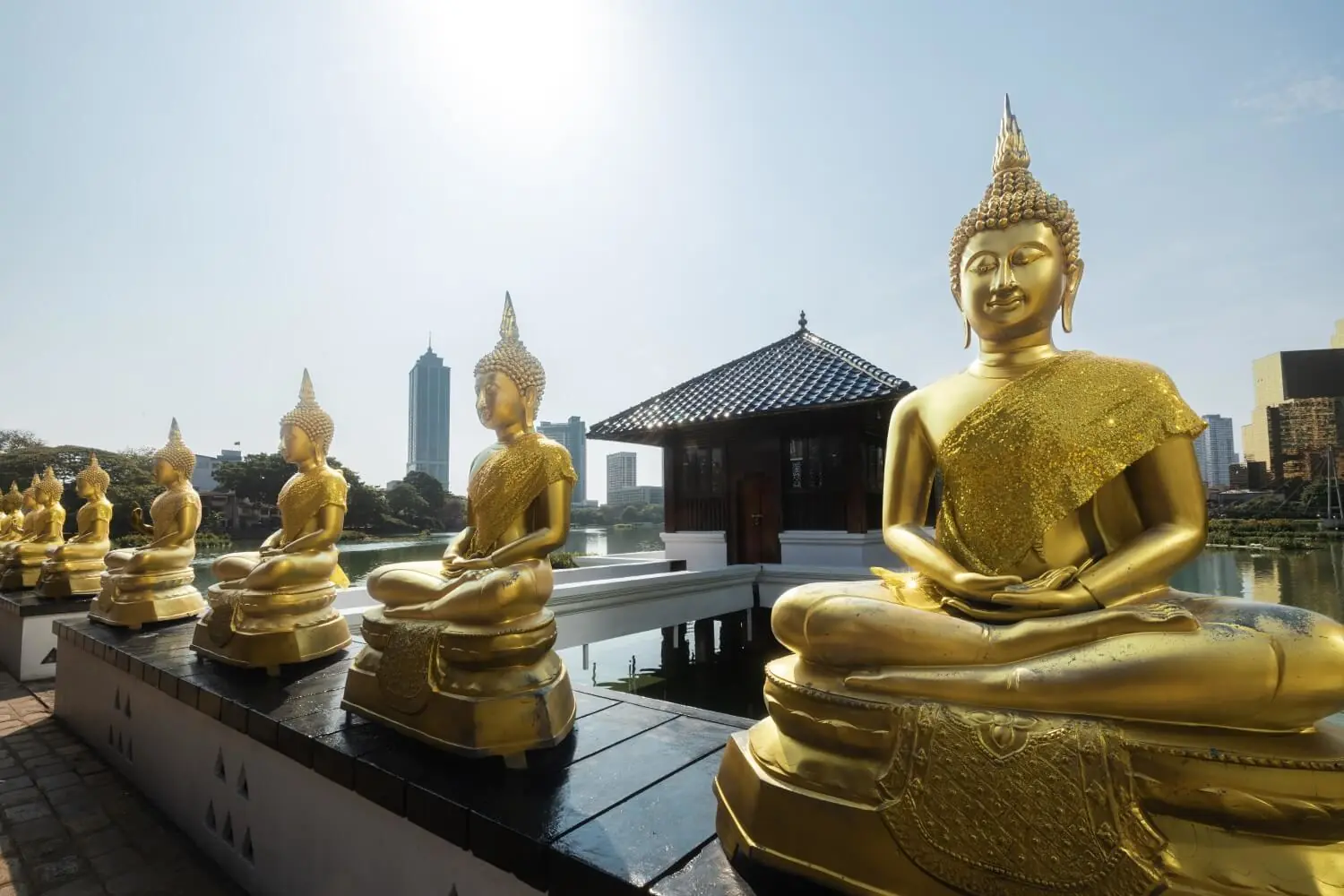
Travel west to Colombo for colonial Fort, Pettah markets, museums, temples and Sri Lanka’s modern commercial history.
Sigiriya
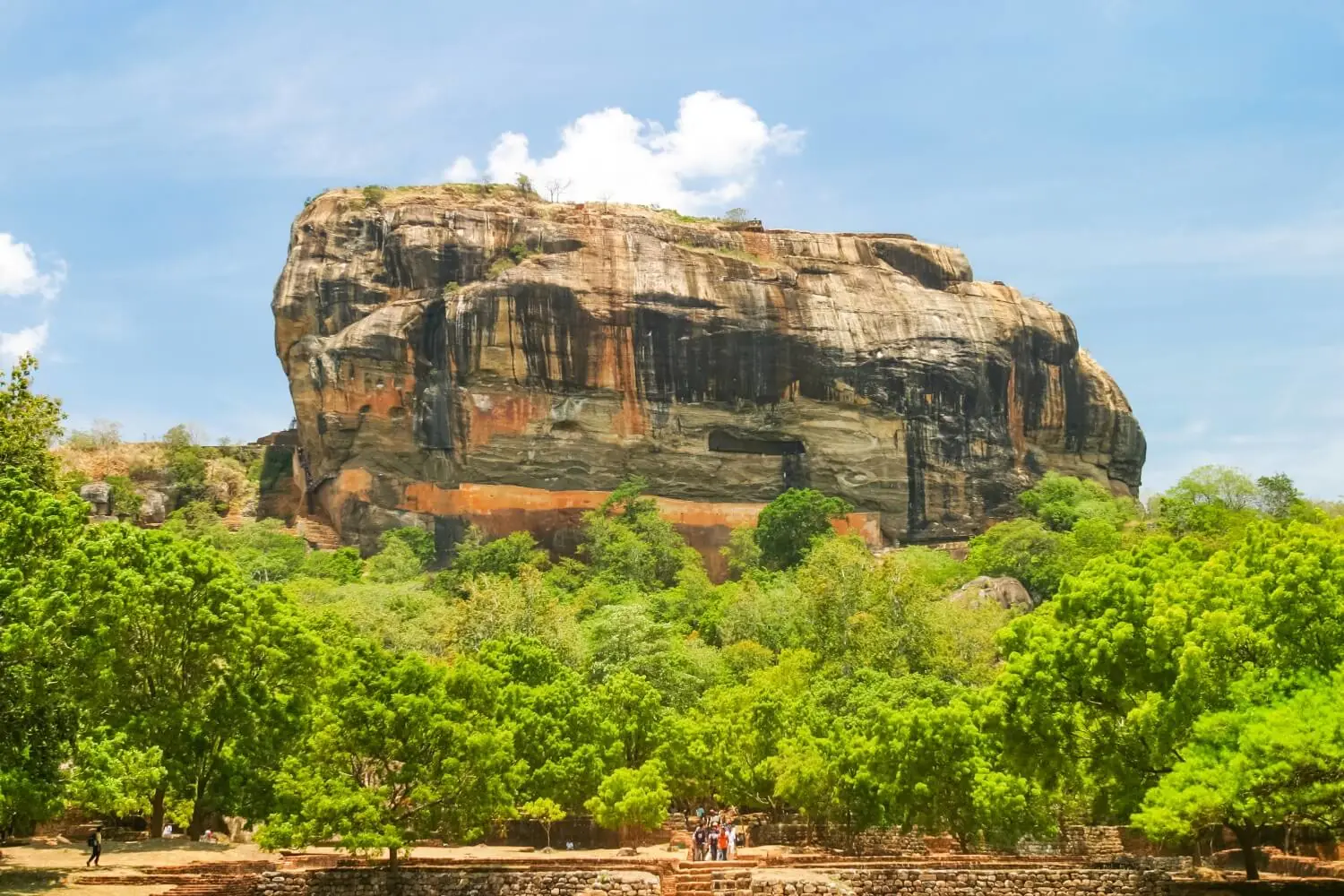
Travel north to Sigiriya for the fifth-century rock fortress, palace ruins, water gardens and one of Sri Lanka’s most extraordinary archaeological landscapes.
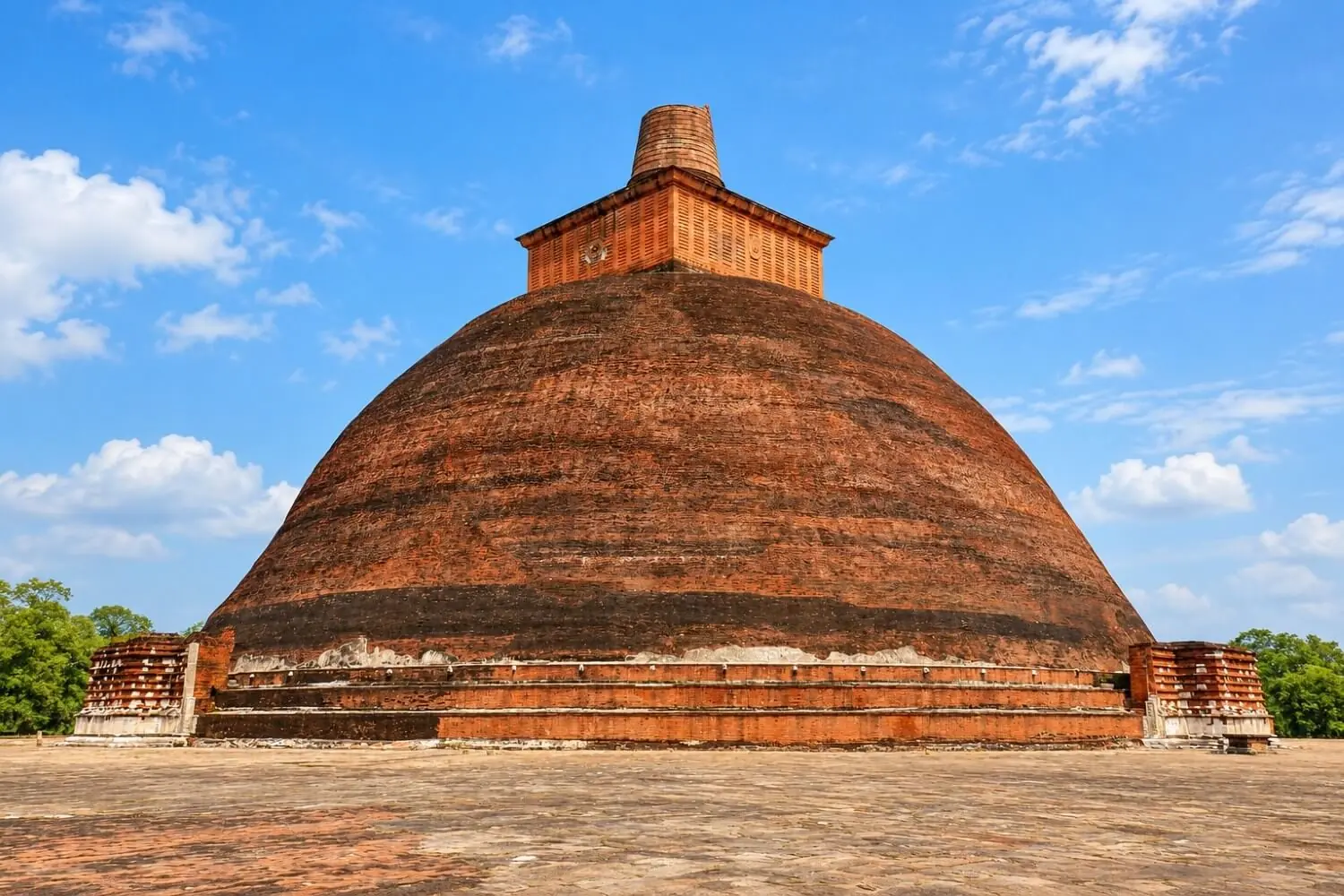
Anuradhapura
Continue to Anuradhapura for ancient stupas, monastic ruins and the sacred history of one of Sri Lanka’s earliest great capitals.
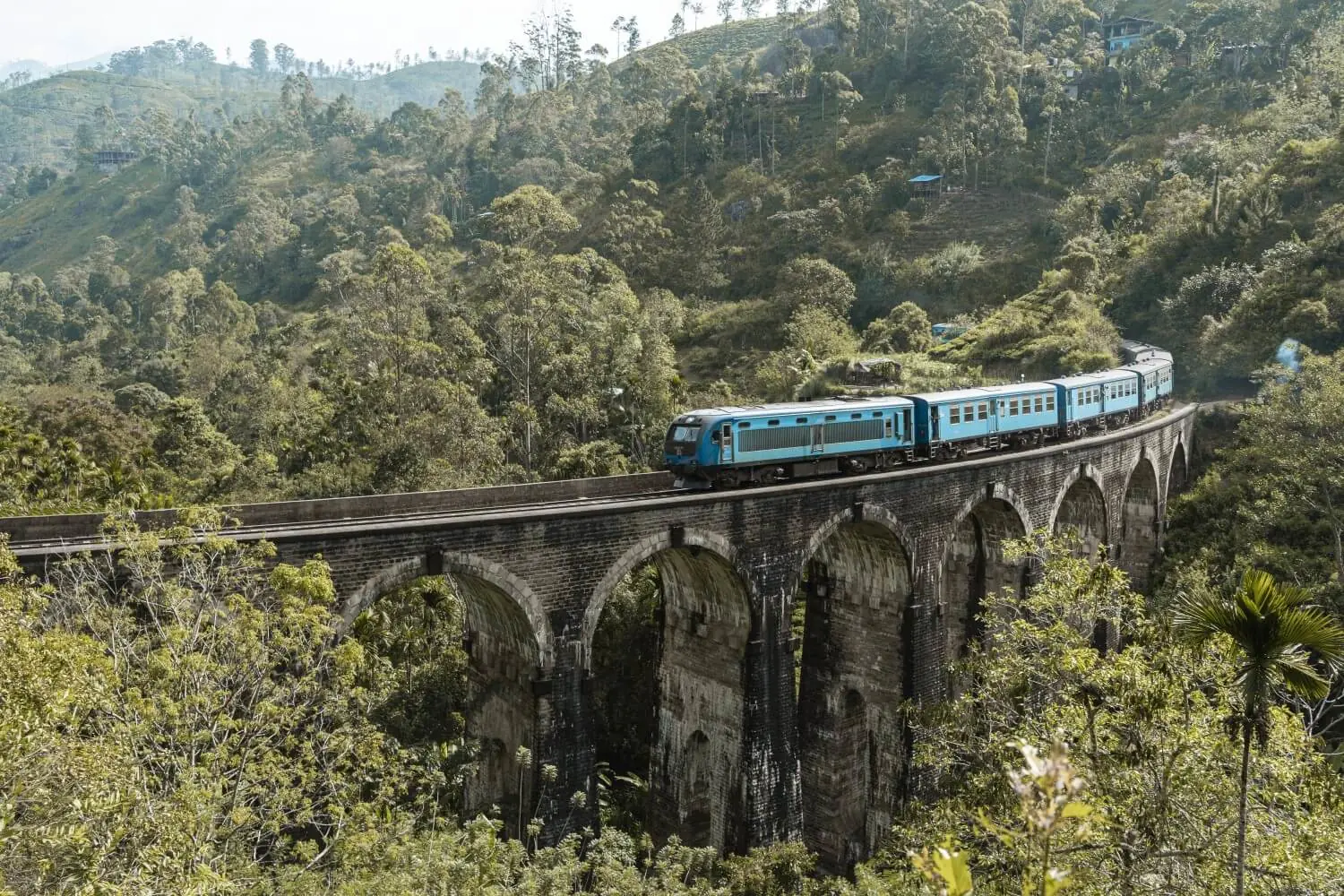
Ella
Continue deeper into the central highlands to Ella for railway history, tea landscapes and mountain scenery.