He was a hero! Days after the destructive atomic bombing of Nagasaki, Dr. Nagai went looking for his missing wife. He found her, dead. Then he went looking for other victims and tried to help them. He himself was diagnosed with leukemia and died in 1951….
Nagasaki will always be associated with the sad history of the atomic bombing on August 9, 1945. Anyone visiting this city will obviously like to learn more about this happening. Why did it happen? Was the atomic bomb really necessary? And what is the story of the hero of this introduction? In this article, you will get answers to those questions and discover 7 historical sites of the atomic bomb route, all with a special story. And of course, this article serves mainly as inspiration for future trips through beautiful Japan.
In this Article about the Atomic Bomb Route
- The story of the atomic bomb on Nagasaki – A brief history
- Was it really necessary, the atomic bombs on Hiroshima and Nagasaki?
- Sights of the atomic bomb route – 7 sites and their story
- Nagasaki Atomic Bomb Museum and National Peace Memoriall Hall
- Hypocenter
- The Peace Park
- Takashi Nagai Memorial Museum
- Urakami Cathedral
- Shiroyama Elementary School Museum
- Yamazato Primary School
- Practical information for your visit
Useful Websites Nagasaki & Japan
- Accommodation Nagasaki: Booking
- Tours & Tickets: GetYourGuide Nagasaki
- Flight Tickets Japan: Jetradar
- Train Tickets: Japan Railway Pass
- Rental Car: Rental Cars
This page about the Atomic Bomb Route contains affiliate links. This means that if you make a booking through one of the links on this website, Travel4history receives a small compensation. This is at no extra cost to you!
The story of the atomic bomb on Nagasaki – A brief history
On August 9, 1945, an American B-29 bomber named Bockscar flies to the city of Kokura to drop a second atomic bomb on Japan. It is 3 days after the first plutonium bomb hit Hiroshima and still the country’s government had not surrendered. But it’s cloudy and the orders are clear; only drop in case of good visibility.
The crew led by Charles Sweeney decides to fly on to the alternative target: Nagasaki. Onboard, next to the crew, is the plutonium bomb, Fat Man. Bigger, more powerful, and more destructive than Little Boy on Hiroshima. But also above Nagasaki, it is cloudy and visibility is cloudy. And yet, a little after 11 a.m., the crew drops the bomb.
At 11.02 a.m. Fat Man explodes above a sparsely populated suburb of Nagasaki. Approximately 40,000 people perished immediately; this would later rise to more than 70,000 people. Considerably less than in Hiroshima (direct deaths 80,000), but the suffering is clear. Buildings have been destroyed to rubble and people crushed to ashes. On 14 August 1945 Emperor Hirohito decides to capitulate. The war in Asia is over.
Was it really necessary, the atomic bombs on Hiroshima and Nagasaki?
For a long time, historians have thought that the atomic bomb was mainly used to force a definitive surrender from the Japanese. In the end, that is how it turned out. The then President of the United States Truman (1884-1972) wanted to end the war as soon as possible. And the Battle of Okinawa was still fresh in the memory of the Americans. The Japanese dug themselves into this Japanese island, costing many American lives. And that was exactly what Truman wanted to prevent. There are also stories going around that Truman wanted to impress Stalin and show the power of America. And indeed, Stalin was impressed by the power of the atomic bomb. Finally, in 1949, with the help of espionage and scientists, Russia managed to produce an all-destructive bomb….
But that opinions differ as to whether or not the bomb should be used proves the later President of the United States, Dwight D. Eisenhower. His opinion was that Japan was losing anyway and it would have been a matter of time before they surrendered.
“Japan had already been defeated and dropping the bomb was completely unnecessary.
DWIGHT EISENHOWER (1890-1969), AMERICAN PRESIDENT FROM 1953 TO 1961 AND COMMANDER-IN-CHIEF OF THE ALLIED FORCES IN EUROPE DURING THE SECOND WORLD WAR
Sightseeing – 7 sights and their story
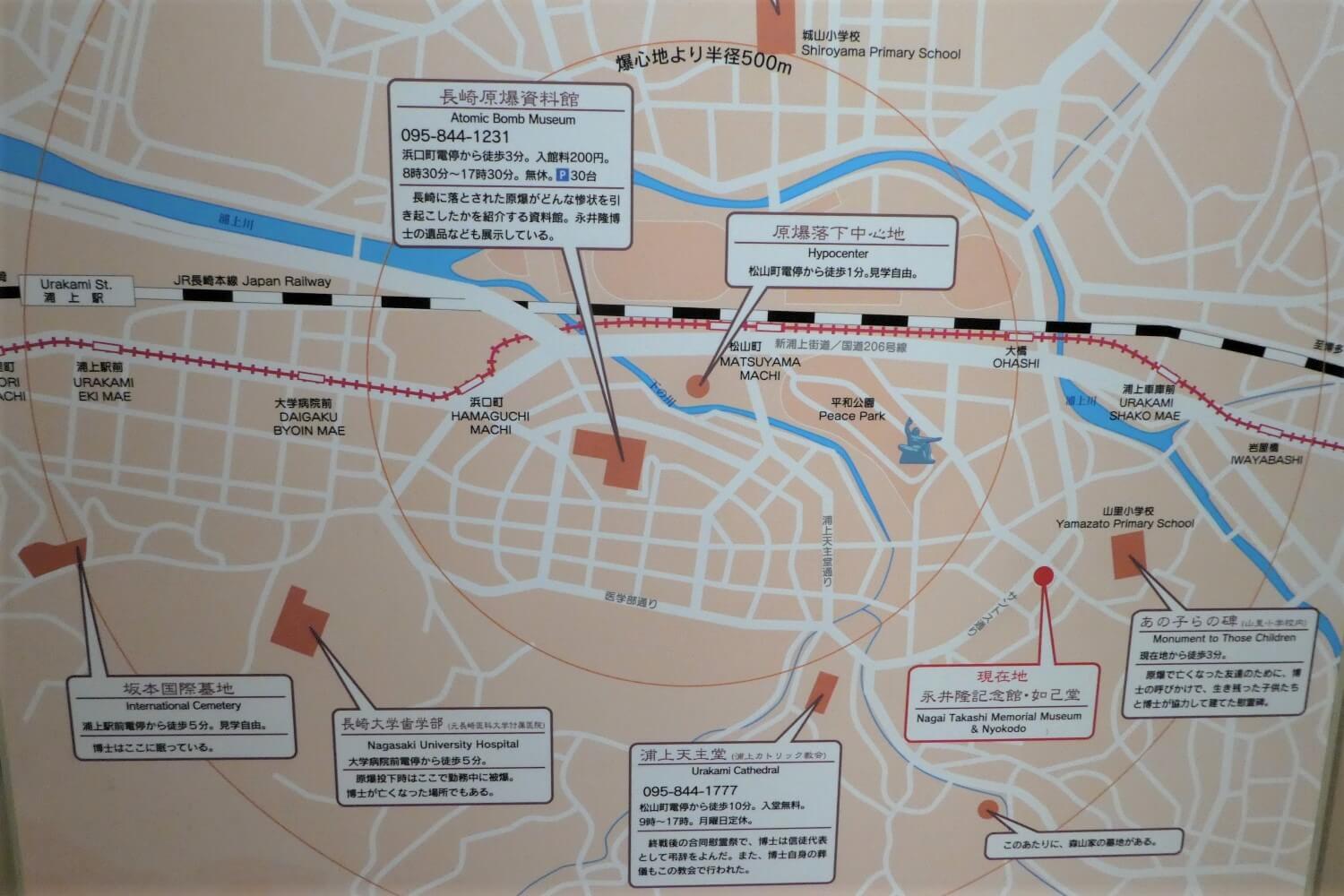
Now that you know the story of the atomic bombing of Nagasaki, it is time to visit this disaster site. Although, there is absolutely no question of a disaster area anymore because within 10 years after the explosion Nagasaki was rebuilt. And what remains are a number of historical sites that are worth visiting. There are more places of interest, as you can see on the map below. But don’t skip these 7 for sure….
1. Nagasaki Atomic Bomb Museum and National Peace Memorial Hall
The Nagasaki Atomic Bomb Museum is impressive. Here you will find many photos and objects that were taken and found after the explosion of the bomb. It also tells the whole story from its origin to the fall of the bomb and what happened in the years after. It can be compared to the museum in Hiroshima, only less crowded. However, at the time I was there, large groups of school children just came in. And then the friendly Japanese hospitality comes up: “Sorry for the inconvenience, do you mind?”. No problem at all!
Furthermore, in the museum, there is also a National Peace Memorial Hall in memory of the victims. And there I see children paying tribute to the victims of this disaster in an impressive way: through song and a deep bow. Extraordinary!

2. Hypocenter Nagasaki: the place where the atomic bomb exploded…
At 11:02 a.m. on August 9, 1945, Fat Man exploded 500 meters above this spot. In a radius of up to 4 kilometers, almost everything was destroyed and tens of thousands of people died instantly. After the Nagasaki Atomic Bomb Museum and the National Peace Memorial Hall, this is the next place to visit. Today, a black monolith stands there as a reminder of the impact. The hypocenter is part of the peace park.
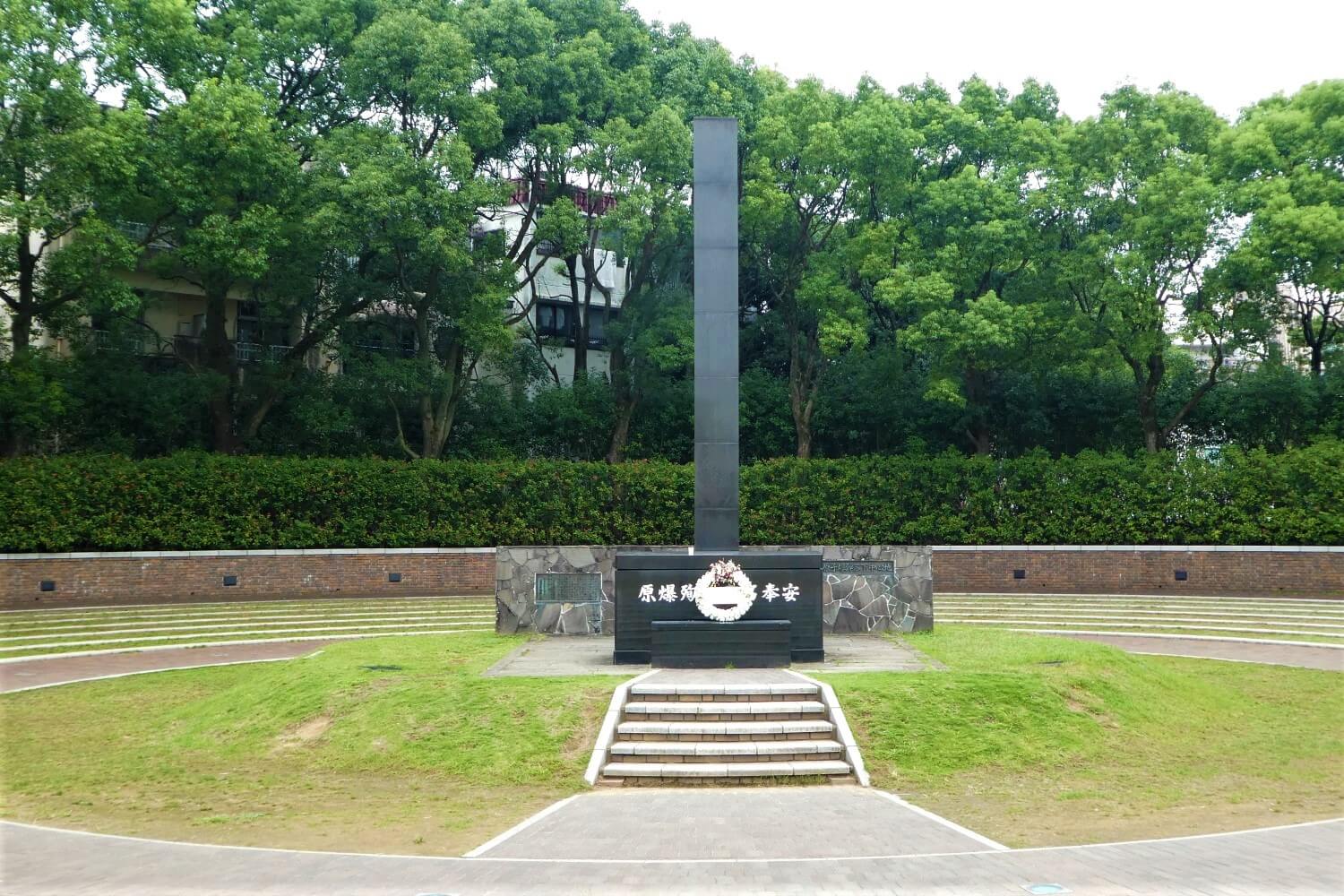
3. The Nagasaki Peace Park
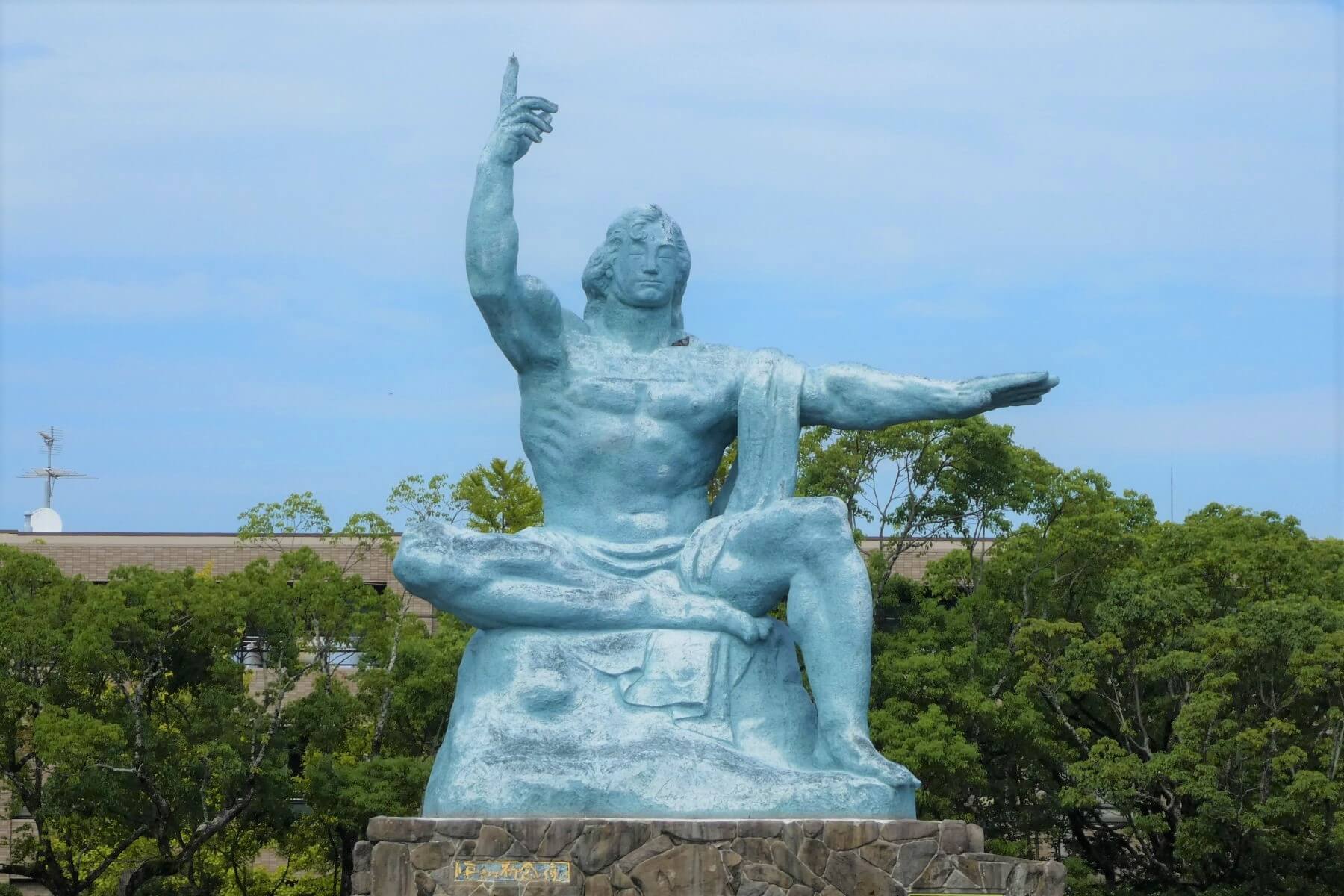
A few years after the terrible event of the atomic bomb, the city government decided to build a park to commemorate the victims. This is now known as the Peace Park. Here you will find a lot of sculptures that different countries around the world, including the Netherlands, have donated to the city. They are mainly monuments that can be seen as symbols of peace. In addition, outside the school vacations, you will also find groups of children who impressively remember the victims of the atomic bomb.
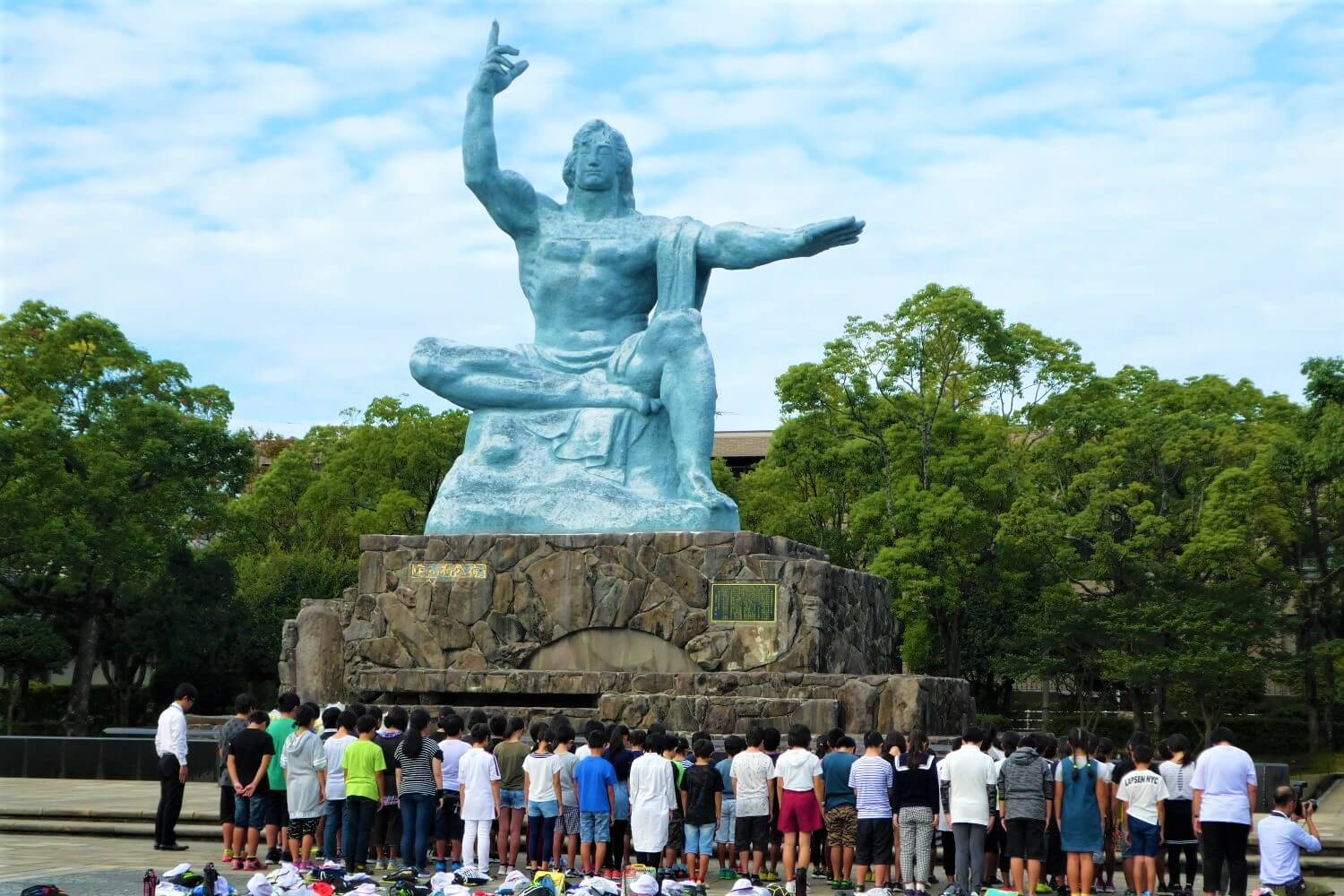
4. Takashi Nagai Memorial Museum: Museum of a local hero
Dr. Nagai Takashi (1908-1951) was a physician specialized in radiology. In June 1945 he was diagnosed with leukemia and had only 3 years to live. His disease was not caused by the atomic bomb, but by the poor conditions and exposure to radioactive radiation in the hospital he worked. On August 11, 1945, he discovered that his house had been completely destroyed and his wife had not survived the bombing. He devoted the rest of his life to helping victims and writing books. The museum is fairly small, but locals like it when you come to take a look. In the library upstairs it is possible to watch a video (English).
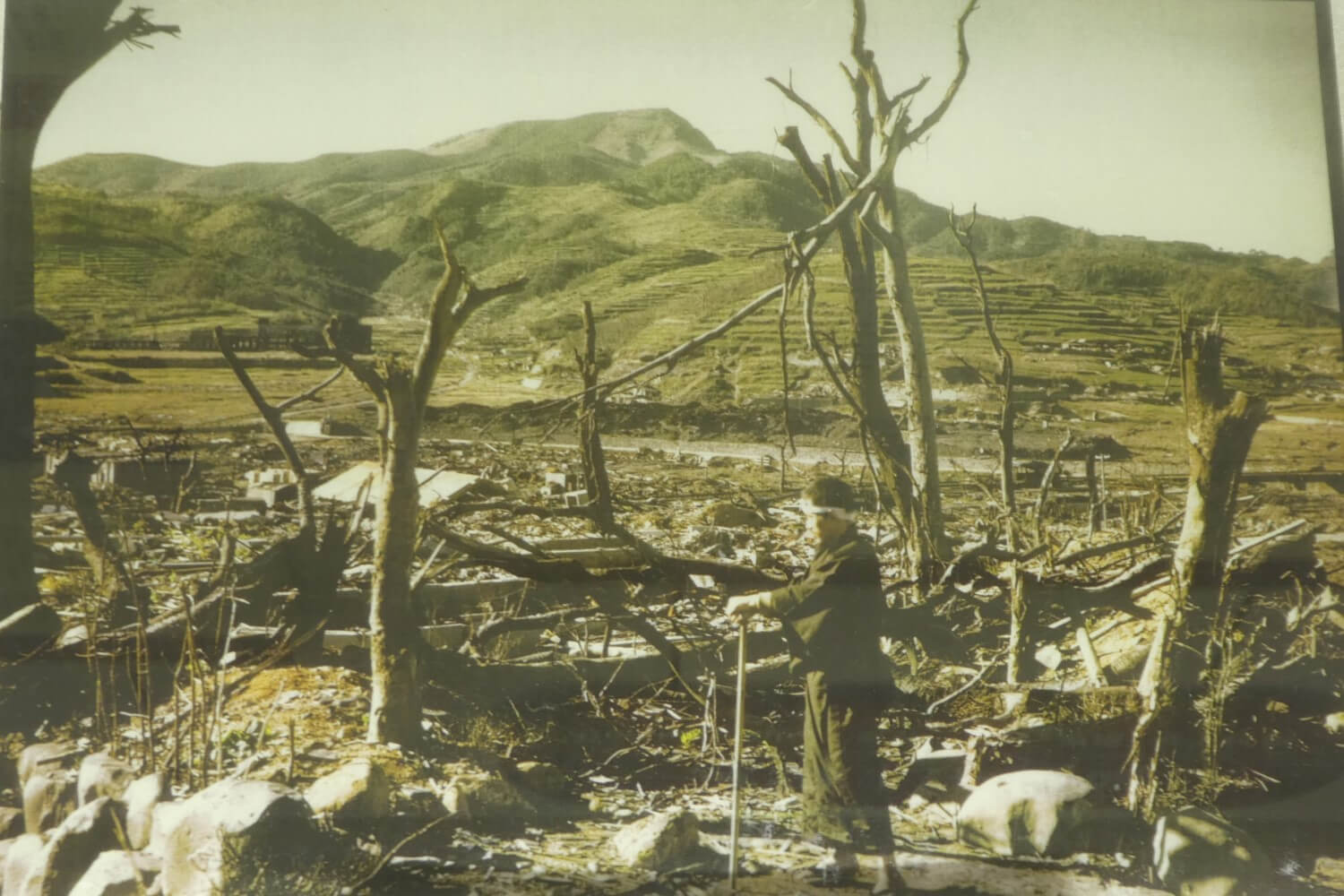
5. Urakami Cathedral, once the largest church in Asia
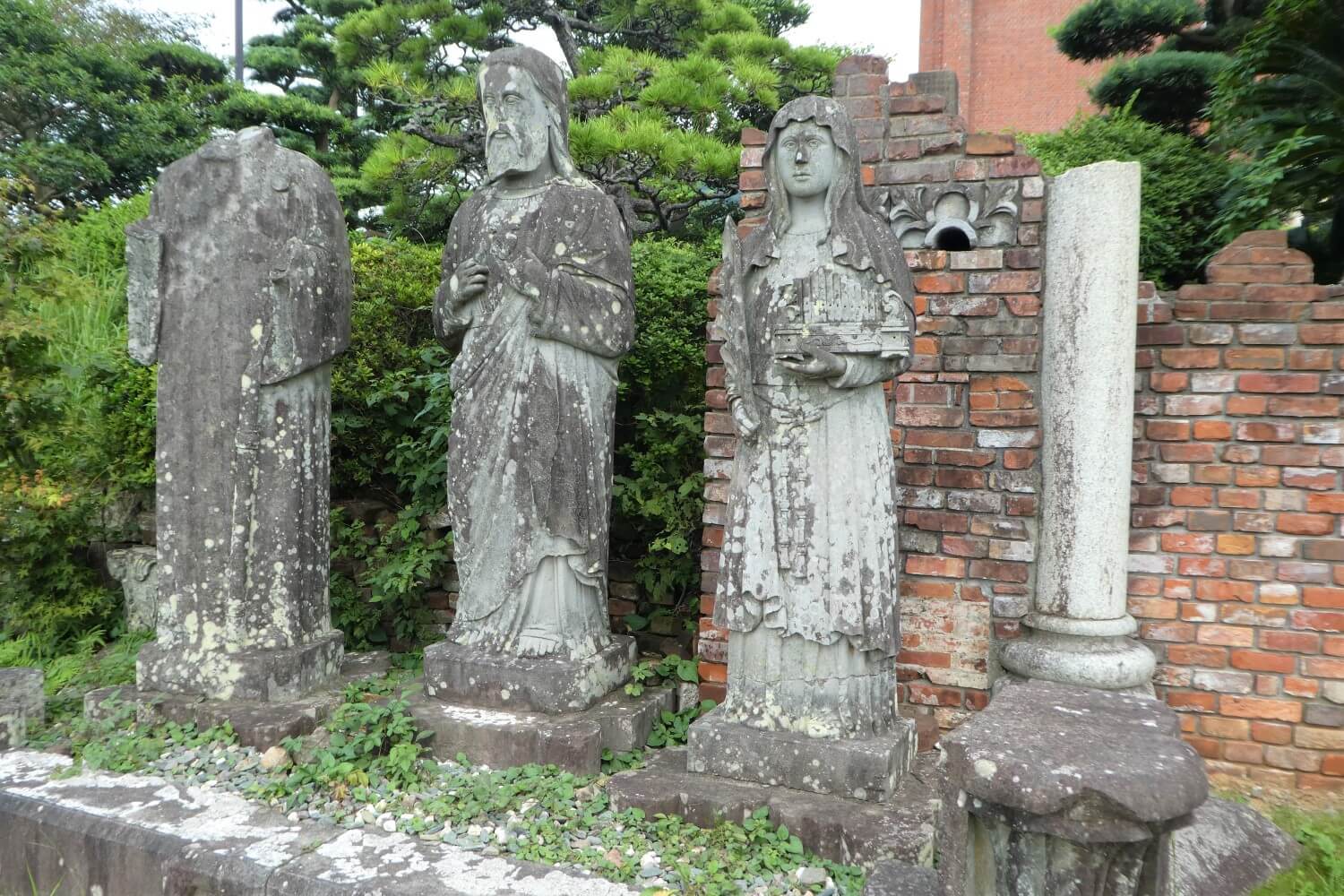
In 1895, the Urakami Cathedral was built. By now the Christian faith was no longer forbidden under the new Emperor Meiji. Especially at the beginning of the 20th century, more and more people visited the cathedral and it was among the largest in Asia. It was located 500 meters from the hypocenter and after the explosion, the church was razed to the ground. Only a few statues standing outside were left in good condition. In 1958 the Urakami Cathedral was rebuilt, larger than it was before.
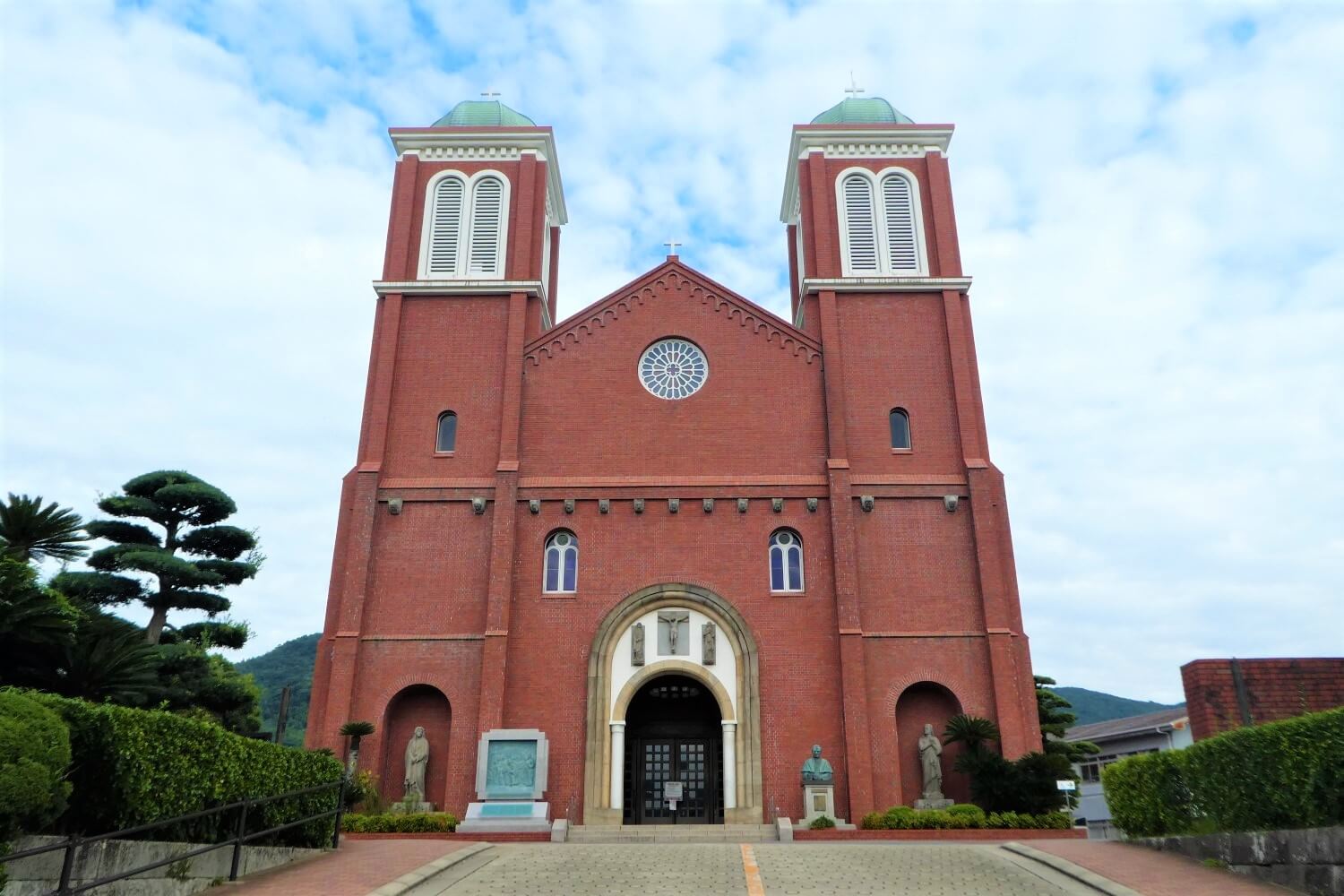
6. Shiroyama Elementary School – Memorial and Museum
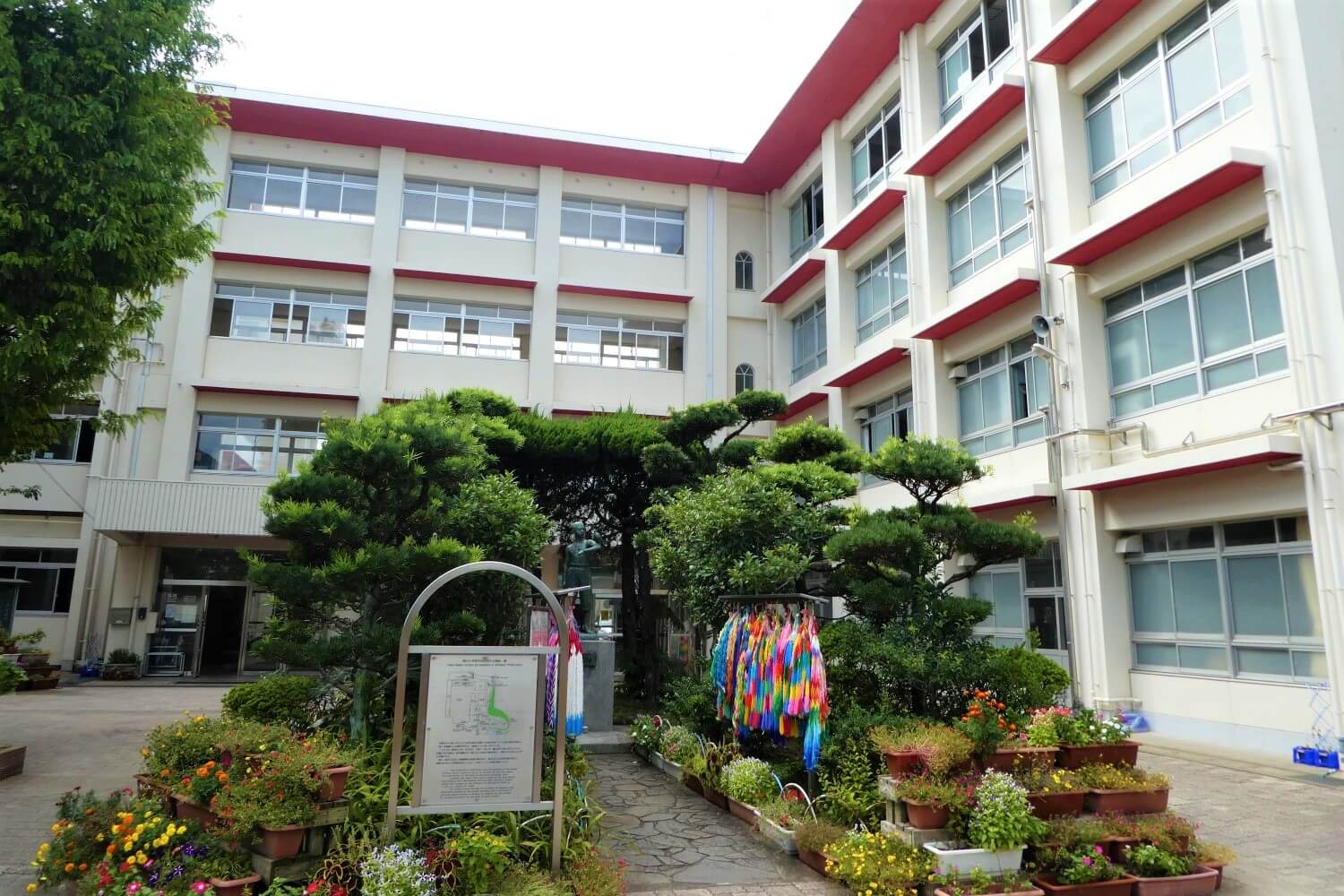
The remarkable thing about Shiroyama Elementary School is that a small part of the original building survived the blast. The sad news is that 1,400 of the 1,550 students lost their lives. Now you can visit this small museum located in the school building that survived the explosion.
Nowadays there is a new school building here and at the entrance, there is a statue where every child makes a bow upon arrival. It may be strange, but around the schoolyard, you will find more statues commemorating the 1,400 victims. So it is permissible to come and take a look here. The same goes for the last sight.
7. Yamazato Primary School – Museum and bunkers
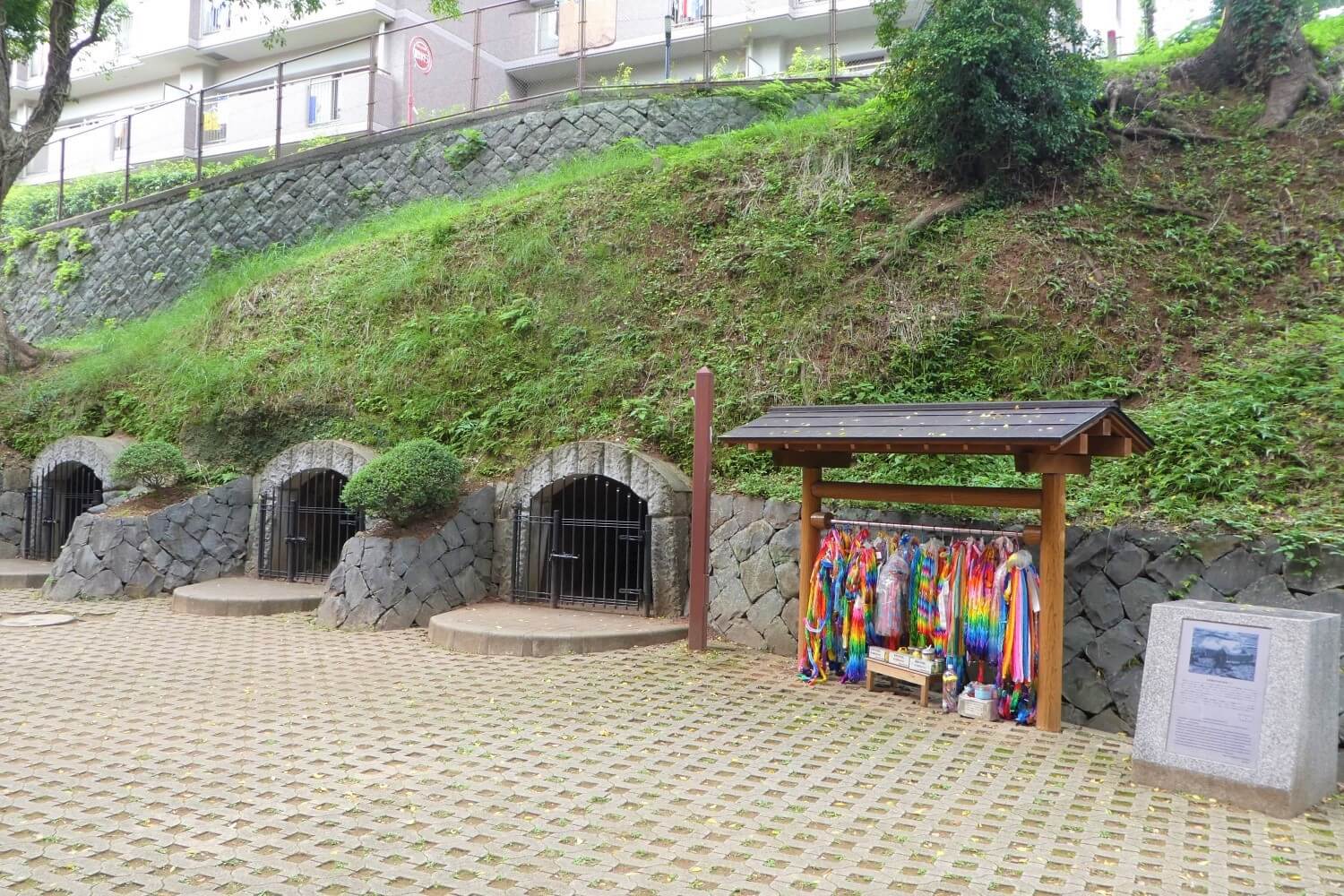
Finally, pay a visit to the Yamazato Primary School. Here you will also find a small museum with information about the past of the school, but also a few historic bunkers. The special thing about these bunkers is that 3 teachers survived the atomic bomb because they could take shelter there just before the explosion. At that time they were busy building the bunkers. The hypocenter is about 700 meters away from this school.
Practical information about your visit
If you would like to visit Nagasaki, don’t skip the sights mentioned above. The epicenter where the atomic bomb fell is located about 2 kilometers north of the city’s main railway station, JR Nagasaki Station. Within half an hour you can walk north (compass!) where you can find these historical sites. It is also possible to take tram 1 & 3 and get off at the Atomic Bomb Museum. Looking for accommodation in Nagasaki? Take a look here for more options.
Nagasaki is a nice place to visit for at least 2 full days. Do you need more ideas for sightseeing? Go to the small old Island of Dejima or take a look at a beautiful place called Glover Garden for a beautiful view of Nagasaki Bay. If you have time to visit a Theme Park, go to Huis ten Bosch to explore this amazing park near Sasebo.
If you ever plan to visit these places or have already visited them, feel free to leave a message below with your findings and any tips and comments you may have.
