Rattenberg is a very small town in the state of Tyrol in Austria. It is also called the cultural heart of the Alpbachtal. This medieval town has about 400 inhabitants, consists of one shopping street and did you know it is possible to spend a whole day here? How exactly? For people who love culture and history, Rattenberg is a paradise and a nice alternative to the many hikes in the beautiful Austrian mountains.
Are you looking for history, local crafts, special architecture, interesting museums, and good food? In this historical travel guide to Rattenberg, you will read all about it….
*This article is also available in Dutch (Rattenberg Reisgids)

In this Travel Guide to Rattenberg
- A brief history to Rattenberg
- Sightseeing – 5 interesting things to see & do
- Explore the Medieval Castle and enjoy the views
- Visit Glassworks Kisslinger
- Discover history in the Augustiner Museum
- Explore Crafts Museum Nagelschmiedhäuser
- Eat a delicious pastry at café-konditorei Hacker
- Accommodation – Where to stay in medieval Rattenberg?
- Transport – How to get there?
Useful websites Rattenberg, Alpbachtal & Austria
- Accommodation Rattenberg & Alpbachtal: Booking
- Flight Tickets Austria: Jetradar
- Train Tickets Austria: Trainline.com
- Rental Car: Rental Cars
This Travel Guide to Rattenberg contains affiliate links. This means that if you make a booking through one of the links on this website, Travel4history receives a small compensation. This is at no extra cost to you!
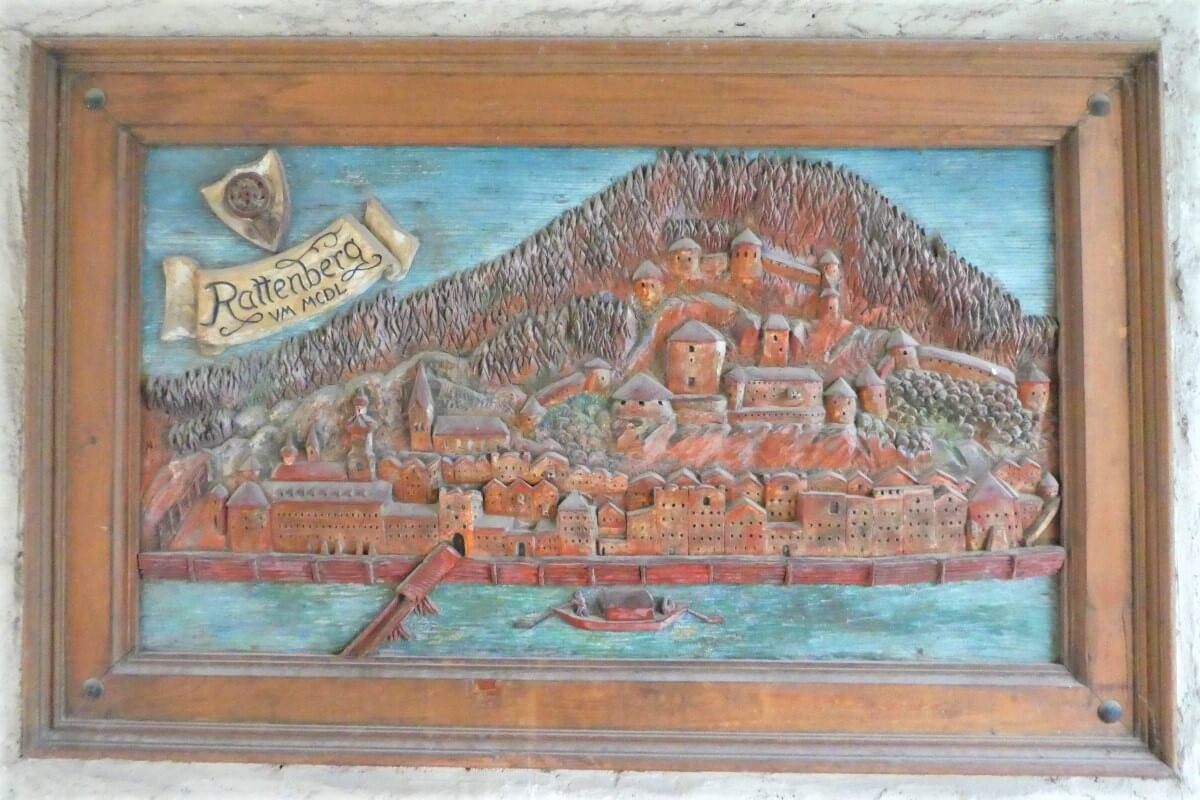
A brief History to Rattenberg
The name Rattenberg sounds like a town from a fairy tale. But the name is simply a reference to the noble family that ruled this area around 1000 AD, the Raptons. In fact, officially Rattenberg means Mountain of Rato. The first time that Rattenberg appeared in historical sources was in the year 1254 and more than a century later it officially received city rights. This occurred in 1393 and you will probably encounter this year a few times during a walk through the town …
Since 1783, Rattenberg belongs permanently to Tyrol when the powerful Emperor Franz II of the Habsburg Empire decided so. But it was not that obvious. In 1254 Rattenberg was part of the Duchy of Bavaria. Okay, who then lent it back temporarily to various noble families, but in 1504 things went wrong. A war between the County of Tyrol and the Duchy of Bavaria resulted in a victory for the Tyroleans. They also fought a war in the eighteenth century, until Emperor Franz II gave the final decision….
Today, Rattenberg is best known as the city of glassworks. But this was a craft that only emerged here in the nineteenth century. Prior to that, Rattenberg mainly earned money as a customs post on the border with Bavaria and Tyrol. And that gave Rattenberg quite a lot of wealth!
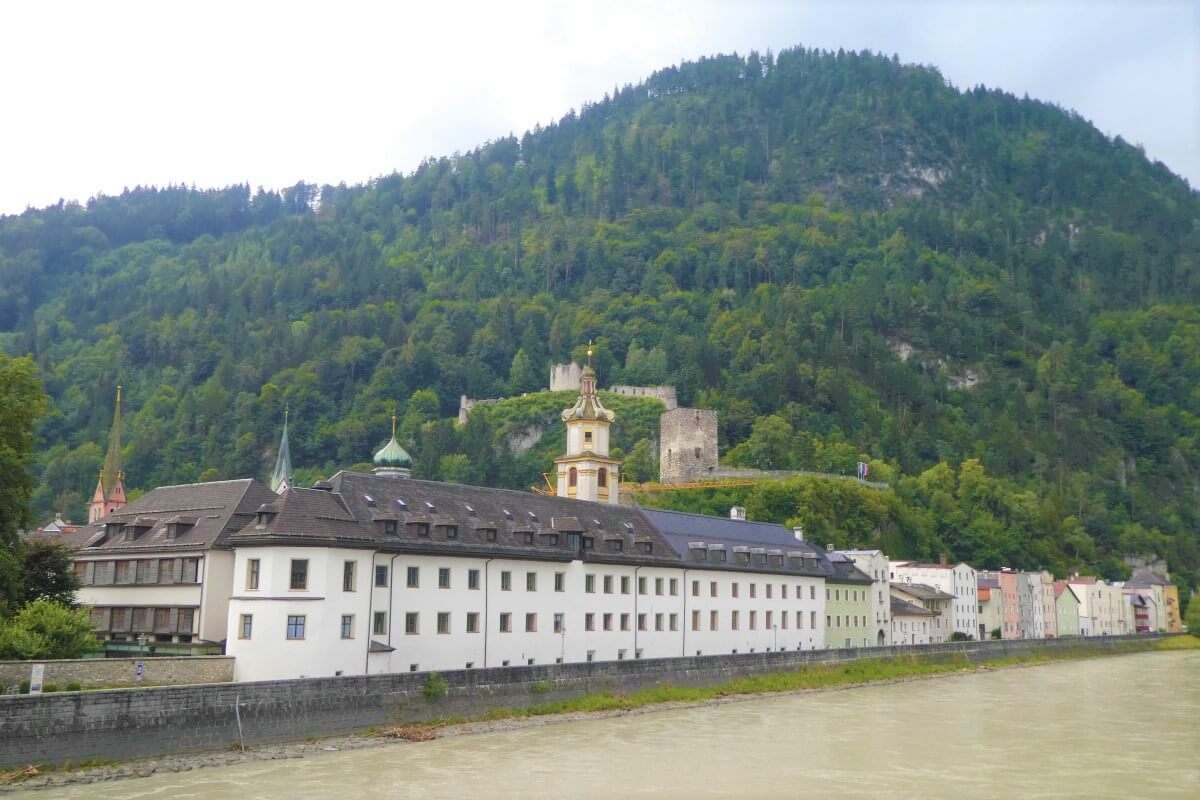
Sightseeing – 5 special places of interest and full of history
Rattenberg is great to visit all year round. In the month of December, one of the most traditional Christmas markets in Austria takes place. All the lights go out, the candle lights are lit, and that gives a particularly romantic atmosphere in the town. For this Christmas market, you pay a small entrance fee.
Wondering what else you can see and do in Rattenberg? Below you will find 5 historical sights that sum up the history of Rattenberg well…
Alpbachtal Card: Rattenberg is part of the Alpbachtal region. Those who stay here for one or more days get a free guest card. This allows you to travel in cable cars and by bus free of charge. You can also go to museums for free and get discounts on souvenirs. For more information, visit the website of Alpbachtal.at

1. View the surroundings from the historic castle of Rattenberg
Those who drive towards Rattenberg can certainly not miss the ruins on the mountain. The oldest stones of this castle date back to the eleventh century. The castle served as a guard of the border between Bavaria and Tyrol. Although it managed to overcome many battles, it went wrong during the last war in the 18th century. There was not much left of the castle.
The ruins consist of 2 parts and are both accessible on foot with a short walk. For the best view, go to the high ruin, the Oberburg. This walk takes about 30 minutes. But most people opt for a short walk to the plateau near the Biener Tower. From here you also have an excellent view of the surrounding area.

The little story of the beheading of Wilhelm Biener in 1651
Wilhelm Biener (1590-1651) was a lawyer and was appointed Chancellor of Tyrol in 1638 by Claudia di Medici (1604-1648), Regent of the province. He made himself unpopular by cracking down on corruption and malpractice of the nobility. When Claudia die Medici died and her ‘weak’ son Ferdinand Karl (1628-1662) became archduke, the nobility seized her chance.
She took Biener to court and before the archduke could intervene it was already too late. Biener was beheaded in the castle of Rattenberg. The big tower where it happened is still there, his head has been neatly tidied up centuries ago…
Would you like to visit the Burgruïne?
Opening hours: no specific opening hours
Entrance ticket: free

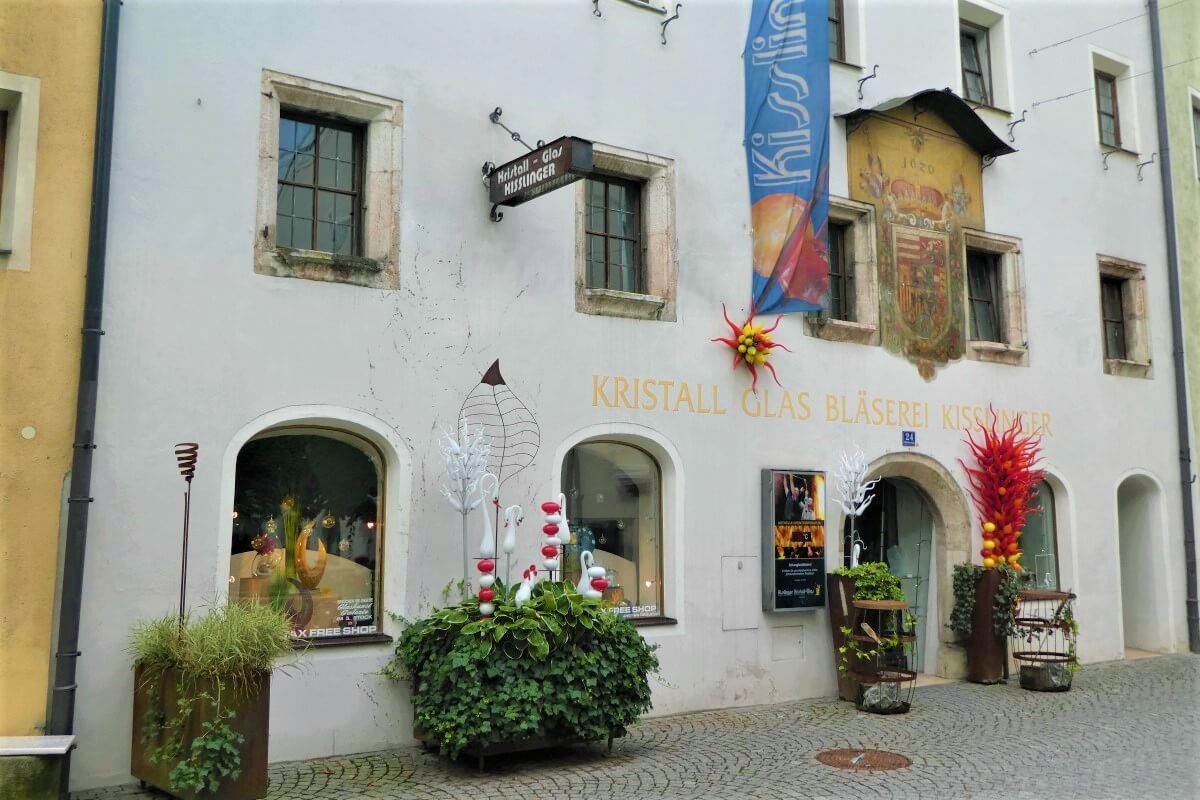
2. Visit Glassworks Kisslinger in the heart of Rattenberg
A small company specializing in glassworks was founded 400 years ago in neighboring Kramsach. But it was not until the nineteenth century that it became one of Rattenberg’s most important products. For almost two centuries, glassworks Kisslinger has been a household name in the town. More glassworks followed. Every day it is possible to visit the shop and see how all these beautiful products are made. There is a small exhibition and if you have succeeded a demonstration will be held for you. So taking a look is always worth it…
Would you like to visit the Kisslinger glassworks?
Opening hours: Monday to Friday from 09.30-17.00. Saturday from 09.30-16.00 hrs. Sunday from 10.00 to 16.00 hrs.
Entrance ticket: free
3. Faith and history in the Augustiner Museum
The Augustinian Museum has been housed in an old monastery since 1993. From 1384 to 1971, the Augustinians who lived in the monastery complied with the rules of Augustine of Hippo (354-430). On the basis of his philosophy, the Augustinians pursue an inner harmony with God.
Anyone who is a believer should definitely take a look at this museum. But also among non-believers, this museum is very popular. Here you will find art treasures from nine centuries of history, from masterpieces from Romanticism and Gothic to religious artifacts and statues.
Would you like to visit the Augustiner Museum?
Opening Hours: Open from May 1 to October 26. Every day from 10.00 to 17.00.
Entrance ticket: Free with the Alpbachtal Card, otherwise € 5 pp.
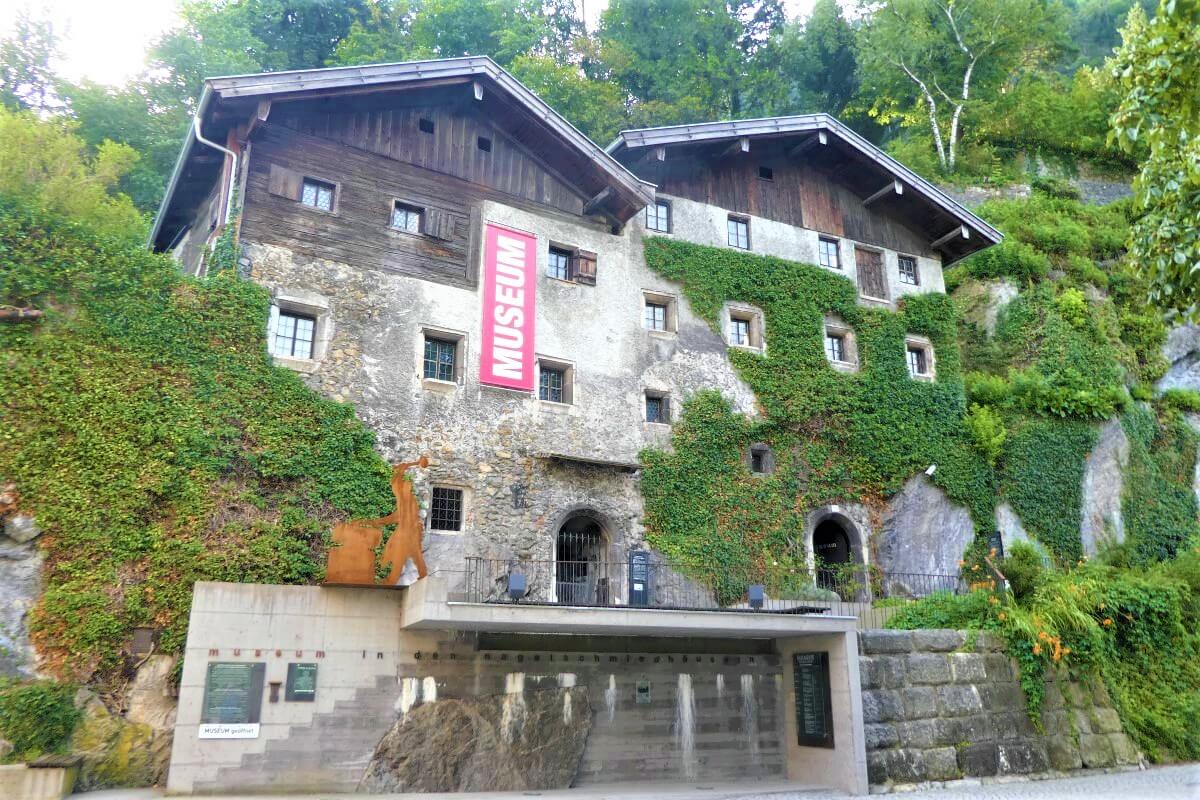
4. Crafts Museum Nagelschmiedhäuser
A special museum is the Handicrafts Museum Nagelschmiedhäuser. These houses were probably largely carved into rock under the castle and it is thought that this happened in the 12th century AD. In the Middle Ages, these houses were home to nail makers. Nowadays it is a museum about the history of Rattenberg. Entrance to the museum costs 6 euros per person.
Would you like to have a nice souvenir and you think all the glassware is too expensive? Then take a look in the Genusswelt shop next to the museum and enjoy one of the many delicacies from this region.
Would you like to visit Museum in den Nagelschmiedhäusern?
Opening Hours: Between May and October open from 09.00 to 18.00. Further different times per month. Closed between the end of January and the end of May.
Entrance ticket: 4 Euros per person, not included in the Alpbachtal Card.
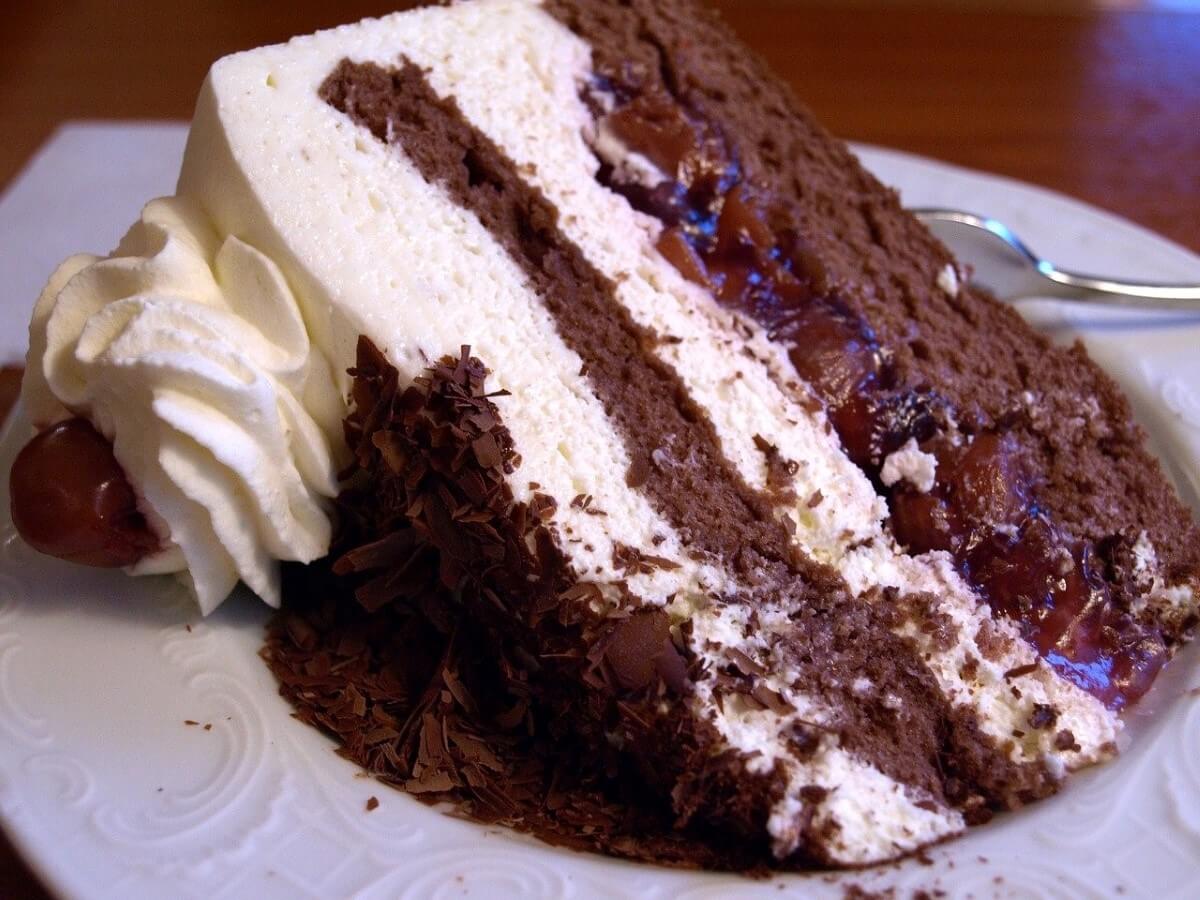
5. Eat a delicious pastry at café-konditorei Hacker
Time for cake? Then in Austria, you are always good at a konditorei. And in Rattenberg, coincidentally, at the Hacker Café-Konditorei. It started in 1774 as a small shop for the Austrian variant of Lebkuchen, a honey-sweetened biscuit that is very popular these days, especially at Christmas. In the 19th century, it developed into a coffee house.
For seven generations the recipes have been passed on to the new generation and you can taste them. With more than 40 different types of cake, the choice is therefore overwhelming. An ideal start to your day and/or a great way to end the day?
Would you like to visit Café-Konditorei Hacker?
Opening Hours: Every day from 08.00 to 18.00. Closed on Mondays.
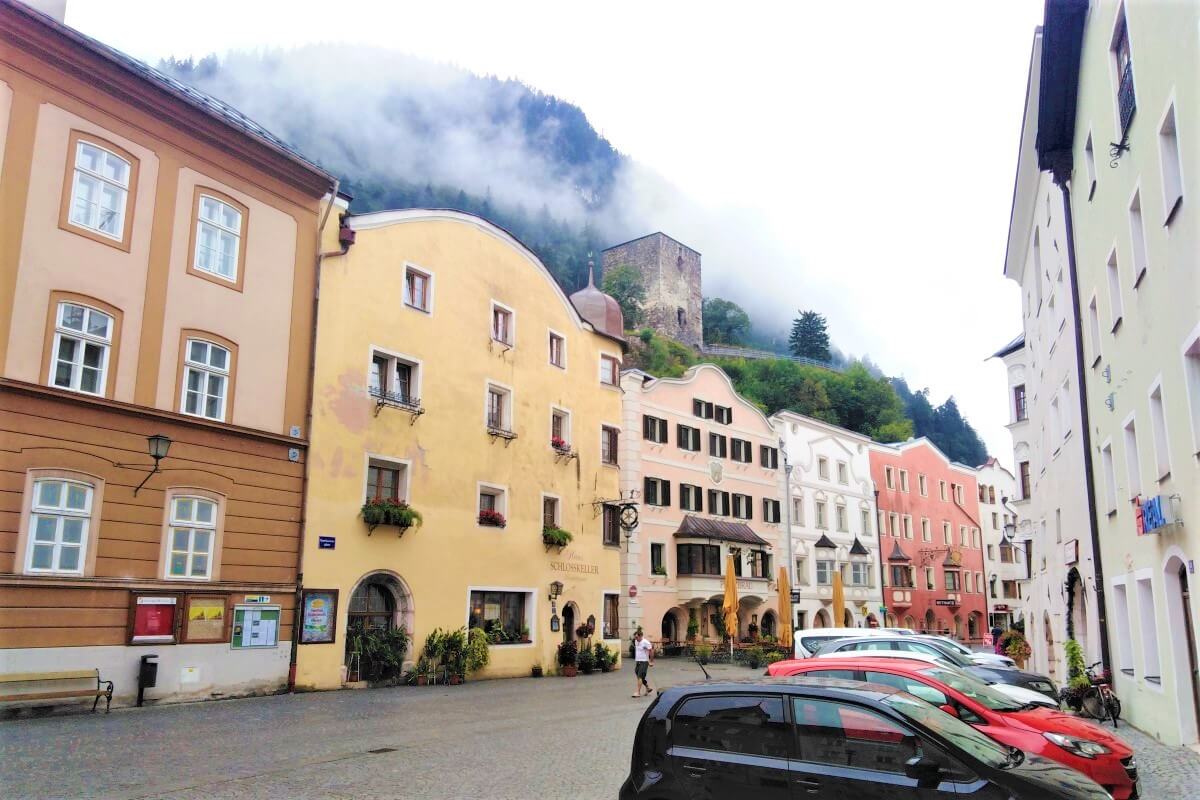
Accommodation – Spending the night in Rattenberg?
How many hotels would a city of just over 400 inhabitants have? To be honest, there is only one: Haus Schlosskeller. This hotel is situated on the Südtirolerstrasse, the ‘only’ and ‘busiest’ street of the town. The property has existed since 1592 and has been owned by the same family since 1915.
If you stay overnight in Haus Schlosskeller in Rattenberg you will receive the Alpbachtal Card (winter and summer) free of charge with all nice advantages. But if you don’t want to be in the cultural heart of Alpbach, there is plenty of other accommodation to book.
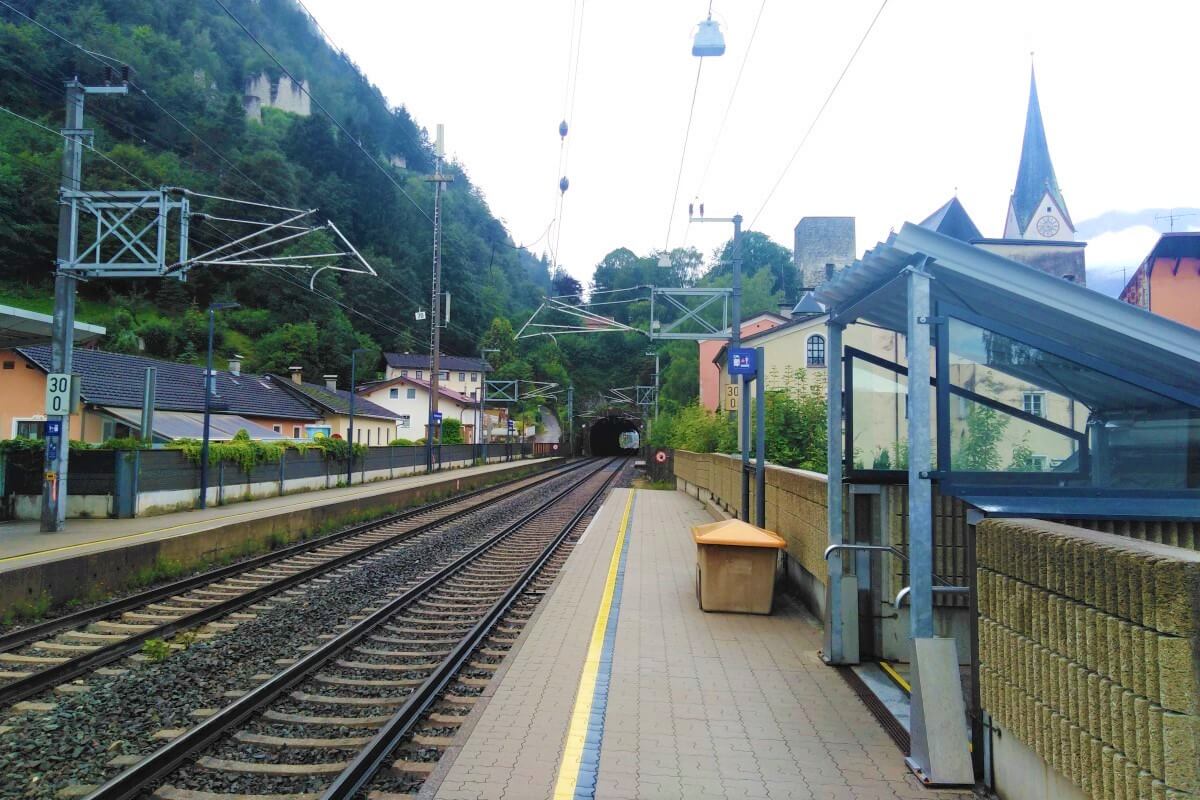
Transport – How to get to Rattenberg?
Rattenberg is the cultural heart of the Alpbach valley. It can be reached in different ways.
Car: It is close to the A12 which runs from Kufstein to Innsbruck. Both on the east and west side you will find a large car park where you can leave your car. Free parking is at P3 and P4.
Train: Rattenberg has a small train station (Rattenberg-Kramsach) which is located directly at the gate of the town. From Wörgl and Innsbruck, there is a train twice an hour. From Wörgl it is less than 10 minutes by train and from Innsbruck, it takes about 50 minutes. Click here for train tickets.
By plane: The nearest airport is Flughafen Innsbruck-Kranebitten.
Do you have more tips, ideas, or remarks about this travel guide to Rattenberg, Austria? Feel free to leave a message below.
