
Veurne (French: Furnes) is one of the most authentic historic towns in West Flanders, a place where time seems to stand still. The city blends a rich medieval past with beautifully preserved heritage and atmospheric squares. With its unique mix of architecture, traditions, and wartime history, Veurne attracts countless culture lovers each year. Every street reveals hidden chapters of Flemish and European history. Below, discover 9 fascinating historical facts that shed light on the town as it stands today.
Table of Contents: 9 Historical Facts About Veurne
1. The Town Hall of Veurne is a Flemish Renaissance gem
Built in the 17th century, Veurne’s Town Hall is one of the most stunning examples of Flemish Renaissance architecture. Together with the adjacent Landshuis, it forms the historic heart of the city. Inside, richly decorated rooms recall the days when magistrates and aldermen governed the region. Outside, the elegant stepped gables and refined ornaments immediately draw the eye.
The Town Hall reflects the prosperity Veurne enjoyed during the era of the Penitents’ Processions (17th century). Today, it remains an architectural highlight for anyone exploring the history of the Westhoek region.
Reading tip: Curious to learn more about this remarkable building? Read the article Town Hall of Veurne: Where King Albert I Made His Wartime Decisions.

2. The Penitents’ Procession has taken place annually since 1646
The Penitents’ Processions (Boetprocessies) originated in the 17th century, when Veurne was struck by war and plague. Locals walked through the streets in acts of penance, praying for protection and deliverance. Ever since, “penitents” dressed in modest garments and carrying traditional attributes have paraded through Veurne’s historic streets each year. This impressive event takes place on the last Sunday of July, when the entire town is steeped in devotion and tradition. Its deep symbolic meaning has made the procession one of the most iconic attractions in the Westhoek.
3. The Grote Markt is one of the best-preserved historic squares in Belgium
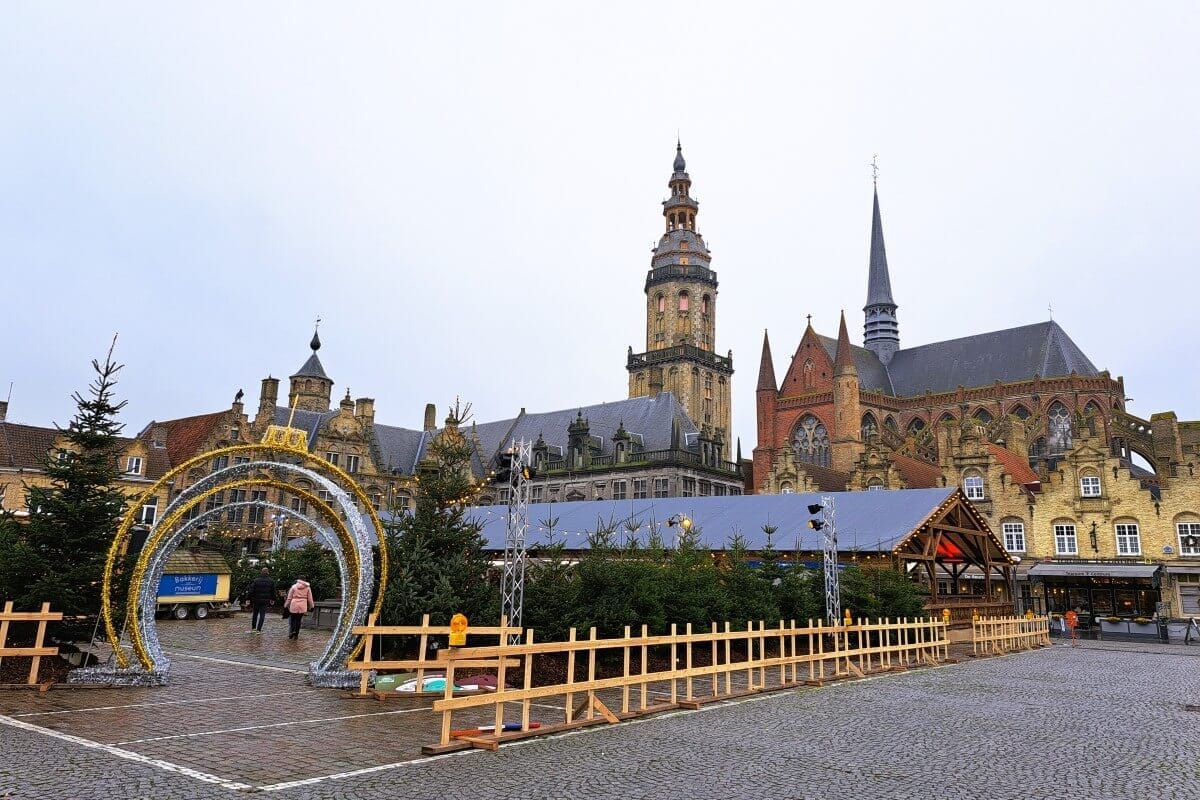
Veurne’s Grote Markt is renowned as one of the best-preserved squares in Belgium, thanks to its striking architectural harmony. Renaissance and Baroque façades, nearly unchanged since the 17th century, surround the square and create a picture-perfect setting.
Landmarks such as the Town Hall and the Landshuis reveal the city’s rich administrative and political heritage. Today, visitors enjoy lively cafés and terraces with views of these magnificent historic buildings—making the Grote Markt the ideal starting point for exploring Veurne’s old town.
4. St. Walburga Church dates back to the 12th century
The church began as a Romanesque structure before evolving into a Gothic masterpiece through centuries of renovations. This layered history has created a unique blend of architectural styles. Inside, visitors will find valuable artworks including altarpieces and a magnificent historic organ. St. Walburga Church played a central role in Veurne’s religious and social life for centuries. Its striking tower remains one of the defining silhouettes of the city.
Reading tip: Want to learn more? Read St. Walburga Church in Veurne: A Gothic Masterpiece in the Heart of the Westhoek.

5. The Spanish Pavilion recalls the era of the Spanish Netherlands (1556–1715)
The Spanish Pavilion is a remarkable historic building that reflects the period when this region belonged to the vast Habsburg Empire. It serves as a tangible reminder of centuries marked by political tension, war, and cultural exchange. Visitors can explore how Spanish influence shaped governance, architecture, and everyday life in Veurne.
Reading tip: Interested in Spanish heritage in Veurne? See Spanish Pavilion in Veurne: A 16th-Century Defensive Monument Full of Spanish History.
6. Veurne played a crucial role in the First World War (1914–1918)
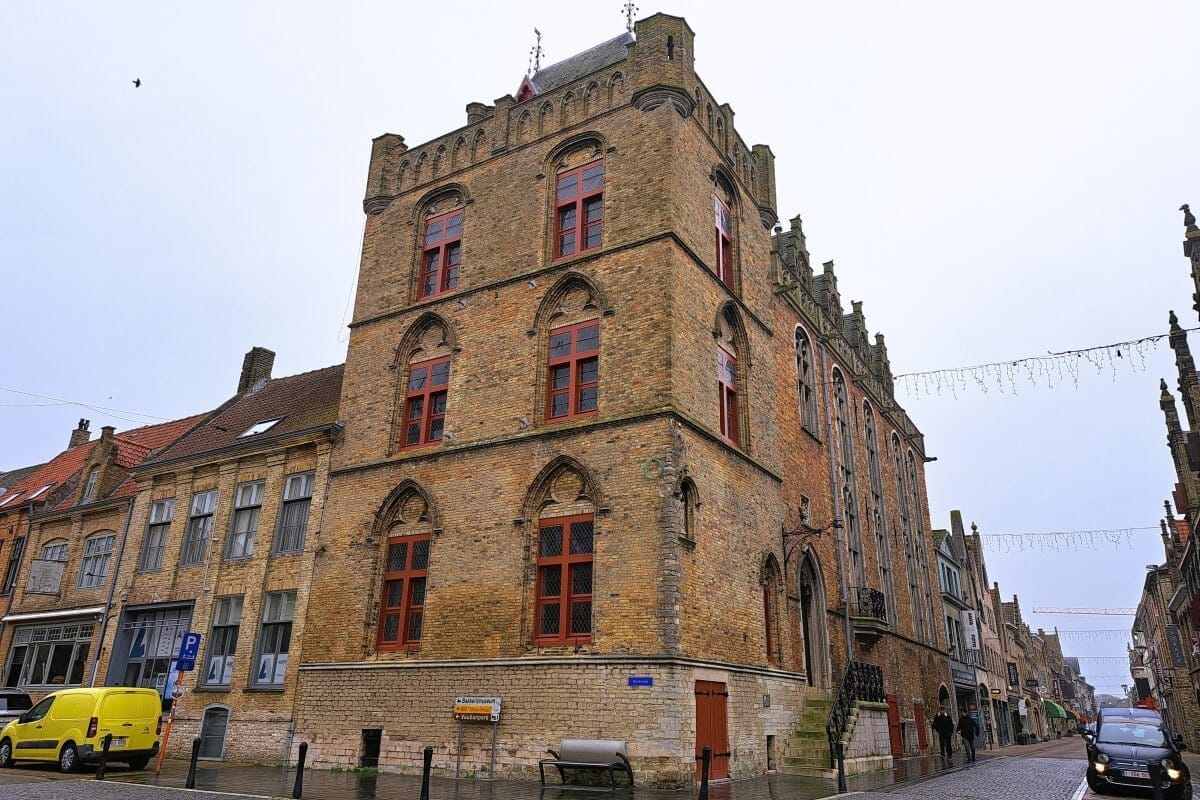
During WWI, Veurne became an indispensable support centre behind the frontline. The town served as the Belgian Army’s headquarters and was the site of major strategic decisions. Many monuments and buildings still reflect this extraordinary wartime period.
Did you know Veurne briefly acted as the capital of Belgium? A walk through the town reveals a unique blend of military heritage and timeless atmosphere.
7. The Kasselrij Veurne-Ambacht was a powerful administrative region for centuries
The kasselrij governed a vast area that extended far beyond the city limits. It handled military, judicial, and administrative matters, with Veurne acting as the capital of this medieval jurisdiction. Thanks to detailed historic records, historians today have excellent insights into daily life in the region. The kasselrij was essential to Veurne’s prosperity and political importance.

Bron: Rijksmuseum, public domain, Print also used in: Sanderus, Antonius. Flandria Illustrata
8. The Vauban fortifications illustrate France’s military influence on Veurne
In the 17th century, Veurne became part of a defensive network designed by Sébastien Le Prestre de Vauban (1633–1707), the famed French military engineer. Although much of the fortification system has disappeared, remnants and historical maps survive—especially around the Vauban Park.
These structures were part of a broader strategy to protect France’s borders and highlight Veurne’s significance within European power struggles.

Source: Rijksmuseum, public domain, 1702/1703, print
9. Will Tura: Veurne’s greatest musical icon
Will Tura, born Arthur Blanckaert in 1940, became one of Belgium’s most beloved artists. Known as the “Emperor of Flemish Song,” he released hundreds of tracks and enjoyed a long, influential career.
His legacy put Veurne on the cultural map, and the city proudly displays several tributes to his life and work, securing his place as an important figure in local heritage.
Reading tip: Curious about what you can do in Veurne? You can read all about it in the article Top 8 Attractions in Veurne – Must-See Highlights!

Plan Your Trip to Veurne & Belgium
Accommodation?
Veurne is an excellent base for exploring West Flanders and the Belgian coast.
Book your hotel or guesthouse here!
Tickets & Tours?
Highlights include the Town Hall, Landhuis, and medieval churches. From Veurne, you can also visit Bruges, Dunkirk, and Ostend.
Check here for the best tours and tickets in West Flanders.
Getting There by Public transport?
Exploring West Flanders by public transport? Veurne has a train station and is easily accessible via Ghent or Bruges.
Book train tickets via the NMBS website (Belgian Railway Company)
Car Rental?
Do you want to hire a car for travelling around Belgium?
Find and book here you Car Rental.
Have tips, ideas, or feedback about these 9 historical facts about Veurne? Leave a comment below!
Return to:
