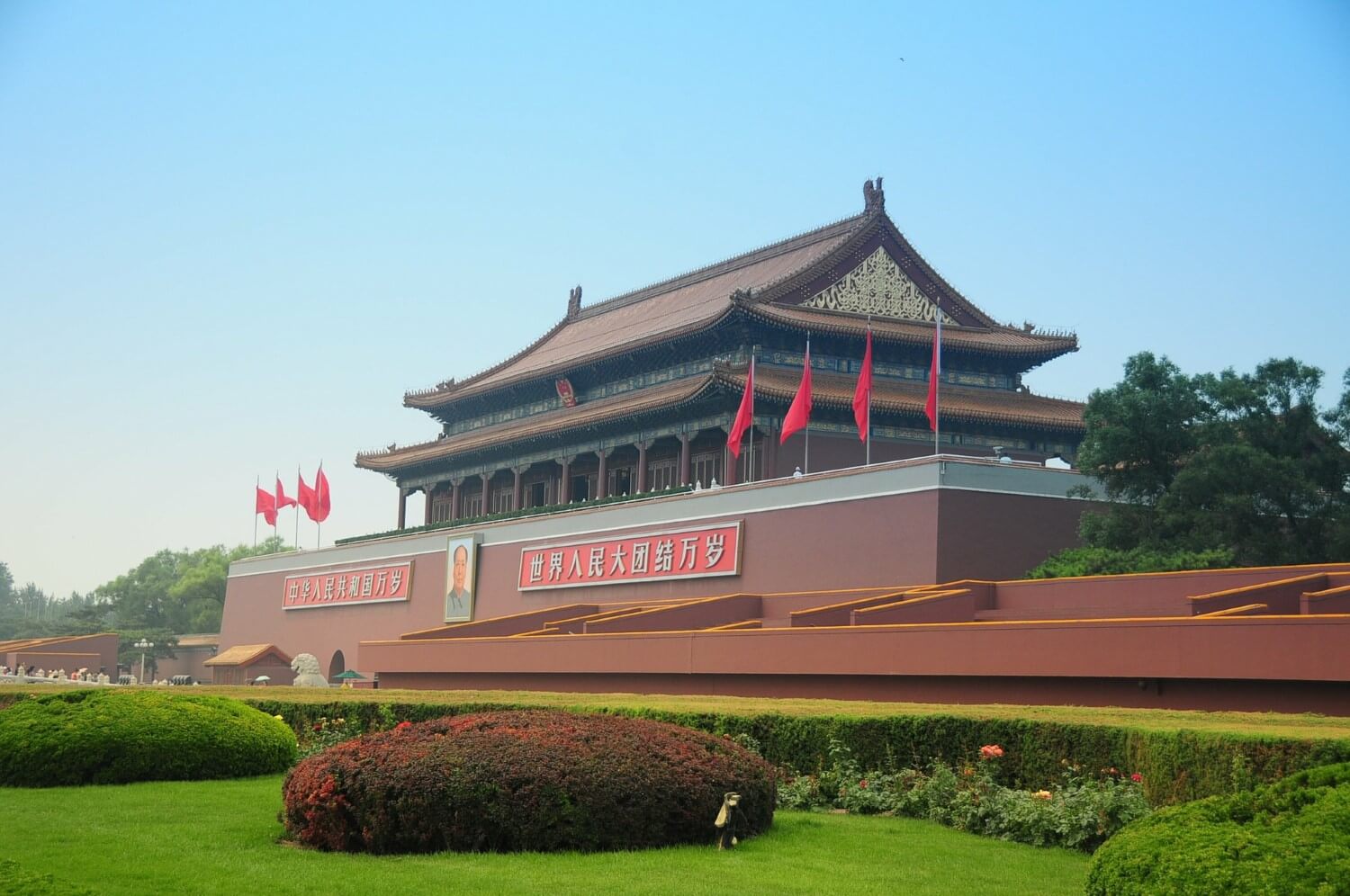
Beijing
Where imperial palaces, ancient alleyways and the Great Wall tell the story of China
Explore Beijing through the Forbidden City, ceremonial temples, courtyard neighbourhoods and imperial gardens. From the capital’s historic central axis to the mountains of the Great Wall, discover a city shaped by centuries of power, ritual and everyday life.
INTRODUCTION
Introduction
Beijing brings together the monumental and the intimate: vast palace courtyards stand beside narrow hutongs, while imperial gardens offer a quieter counterpoint to the modern capital. Its historic centre is best understood as a planned landscape of government, ceremony and daily life.
The Forbidden City, Temple of Heaven and Summer Palace reveal different dimensions of imperial rule. Beyond them, the Drum and Bell Towers, lakeside neighbourhoods and nearby Great Wall connect the history of the court with the wider city and its northern frontier.
WHY VISIT
Why Visit Beijing?
Beijing is a rewarding destination for travellers interested in Chinese history, architecture and culture. Allow several days to combine the major monuments with neighbourhood walks, local food and a full-day excursion to the Great Wall.
01
The Forbidden City & Imperial Power
Walk through successive gates and courtyards to see how architecture expressed hierarchy at the heart of the Ming and Qing court. The Palace Museum adds collections and exhibitions to the experience of the imperial residence itself.
02
Temples, Ritual & the Central Axis
At the Temple of Heaven, imperial ceremony connected political authority with prayers for good harvests. The city’s central axis links palaces, gates, towers and ceremonial spaces into a wider story of how the capital was organised.
03
Hutongs & Everyday Beijing
Explore the lanes around Shichahai and the Drum Tower for a different scale of history. Courtyard houses, small shops and neighbourhood eateries reveal the city beyond the imperial walls. Respect residents’ privacy and avoid entering private courtyards.
04
Imperial Gardens & the Great Wall
The Summer Palace offers lakeside walks and garden architecture, while a day trip to Mutianyu takes you into the mountains. Together they broaden a Beijing visit beyond the historic centre.
HISTORY
A Short History of Beijing
Beijing’s importance as a capital predates the Ming dynasty. Under the Yuan, the city was known as Dadu and served as the capital of Kublai Khan’s empire. Later rulers reshaped this northern centre into a seat of imperial government.
Under the Ming Yongle emperor, the Forbidden City and the original Temple of Heaven complex were completed in 1420. The Qing continued to use and adapt the capital, developing palace collections, temples and garden landscapes that remain central to a visit today.
Imperial rule ended in the early twentieth century, and the People’s Republic of China was proclaimed in Beijing in 1949. Modern avenues and new districts transformed the city, while the surviving historic central axis preserves an older vision of order and authority.
KEY HISTORICAL MOMENT
1420
The completion of the Forbidden City and the original Temple of Heaven complex in 1420 established two enduring landmarks of Ming Beijing. One housed the imperial court; the other provided a setting for rituals linking the emperor, heaven and the agricultural year.
TOP SIGHTS
Top Sights in Beijing
Start with the imperial centre, then leave time for temples, gardens and neighbourhoods. The Great Wall requires its own day: it is outside central Beijing and should not be squeezed between city attractions.
1
The Forbidden City / Palace Museum
The former imperial palace is the essential starting point for understanding Beijing. Allow at least half a day for its gates, ceremonial halls and selected galleries. Book through the official Palace Museum channels with your passport details; there are no same-day ticket sales. It normally closes on Mondays, with holiday exceptions.
2
Temple of Heaven
The Hall of Prayer for Good Harvests, Circular Mound Altar and surrounding ceremonial spaces show the importance of ritual in imperial government. Visit the park early to experience its everyday social life, and check which monuments are included in your chosen ticket.
3
Summer Palace
Set around Kunming Lake and Longevity Hill, this imperial garden combines waterside scenery, pavilions and covered walkways. Give it a generous half-day or more. The Summer Palace, Yiheyuan, is a different site from the nearby Old Summer Palace, Yuanmingyuan.
4
Jingshan Park
Immediately north of the Forbidden City, Jingshan offers an elevated view across the palace roofs and the city’s central axis. It is a natural continuation after leaving the Palace Museum, weather and visibility permitting.
5
Shichahai, the Hutongs & the Drum Tower
The lanes around the lakes and the Drum and Bell Towers are ideal for exploring on foot. Mix the livelier streets with quieter side lanes, remembering that many courtyard houses remain private homes.
6
Yonghe Temple / Lama Temple
This important Tibetan Buddhist temple introduces a different strand of Beijing’s religious history. Take time to appreciate the halls and devotional atmosphere, and follow signs on photography and visitor conduct.
7
The Great Wall at Mutianyu
The Ming-era Mutianyu section lies in the mountains northeast of the centre. Reserve a full day for transport and walking. Routes involve steps and steep gradients; check the separate prices and operating conditions of admission, shuttle and lift services before booking.
8
Beihai Park
An imperial garden centred on a lake and the island crowned by the White Dagoba, Beihai makes a calmer addition to the palace district. Combine it with nearby hutongs rather than treating every garden as a separate cross-city journey.
THINGS TO DO
Things to Do in Beijing
The best Beijing experiences alternate major monuments with slower walks and meals. Plan by neighbourhood, build in rest stops and resist filling every day with distant attractions.
Follow the Imperial Central Axis
Connect the Forbidden City, Jingshan and the Drum and Bell Tower area across more than one walk. Look for the repeated use of symmetry, gates and elevated viewpoints to understand the historic capital as a designed whole.
PLAN YOUR PALACE MUSEUM VISIT →
Walk the Hutongs & Lakes
Explore Shichahai and nearby lanes at a leisurely pace. Stop for tea or a simple meal, look for courtyard architecture and give residential streets the same consideration you would give a neighbourhood at home.
EXPLORE BEIJING’S HISTORIC DISTRICTS →
Taste Beijing’s Food Culture
Try Peking duck with pancakes and condiments, zhajiangmian noodles and a freshly cooked jianbing. Choose busy establishments, ask about ingredients if needed, and reserve ahead for a duck dinner when your itinerary is tight.
DISCOVER BEIJING FOOD & CULTURE →
Spend a Day at the Great Wall
Mutianyu is a practical choice for a first Great Wall excursion. Arrange return transport in advance, bring water and shoes with good grip, and choose a walking section that fits your fitness and the weather.
PLAN A MUTIANYU VISIT →
SUGGESTED ITINERARY
5 Days in Beijing
Five days give a first-time visitor space for the Forbidden City, temples, hutongs, Summer Palace and Great Wall. Treat this as a suggested route rather than a fixed schedule: move the palace day if it falls on a Monday and organise the trip around confirmed tickets.
DAY 1
The Forbidden City & Imperial Centre
MORNING
Start with your pre-booked Palace Museum visit. Enter through the designated visitor entrance and follow the south-to-north route through the main courtyards, leaving time for a gallery that matches your interests.
AFTERNOON
After exiting to the north, visit Jingshan Park for a view back over the palace. If energy allows, continue towards Beihai; otherwise keep the afternoon light after the long palace walk.
EVENING
Enjoy dinner near your accommodation. A reserved Peking duck meal makes a memorable introduction to the city without adding another major transfer.
DAY 2
Temple of Heaven & Historic Streets
MORNING
Visit the Temple of Heaven and its park. Focus on the Hall of Prayer for Good Harvests and the ceremonial layout rather than rushing between photographs.
AFTERNOON
Travel to the Qianmen and Dashilar area for historic commercial streets and a late lunch. Leave time for security checks if you also have a confirmed reservation for Tiananmen Square; do not assume Palace Museum admission covers the square.
EVENING
Spend the evening around Shichahai or return to your hotel for a quieter meal. The lakeside area is lively, but quieter lanes are better explored respectfully during the day.
DAY 3
The Great Wall at Mutianyu
MORNING
Leave early using transport arranged in advance. On arrival, confirm your return meeting point and which shuttle or lift services your booking includes.
AFTERNOON
Walk between the open watchtowers at a comfortable pace. The wall can be steep and uneven; allow time for breaks and descend well before your return departure.
EVENING
Return to Beijing for a relaxed evening. Keep dinner close to your hotel and avoid booking a timed performance after a day that depends on traffic and weather.
DAY 4
Summer Palace & Imperial Gardens
MORNING
Spend the morning at the Summer Palace. Start with the palace and garden buildings that interest you most, then continue towards the lake.
AFTERNOON
Allow a relaxed afternoon for lakeside walks and the covered Long Corridor. Choose an optional boat ride only if it is operating and fits your route; do not rush to add another distant attraction.
EVENING
Return to central Beijing for dinner and a quiet evening after a day outdoors.
DAY 5
Lama Temple, Hutongs & Local Culture
MORNING
Visit Yonghe Temple, then explore the nearby historic streets. Keep the morning focused on the temple and its surroundings.
AFTERNOON
Walk through the hutongs towards the Drum Tower and Shichahai. Stop for noodles or tea and leave time for shopping or a small exhibition that catches your attention.
EVENING
Finish with a favourite meal. If departing soon, leave time to pack and confirm the correct airport or railway station rather than planning a late cross-city trip.
WHERE TO STAY
Where to Stay in Beijing
Choose a hotel near a metro station and in a district that suits your sightseeing plans. Beijing’s distances are substantial: a central base often matters more than saving a small amount on a hotel far from the places you want to visit.
01
Dongcheng & Wangfujing
A useful first-visit base for the imperial centre, shopping and restaurants. Check the actual walk to the metro and hotel entrance, as large blocks can make a location appear closer on a map than it feels on foot.
FIND STAYS IN DONGCHENG →
02
Shichahai & the Hutongs
Choose this area for lakeside walks and courtyard atmosphere. Smaller hotels can be charming, but check access with luggage, room facilities and noise before booking.
FIND STAYS NEAR SHICHAHAI →
03
Qianmen & Dashilar
This southern historic area suits travellers interested in commercial streets, local food and access to the Temple of Heaven. Look for a convenient metro connection and compare the precise hotel location.
FIND STAYS NEAR QIANMEN →
04
Chaoyang & Sanlitun
A good base for contemporary Beijing, restaurants and nightlife. Expect longer journeys to some imperial sights; choose a metro-connected location if history is the main purpose of your trip.
FIND STAYS IN CHAOYANG →
GETTING AROUND
Getting Around Beijing
Use the metro for most cross-city journeys and walk within individual neighbourhoods. Add taxis or pre-arranged transfers when they simplify a route, especially for the Great Wall.
On Foot
Walk within the palace district, hutongs and gardens, but avoid assuming that attractions across Beijing are close together. Comfortable shoes and breaks are essential on days with large palace or park grounds.
By Metro
The metro is useful for city sightseeing and connections to the airports. Beijing’s urban rail network supports contactless entry with eligible overseas bank cards, including Visa and Mastercard. Use the same card to enter and exit, and keep a backup payment method.
From the Airports
Beijing Capital Airport and Beijing Daxing Airport are separate gateways with different rail connections. Check your arrival airport, hotel station and transfer route before departure; allow extra time for onward travel.
By Bicycle
Cycling can work for shorter local journeys, although major roads and junctions require care. Shared-bike access depends on the app and your account setup, so check availability before relying on it.
By Taxi & Private Transfer
Have the destination written in Chinese when using a taxi. For Mutianyu, a return transfer or organised excursion can simplify the day. Confirm the return arrangement and inclusions in advance.
BEST TIME TO VISIT
Best Time to Visit Beijing
Spring and autumn are appealing for outdoor sightseeing, while summer can be hot and rainy and winter cold and dry. Your ideal dates depend on whether gardens, hiking or indoor collections matter most.
Spring
MARCH TO MAY
April and May are useful months for city walks and garden visits. Weather can still vary and spring winds may bring dust, so keep your Great Wall day flexible and check the local forecast.
Summer
JUNE TO AUGUST
Expect heat, humidity, rain and busy attractions during school holidays. Start outdoor visits early, carry water and leave room for rest during the warmest part of the day.
Autumn & Winter
SEPTEMBER TO FEBRUARY
September and October suit walks and autumn scenery. Winter offers a different atmosphere, with cold winds and potentially slippery steps. Check holiday dates and book early around major Chinese travel periods.
BEST OVERALL TIME
April–May & September–October
These are sensible starting points for planning a first visit, especially if you want to combine the city with the Great Wall. Avoid the busiest holiday periods where possible, including the National Day travel peak in early October.