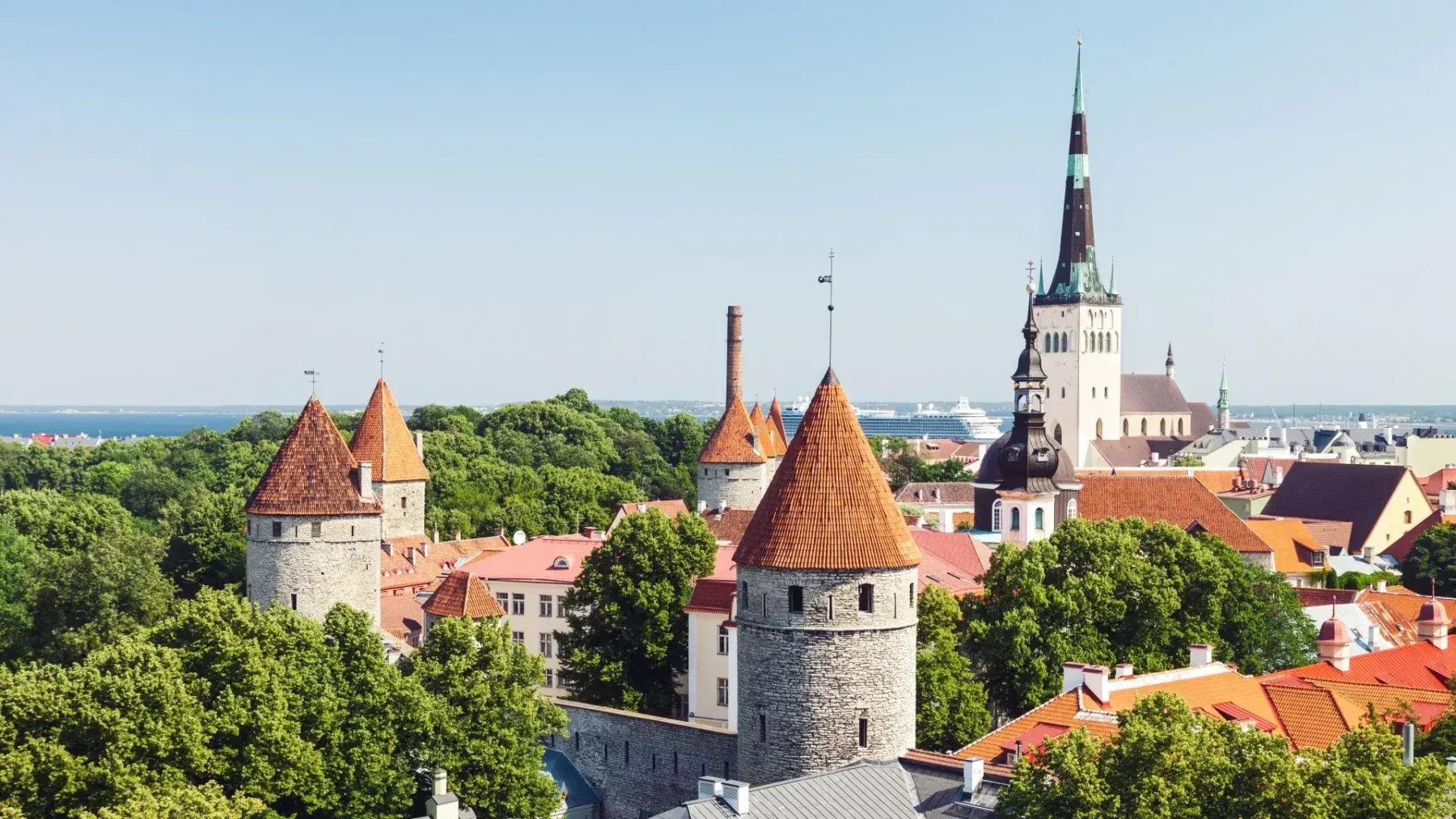
HISTORIC CITIES. TIMELESS STORIES.
Estonia
Explore medieval old towns, Hanseatic trading history, Baltic castles and centuries of cultural change. From Tallinn’s fortified centre to Tartu, Narva, Pärnu and the islands, Estonia offers a remarkable journey through medieval, imperial, Soviet and modern history.
A BALTIC COUNTRY SHAPED BY TRADE AND EMPIRE
Discover Estonia Through the Ages
From medieval merchant cities and Teutonic castles to Swedish, Russian and Soviet rule, Estonia has a layered history that remains visible in its streets, fortresses, manor houses and cultural landscapes. Explore the places and stories that shaped the country.
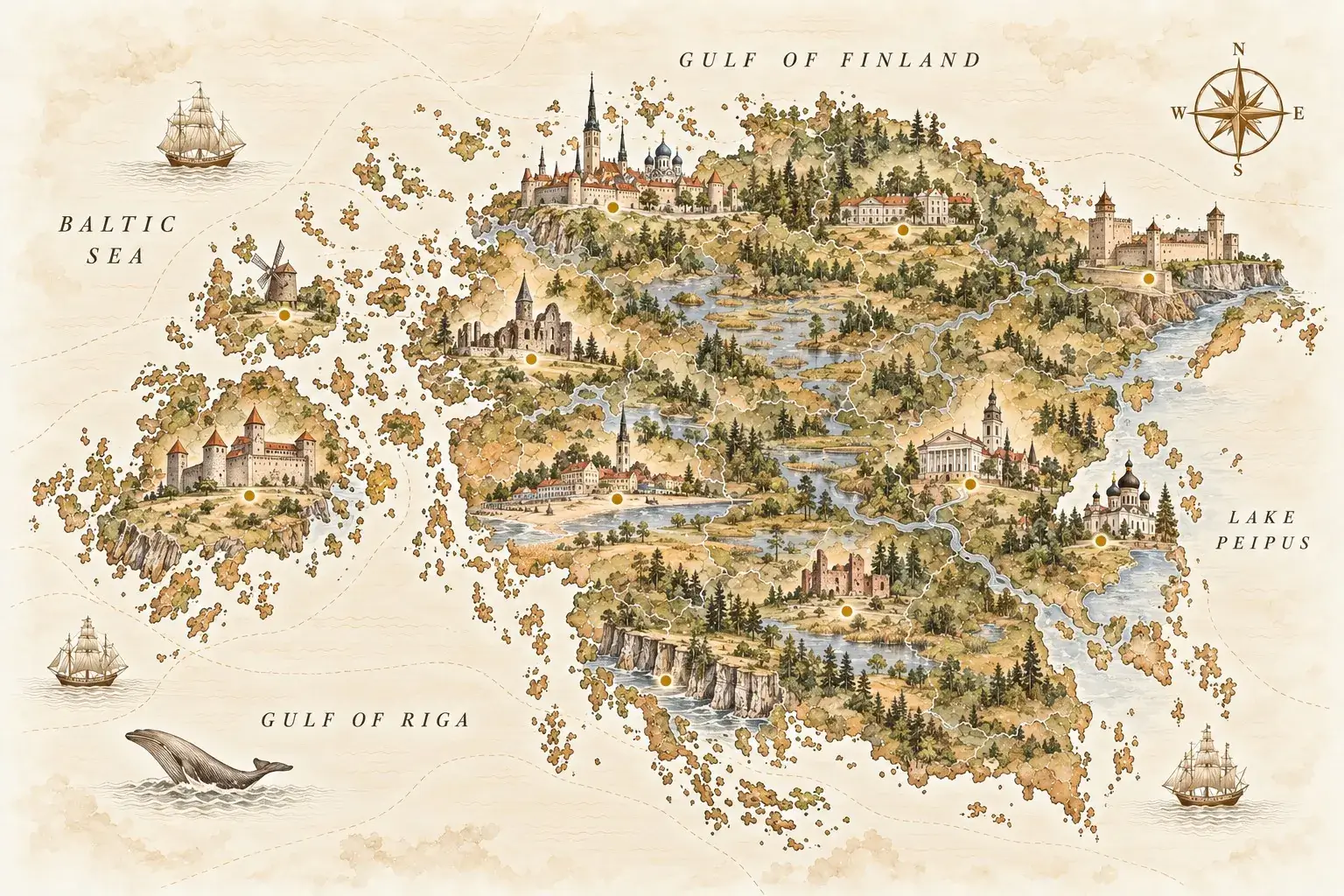
EXPLORE BY DESTINATION
Discover Estonia’s Destinations
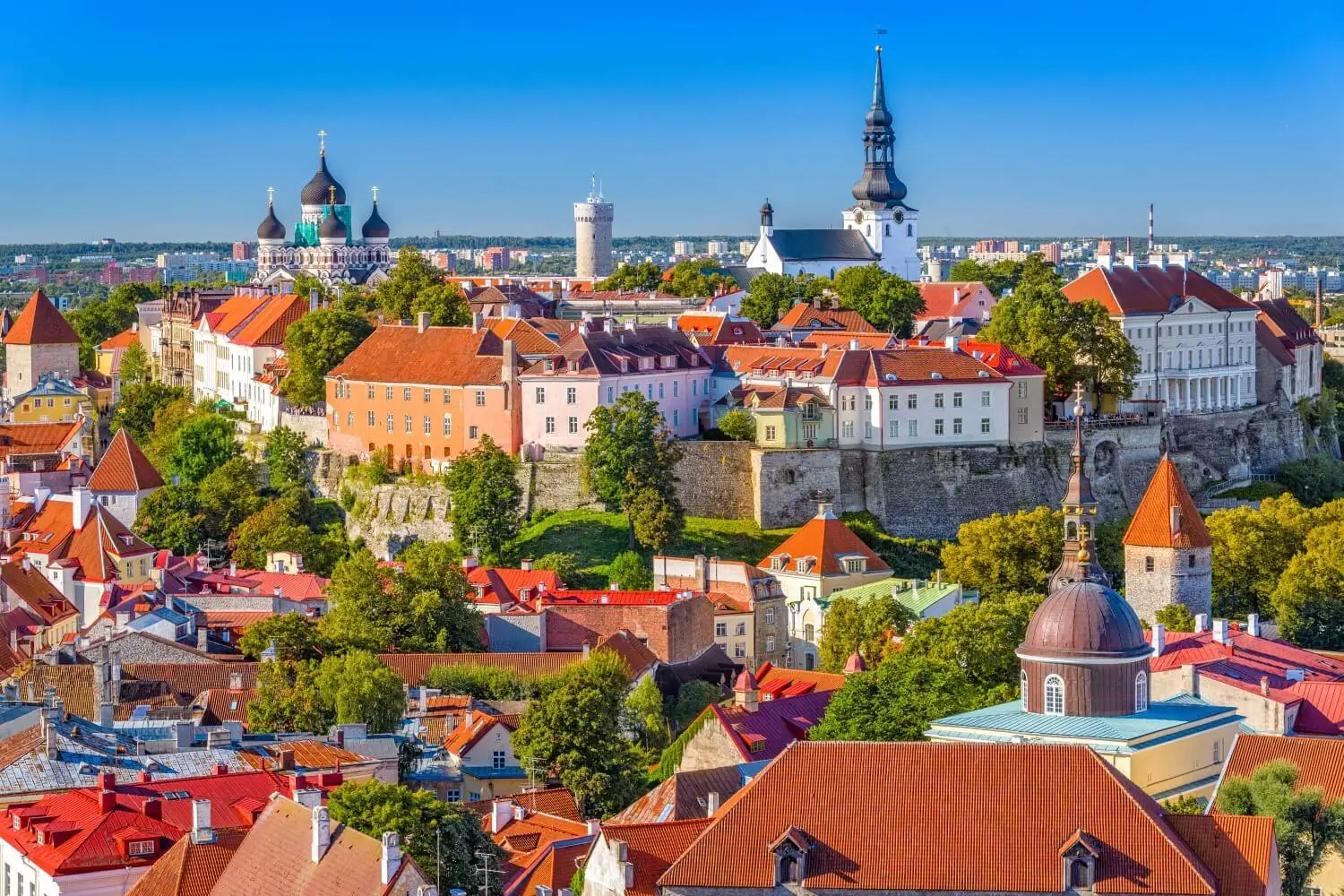
Tallinn
Explore Estonia’s capital through its UNESCO-listed Old Town, medieval walls, merchant houses, churches, Toompea Castle and layers of Baltic, Swedish, Russian and Soviet history.
Tartu
Discover Estonia’s university city, where the University of Tartu, neoclassical architecture, museums and the Estonian national awakening shaped the country’s intellectual life.
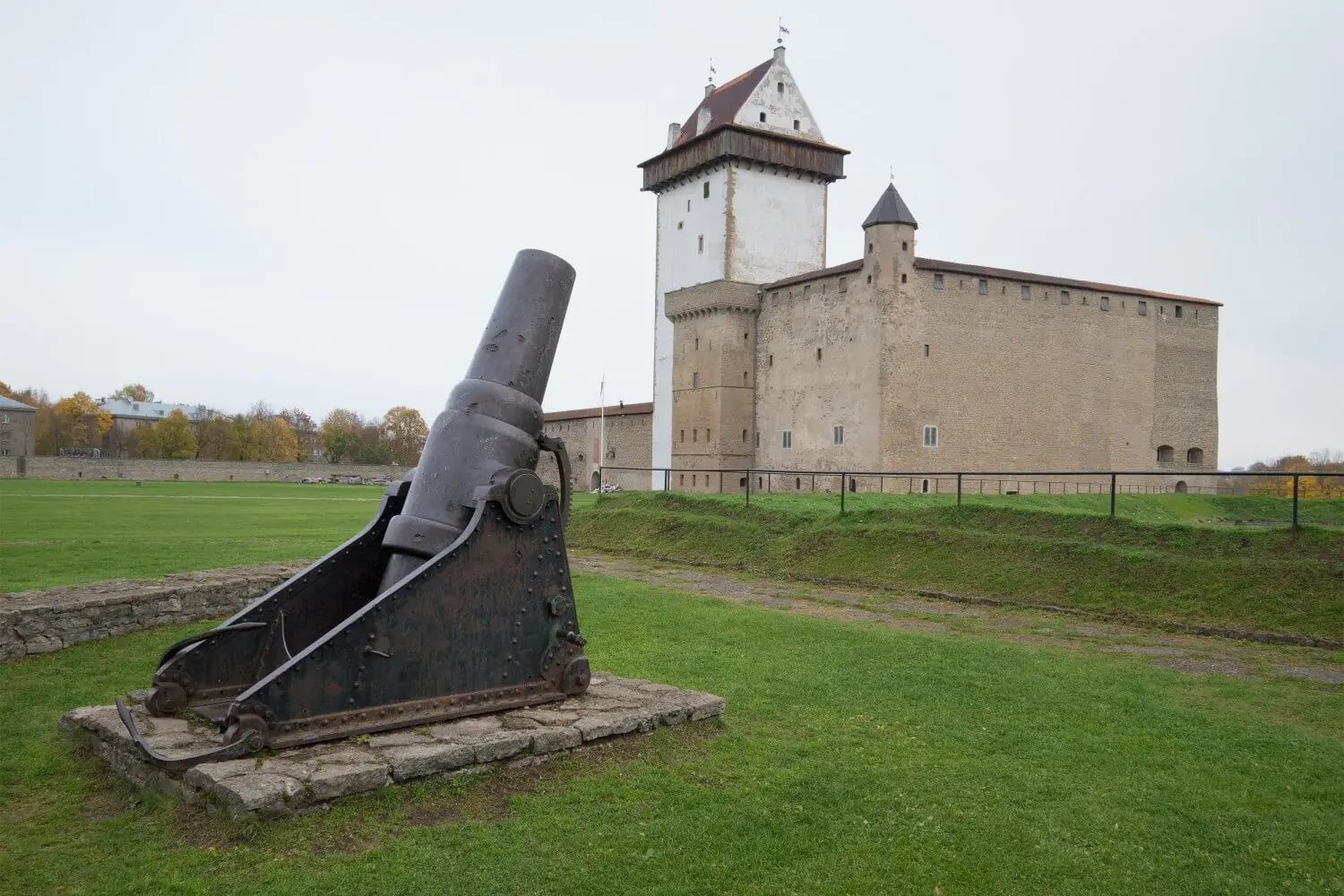
Narva
Explore Narva’s frontier history through Hermann Castle, the Narva River, industrial heritage and the dramatic border landscape facing Ivangorod Fortress across the water.
Pärnu
Discover Pärnu’s historic centre, old city gate, churches, wooden villas and spa heritage in a Baltic resort town shaped by trade, war and nineteenth-century leisure culture.
Saaremaa
Explore Estonia’s largest island through Kuressaare Castle, medieval churches, windmills, manor landscapes and a distinctive island culture shaped by the Baltic Sea.
ESTONIA THROUGH THE AGES
A Brief History of Estonia
From medieval crusading states and Hanseatic trade to Swedish and Russian rule, independence, Soviet occupation and restored sovereignty, Estonia’s past remains visible across its towns, castles and cultural landscapes.
13th century
Northern Crusades
German and Estonian crusaders conquer much of present-day Estonia, beginning centuries of rule by foreign powers and Baltic German elites.
1248
Tallinn & Lübeck Law
Tallinn receives Lübeck law and grows into an important Hanseatic trading city linking the Baltic and northern Europe.
1561
Swedish Rule
Northern Estonia comes under Swedish rule, beginning a period later remembered for educational and administrative reforms.
1721
Russian Empire
The Great Northern War ends with Estonia incorporated into the Russian Empire, while Baltic German privileges remain influential.
1918
Independence
Estonia declares independence and later secures it after the War of Independence against Soviet Russian and German forces.
1991
Restored Independence
Estonia restores its independence from the Soviet Union, re-establishing the republic created in 1918.
Hanseatic Heritage
Estonia emerged as a kingdom during the Northern Crusades, with a royal tradition that has endured for centuries.
Baltic German & Imperial Layers
Manor houses, churches, universities and civic architecture reflect centuries of Baltic German influence and Swedish and Russian rule.
Independence & Memory
Museums, monuments and restored historic centres tell the story of independence, occupation, Soviet rule and the Singing Revolution.
PLAN YOUR ESTONIA TRIP
Everything You Need for Estonia
Everything you need to plan your trip to Estonia, from places to stay and historic experiences to transport, ferries and flights.
Hotels
Find the best places to stay, from hotels in Tallinn’s historic centre to countryside manor stays, island guesthouses and Baltic seaside resorts.
Tours & Activities
Discover guided tours, medieval old towns, castles, museums and cultural experiences across Estonia.
Car Hire
Explore Estonia at your own pace, from medieval towns and manor landscapes to Baltic islands, forests and coastal roads.
Trains & Buses
Plan train and bus connections between Tallinn, Tartu, Narva, Pärnu and other destinations across Estonia.