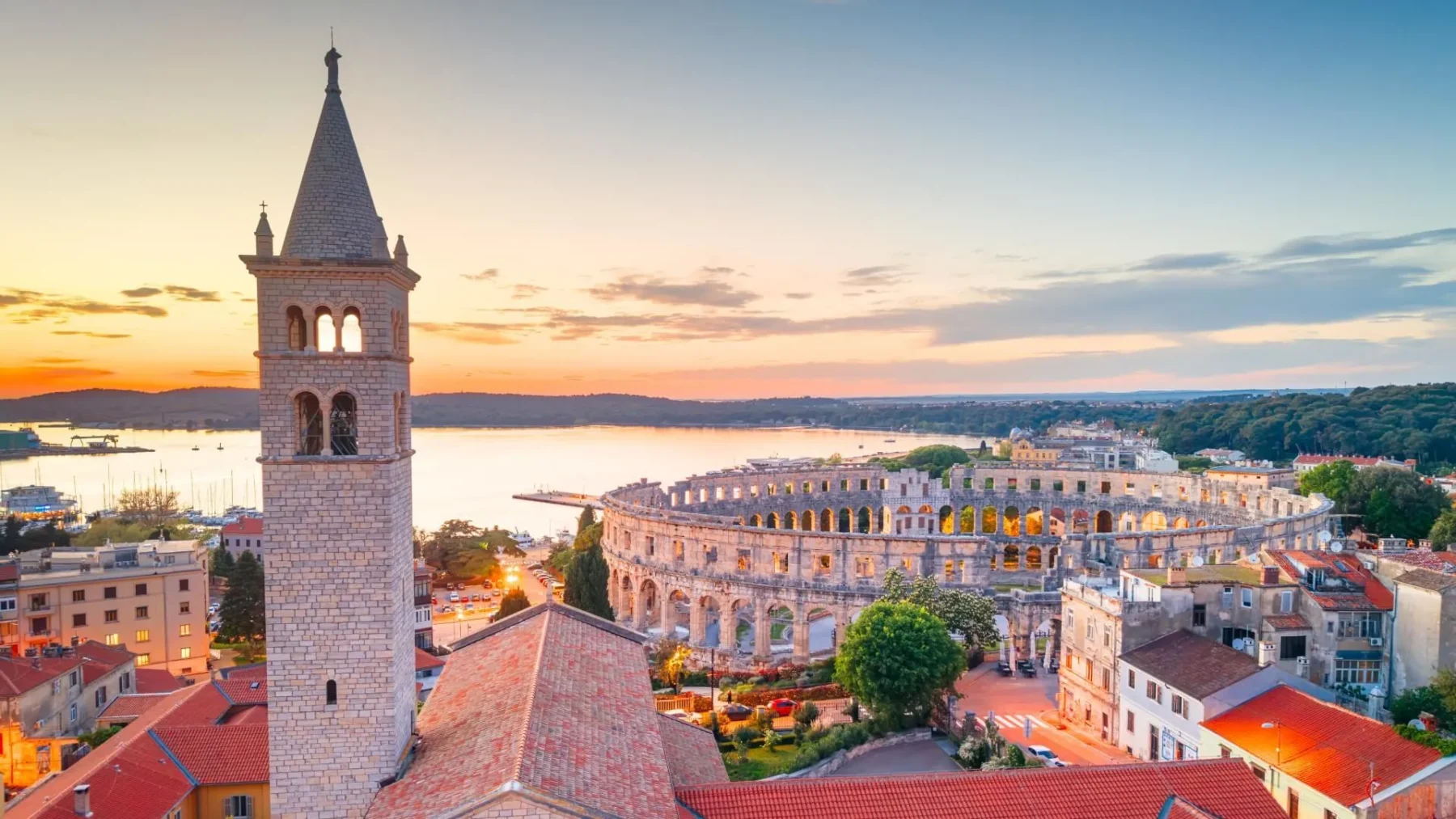
HISTORIC CITIES. TIMELESS STORIES.
Croatia
Explore Roman palaces, medieval walled cities and centuries of Adriatic maritime heritage. From Dubrovnik’s formidable walls and Split’s ancient palace to historic inland streets and coastal trading ports, Croatia offers an unforgettable journey through Mediterranean and Central European history.
WHERE THE ADRIATIC MEETS HISTORY
Discover Croatia Through the Ages
From Roman amphitheatres and imperial residences to Venetian ports, medieval republics and Habsburg-era cities, Croatia’s layered past is visible across the Adriatic coast and the interior. Explore the monuments, cultures and stories that shaped the country.
EXPLORE BY DESTINATION
Discover Croatia’s Destinations
Dubrovnik
Walk Dubrovnik’s celebrated medieval walls, discover its historic Old Town and uncover the diplomatic and maritime legacy of the Republic of Ragusa.
Split
Explore the remarkably preserved Roman Palace of Diocletian, ancient streets, medieval churches and the lively seafront of historic Split.
Zagreb
Discover Croatia’s capital through the medieval Upper Town, St Mark’s Church, the Stone Gate and grand Austro-Hungarian-era streets.
Zadar
Explore a historic Adriatic port with Roman forum remains, early medieval churches, Venetian fortifications and centuries of maritime trade.
Pula
Experience Istria’s extraordinary Roman heritage, from the monumental Pula Arena to ancient temples, gateways and historic harbour streets.
CROATIA THROUGH THE AGES
A Brief History of Croatia
From Roman Dalmatia and the medieval Croatian kingdom to Venetian and Habsburg rule, Yugoslavia and modern independence, Croatia’s history is reflected in its cities, castles and Adriatic ports.
c. 300 CE
Roman Dalmatia
Diocletian’s palace near Salona becomes a lasting landmark of Roman rule on the Adriatic.
925
King Tomislav
Tomislav is traditionally regarded as the first king of a medieval Croatian kingdom.
1102
Union with Hungary
The Croatian crown becomes linked to Hungary, beginning centuries of shared kingship.
15th–18th centuries
Adriatic Powers
Venice controls much of the coast, while Dubrovnik maintains its distinctive maritime republic.
1918
South Slav State
Croatian lands enter the new kingdom later known as Yugoslavia after the Habsburg Empire collapses.
1991
Independence
Croatia declares independence from Yugoslavia; the ensuing war leaves a lasting mark on the country.
Roman Legacy
Diocletian’s Palace in Split and the amphitheatre in Pula preserve spectacular traces of Roman architecture.
Maritime Republics
Dubrovnik’s former republic and the fortified Adriatic towns tell stories of commerce, diplomacy and cultural exchange.
Layered Heritage
Medieval Croatian traditions, Venetian architecture and Habsburg cityscapes reflect Croatia’s varied past.
PLAN YOUR CROATIA TRIP
Everything You Need for Croatia
Plan your journey across Croatia, from ancient coastal cities and island excursions to historic inland towns, accommodation and transport.
Hotels
Find historic-centre hotels, welcoming coastal guesthouses and characterful stays in Croatia’s inland towns.
Tours & Activities
Discover guided heritage walks, Roman monuments, medieval city walls, island trips and cultural experiences.
Car Hire
Explore Croatia at your own pace, from Istrian hill towns to Dalmatian coastal routes and national parks.
Flights
Compare flights to Zagreb, Split, Dubrovnik and other Croatian airports for your journey.
Trains & Buses
Plan trains, buses and intercity connections between Croatia’s historic cities, towns and coastal destinations.