Kyoto is the former imperial capital where more than a millennium of Japanese political, religious and artistic history remains unusually visible. Emperor Kanmu established Heian-kyo here in 794, beginning one of the defining chapters of Japanese history. Temples, palaces, shrines and traditional neighbourhoods still reflect successive periods of courtly culture and military rule. Seventeen historic monuments in Kyoto, Uji and nearby Otsu form a UNESCO World Heritage property recognised in 1994.
Yet Kyoto is not simply a collection of monuments. Tea culture, seasonal cuisine, craft traditions and festivals continue to connect contemporary life with the city’s past. This Kyoto historical travel guide explores those layers while covering attractions, hotels, food and practical advice for international travellers.
A Little Bit of History
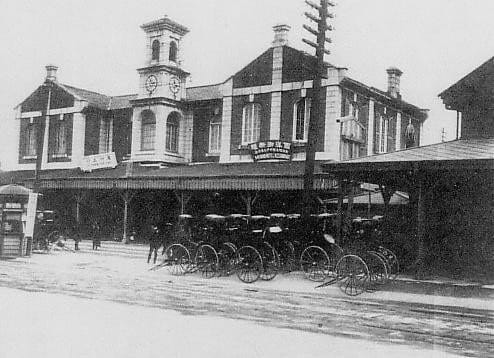
Kyoto began as Heian-kyo in 794, when Emperor Kanmu transferred the imperial capital from Nagaoka-kyo. Planners modelled the new city partly on ancient Chinese capitals, creating a broad grid of avenues around the imperial palace. The Heian period, lasting until 1185, saw exceptional developments in literature, religion, court ceremony and visual culture. Aristocratic Kyoto produced works including The Tale of Genji, while Buddhist institutions gained enormous political and cultural influence.
After warrior governments emerged, emperors remained in Kyoto even as effective political power shifted elsewhere. The city suffered repeated warfare, fires and political upheaval during the medieval centuries. The Onin War of 1467–1477 devastated large areas and helped accelerate Japan’s wider Sengoku period of civil conflict. Despite destruction, temples, merchants and powerful cultural patrons rebuilt Kyoto and preserved its importance as Japan’s ceremonial capital.
Political stability returned after Japan’s late sixteenth-century unification under Oda Nobunaga, Toyotomi Hideyoshi and Tokugawa Ieyasu. Hideyoshi reshaped parts of Kyoto and strengthened its role as an administrative, religious and commercial centre. In 1603, Tokugawa Ieyasu received the title of shogun and established Nijo Castle as his Kyoto residence. The Tokugawa government ruled primarily from Edo, but Kyoto retained the emperor, court and prestigious cultural institutions.
That arrangement ended dramatically during the political struggles of the nineteenth century. The Meiji Restoration of 1868 restored imperial rule, and the emperor moved to Tokyo the following year. Kyoto responded by modernising while deliberately protecting major temples, traditional arts and cultural institutions. In 1994, UNESCO inscribed the Historic Monuments of Ancient Kyoto, recognising seventeen sites that illustrate more than a thousand years of architecture and garden design.

Best Travel Time?
Kyoto has humid summers, cool winters and particularly attractive conditions during spring and autumn. Late March through April is famous for cherry blossoms, although accommodation prices and visitor numbers rise sharply. October and November bring comfortable temperatures and brilliant autumn foliage around temples and gardens. July is hot and humid, but it hosts Gion Matsuri, whose history extends for more than a thousand years.
The festival lasts throughout July, with major float processions traditionally held on July 17 and July 24. October 22 brings Jidai Matsuri, whose procession presents historical periods from the Meiji era back to Heian Kyoto. May and late November often offer the best compromise between pleasant weather, cultural events and slightly more manageable crowds.
How Many Days?
Four days provide a strong introduction to historic Kyoto without reducing every district to a rushed temple checklist. A day trip can cover Kiyomizu-dera, Gion and one additional major site, although the experience will feel compressed. Two days allow separate exploration of eastern Kyoto and the northern or western temple districts. Three days create space for Nijo Castle, the Imperial Palace area and less crowded neighbourhoods.
Four days also make early-morning visits possible before major sites become busy. Longer stays allow day trips to Nara, Uji, Otsu or the historic sake district of Fushimi. Five or six days are especially rewarding for travellers interested in gardens, crafts, Buddhist art and seasonal cultural experiences.

Accommodation in Kyoto
The area around Kawaramachi, Sanjo and central Kyoto offers the best balance of historic atmosphere, dining and public transport for most visitors. Gion and Higashiyama provide greater traditional character but usually command higher room rates. Staying near Kyoto Station is more practical for Shinkansen journeys and frequent day trips. Central Kyoto places Nishiki Market, Pontocho, downtown restaurants and several subway lines within easy reach.
Budget hotels begin at comparatively modest rates, while polished mid-range properties dominate the central market. Traditional ryokan provide a more cultural experience but may cost considerably more, especially when meals are included. Current rates vary widely by date, so the following figures represent realistic approximate starting prices rather than fixed tariffs.
Some Tips & Ideas for Hotels Include:
Hotel Gracery Kyoto Sanjo – A reliable central hotel close to shopping, restaurants and public transport. Rooms are modern and practical. Prices from approximately €60 per night.
Cross Hotel Kyoto – A highly rated contemporary hotel near Kawaramachi and Sanjo. Its position works particularly well for evening dining. Prices from approximately €90 per night.
Hotel Resol Trinity Kyoto – This central property combines modern rooms with Japanese-inspired design and a public bath. It offers good access to central sights. Prices from approximately €100 per night.
The Royal Park Hotel Kyoto Sanjo – An established upscale hotel near the Kamo River and downtown Kyoto. The location is excellent for exploring on foot. Prices from approximately €135 per night.
Book your preferred hotel, apartment, or hostel here.
Sightseeing in Kyoto
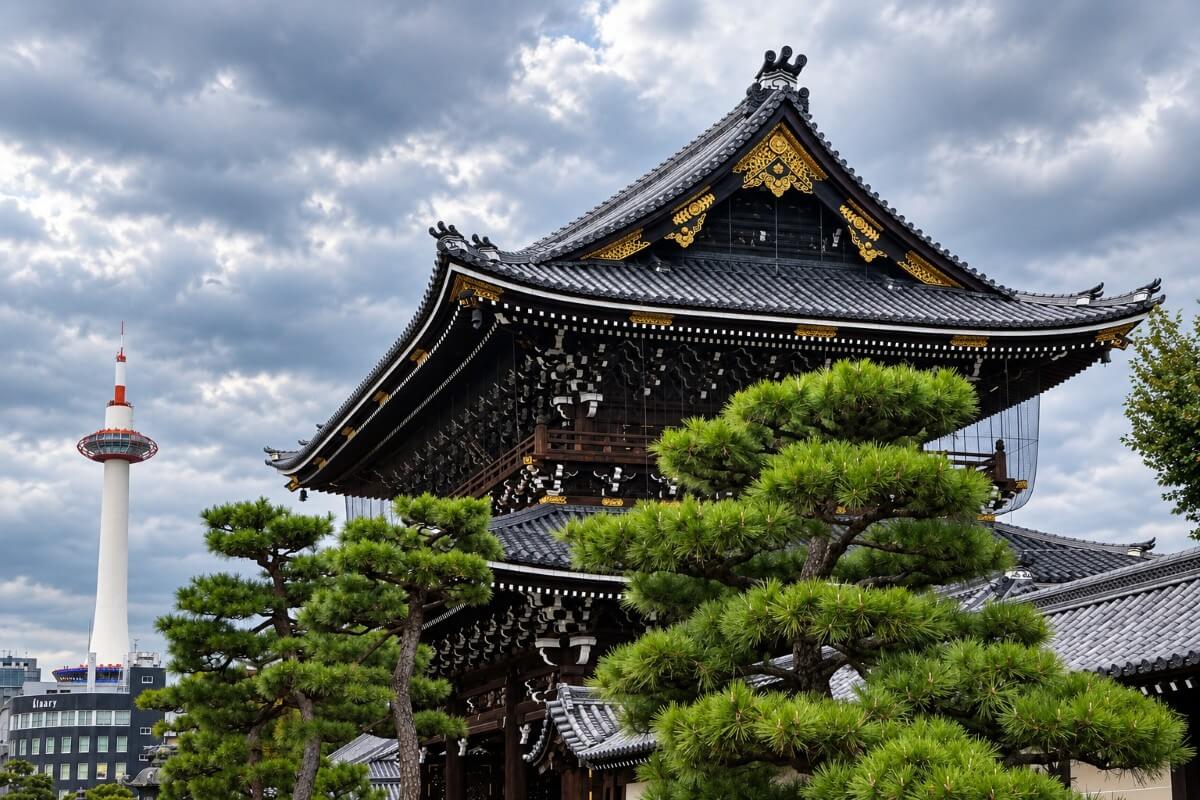
Kyoto’s historical attractions span imperial palaces, Buddhist temples, Shinto shrines and monuments created by Japan’s warrior governments. Many sites were repeatedly rebuilt after warfare, earthquakes and fires, making preservation itself part of their history. The city’s Buddhist institutions reveal changing architectural styles and competing religious traditions. Nijo Castle shows how the Tokugawa shogunate expressed political authority beside the imperial court.
Kiyomizu-dera and Kinkaku-ji demonstrate how religious landscapes became powerful symbols of Japanese aesthetics. Historic neighbourhoods around Gion preserve another layer of cultural history connected with entertainment and traditional arts. Together, these Kyoto historical attractions explain why UNESCO describes the city as a major centre of Japanese culture for more than a millennium.
Below are some of the country’s most interesting historical attractions.
Kiyomizu-dera – Founded in the eighth century and repeatedly rebuilt, this important Buddhist temple overlooks eastern Kyoto from a celebrated wooden terrace.
Kinkaku-ji – The Golden Pavilion developed from the retirement villa of shogun Ashikaga Yoshimitsu and reflects elite Muromachi-period culture.
Nijo Castle – Built for Tokugawa Ieyasu in the early seventeenth century, the complex symbolised shogunal authority in the imperial capital.
Kyoto Imperial Palace – The palace grounds preserve the historical heart of the imperial court that remained in Kyoto until the nineteenth century.
Ginkaku-ji – Created for shogun Ashikaga Yoshimasa, the Silver Pavilion became associated with the refined Higashiyama culture of the late fifteenth century.
Looking for exciting tours and activities? Book them here through GetYourGuide.

Food & Drinks – Taste the Local Cuisine
Kyoto’s food culture developed through centuries of court cuisine, Buddhist cooking, tea culture and access to exceptionally good water. Kyo-kaiseki uses seasonal ingredients in carefully arranged courses that emphasise balance, texture and presentation. Kyoto tourism authorities describe obanzai as everyday household cooking based on seasonal produce and dashi. Yudofu, simmered tofu, became closely associated with Buddhist temple districts where vegetarian traditions shaped local eating habits.
Pickled vegetables, yuba tofu skin and elegant wagashi sweets remain other characteristic foods. Fushimi became one of Japan’s important sake-producing areas because suitable rice and high-quality groundwater supported brewing. Kyoto’s contemporary dining scene now ranges from centuries-old ryotei to craft breweries and specialist Japanese wine bars.
Here are some restaurant ideas and recommendations:
Hyotei – This historic ryotei has more than 400 years of history and remains one of Kyoto’s most prestigious restaurants. It holds three Michelin stars in the 2026 guide.
Kikunoi Honten – A celebrated restaurant preserving Kyoto’s kaiseki and ryotei traditions. It holds three Michelin stars in the 2026 Michelin Guide.
Isshisoden Nakamura – This family-run kaiseki institution descends from cooks who served Kyoto’s nobility and feudal elites. It holds three Michelin stars in 2026.
Minokichi – This long-established Kyoto restaurant tradition dates back roughly 300 years. Its cuisine highlights yuba, seasonal ingredients and classic Kyoto flavours.
Kyoto Beer Lab – This independent brewery and taproom opened in 2018 beside the Takase River. Its beers include distinctive recipes using Japanese tea.

How to Get there?
Flights
International travellers generally reach Kyoto through Kansai International Airport, about 100 kilometres southwest of the city. Kyoto has no major international airport of its own. The JR Haruka limited express provides the simplest direct rail connection from Kansai Airport to Kyoto Station. Official Kyoto tourism information gives a typical journey of approximately 80 minutes, although some services take longer.
Airport limousine buses are another option and can be useful for travellers carrying heavy luggage. Osaka Itami Airport handles mainly domestic flights and is closer, with buses connecting it to central Kyoto. Travellers arriving after long-haul evening flights should check final train times before committing to a same-night transfer.
Looking for flights? Book your tickets here through Skyscanner.
Public Transport
Public transport makes Kyoto easy to combine with almost every major destination on Japan’s main touring routes. The Tokaido Shinkansen connects Tokyo with Kyoto in roughly two hours and fifteen minutes on the fastest services. Osaka is about 15 minutes away by Shinkansen, although regular trains often make more practical sense for city-centre travel. Nagoya lies around 35 minutes away on the fastest Shinkansen services.
Travellers from Hiroshima can reach Kyoto directly by high-speed rail, usually in under two hours depending on the service. Kyoto Station sits south of the historic centre, so allow another 15 to 30 minutes for buses, subway connections or taxis. During peak seasons, use rail and subway services when possible because road congestion can make city buses significantly slower.
Looking for public transport tickets? Book your bus tickets here through Busbud
Car Rental
Renting a car is usually unnecessary for a first visit to Kyoto because railways, buses and taxis cover the major historical districts. Parking around Gion, Kiyomizu and central shopping areas can be limited and expensive. Traffic becomes particularly heavy during cherry-blossom season, autumn foliage and major festivals. A car becomes more useful for remote northern Kyoto, rural temple areas or onward travel into less accessible parts of Kansai.
International visitors must carry driving documents valid under Japanese law and should confirm requirements before departure. Drivers should also remember that Japan uses left-hand traffic and many older Kyoto streets are extremely narrow. For most historical itineraries, arriving by train and exploring central Kyoto without a car remains the simplest approach.
Would you like to rent a car in Japan? Book your all-inclusive rental here with DiscoverCars.
Relax! The Best Blogs about Kyoto
UNDER CONSTRUCTION!
Do you have any tips, comments, or suggestions for this travel guide about Kyoto? Feel free to leave a message below.
Return to:

