Lübeck
Hanseatic heritage, Gothic architecture and Baltic trade
Discover Lübeck, the historic “Queen of the Hanseatic League”, where Gothic brick churches, merchant houses and riverside warehouses tell the story of Baltic trade. Walk through the famous Holstentor, explore the UNESCO-listed Old Town and follow the legacy of centuries of maritime commerce.
INTRODUCTION
Welcome to Lübeck
Lübeck stands on an island between waterways near the Baltic Sea. Founded as a medieval trading city in the twelfth century, it developed into a leading commercial power whose merchants linked ports across northern Europe. Its skyline of seven church towers still rises above narrow lanes and red-brick façades.
The Old Town is a UNESCO World Heritage Site, with monumental gates, medieval churches, hidden courtyards and patrician houses. Beyond the centre, the historic seaport of Travemünde and the Trave waterfront reveal Lübeck’s continuing relationship with the sea.
WHY VISIT
Why Visit Lübeck?
Lübeck rewards travellers who enjoy medieval cities with a strong sense of place. Hanseatic commercial heritage, distinctive brick Gothic architecture, literary connections and waterfront scenery come together within a compact, walkable historic core.
01
The Queen of the Hanseatic League
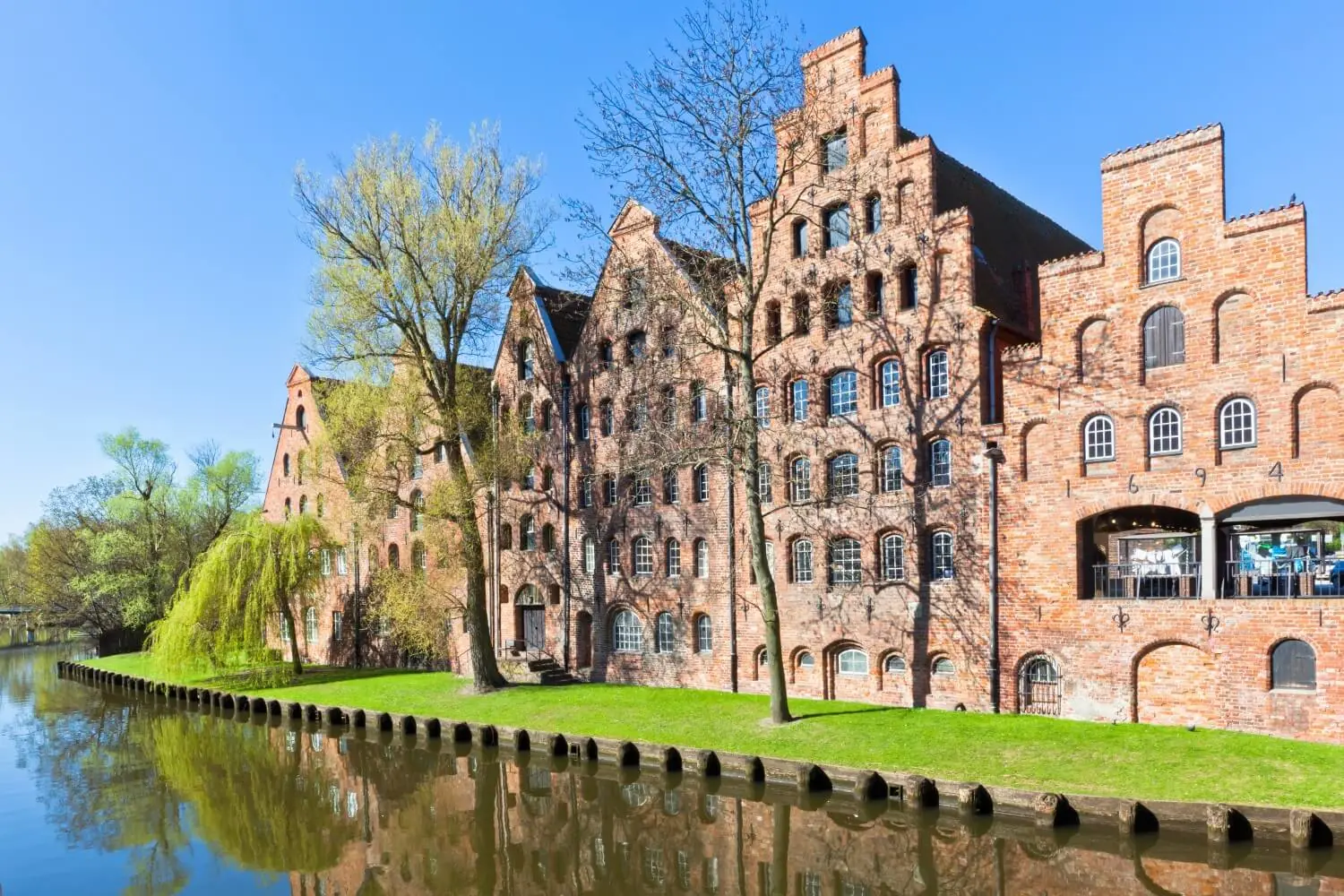
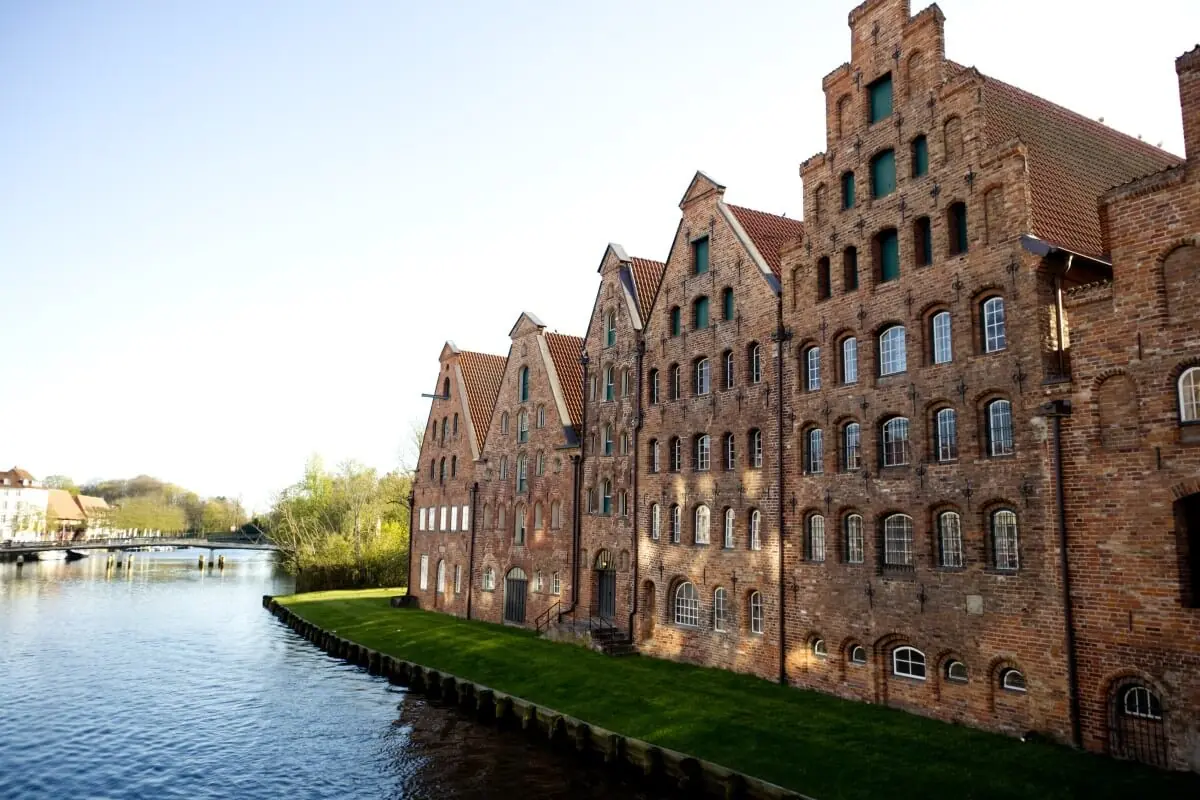
Lübeck became a dominant centre of the Hanseatic trading network, connecting merchants across the Baltic and North Seas. Its former warehouses, merchants’ halls and richly ornamented houses show the wealth generated by trade.
02
UNESCO-Listed Medieval Old Town
A distinctive island setting protects an exceptional ensemble of churches, gates, townhouses and narrow passages. The Old Town joined the UNESCO World Heritage List in 1987, recognising its historic urban character.
03
Brick Gothic Churches & Architecture
St. Mary’s Church and Lübeck Cathedral are major monuments of northern European brick Gothic. Their soaring interiors and monumental exteriors show how merchants and civic authorities expressed status through architecture.
04
Literature, Marzipan & Baltic Culture
The Buddenbrook House connects Lübeck with Nobel Prize-winning author Thomas Mann. The city is also associated with traditional marzipan, music and the maritime landscapes of nearby Travemünde.
HISTORY
A Short History of Lübeck
Lübeck was refounded in 1159 under Henry the Lion and received imperial freedom in 1226. Its favourable position along the Trave helped merchants establish routes between the Baltic Sea, North Sea and inland Europe, making it a central city of the medieval Hanseatic League.
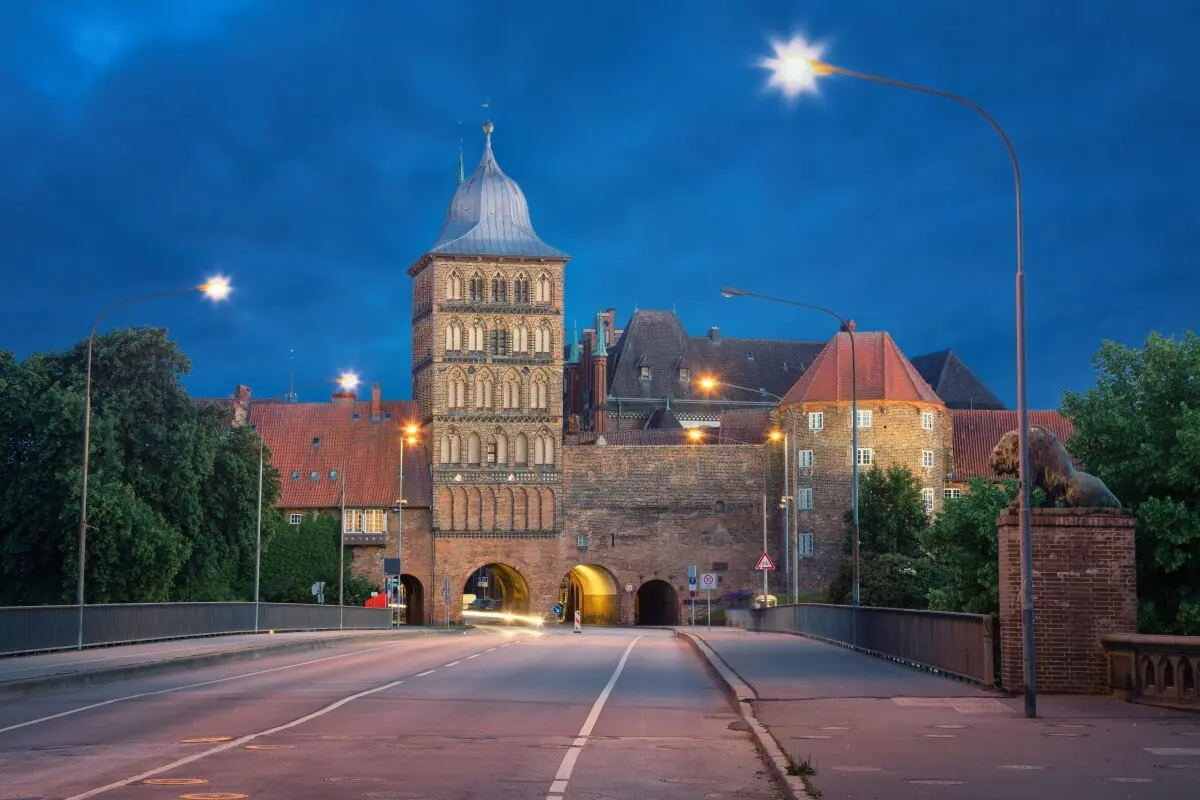
During the thirteenth to fifteenth centuries Lübeck enjoyed exceptional commercial and political influence. Prosperous merchants financed brick churches, civic buildings and charitable institutions; the Holstentor, erected in the fifteenth century, later became the city’s most recognisable symbol.
Trade patterns shifted in the early modern era, and Lübeck gradually lost its former dominance. Bombing in 1942 damaged major parts of the historic centre, including churches that were subsequently rebuilt. Today the preserved urban fabric and restoration work underpin its UNESCO recognition, while nearby Travemünde remains an active coastal destination.
KEY HISTORICAL MOMENT
1226
Emperor Frederick II confirmed Lübeck’s status as a Free Imperial City. The legal autonomy supported its expansion as a major Hanseatic trading centre and shaped the civic identity visible in the Old Town.
TOP SIGHTS
Top Sights in Lübeck
These eight places introduce Lübeck’s medieval defences, Gothic churches, civic power and Hanseatic trading culture. Most are within the walkable Old Town island, with river views between stops.
1
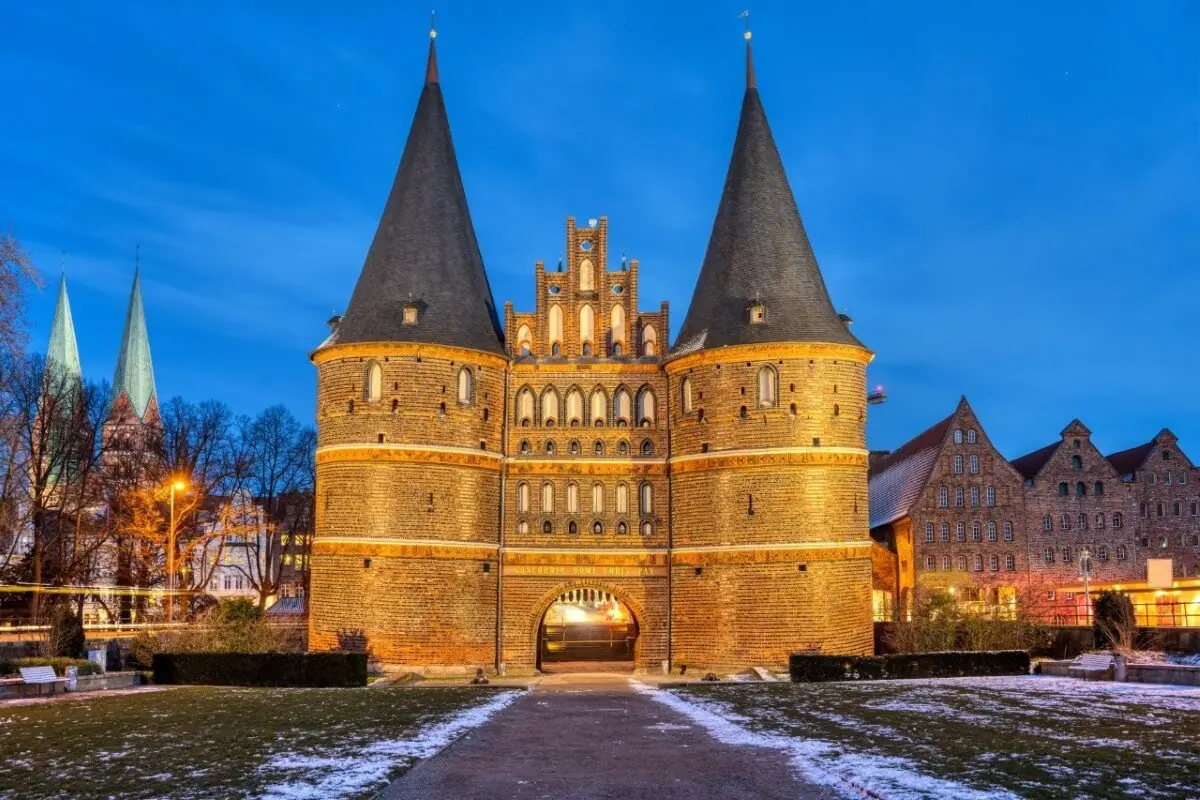
Holstentor
Completed in 1478, this monumental brick city gate is Lübeck’s best-known landmark. Its twin towers, leaning walls and museum exhibits recall the city’s medieval fortifications and Hanseatic commercial success.
2
St. Mary’s Church (Marienkirche)
Built by prosperous medieval citizens, this vast brick Gothic church influenced architecture around the Baltic. Look for the vaulted interior, memorial displays and the broken bells that recall the wartime bombing of 1942.
3
Lübeck Town Hall (Rathaus)
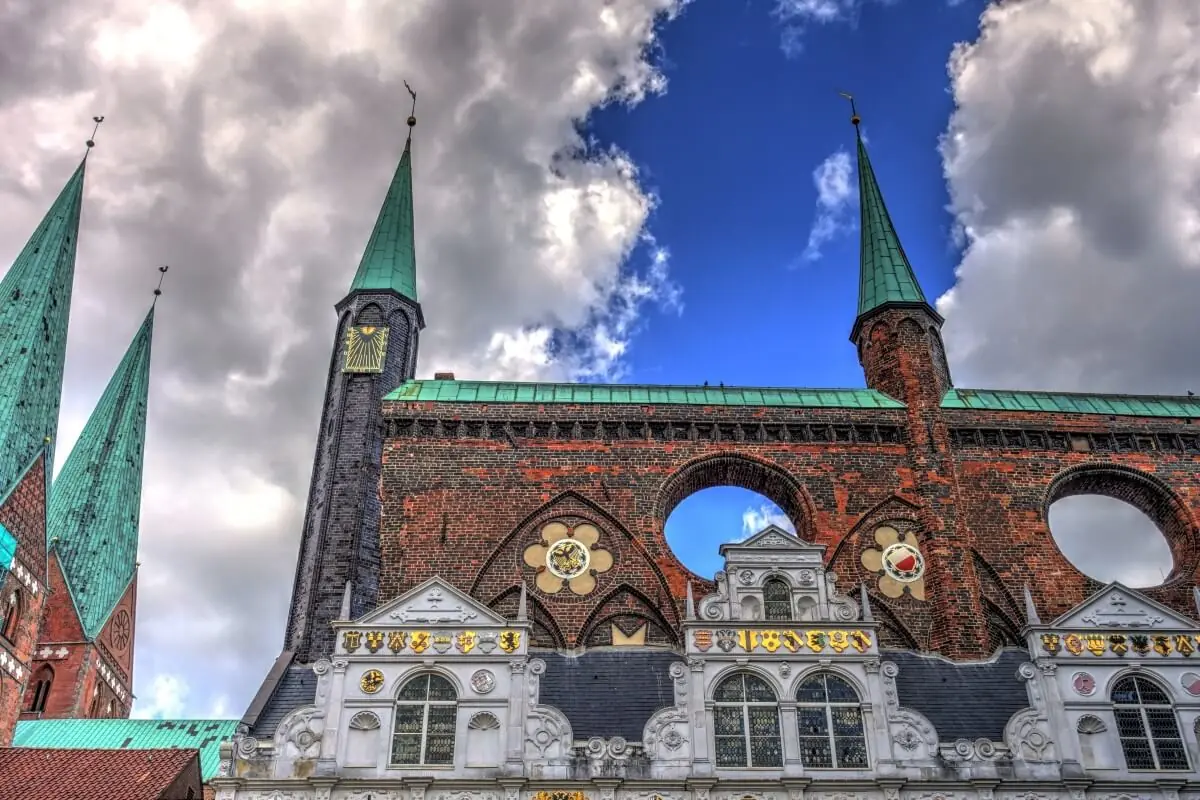
The Town Hall combines Gothic brickwork with later additions and distinctive decorative façades. Its position beside the Markt speaks to the civic power of Lübeck’s merchants and elected council.
4
Lübeck Cathedral (Dom)
Founded in the twelfth century and later enlarged, the cathedral preserves centuries of ecclesiastical history. Its monumental towers and interior artworks reward a quieter visit to the southern Old Town.
5
European Hansemuseum
This modern museum near the former castle monastery tells the story of the Hanseatic League through trade routes, archaeology and immersive displays. It is ideal for understanding Lübeck’s wider European role.
6
Heiligen-Geist-Hospital
Founded in the thirteenth century, the Hospital of the Holy Spirit is one of northern Europe’s notable medieval charitable buildings. Its façade and surviving interior spaces illuminate social care in a wealthy trading city.
7
St. Peter’s Church (Petrikirche)
This historic church offers an elevated viewpoint over the Old Town’s roofs and seven towers when the viewing platform is open. Its atmospheric interior also hosts exhibitions and cultural events.
8
Buddenbrookhaus & Literary Lübeck
The home associated with the Mann family connects Lübeck’s merchant society to Thomas Mann’s novel Buddenbrooks. Check the current exhibition location and building access, as renovation arrangements may change.
THINGS TO DO
Things to Do in Lübeck
Explore Lübeck at the pace of its medieval lanes. Combine famous monuments with secluded courtyard passages, a museum visit and a short trip towards the Baltic coast.
Walk the Hanseatic Old Town
Start at Holstentor and follow the Trave to the Markt, Rathaus and St. Mary’s Church. Continue through small lanes to find merchant houses, historic courtyards and traces of the city’s former commercial quays.
EXPLORE LÜBECK OLD TOWN WALKS →
Discover the Hanseatic League
Spend time in the European Hansemuseum to understand merchant trading networks, Baltic ports and the political influence of Hanseatic towns. Pair the exhibits with the waterfront buildings outside.
DISCOVER HANSEATIC HISTORY EXPERIENCES →
Explore Hidden Courtyards & Passages
Look for accessible Gänge and Höfe, the narrow passages and courtyards once used to house workers and craftspeople. Respect residents’ privacy and any restrictions on entry.
BROWSE LÜBECK HERITAGE TOURS →
Visit Travemünde on the Baltic
Take a train or bus to Lübeck-Travemünde for its beach promenade, harbour views and maritime atmosphere. This seaside district provides a different perspective on the trading city’s relationship with the Baltic.
EXPLORE TRAVEMÜNDE & BALTIC COAST →
SUGGESTED ITINERARY
3 Days in Lübeck & Travemünde
This three-day itinerary combines Lübeck’s medieval trade heritage, major brick Gothic monuments, quieter historic lanes and a relaxed Baltic coastal excursion.
DAY 1
Holstentor, Market Square & Churches
MORNING
Begin at the Holstentor and follow the riverfront into the Old Town. Explore the Markt, the historic Rathaus and the remarkable brick Gothic architecture of St. Mary’s Church.
AFTERNOON
Visit St. Peter’s Church for a city panorama if its tower is open, then walk south toward Lübeck Cathedral and the surrounding historic streets.
EVENING
Enjoy dinner in the Old Town, then take an evening walk along the illuminated riverside façades and bridges.
DAY 2
Hanseatic Trade & Literary Heritage
MORNING
Spend the morning at the European Hansemuseum to explore the networks of merchants, ships and ports that made medieval Lübeck influential.
AFTERNOON
Visit the Heiligen-Geist-Hospital and trace quiet Gänge and Höfe around the northern Old Town. Add literary sites connected with Thomas Mann and the Buddenbrooks tradition.
EVENING
Sample traditional Lübeck marzipan or enjoy a café in the historic centre before an evening stroll.
DAY 3
Travemünde & the Baltic Sea
MORNING
Travel by regional rail or bus to Travemünde. Explore the harbour promenade, maritime streets and waterfront views, checking transport schedules before departure.
AFTERNOON
Walk along the seafront or visit local maritime heritage attractions if open. Allow extra time for the beach in good weather.
EVENING
Return to Lübeck for a final evening in the Old Town, or stay by the Baltic coast for a quieter seaside dinner.
WHERE TO STAY
Where to Stay in Lübeck
Choose the UNESCO-listed Old Town for historic atmosphere, the main-station area for convenient transport or Travemünde for a seaside stay. Booking ahead is advisable during major events and summer weekends.
01
Lübeck Old Town (Altstadt)
Stay within the historic island to reach the Holstentor, churches, museums and restaurants on foot. Traditional houses and cobbled lanes add character, but check parking and accessibility.
FIND HOTELS IN LÜBECK OLD TOWN →
02
Near Lübeck Hauptbahnhof
The station district is practical for travellers arriving by rail or making trips to Hamburg and Travemünde. The Holstentor and Old Town are within walking distance.
BROWSE LÜBECK STATION HOTELS →
03
St. Gertrud & Eastern Neighbourhoods
Residential streets east of the Old Town offer a quieter local base, with buses and walking routes into the historic centre. Check the location carefully when choosing accommodation.
FIND STAYS NEAR LÜBECK CENTRE →
04
Travemünde
The Baltic seaside district suits visitors who want beaches and harbour scenery alongside historic sightseeing. Travel into Lübeck’s Old Town by regional train or bus.
EXPLORE TRAVEMÜNDE HOTELS →
GETTING AROUND
Getting Around Lübeck
Most key sights in the UNESCO-listed Old Town are walkable. City buses and regional trains connect surrounding neighbourhoods and Travemünde, while Lübeck Hauptbahnhof links to Hamburg and other northern German cities.
On Foot
Walking is the best way to appreciate the historic gates, riverside lanes, churches and hidden courtyards. Expect cobbles, steps and occasional uneven surfaces.
By Bus
Local buses connect areas beyond the Old Town and offer alternatives in wet weather. Check current routes, fares and service intervals with the local transport operator.
By Train
Lübeck Hauptbahnhof has regular regional connections to Hamburg and trains towards Travemünde. Check operators and departures, especially for evening coastal excursions.
From Hamburg & Lübeck Airports
Hamburg Airport is a common gateway: travel into Hamburg and continue by train to Lübeck. Lübeck Airport has limited routes; confirm current services and onward ground transport before booking.
By Car & Bicycle
A car is not needed for central sightseeing. Parking near the Old Town can be restricted; cycling works well on suitable routes, but follow pedestrian restrictions in narrow lanes.
BEST TIME TO VISIT
Best Time to Visit Lübeck
Late spring through early autumn offers good conditions for exploring brick Gothic monuments and the riverfront. Summer is popular for Travemünde, while winter brings festive markets and atmospheric streets.
Spring
MARCH TO MAY
Spring brings longer days, milder weather and pleasant walks along the Trave. April and May are good for combining museum visits with quieter historic lanes.
Summer
JUNE TO AUGUST
Summer offers the longest days and the best opportunity for a Baltic seaside excursion. Coastal accommodation can be busy, so book ahead for popular weekends.
Autumn & Winter
SEPTEMBER TO FEBRUARY
Autumn offers atmospheric waterfront views and comfortable museum days. Winter is colder and often wet, but traditional Christmas markets lend the historic centre a festive character.
BEST OVERALL TIME
May–June & September
Late spring and early autumn balance comfortable walking conditions with access to the Old Town’s monuments. Choose summer when beach time at Travemünde matters most.
Next Destinations
Hamburg
Explore historic port warehouses, canals and Hamburg’s rich trading heritage.
EXPLORE HAMBURG →
Wismar
Discover a UNESCO-listed Baltic old town with brick Gothic churches and Hanseatic market squares.
EXPLORE WISMAR →
Schwerin
Visit Schwerin Castle, lakeside gardens and the former ducal capital of Mecklenburg.
EXPLORE SCHWERIN →
Bremen
Explore another Hanseatic city with its UNESCO-listed Town Hall and medieval Schnoor quarter.
EXPLORE BREMEN →