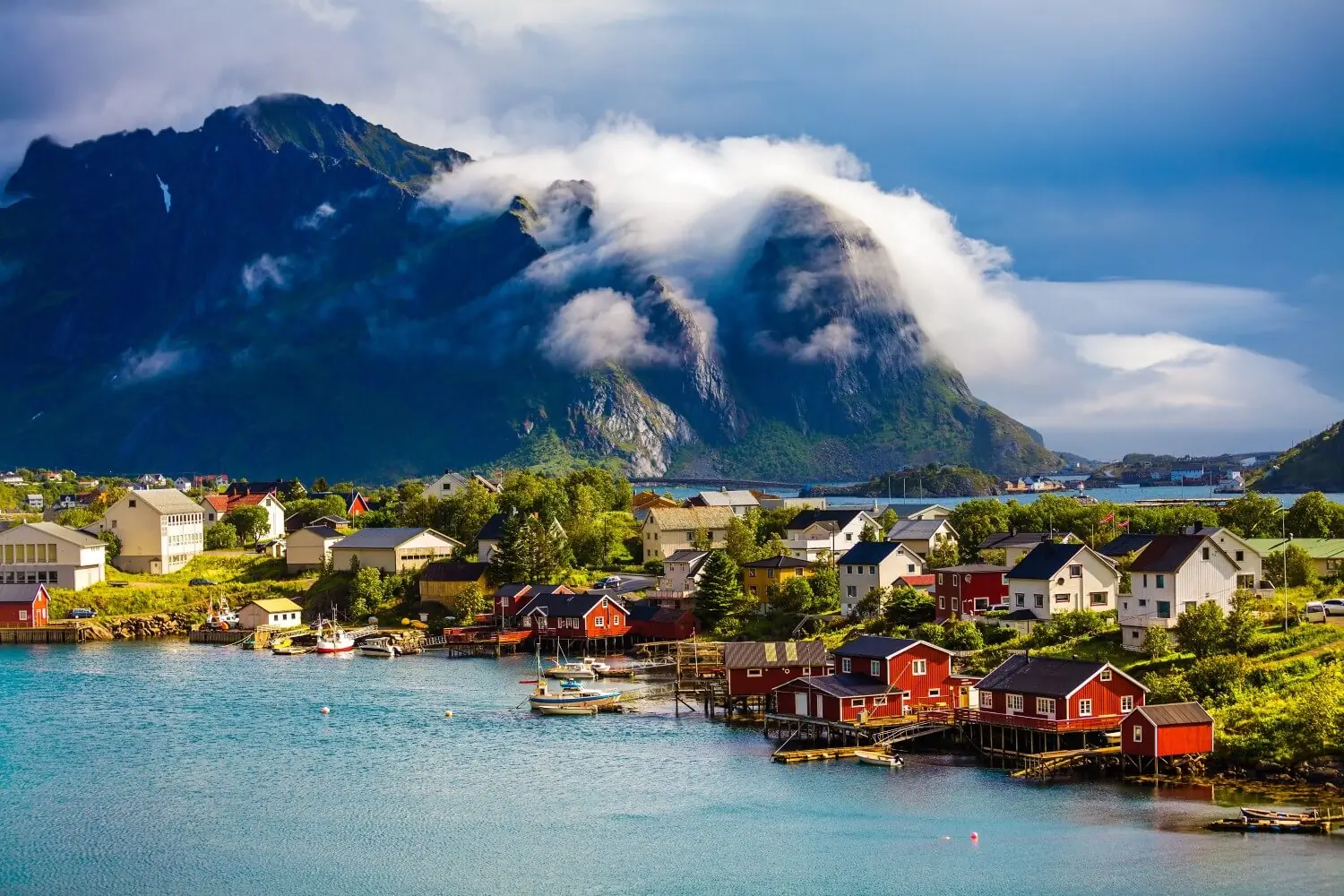
Lofoten Islands
Arctic fishing villages, Viking heritage and dramatic Norwegian islands
Discover the Lofoten Islands, an extraordinary archipelago above the Arctic Circle where steep mountains meet sheltered harbours and traditional red fishing cabins. Follow a thousand years of seafaring, Viking chieftains and the cod-fishing trade through villages, museums and rugged coastal landscapes.
INTRODUCTION
Welcome to the Lofoten Islands
The Lofoten Islands stretch into the Norwegian Sea from northern Norway, with jagged mountains rising directly above turquoise bays, beaches and compact fishing communities. This dramatic setting has been shaped by the annual winter migration of Arctic cod and generations of fishermen.
Beyond the famous landscapes lie important layers of history: Viking-era power at Borg, centuries of stockfish exports, historic churches and working harbours. Explore slowly, allowing for changing weather, seasonal light and considerable distances between the islands.
WHY VISIT
Why Visit the Lofoten Islands?
Lofoten combines spectacular Arctic scenery with an unusually tangible maritime heritage. Its villages, museums and preserved fishing cabins reveal how coastal communities adapted to the climate and built connections far beyond Norway.
01
Viking Chieftains & Lofotr
At Borg, archaeologists uncovered a major Viking chieftain’s hall. The reconstructed longhouse and museum explore life, trade and power in northern Norway more than a thousand years ago.
02
Fishing Villages & Stockfish
For centuries, winter cod catches were dried in the Arctic wind and traded as stockfish across Europe. Harbours, drying racks and traditional rorbuer still reflect that commercial heritage.
03
Mountains, Fjords & Coastal Landscapes
Sharp peaks, narrow sounds, white beaches and sheltered bays create unforgettable views. Short scenic stops and carefully planned hikes make the landscape accessible in different ways.
04
Arctic Seasons & Living Traditions
Long summer days and the midnight sun contrast with winter’s polar darkness and northern lights. Local art, seafood and maritime museums add depth to the natural experience.
HISTORY
A Short History of the Lofoten Islands
People have lived along Lofoten’s sheltered coast for thousands of years, using its marine resources and navigable waterways. In the Viking Age, the chieftain’s centre at Borg on Vestvågøya became one of northern Norway’s notable political and trading sites.
Medieval and early modern Lofoten grew around the seasonal skrei fishery, when migrating Atlantic cod arrived to spawn. Fishermen travelled to the islands each winter; dried stockfish became a valuable export, especially through Bergen’s trading networks. Villages developed landing places, boat sheds and fishermen’s cabins.
Through the nineteenth and twentieth centuries, better harbours, roads and fisheries infrastructure changed daily life, but fishing remains central to the islands’ identity. Today visitors encounter both active coastal communities and carefully preserved evidence of the historic Lofoten fishery.
KEY HISTORICAL MOMENT
c. AD 800–1100
During the Viking Age, Borg on Vestvågøya was the seat of a powerful chieftain. Archaeological discoveries there led to the reconstruction of a substantial longhouse at the Lofotr Viking Museum.
TOP SIGHTS
Top Sights in the Lofoten Islands
These eight places introduce Viking history, Arctic fishing culture, dramatic mountain scenery and village life. They are spread across several islands, so allow generous travel time.
1
Lofotr Viking Museum (Borg)
Visit the reconstructed Viking chieftain’s longhouse, archaeological exhibitions and historic grounds on Vestvågøya. Seasonal demonstrations bring Norse daily life and political traditions into focus.
2
Henningsvær Fishing Village
Walk the harbour streets and bridges of Henningsvær, a fishing community surrounded by sea and steep peaks. Look for working boats, galleries and the fishing heritage that still defines the village.
3
Nusfjord Historic Fishing Village
This well-preserved fishing settlement on Flakstadøya features traditional wooden buildings, rorbuer and maritime infrastructure. Access arrangements and fees may apply; check before travelling.
4
Reine & Reinefjord
Admire the striking setting of Reine beneath rugged mountains, with small islands, red fishing cabins and fjord views. The area is among Lofoten’s signature coastal landscapes.
5
Å (Å i Lofoten) & Fishing Village Museums
At the southwestern end of the E10 road, Å preserves fishing-industry buildings and museums dedicated to the history of stockfish and village life. Check seasonal opening hours.
6
Lofoten War Memorial Museum (Svolvær)
This collection documents the Second World War in the region, with objects and displays related to wartime Norway. Check current admission and opening details before visiting.
7
Haukland & Uttakleiv Beaches
These scenic beaches on Vestvågøya combine pale sand, clear water and mountain backdrops. Conditions can be windy and the water cold even in summer; observe local parking rules.
8
Flakstad Church & Ramberg
See the distinctive red timber church at Flakstad, whose history reaches back to the eighteenth century, then enjoy nearby Ramberg’s beach and fishing-community atmosphere.
THINGS TO DO
Things to Do in the Lofoten Islands
Discover the islands through Viking archaeology, fishing villages, scenic coastal routes and carefully planned outdoor adventures. Weather and daylight can change quickly, so keep your itinerary flexible.
Explore Viking History at Borg
Visit the Lofotr Viking Museum to learn about the excavated chieftain’s hall, Norse seafaring and daily life. Pair the museum with stops around Vestvågøya.
EXPLORE LOFOTR VIKING EXPERIENCES →
Follow the Historic Fishing Villages
Travel between Henningsvær, Nusfjord, Reine and Å to see rorbuer, drying racks and harbour buildings. Respect working areas and private property.
DISCOVER LOFOTEN FISHING HERITAGE →
Drive the Scenic E10 Route
Use the E10 as a backbone for an island road trip, stopping at viewpoints, beaches and villages. Allow more time than the distances suggest and check weather and road conditions.
EXPLORE LOFOTEN SCENIC ROUTES →
Experience Arctic Light & Nature
In summer, enjoy long daylight hours and midnight-sun landscapes; in darker months, look for the northern lights when conditions cooperate. Book guided hikes or boat trips according to experience and forecasts.
EXPLORE LOFOTEN ARCTIC EXPERIENCES →
SUGGESTED ITINERARY
3 Days in the Lofoten Islands
This three-day introduction begins around Svolvær and Henningsvær, continues through Viking and fishing heritage on Vestvågøya and Flakstadøya, and finishes around Reine and Å. A rental car offers flexibility, but allow for weather and road conditions.
DAY 1
Svolvær & Henningsvær
MORNING
Begin in Svolvær, exploring its harbour and fishing-town atmosphere. If open, visit the Lofoten War Memorial Museum for a twentieth-century perspective.
AFTERNOON
Drive towards Henningsvær for harbour walks, historic fishing buildings and mountain views. Stop safely at viewpoints along the route.
EVENING
Stay around Svolvær or Henningsvær and enjoy locally caught seafood; in season, watch the changing Arctic light.
DAY 2
Viking Borg & Historic Fishing Villages
MORNING
Visit the Lofotr Viking Museum at Borg to explore the reconstructed chieftain’s hall and archaeological evidence of Viking life.
AFTERNOON
Continue west, choosing Haukland Beach or Uttakleiv for a scenic stop before heading towards Nusfjord, subject to access and visiting hours.
EVENING
Spend the night around Leknes, Ramberg or Nusfjord and take a quiet walk in the evening light.
DAY 3
Reine, Hamnøy & Å
MORNING
Continue along the E10 to Hamnøy and Reine, stopping at appropriate viewpoints for iconic fjord and fishing-cabin scenes.
AFTERNOON
Explore Å and its historic fishing-village museums if open, or take a short coastal walk suited to the weather and your experience.
EVENING
Enjoy a final harbour dinner or sunset view. Plan onward travel carefully: driving back east can take several hours.
WHERE TO STAY
Where to Stay in the Lofoten Islands
Choose your base according to the islands you want to explore: Svolvær is practical for transport and services, Henningsvær offers village atmosphere, Leknes is central and Reine or Hamnøy suit dramatic western scenery. Book early for summer and winter fishing-season trips.
01
Svolvær & Kabelvåg
A good eastern base with restaurants, tour operators, harbour access and transport links. Kabelvåg adds historic fishing-town character nearby.
FIND HOTELS IN SVOLVÆR →
02
Henningsvær
Stay close to a picturesque working harbour, galleries and surrounding mountain views. Accommodation is limited and roads can be busy in high season.
BROWSE HENNINGSVÆR STAYS →
03
Leknes & Vestvågøya
A useful central base for the Lofotr Viking Museum, beaches and routes in either direction. Practical for visitors planning a multi-day road trip.
FIND HOTELS AROUND LEKNES →
04
Reine, Hamnøy & Å
Choose the western islands for striking scenery, traditional rorbuer and excursions around Reinefjord. Allow extra time for airport transfers and road journeys.
EXPLORE REINE & HAMNØY STAYS →
GETTING AROUND
Getting Around the Lofoten Islands
The archipelago is long and spread across several islands. The E10 road connects many settlements, while buses, ferries and regional airports provide alternatives. Check schedules carefully, especially outside summer.
On Foot
Village centres such as Henningsvær, Reine and Å are enjoyable on foot. Hiking routes can be steep, exposed or slippery; choose trails according to conditions and ability.
By Bus
Regional buses connect important towns, but departures may be limited outside busy periods. Plan each connection in advance using the current Nordland travel timetable.
By Ferry & Express Boat
Ferries and passenger boats connect the islands with parts of mainland Nordland and smaller island communities. Routes vary, and weather can disrupt services.
From Regional Airports
Svolvær and Leknes have regional airports; Evenes (Harstad/Narvik) and Bodø are other gateways. Compare flight, ferry, bus and car-rental connections before booking.
By Rental Car & Bicycle
A car is often the most flexible option for visiting dispersed sights. Winter driving may involve ice, snow and wind. Cycling is scenic but requires preparation for narrow roads and changing weather.
BEST TIME TO VISIT
Best Time to Visit the Lofoten Islands
Each season brings a different Arctic experience: late spring and summer offer long daylight and hiking opportunities, autumn brings quieter landscapes, and winter is best known for cod fishing and potential northern lights.
Spring
MARCH TO MAY
Spring brings increasing daylight and snow lingering on the peaks. Conditions can vary significantly; many hikes remain icy or muddy, while fishing heritage is especially tangible.
Summer
JUNE TO AUGUST
June and July offer exceptionally long days and the midnight sun. Popular beaches and villages attract visitors, so book accommodation and transport well ahead.
Autumn & Winter
SEPTEMBER TO FEBRUARY
Autumn brings beautiful changing light and fewer visitors. Winter offers northern-light opportunities and skrei fishing traditions, but short days, storms and icy roads call for flexible plans.
BEST OVERALL TIME
June–August for road trips; February–March for winter culture
Summer is the simplest season for a first island road trip and longer outdoor days. Late winter offers fishing traditions and a chance of aurora sightings, without any guarantee of clear skies.
Next Destinations
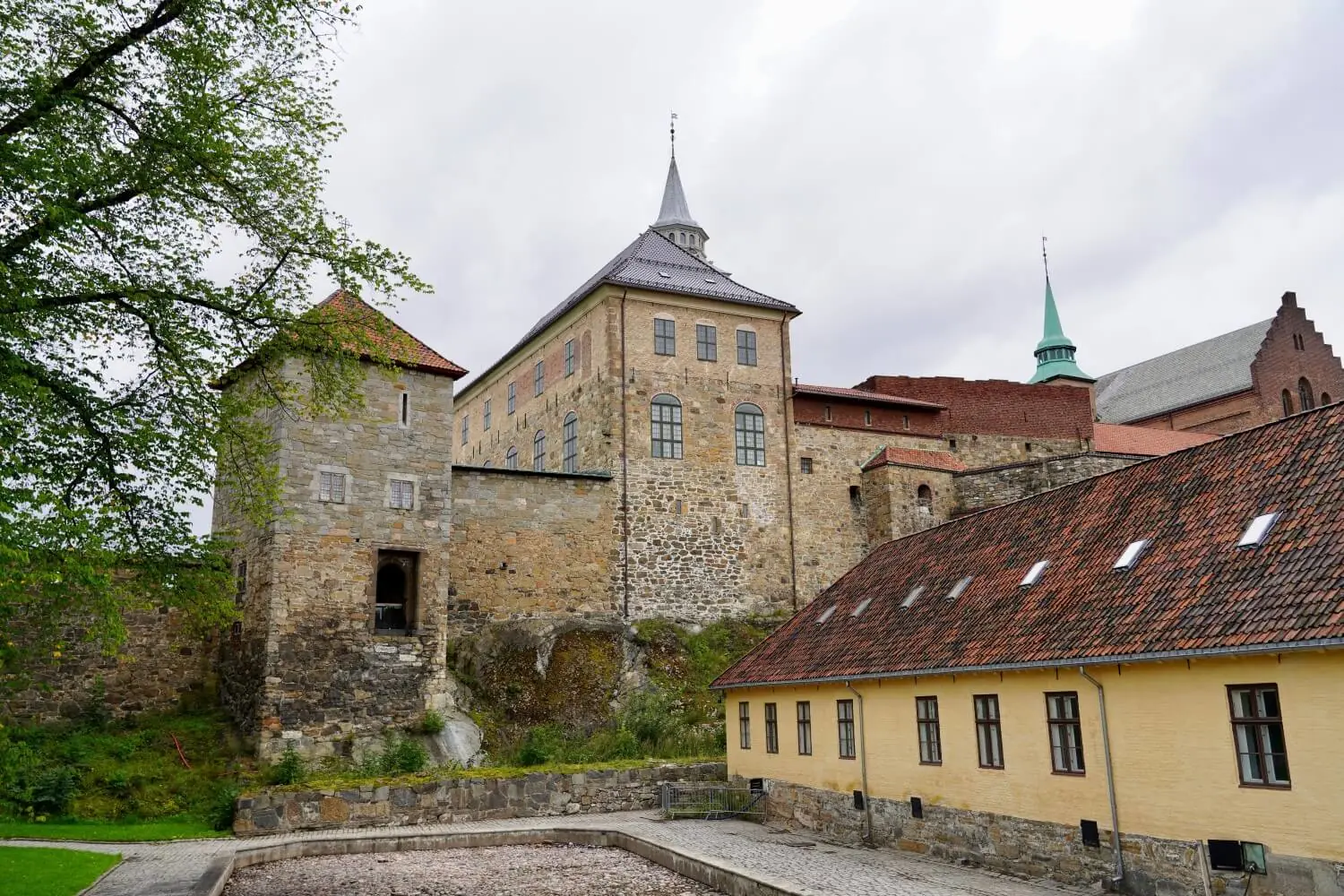
Oslo
Explore the medieval Akershus Fortress, royal buildings, museums and modern waterfront of Norway’s capital.
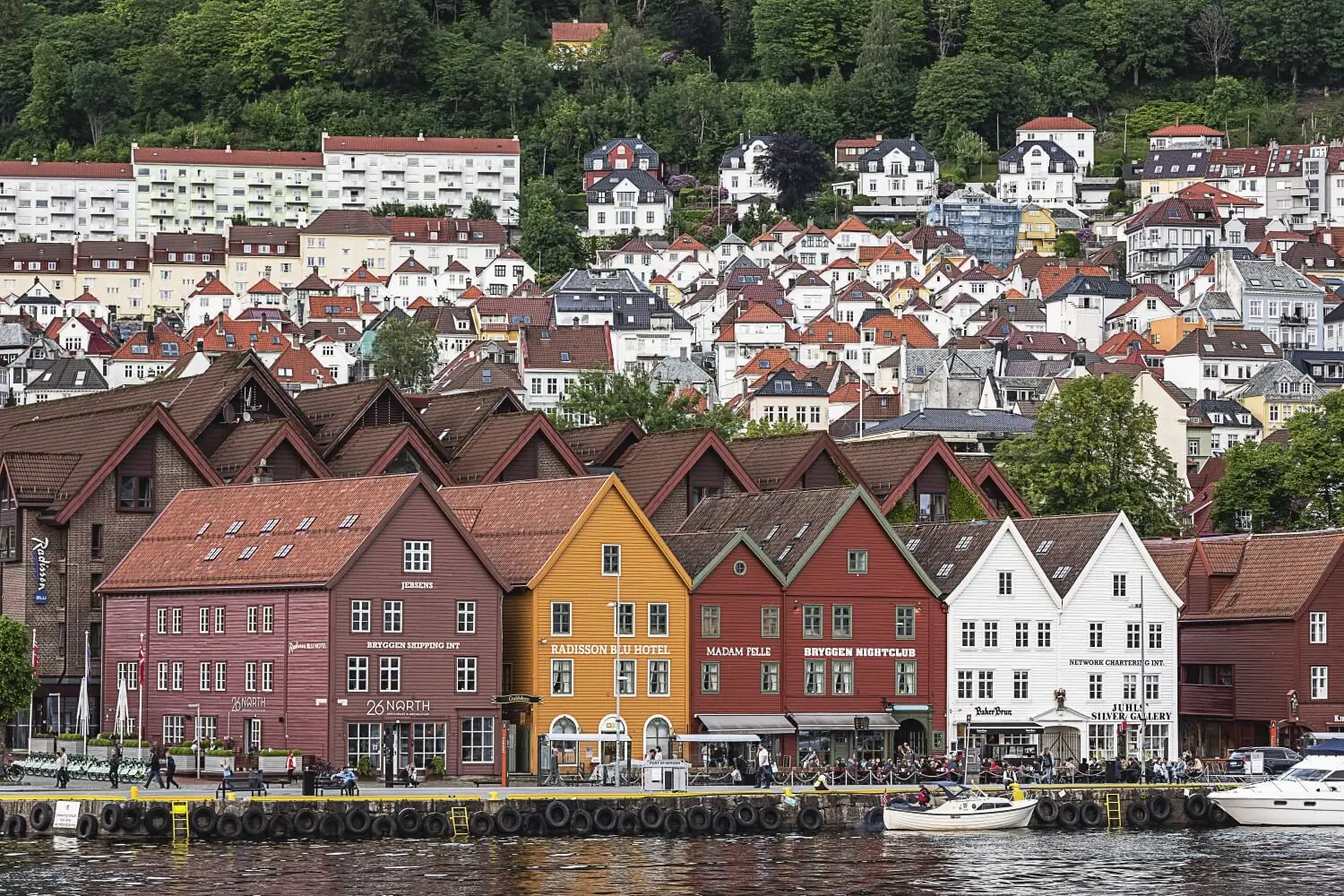
Bergen
Discover Bryggen’s Hanseatic trading houses, maritime history and mountain-backed harbour.
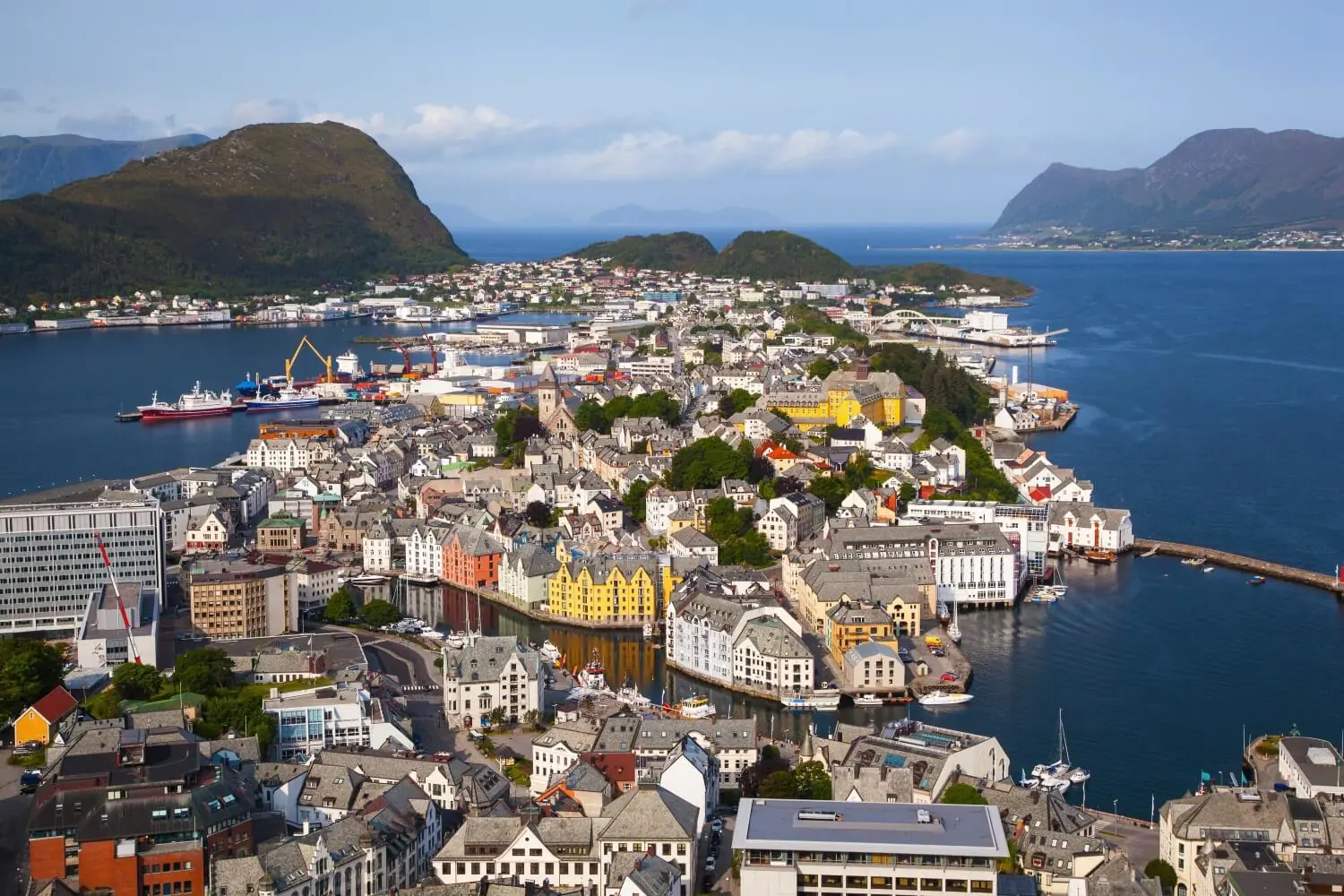
Ålesund
Explore Art Nouveau streets, harbour scenery and the island landscape of western Norway.
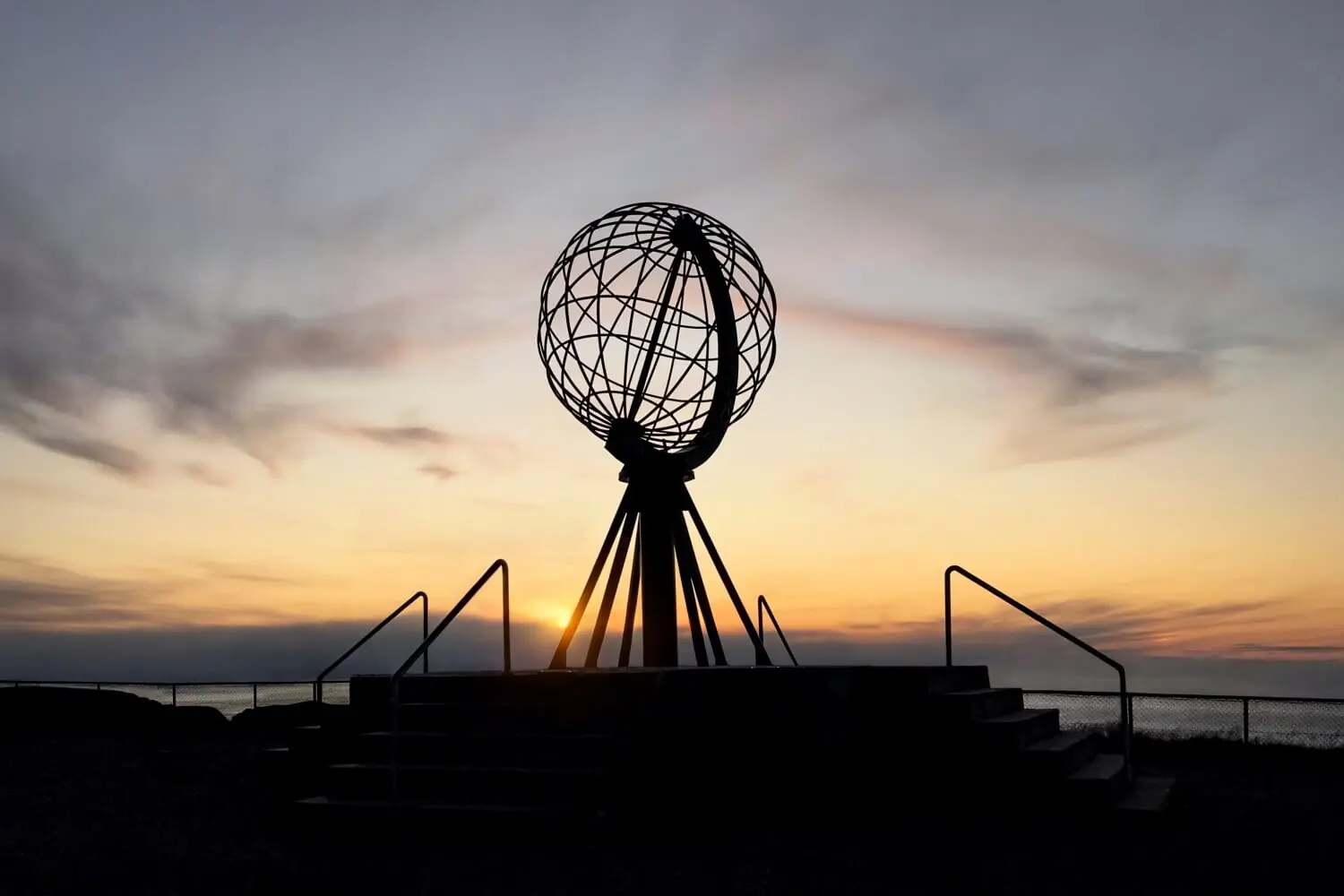
North Cape
Journey to the Arctic headland of Nordkapp and learn about northern Norway’s coastal routes and Sámi heritage.