Oslo
Viking history, medieval fortresses and Norway’s modern waterfront capital
Discover Oslo, Norway’s capital on the Oslofjord, where Viking-era discoveries, medieval Akershus Fortress and royal heritage meet innovative museums and waterfront architecture. Explore the city’s layered past, from the old Christiania streets to its vibrant modern neighbourhoods.
INTRODUCTION
Welcome to Oslo
Oslo combines historic fortifications, royal institutions and world-class museums along the Oslofjord. Founded as a medieval trading settlement, the city evolved through centuries of Scandinavian unions, devastating fires and national independence.
Walk between Akershus Fortress, the city centre and the harbour, explore the Viking Age through archaeological collections and discover Oslo’s maritime traditions, sculpture parks and contemporary cultural landmarks.
WHY VISIT
Why Visit Oslo?
Norway’s capital rewards travellers interested in both history and modern urban culture. Medieval remains, royal architecture, polar exploration and Scandinavian design can all be explored within a remarkably accessible city.
01
Akershus Fortress & Medieval Oslo
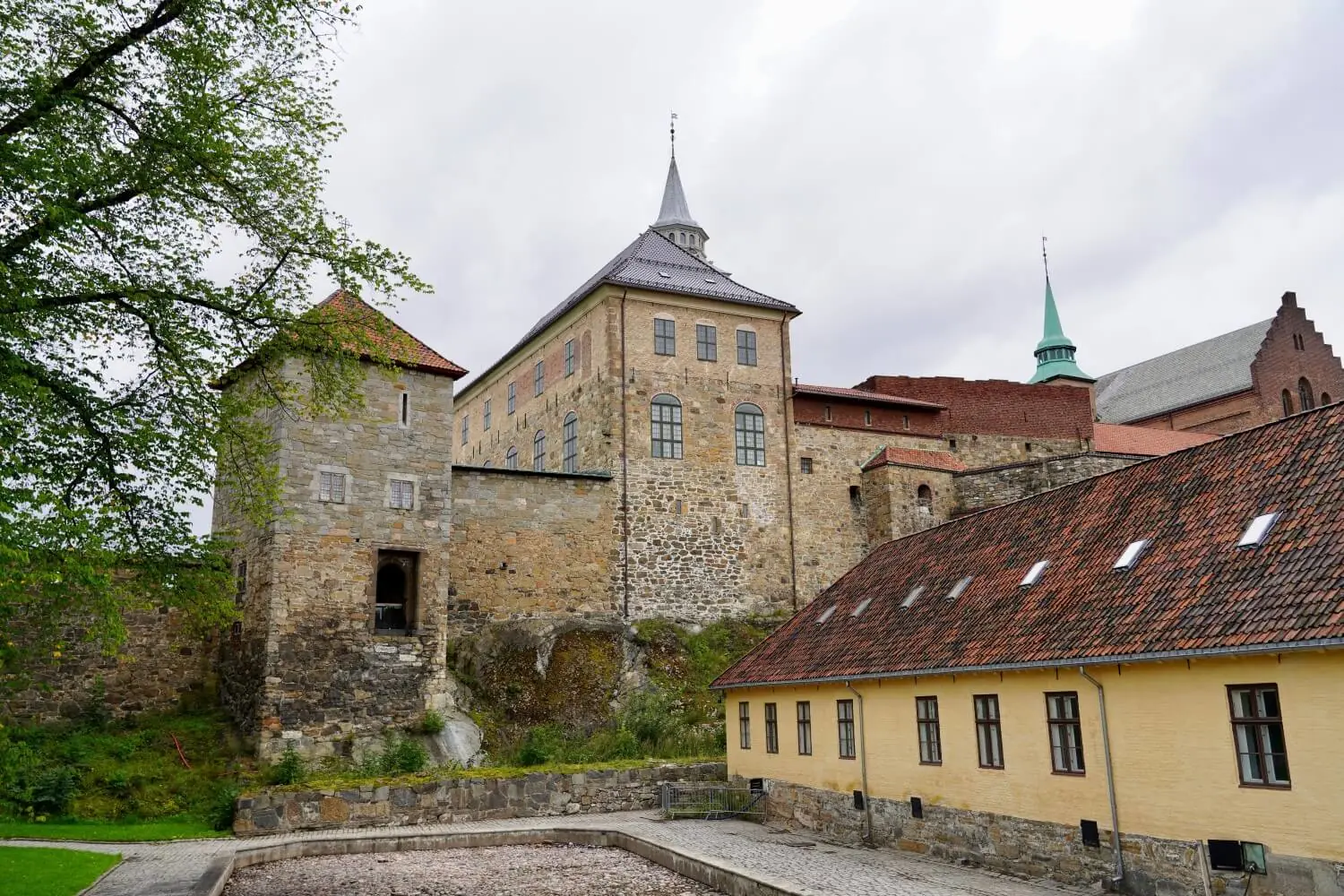
The fortress overlooking the harbour traces Oslo’s strategic importance from the Middle Ages onward. Its stone walls and later buildings reveal centuries of royal power, defence and political change.
02
Viking Heritage & Maritime Exploration
Oslo’s museums and archaeological collections illuminate Viking shipbuilding, seafaring and wider Norwegian maritime history. Check exhibitions and museum access before visiting.
03
Royal Capital & National Independence
From the Royal Palace to the parliament and historic streets of Christiania, Oslo reflects Norway’s path through unions and the emergence of an independent modern state in 1905.
04
Oslofjord, Architecture & Culture
The waterfront links the historic harbour to the Opera House, modern libraries, museums and neighbourhoods that show how Norway’s capital continues to reinvent itself.
HISTORY
A Short History of Oslo
Oslo developed as a medieval settlement on the Oslofjord and became an important royal and ecclesiastical centre. The remains of medieval Oslo lie around today’s Gamlebyen, while Akershus Fortress, begun around the end of the thirteenth century, guarded the harbour.
After a destructive fire in 1624, King Christian IV ordered the town rebuilt near Akershus and renamed it Christiania (later Kristiania). The city expanded through trade, administration and industry while Norway remained in political unions with Denmark and subsequently Sweden.
Following Norway’s independence in 1905, the capital grew as a centre of national government and culture. The name Oslo was restored in 1925. Today the city’s museums, monuments and revitalised waterfront offer many ways to trace its Viking, medieval and modern stories.
KEY HISTORICAL MOMENT
1624
Following a devastating fire, Christian IV established the rebuilt town beside Akershus Fortress and named it Christiania. This decision shaped the street plan of the historic Kvadraturen district.
TOP SIGHTS
Top Sights in Oslo
These eight places span Oslo’s medieval defences, royal government, Viking heritage, maritime museums and contemporary waterfront. Some sites are in the centre, while others lie on the Bygdøy peninsula.
1
Akershus Fortress
Explore this medieval fortress and former royal stronghold overlooking the Oslofjord. Its defensive walls, castle buildings and memorial sites tell stories of monarchy, warfare and national history.
2
Royal Palace (Det kongelige slott)
The nineteenth-century Royal Palace stands at the end of Karl Johans gate. Enjoy the surrounding park and, when available, tours of the royal interiors during their seasonal opening period.
3
Oslo Cathedral (Oslo Domkirke)
This seventeenth-century cathedral remains an important place of worship and national ceremony. Its interior artwork and position in the city centre provide a link to historic Christiania.
4
Norwegian Folk Museum (Norsk Folkemuseum)
On Bygdøy, this open-air museum brings together historic buildings from across Norway, including the medieval Gol Stave Church. It offers a broad picture of everyday life and rural traditions.
5
Fram Museum
Visit the polar exploration ship Fram on Bygdøy and learn about expeditions associated with Fridtjof Nansen, Roald Amundsen and Norway’s history of Arctic and Antarctic exploration.
6
Viking Ship Heritage & Historical Collections
Explore Oslo’s Viking story through current museum exhibitions and archaeological collections. The Viking Ship Museum on Bygdøy has been closed for redevelopment; verify the opening status of its successor museum before planning a visit.
7
Oslo Opera House
The striking waterfront opera house invites visitors to walk across its sloping exterior for views of the fjord. Its contemporary design symbolises Oslo’s transformation from working harbour to cultural district.
8
Vigeland Sculpture Park
Within Frogner Park, Gustav Vigeland’s monumental sculpture installation explores the human life cycle. The park also reflects twentieth-century art and urban planning in Oslo.
THINGS TO DO
Things to Do in Oslo
Combine historic neighbourhood walks with museums, fjord views and cultural attractions. Oslo’s public transport network makes it straightforward to travel between the central waterfront and Bygdøy.
Walk the Medieval Fortress & Old Christiania
Start at Akershus Fortress and explore nearby Kvadraturen, the quarter laid out after the 1624 fire. Look for historic buildings and street patterns linked to Christian IV’s rebuilt capital.
EXPLORE OSLO HISTORY WALKS →
Discover Viking & Norwegian Folk Heritage
Spend time with Oslo’s archaeological or cultural collections, then visit Norsk Folkemuseum on Bygdøy for historic houses and the distinctive Gol Stave Church.
DISCOVER OSLO HERITAGE EXPERIENCES →
Explore the Oslofjord Waterfront
Walk between the Opera House, Bjørvika and the historic harbour. The contrast between Akershus, new architecture and fjord scenery makes the city’s long maritime story especially visible.
BROWSE OSLO FJORD EXPERIENCES →
Visit Bygdøy’s Maritime Museums
Take public transport to Bygdøy and explore the Fram Museum and other nearby maritime collections. Opening hours vary, so check individual museums and transport connections.
EXPLORE OSLO MARITIME MUSEUMS →
SUGGESTED ITINERARY
3 Days in Oslo
Three days provide time for the historic centre, major museums on Bygdøy and Oslo’s parks and waterfront. This route groups nearby sights to reduce unnecessary travel.
DAY 1
Akershus, Royal Oslo & the Old Centre
MORNING
Begin at Akershus Fortress and walk through its historic grounds. Continue into Kvadraturen to see the street plan associated with Christiania’s seventeenth-century rebuilding.
AFTERNOON
Follow Karl Johans gate to Oslo Cathedral and the Royal Palace. Enjoy Slottsparken and explore the buildings associated with the modern Norwegian state.
EVENING
Have dinner near the centre or harbour and enjoy an evening walk with views over the Oslofjord.
DAY 2
Bygdøy Museums & Maritime History
MORNING
Travel to Bygdøy and explore the Norwegian Folk Museum, including its outdoor historic buildings and stave church.
AFTERNOON
Visit the Fram Museum to learn about Norwegian polar expeditions. Add another Bygdøy collection if time and opening schedules permit.
EVENING
Return to central Oslo for a relaxed evening; consider the waterfront around Aker Brygge and Tjuvholmen.
DAY 3
Bjørvika, Sculpture & City Culture
MORNING
Explore the Opera House and Bjørvika waterfront, with time for nearby cultural institutions or contemporary architecture.
AFTERNOON
Head to Frogner Park to see the Vigeland sculptures. Alternatively, choose a museum or historic neighbourhood that interests you most.
EVENING
Finish with a fjordside stroll and views of Oslo’s skyline before departure.
WHERE TO STAY
Where to Stay in Oslo
Choose Sentrum for central sightseeing, Bjørvika for contemporary waterfront surroundings, or Frogner and Majorstuen for quieter residential streets with convenient public transport.
01
Sentrum & Karl Johans Gate
A practical base for Akershus, Oslo Cathedral, the Royal Palace, restaurants and transport. Central streets can be lively, especially on weekends.
FIND HOTELS IN CENTRAL OSLO →
02
Bjørvika & Barcode District
Modern hotels close to Oslo Central Station, the Opera House and waterfront attractions. Ideal if you prefer contemporary architecture and easy rail access.
BROWSE BJØRVIKA HOTELS →
03
Aker Brygge & Tjuvholmen
Waterfront areas with restaurants, galleries and harbour views. They suit travellers seeking a lively setting within reach of the historic centre.
FIND OSLO WATERFRONT STAYS →
04
Frogner & Majorstuen
Attractive residential districts near parks, cafés and the Vigeland sculptures. Use trams or the metro to reach the central attractions.
EXPLORE FROGNER & MAJORSTUEN HOTELS →
GETTING AROUND
Getting Around Oslo
Oslo is easy to explore with a combination of walking and public transport. Trams, metro trains, buses and ferries serve the centre, the fjord and surrounding neighbourhoods.
On Foot
Walk between Akershus, Kvadraturen, Karl Johans gate and much of the harbourfront. Allow extra time for hills, winter ice and longer distances between districts.
By Tram, Bus & Metro
Ruter coordinates much of the local network, including trams, buses, metro and selected ferries. Check current zones, ticket rules and service changes before travelling.
By Train
Oslo Central Station (Oslo S) is Norway’s main rail hub, with connections towards Bergen, Trondheim, the airport and other destinations. Check current schedules in advance.
From Oslo Airport (Gardermoen)
Oslo Airport is linked to the centre by airport express and regional rail services. Choose a connection suitable for your arrival and check current tickets and operating times.
By Ferry, Bicycle & Car
Seasonal and year-round ferries connect parts of the Oslofjord; check route schedules. Cycling can be practical in warmer weather, while a car is generally unnecessary for central sightseeing.
BEST TIME TO VISIT
Best Time to Visit Oslo
Late spring through early autumn offers long daylight hours, green parks and pleasant walks by the fjord. Winter brings shorter days, cold weather and a different atmosphere in the capital.
Spring
MARCH TO MAY
Spring brings milder weather, flowering parks and growing daylight. May is particularly pleasant for walking between monuments and waterfront districts.
Summer
JUNE TO AUGUST
Summer is ideal for fjord trips, outdoor cafés and long evenings. Museums and popular attractions can be busy, so plan ahead for key visits.
Autumn & Winter
SEPTEMBER TO FEBRUARY
Autumn offers changing colours and quieter cultural visits. Winter may be snowy or icy, but museums, Christmas events and crisp city views still reward travellers.
BEST OVERALL TIME
May–June & September
Late spring and early autumn generally offer a useful balance of sightseeing weather and manageable visitor numbers. Choose summer for the longest days and winter for seasonal experiences.
Next Destinations
Bergen
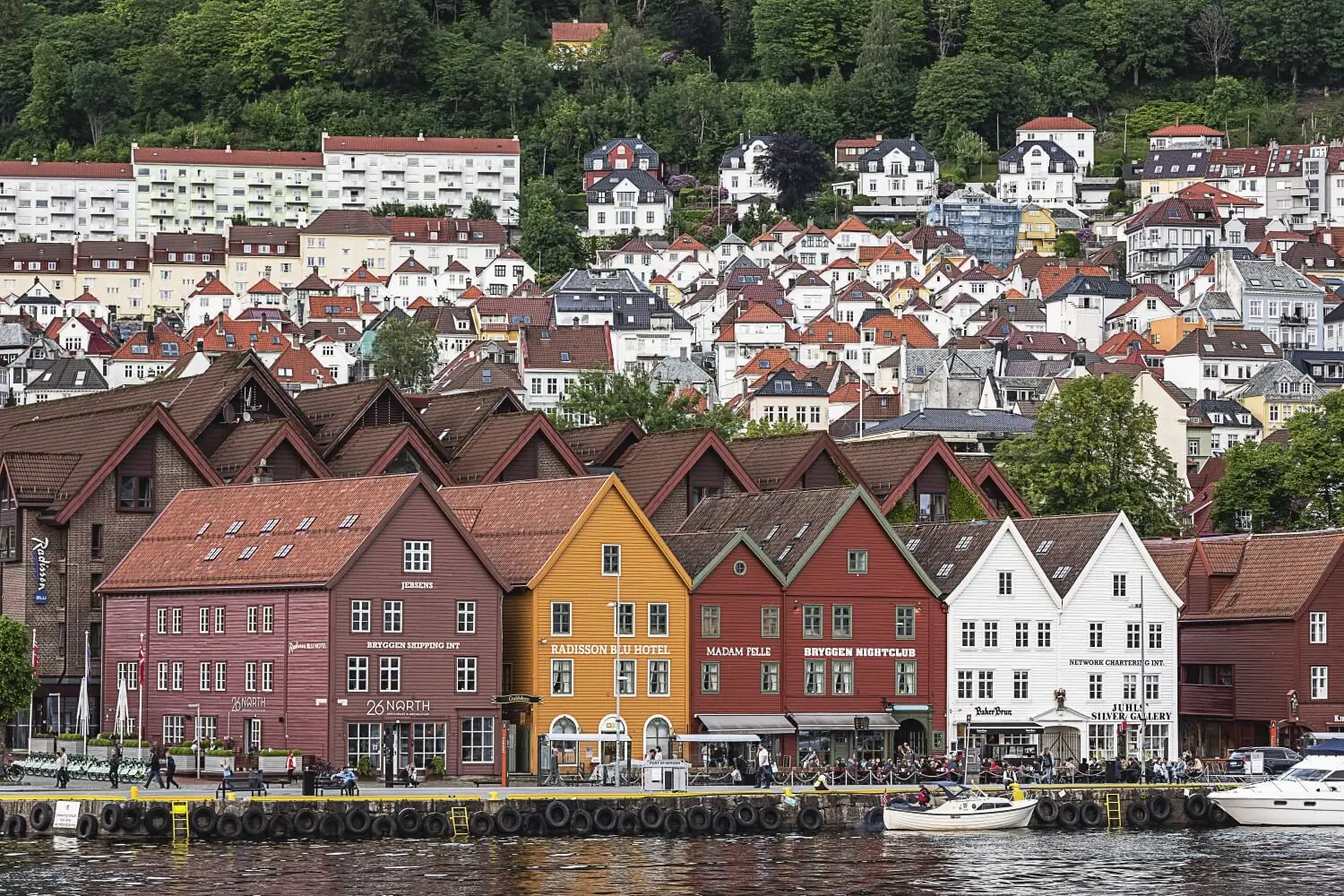
Discover Bryggen’s historic Hanseatic waterfront, mountain views and centuries of maritime trade.
Ålesund
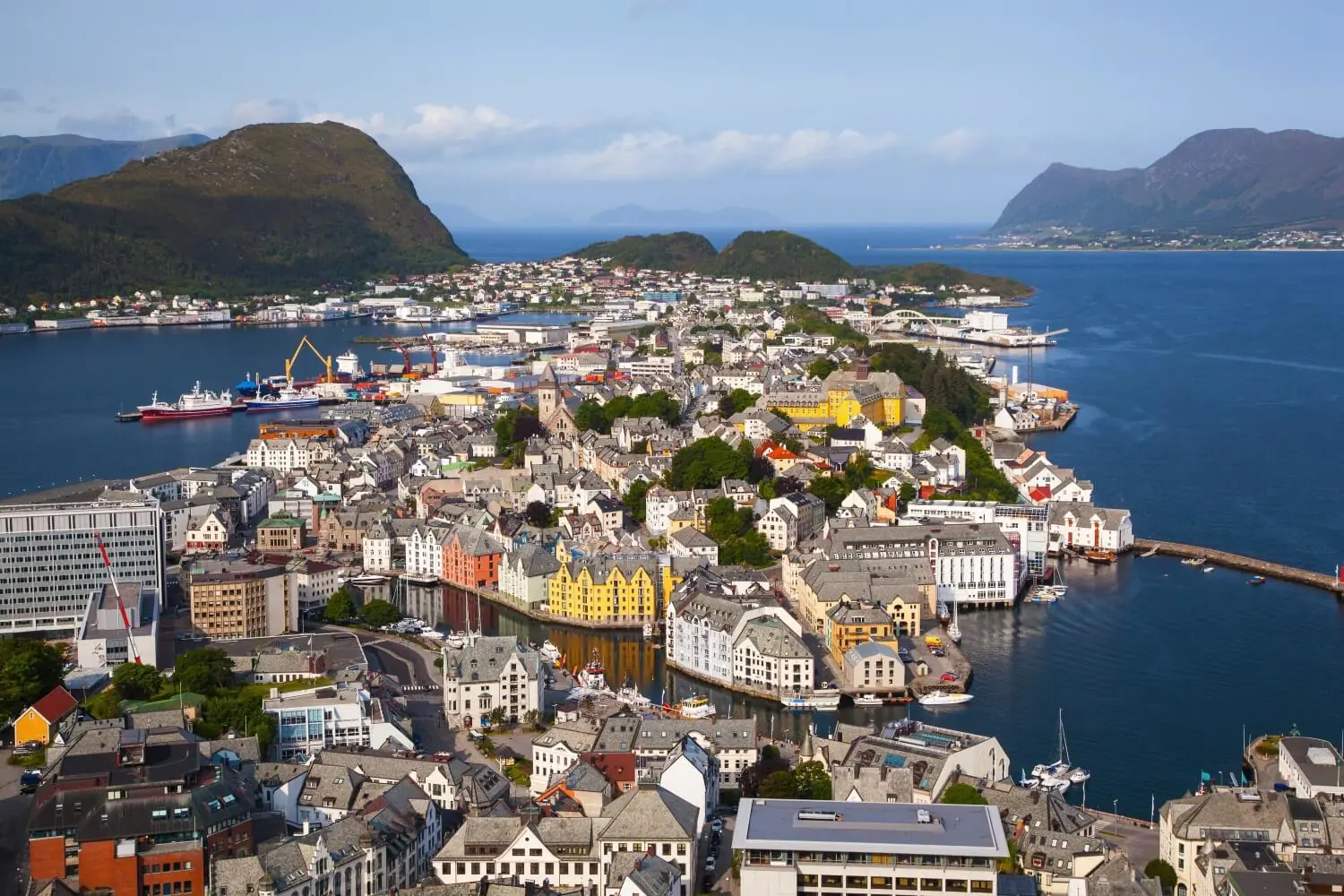
Explore Art Nouveau architecture, a distinctive coastal townscape and the dramatic islands of western Norway.
Lofoten Islands
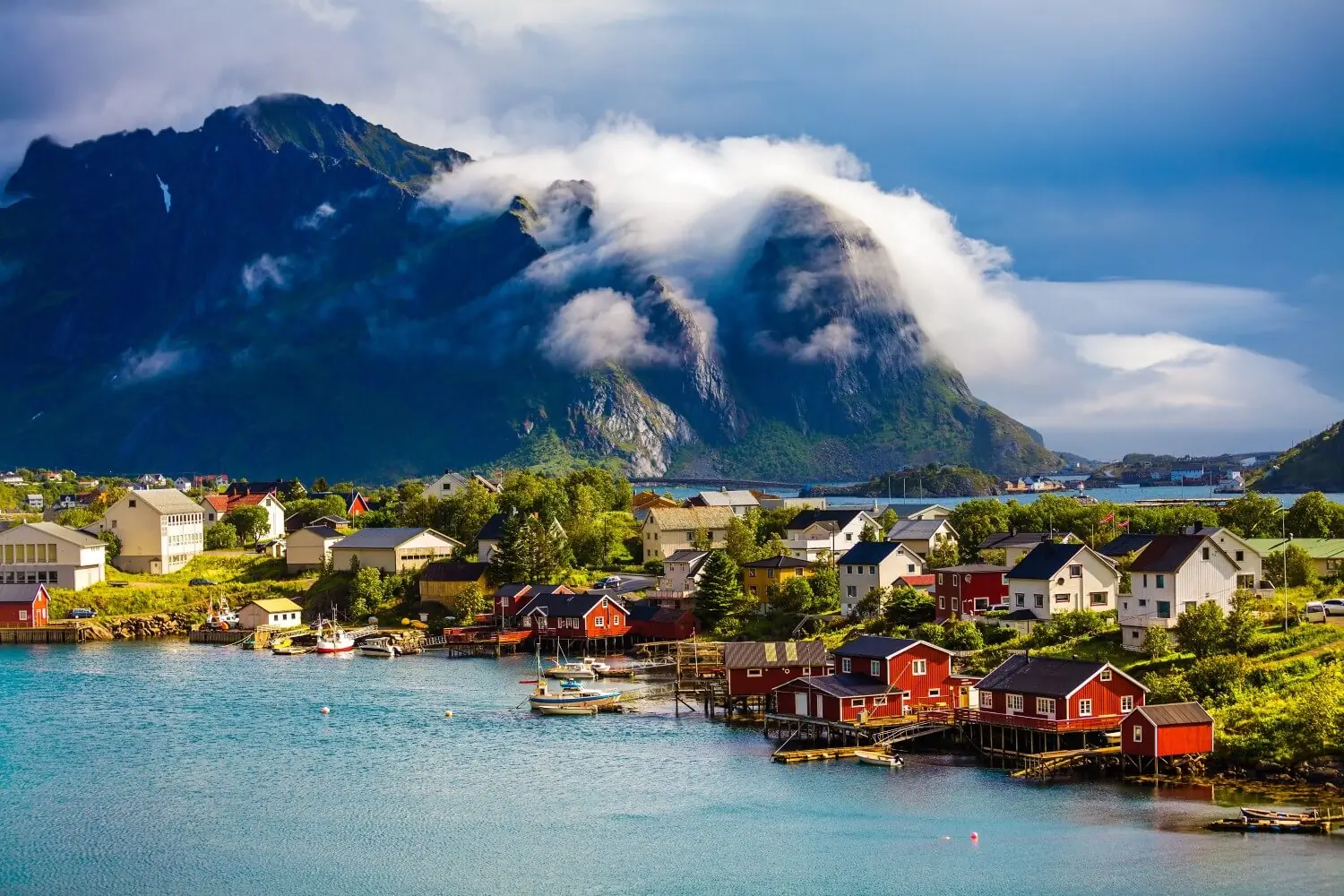
Travel through fishing villages, Arctic landscapes and the long story of Norwegian cod fishing and seafaring.
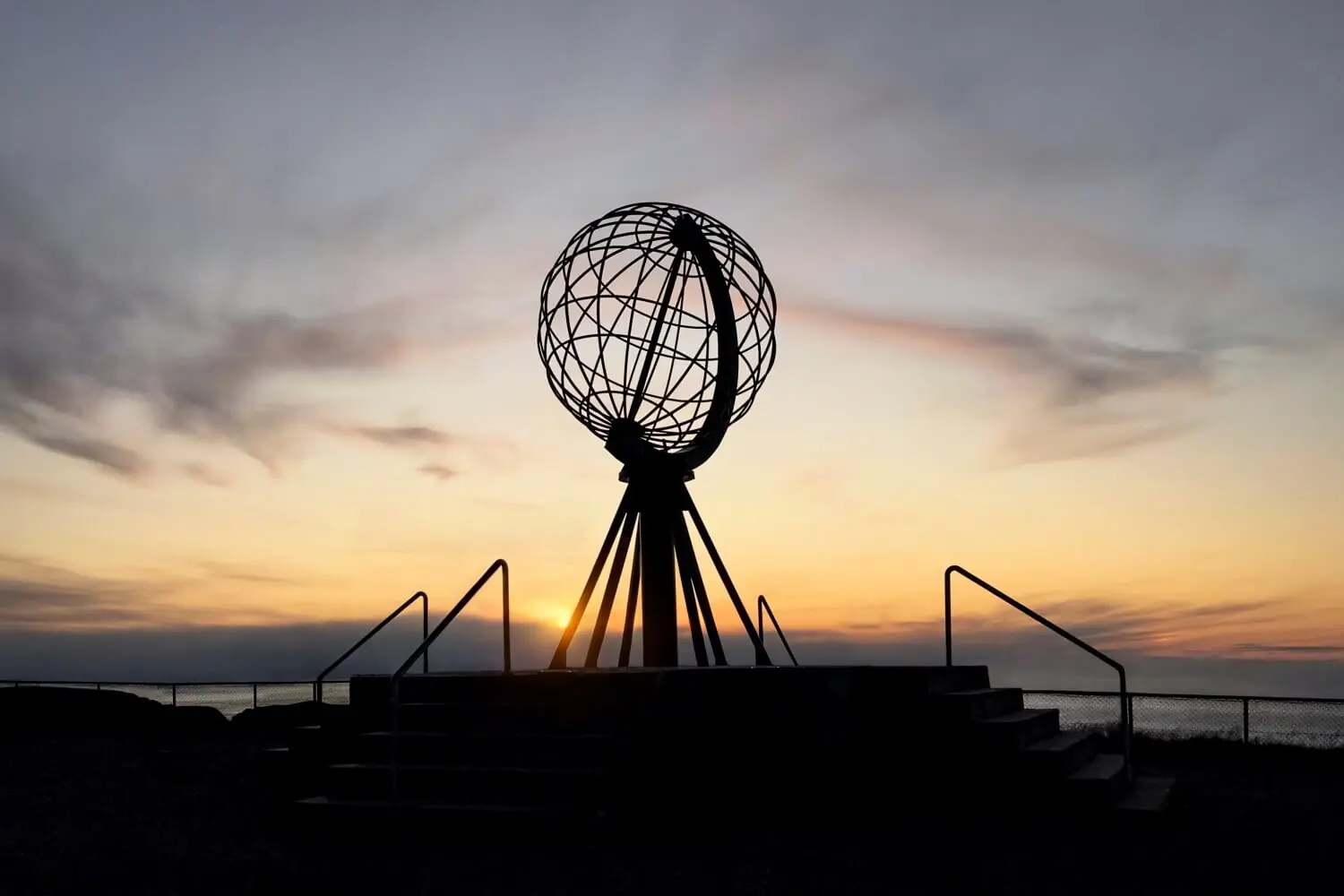
North Cape
Visit the dramatic Arctic headland, explore northern travel traditions and discover the landscapes of Finnmark.