Nuwara Eliya
Colonial heritage, tea estates and cool-climate highlands
Discover Nuwara Eliya through its colonial-era townscape, tea estates, historic railway connections and highland landscapes, with a practical three-day itinerary connecting the town centre, Gregory Lake, Nanu Oya and nearby gardens and viewpoints.
INTRODUCTION
Welcome to Nuwara Eliya
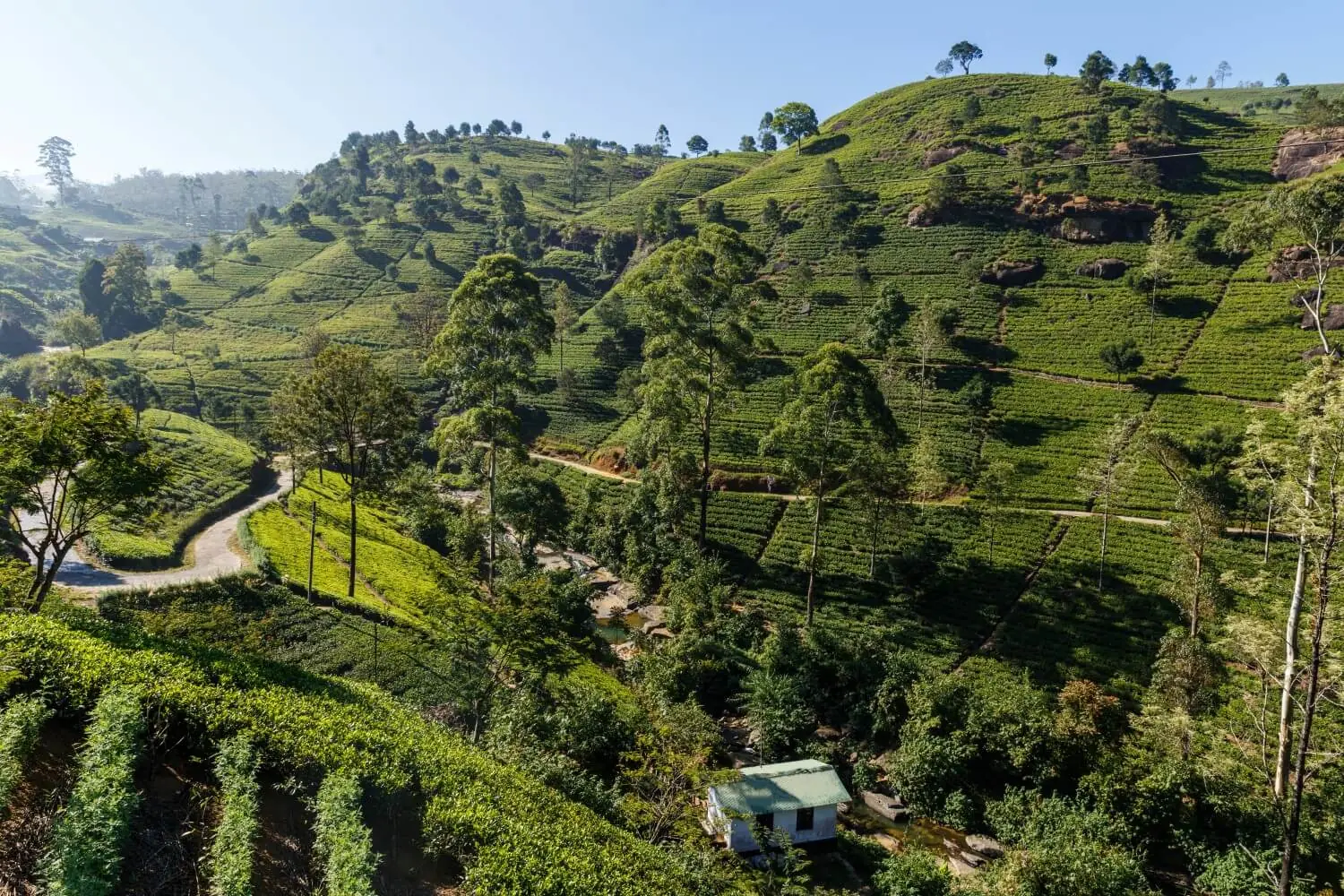
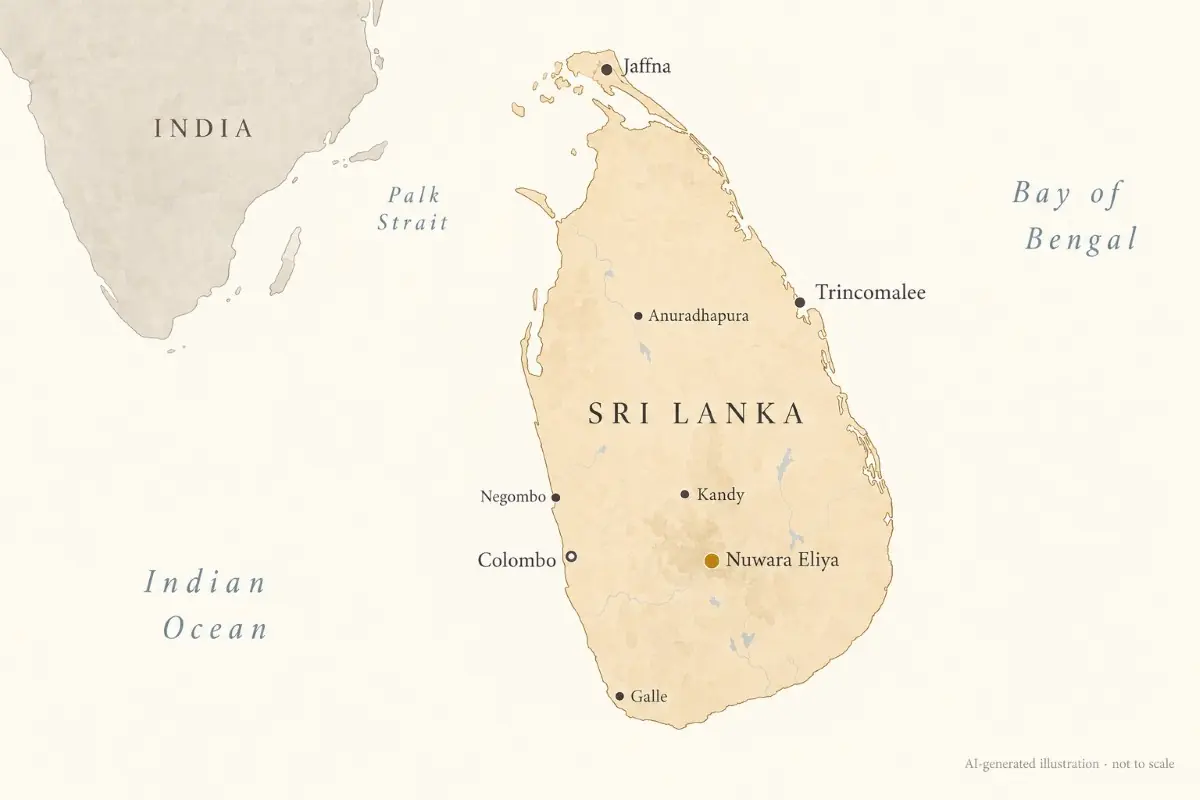
Nuwara Eliya developed during British rule as a cool-climate hill station surrounded by tea estates and mountain scenery. Colonial-era civic buildings, churches, clubs, gardens and nearby plantations still shape the character of the town and make it one of Sri Lanka’s most distinctive highland destinations.
Two full days cover Nuwara Eliya’s essential historic sights and tea-country experiences, while a third allows time for Hakgala, Horton Plains or a slower exploration of the surrounding highlands. Staying overnight also lets you experience the town in its quieter mornings and cool evenings.
WHY VISIT
Why Visit Nuwara Eliya?
Nuwara Eliya combines colonial-era architecture, plantation history and cool-climate scenery in one compact highland town. Its churches, civic buildings, tea estates and railway connections make it one of Sri Lanka’s best places to understand how British rule transformed the central mountains.
01
Colonial Hill-Station Heritage
Nuwara Eliya was developed as a British hill station where colonial officials and planters escaped the tropical heat of the lowlands. Historic hotels, clubs, churches and civic buildings still preserve that nineteenth- and early twentieth-century character.
02
Tea Estates & Plantation History
Tea estates surround Nuwara Eliya and remain central to the local landscape and economy. Factories, estate roads and workers’ settlements reveal how plantation agriculture reshaped the highlands under British rule.
03
Gardens, Parks & Cool-Climate Landscapes
Victoria Park, Gregory Lake and nearby botanical gardens reflect the colonial preference for landscaped leisure spaces in a cool mountain setting. Together they give Nuwara Eliya a character unlike Sri Lanka’s warmer lowland cities.
04
A Base for the Central Highlands
Nuwara Eliya is a useful base for exploring tea estates, Horton Plains, Hakgala and the scenic railway corridor through Nanu Oya. It also connects naturally with Kandy, Nuwara Eliya and other highland towns.
HISTORY
A Short History of Nuwara Eliya
Nuwara Eliya’s modern history is closely tied to British expansion into Sri Lanka’s central highlands during the nineteenth century. Its cool climate and elevated setting encouraged colonial officials and planters to develop the area as a retreat and administrative centre.
Roads, railways and plantation agriculture transformed the surrounding mountains. Coffee estates were followed by tea after disease devastated much of the coffee industry, and the district became one of the most important tea-producing areas in the island.
By the late nineteenth and early twentieth centuries, Nuwara Eliya had acquired churches, hotels, clubs, gardens and sporting grounds that reflected British social life. Many of these institutions survive in altered form, preserving the atmosphere of the colonial hill station within a modern Sri Lankan town.
KEY HISTORICAL MOMENT
19th century
During the nineteenth century, British officials, planters and engineers transformed Nuwara Eliya into a hill station linked to the expanding plantation economy. Tea estates, roads, railway connections and civic institutions created the highland townscape that still defines the area today.
TOP SIGHTS
Top Sights in Nuwara Eliya
These eight sights connect Nuwara Eliya’s colonial heritage, plantation history and highland landscape. The town centre is essential, but the destination becomes far more rewarding when you add churches, gardens, tea estates and the historic railway connection at Nanu Oya.
1
Nuwara Eliya Post Office
Nuwara Eliya Post Office is Nuwara Eliya’s most recognisable railway landmark. Built in the early twentieth century, its stone and brick arches curve through dense greenery and reflect the engineering of Sri Lanka’s colonial-era railway network.
2
Holy Trinity Church
Holy Trinity Church is one of Nuwara Eliya’s most important surviving colonial churches. Its modest Gothic character and memorials preserve a direct link with the British community that developed around the hill station.
3
Victoria Park
Victoria Park is a landscaped public garden in the centre of town, reflecting the Victorian taste for formal leisure spaces in the cool highlands. It remains one of the easiest places to experience Nuwara Eliya’s hill-station atmosphere.
4
Gregory Lake
Gregory Lake was created during the colonial period and became part of Nuwara Eliya’s recreational landscape. Today its shores offer an open view of the surrounding hills and the planned character of the town.
5
The Hill Club & Grand Hotel Area
The area around the Hill Club and Grand Hotel preserves some of the strongest reminders of elite colonial social life in Nuwara Eliya. Historic architecture, gardens and club traditions reflect the town’s role as a seasonal retreat for officials and planters.
6
Pedro Tea Estate
Pedro Tea Estate lies close to Nuwara Eliya and offers direct insight into the region’s plantation history. Factory visits and estate views help explain how tea production reshaped the highland economy and landscape.
7
Nanu Oya Railway Station
Nanu Oya is the main railway gateway for Nuwara Eliya. The station sits on Sri Lanka’s historic Main Line and links the town with Kandy, Colombo, Haputale and Nuwara Eliya through one of the country’s most scenic rail corridors.
8
Hakgala Botanical Garden
Hakgala Botanical Garden lies above the valley near Nuwara Eliya and is linked with local versions of the Ramayana tradition. The steep approach and cave setting add a different cultural layer to the area’s better-known railway and plantation history.
THINGS TO DO
Things to Do in Nuwara Eliya
Nuwara Eliya works best when its colonial streets are combined with tea-country and railway history. Add churches, gardens, estates and Nanu Oya rather than treating the town as only a scenic highland stop.
Walk the Colonial Town Centre
Walk between Nuwara Eliya, Nuwara Eliya Post Office and nearby railway viewpoints with historical context. The route is more rewarding when you understand how the Main Line was engineered through the highlands.
EXPLORE NUWARA ELIYA HISTORY TOURS →
Visit a Tea Estate & Factory
Visit a working tea estate to learn how plantation agriculture reshaped the central highlands and how tea is processed today.
BROWSE NUWARA ELIYA TEA TOURS →
Explore Nanu Oya & Railway Heritage
Travel to Nanu Oya to see Nuwara Eliya’s historic railway gateway and connect the hill station with the Main Line that served the plantation economy.
DISCOVER NUWARA ELIYA RAILWAY HISTORY →
Take a Day Trip to Horton Plains
Take a longer hike to Gregory Lake or explore quieter highland trails beyond the town. These routes provide a stronger sense of the terrain that shaped local settlement and transport.
EXPLORE HORTON PLAINS TOURS →
SUGGESTED ITINERARY
3 Days in Nuwara Eliya
Three days allow you to experience Nuwara Eliya beyond a quick stop in the town centre. Use the first day for colonial heritage, the second for tea and railway history, and the third for gardens, Horton Plains or another highland excursion.
DAY 1
Colonial Town Centre & Gregory Lake
MORNING
Begin at Holy Trinity Church and walk towards Nuwara Eliya Post Office before the busiest part of the day. Take time to watch the railway landscape rather than treating the bridge as a quick photo stop.
AFTERNOON
After lunch, continue to Gregory Lake and explore the surrounding planned landscape. The open setting helps explain why the area appealed to colonial officials seeking a cooler retreat.
EVENING
Spend the evening in central Nuwara Eliya or at a hillside hotel. The cool evening atmosphere is one of the town’s most distinctive features.
DAY 2
Tea Estates & Nanu Oya Railway
MORNING
Start with a tea estate or factory visit to understand plantation history and the production process before continuing through the surrounding highland landscape.
AFTERNOON
Spend the afternoon at Nanu Oya railway station or on a short rail journey through the hills. The station provides a direct link between the tea economy and colonial transport infrastructure.
EVENING
Spend the evening back in Nuwara Eliya, with time for a relaxed walk through the centre or around the lake.
DAY 3
Hakgala, Horton Plains & Wider Highlands
MORNING
Visit Hakgala Botanical Garden in the morning for cool-climate horticulture, landscape design and a quieter side of Nuwara Eliya’s colonial legacy.
AFTERNOON
In the afternoon, continue to Horton Plains if you have an early start and suitable transport, or choose another nearby viewpoint or estate if you prefer a slower day.
EVENING
Return to Nuwara Eliya for a final evening meal and one last walk through the cool highland town.
WHERE TO STAY
Where to Stay in Nuwara Eliya
Nuwara Eliya has a wide range of guesthouses, boutique hotels and hillside stays. Choose central Nuwara Eliya for restaurants and the station, the slopes towards Victoria Park for views, or quieter outlying areas for a more relaxed highland stay.
01
Town Centre
Stay in the town centre for the easiest access to the Post Office, Victoria Park, churches, restaurants and historic hotels. This is the most practical choice for a first visit.
FIND HOTELS IN CENTRAL NUWARA ELIYA →
02
Gregory Lake
The eastern side of Nuwara Eliya near Victoria Park offers quieter stays and easy access to the viewpoint and Nuwara Eliya Post Office. It suits travellers who prioritise walking and scenery.
BROWSE STAYS NEAR GREGORY LAKE →
03
Kandapola & Tea-Country Stays
Kandapola and nearby tea-country properties offer estate views, cooler air and a quieter atmosphere. A tuk-tuk, taxi or driver is useful if you stay outside the centre.
FIND TEA-COUNTRY STAYS NEAR NUWARA ELIYA →
04
Nanu Oya
Nanu Oya is practical for travellers prioritising the scenic railway. Accommodation is more limited than in Nuwara Eliya, but the station is close and the town can be reached quickly by road.
EXPLORE STAYS NEAR NANU OYA →
GETTING AROUND
Getting Around Nuwara Eliya
Nuwara Eliya’s historic centre is compact, but tea estates, gardens and railway connections are spread through the surrounding hills. Walking is useful in town, while buses, tuk-tuks and taxis are better for longer distances.
On Foot
Town Centre, Nuwara Eliya Post Office and several viewpoints can be reached on foot, though routes can be steep and uneven. Good shoes are essential for hikes and railway-side paths.
By Bus
Local buses connect Nuwara Eliya with Nanu Oya, Kandy, Hatton and nearby towns. They are inexpensive, though journey times can be slow on mountain roads.
By Train
Nuwara Eliya has no railway station. Nanu Oya is the nearest station and the main rail gateway, with connections towards Kandy, Colombo, Haputale and Ella. Continue between Nanu Oya and Nuwara Eliya by bus, tuk-tuk or taxi.
From Colombo & Bandaranaike International Airport
From Colombo, Nuwara Eliya can be reached by road or by train to Nanu Oya followed by a short road transfer. Travellers arriving at Bandaranaike International Airport should allow most of a day for the journey into the highlands.
By Tuk-Tuk, Taxi & Car
Tuk-tuks are ideal for short rides to trailheads and viewpoints, while trains are best for highland journeys. A car or driver is useful for The Hill Club & Grand Hotel Area, tea estates and more distant day trips.
BEST TIME TO VISIT
Best Time to Visit Nuwara Eliya
Nuwara Eliya is one of Sri Lanka’s coolest destinations because of its elevation. January to April is generally among the most comfortable periods, while rain and mist become more frequent during the wetter parts of the year.
January–April
DRIER SEASON
January to April usually offers some of the clearest conditions for town walks, tea-estate visits and highland excursions. Mornings and evenings can be distinctly cool.
May–September
HOT & DRY
May to September can still be good for travel, but cloud, wind and showers are more common. Conditions change quickly in the hills, so carry rain protection and a warm layer.
October–December
VARIABLE & WETTER LATE SEASON
October and November are often among the wetter months, with mist and heavier rain more likely. December can begin to improve, though conditions remain variable.
BEST OVERALL TIME
January–April
January to April usually offers the best balance of clearer skies, cool temperatures and good conditions for tea estates, town walks and highland day trips.
Next Destinations
Kandy
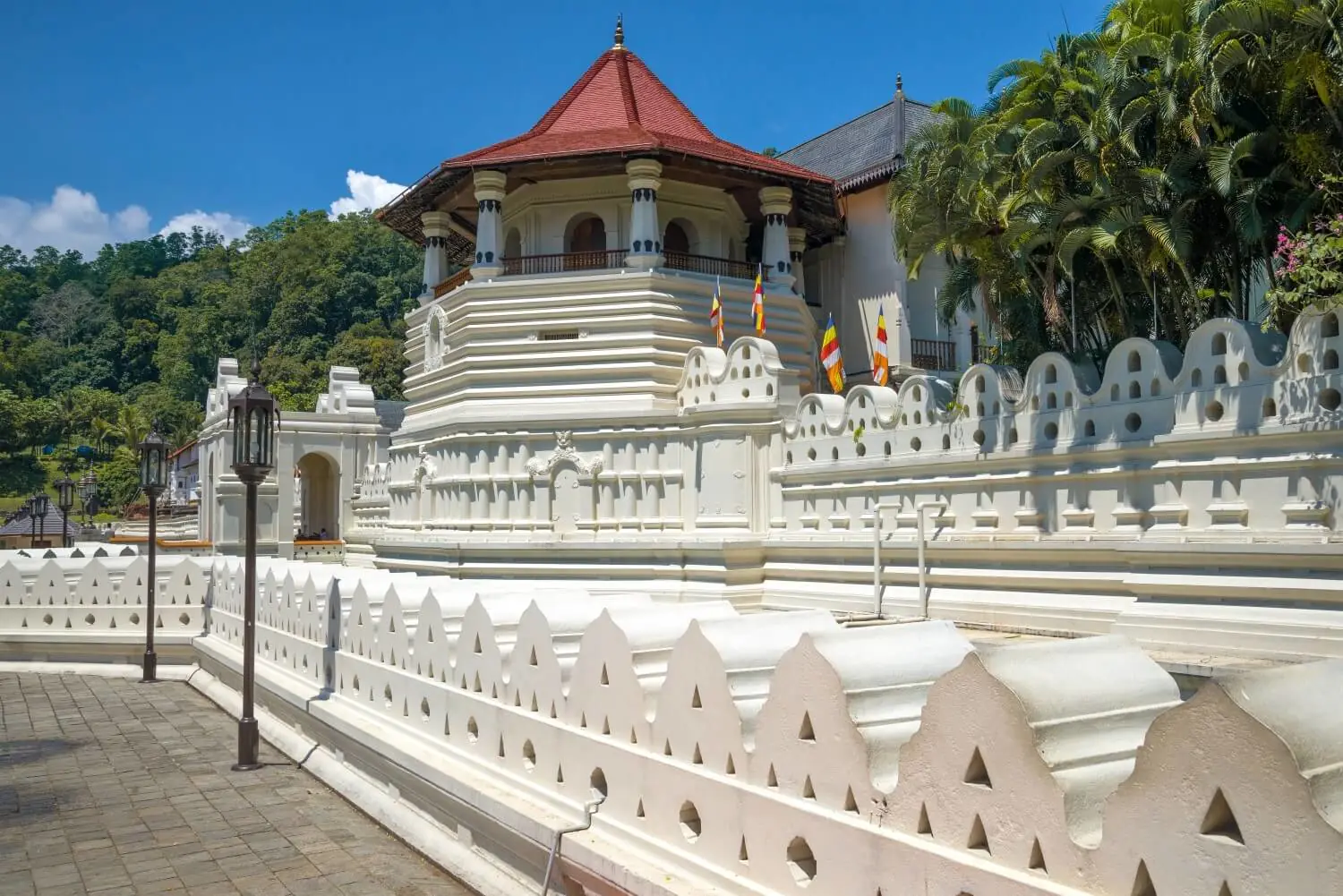
Travel north to Kandy for the Temple of the Sacred Tooth Relic, Kandyan royal history and the cultural traditions of Sri Lanka’s central highlands.
Ella
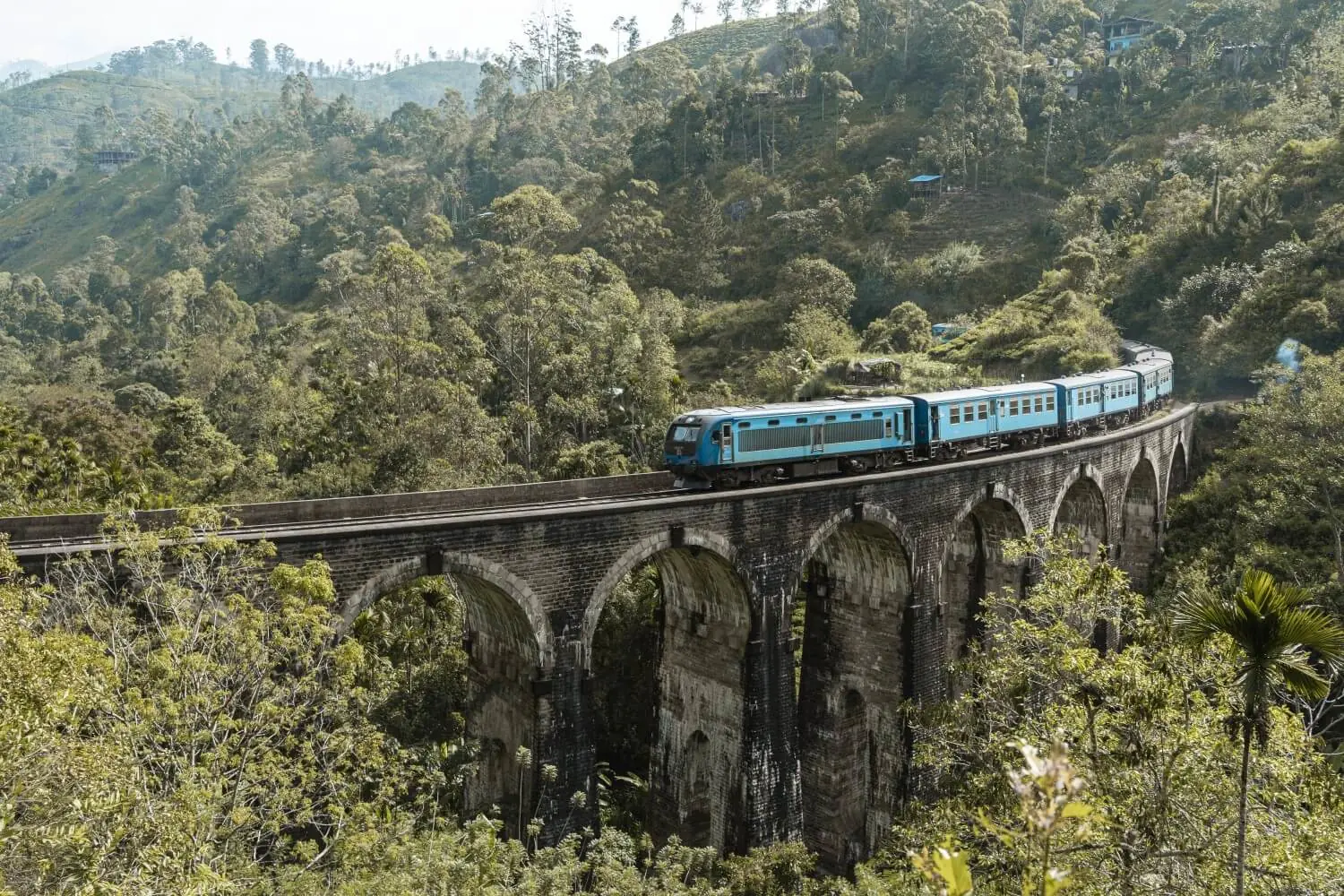
Continue south-east to Ella for railway heritage, tea-country walks and the famous Nine Arches Bridge.
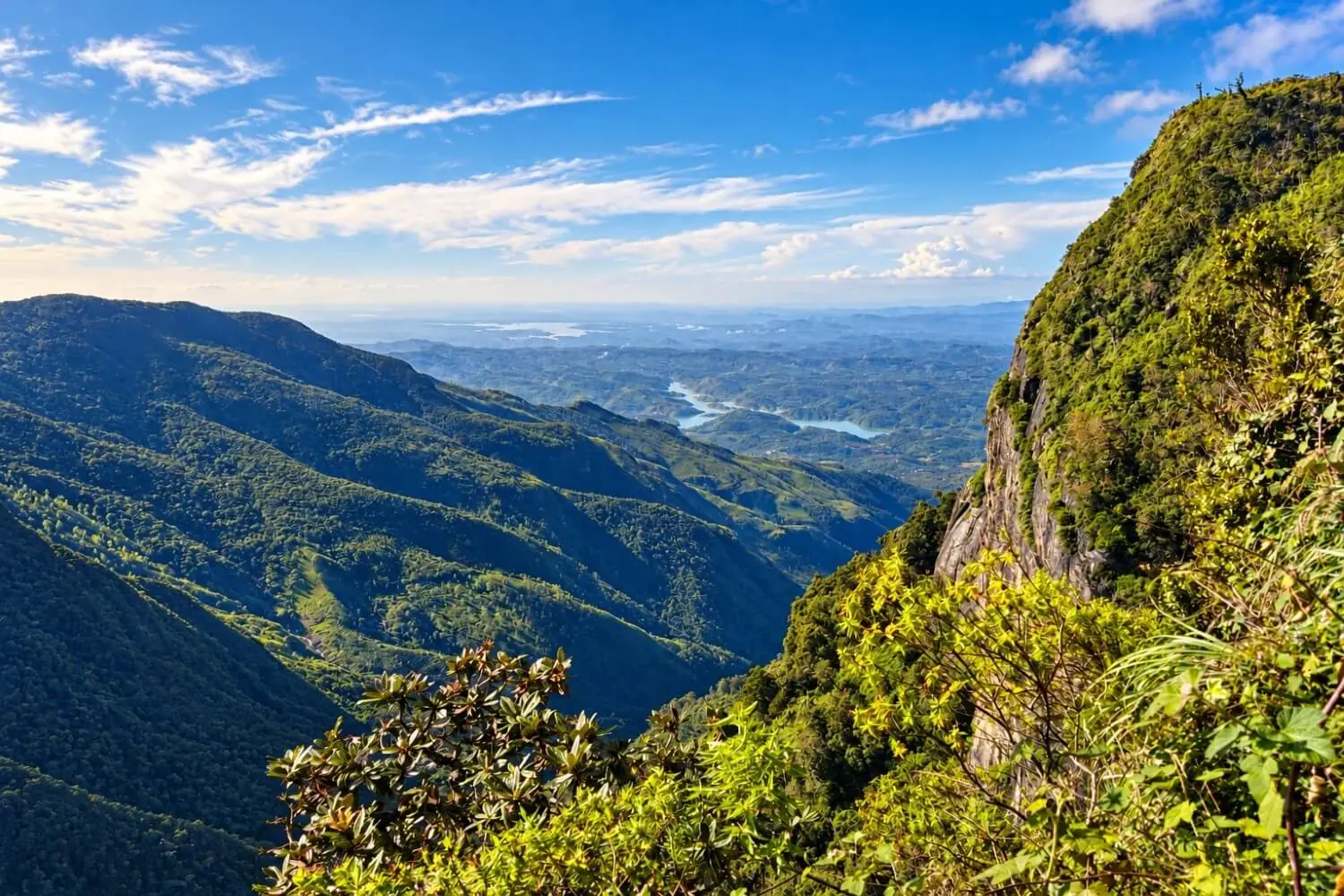
Horton Plains
Explore Horton Plains for cloud forests, highland trails, Baker’s Falls and the dramatic World’s End viewpoint.
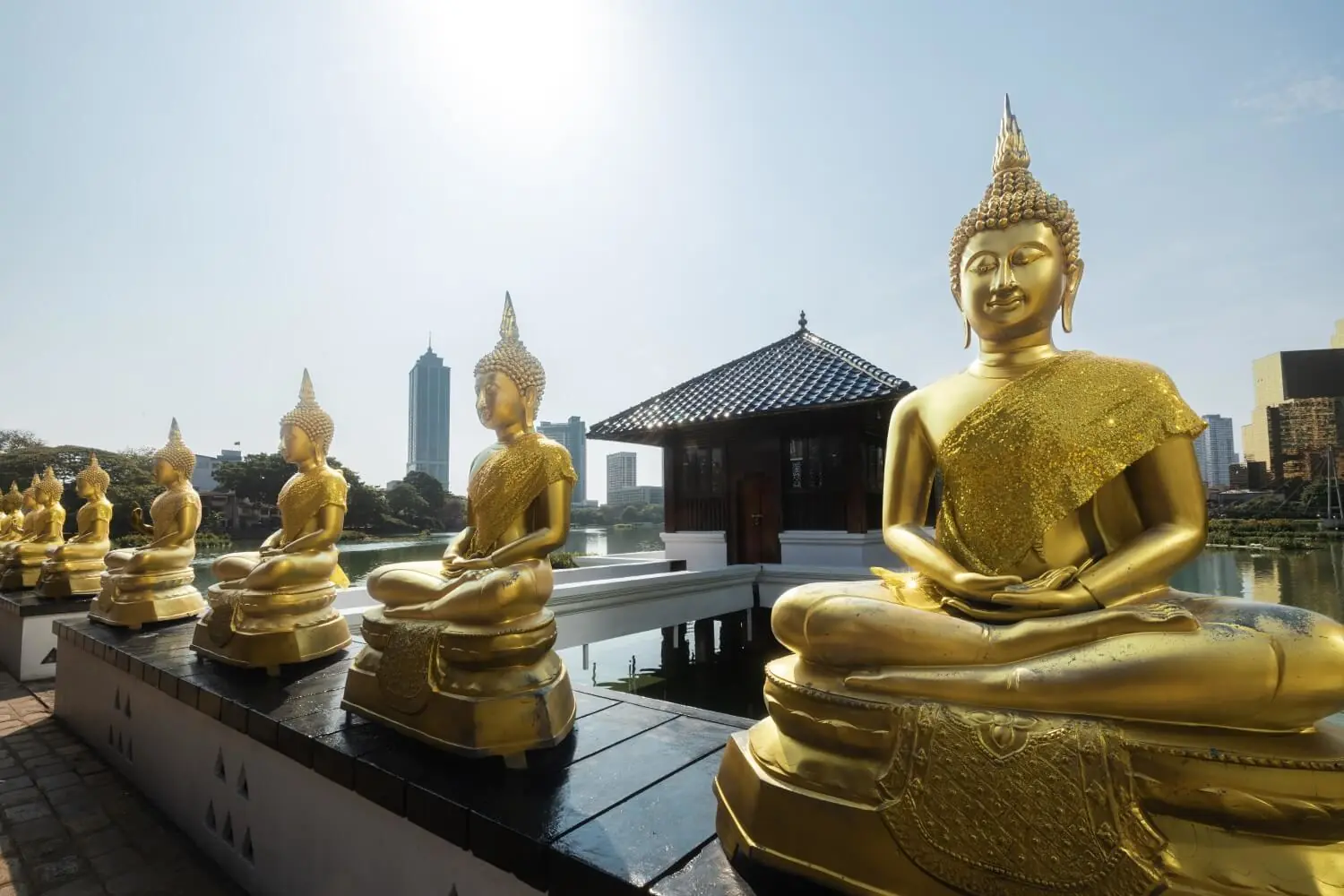
Colombo
Continue to Colombo for colonial Fort, Pettah markets, Buddhist temples and Sri Lanka’s modern commercial history.