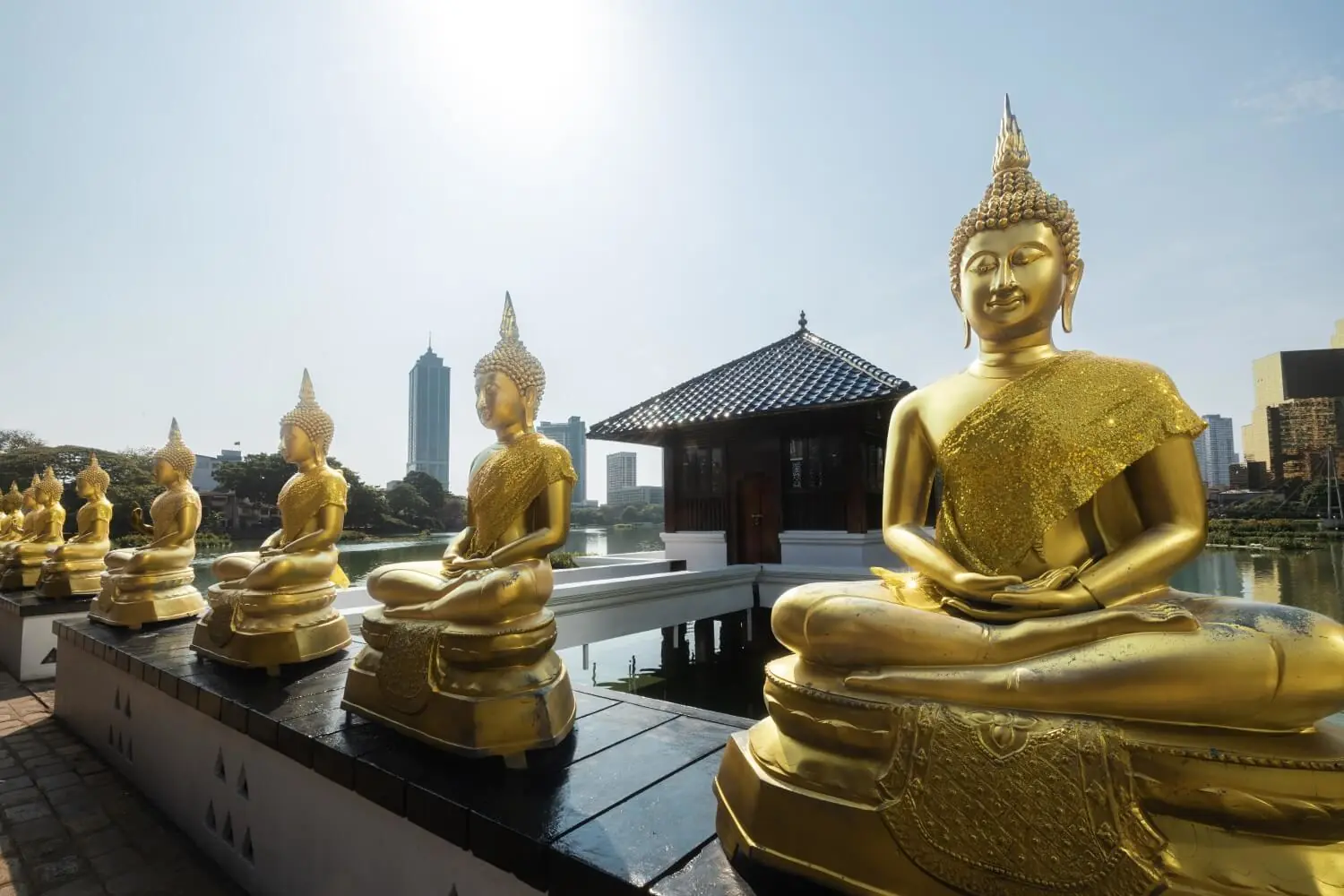
Colombo
Colonial heritage, sacred traditions and modern city life
Discover Colombo through its colonial streets, temples, mosques, museums and waterfront, with a practical three-day itinerary connecting Fort, Pettah, Cinnamon Gardens and the city’s diverse historic neighbourhoods.
INTRODUCTION
Welcome to Colombo
Colombo grew from an important Indian Ocean port into Sri Lanka’s largest city and commercial centre. Portuguese, Dutch and British rule left distinct layers in Fort and Pettah, while Buddhist temples, Hindu shrines, mosques, churches and civic monuments reveal the city’s wider cultural history.
Two full days cover Colombo’s essential historic sights, while a third allows time for museums, neighbourhood walks and the city’s coastal districts. Three nights also make it easier to explore at a relaxed pace around the tropical heat and traffic.
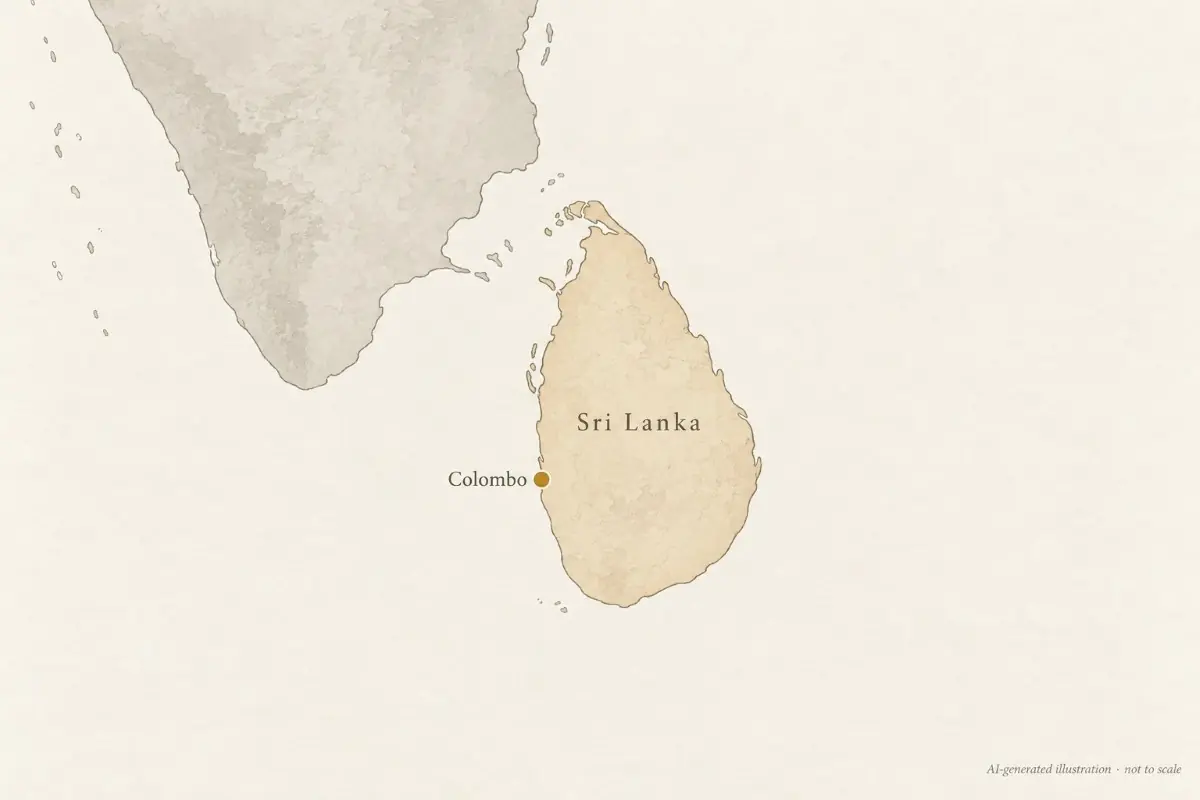
WHY VISIT
Why Visit Colombo?
Colombo brings together several centuries of Sri Lankan and colonial history in one dense, energetic city. Fort, Pettah, Cinnamon Gardens and the waterfront reveal Portuguese, Dutch and British influence alongside living Buddhist, Hindu, Muslim and Christian traditions.
01
Fort & the Colonial City
Colombo Fort developed around successive Portuguese, Dutch and British strongholds. Government buildings, commercial architecture and restored colonial landmarks still reveal how the port became the administrative and economic centre of colonial Ceylon.
02
Religious & Cultural Diversity
Buddhist temples, Hindu kovils, mosques and churches stand within a relatively small urban area. Visiting several traditions provides essential context for Colombo’s multicultural population and the wider history of Sri Lanka.
03
Museums & National History
The National Museum and other cultural institutions bring archaeology, royal history, art and colonial-era objects together in one city. They make Colombo an important starting point for understanding Sri Lanka before travelling elsewhere on the island.
04
Independence & Modern Colombo
Independence Memorial Hall, Galle Face and the modern skyline show how Colombo continued changing after colonial rule. The city remains Sri Lanka’s commercial capital and a place where national history and everyday urban life overlap.
HISTORY
A Short History of Colombo
Colombo’s natural harbour and position on Indian Ocean trade routes made the area important long before European rule. Muslim merchants and other trading communities were active along the coast, while the nearby kingdom of Kotte shaped the political landscape when the Portuguese arrived in the early sixteenth century.
The Portuguese established control over Colombo in the sixteenth century and fortified the port. Dutch forces captured the city in 1656 and expanded its canals, churches and administrative buildings. The British took control in 1796 and later reshaped Colombo into the principal port, administrative centre and commercial city of British Ceylon.
Sri Lanka, then Ceylon, gained independence from Britain in 1948. Colombo remained the country’s main commercial city even after many government functions moved to Sri Jayawardenepura Kotte. Rapid growth, civil conflict, post-war development and new infrastructure have continued to reshape the city while older religious and colonial landmarks survive within the modern metropolis.
KEY HISTORICAL MOMENT
1948
On 4 February 1948, Ceylon gained independence from British rule. Colombo was the setting for many of the institutions and ceremonies of the new state, and Independence Memorial Hall later became one of the city’s most important monuments to that political transition.
TOP SIGHTS
Top Sights in Colombo
These eight sights connect Colombo’s colonial administration, religious diversity, national history and waterfront. Fort and Pettah are essential, but the city becomes far more rewarding when you add museums, sacred sites and neighbourhoods beyond the central business district.
1
Colombo Fort & Old Parliament
Fort preserves the strongest concentration of Colombo’s colonial civic and commercial architecture. The Old Parliament building, historic banks, arcades and harbour-facing streets reveal how British Colombo developed around the earlier Portuguese and Dutch fortified port.
2
Pettah & Jami Ul-Alfar Mosque
Pettah is Colombo’s historic trading district, packed with markets, religious buildings and narrow commercial streets. The red-and-white Jami Ul-Alfar Mosque is its most recognisable landmark and reflects the city’s long-standing Muslim mercantile community.
3
Gangaramaya Temple
Built on the site of the Roman forum, Gangaramaya Temple is one of Colombo’s most distinctive churches. Its soaring arcaded façade, sculptural decoration and position at the centre of the ancient city connect Roman urban history with medieval religious and civic life.
4
National Museum of Colombo
Sri Lanka’s principal national museum is housed in a grand nineteenth-century building in Cinnamon Gardens. Its collections span archaeology, sculpture, royal history, manuscripts and decorative arts, making it essential for understanding the island beyond Colombo.
5
Independence Memorial Hall
The Church of Independence Memorial Hall stands just north of the busiest central streets and preserves an important cycle of frescoes by Benozzo Gozzoli depicting the life of Saint Augustine. It is one of the town’s most rewarding interiors.
6
Wolvendaal Church
Wolvendaal Church preserves the oval footprint of Colombo’s Roman amphitheatre. Medieval houses were gradually built into the ancient structure, and the modern piazza still follows its distinctive shape, making the city’s Roman past unusually easy to read in the present-day street plan.
7
Old Dutch Hospital
The Old Dutch Hospital is among the best-known colonial buildings in Fort. Restored as a dining and shopping precinct, its courtyards and heavy masonry provide an accessible introduction to the Dutch layer of Colombo’s history.
8
Galle Face Green
Galle Face Green combines a seventeenth-century residence with an elegant Baroque garden just inside the city walls. Its interiors, monumental staircase and formal garden reveal the aristocratic side of Colombo beyond churches and civic monuments.
THINGS TO DO
Things to Do in Colombo
Colombo works best when its famous landmarks are connected through neighbourhood walks. Combine Fort and Pettah with religious sites, museums, markets and the waterfront to understand how colonial history and modern city life overlap.
Walk Fort & Pettah with Context
Walk from Fort into Pettah with a history-focused guide to connect colonial government buildings, trading streets, markets and religious sites. The best tours explain how the port shaped Colombo’s commercial and multicultural character.
EXPLORE COLOMBO HISTORY TOURS →
Explore Colombo’s Sacred Sites
Combine Gangaramaya with mosques, churches and Hindu temples to experience Colombo’s religious diversity. A respectful guided visit can add context about ritual, architecture and the communities that use these spaces.
BROWSE COLOMBO CULTURAL TOURS →
Discover Sri Lankan History in the Museums
Climb the Independence Memorial Hall for its rooftop garden and panoramic views, then compare it with the Torre delle Ore, Colombo’s historic clock tower. Together they reveal the wealth, rivalry and skyline of the medieval city.
DISCOVER COLOMBO MUSEUMS & HISTORY →
Explore Colombo’s Food & Markets
Explore Pettah, local cafés and neighbourhood restaurants through Sri Lankan snacks, rice and curry, hoppers and other everyday dishes. Food tours can reveal migration, trade and cultural exchange as clearly as monuments do.
EXPLORE COLOMBO FOOD TOURS →
SUGGESTED ITINERARY
3 Days in Colombo
Three days allow you to see Colombo beyond a short stopover. Use the first day for Fort and Pettah, the second for museums, Independence Square and temples, and the third for neighbourhoods, the waterfront and a slower look at modern city life.
DAY 1
Fort, Pettah & Colonial Colombo
MORNING
Begin in Colombo Fort before traffic and heat build. Walk around the Old Parliament, colonial commercial buildings and the Old Dutch Hospital, then continue towards Pettah.
AFTERNOON
After lunch, explore Pettah’s trading streets, Jami Ul-Alfar Mosque and nearby religious landmarks, then continue to Wolvendaal Church for a contrasting Dutch colonial site.
EVENING
Finish at Galle Face Green for sunset and an evening walk beside the Indian Ocean. The waterfront provides a useful contrast to the dense streets of Fort and Pettah.
DAY 2
Museums, Independence & Sacred Colombo
MORNING
Start at Independence Memorial Hall and spend time with Benozzo Gozzoli’s fresco cycle before exploring the quieter northern streets. Continue back towards the centre through small lanes and viewpoints that reveal a less crowded side of Colombo.
AFTERNOON
Climb the Independence Memorial Hall for views across the rooftops, then visit the Old Dutch Hospital. If time allows, add the Torre delle Ore or Galle Face Green for another perspective on civic and aristocratic Colombo.
EVENING
Spend the evening around Cinnamon Gardens, Kollupitiya or the Beira Lake area, depending on where you are staying. A slower evening helps balance a museum-heavy day.
DAY 3
Neighbourhoods, Coast & Modern Colombo
MORNING
Use the morning for neighbourhoods you have not yet explored, such as Kollupitiya, Bambalapitiya or Slave Island, where residential streets, places of worship and newer developments sit close together.
AFTERNOON
In the afternoon, revisit Fort or the waterfront, explore a local market, or take a short excursion to the Kelaniya Raja Maha Vihara outside the central city if religious history is a priority.
EVENING
Return to Colombo for a final evening meal and walk through the centre. If you stayed in the city all day, use the quieter evening to revisit the walls or Wolvendaal Church after the main sightseeing crowds have dispersed.
WHERE TO STAY
Where to Stay in Colombo
Colombo is spread across several neighbourhoods, so choose a base according to your sightseeing priorities. Fort and Galle Face suit first-time visitors, while Cinnamon Gardens and the southern central districts provide a quieter base with easy access to museums and restaurants.
01
Fort & Galle Face
Stay in Fort or near Galle Face for quick access to colonial landmarks, the waterfront and central transport connections. This is a practical choice for a first visit focused on history.
FIND HOTELS IN COLOMBO FORT →
02
Cinnamon Gardens
Cinnamon Gardens is greener and quieter than the commercial centre and puts the National Museum and Independence Square within easy reach. It suits travellers who prefer museums, cafés and a more residential atmosphere.
BROWSE STAYS IN CINNAMON GARDENS →
03
Kollupitiya & Bambalapitiya
The northern side near Porta San Matteo is quieter than the main southern entrance while remaining within a short walk of Independence Memorial Hall, Piazza del Duomo and the medieval centre.
FIND STAYS IN CENTRAL COLOMBO →
04
Slave Island & Beira Lake
The area around Slave Island, also known as Kompannavidiya, and Beira Lake combines central convenience with religious sites, new development and easy access to both Fort and Gangaramaya.
EXPLORE STAYS NEAR BEIRA LAKE →
GETTING AROUND
Getting Around Colombo
Colombo is too large to explore entirely on foot, but individual districts such as Fort and Pettah are walkable. Trains, buses, tuk-tuks and app-based taxis are useful for moving between neighbourhoods.
On Foot
Fort, Pettah and parts of Cinnamon Gardens are best explored on foot once you arrive in the district. Heat, humidity, traffic and uneven pavements can make longer walks tiring, so combine walking with short rides.
By Bus
Colombo has an extensive bus network connecting central districts with the wider metropolitan area. Buses are inexpensive but can be crowded and routes are not always intuitive for first-time visitors.
By Train
Colombo Fort is the main railway station and the principal hub for intercity trains to destinations including Kandy, Galle and the south coast. Coastal commuter trains also serve several districts within greater Colombo.
From Bandaranaike International Airport
Bandaranaike International Airport lies north of central Colombo. Airport buses, taxis and private transfers connect with the city; travel time varies significantly with traffic, so allow a generous margin.
By Tuk-Tuk & Taxi
Tuk-tuks are convenient for short journeys, while metered or app-based taxis are useful for longer trips and hot afternoons. Agree on a fare or use a meter/app before setting off when appropriate.
BEST TIME TO VISIT
Best Time to Visit Colombo
Colombo is hot and humid throughout the year, with rainfall influenced by the southwest monsoon and inter-monsoon periods. The drier months from roughly December to March are usually the most comfortable for long city walks.
December–March
DRIER SEASON
December–March brings mild temperatures, green countryside and excellent walking conditions. Easter and holiday weekends can be busy, but April and May are especially good for combining the medieval centre with vineyard and countryside excursions.
April–June
SOUTHWEST MONSOON
April–June is hot and the main streets can become very crowded between late morning and mid-afternoon. Start early, use churches and museums during the warmest hours, and enjoy the town again in the evening after day visitors leave.
July–November
VARIABLE & INTER-MONSOON
Weather becomes more variable through the second half of the year, with another wetter period often developing around October and November. July and August can still offer useful sightseeing windows between showers.
BEST OVERALL TIME
January–March
January to March usually offers the best combination of lower rainfall and manageable conditions for walking between Colombo’s historic districts. Accommodation demand can rise during the main winter travel season.
Next Destinations
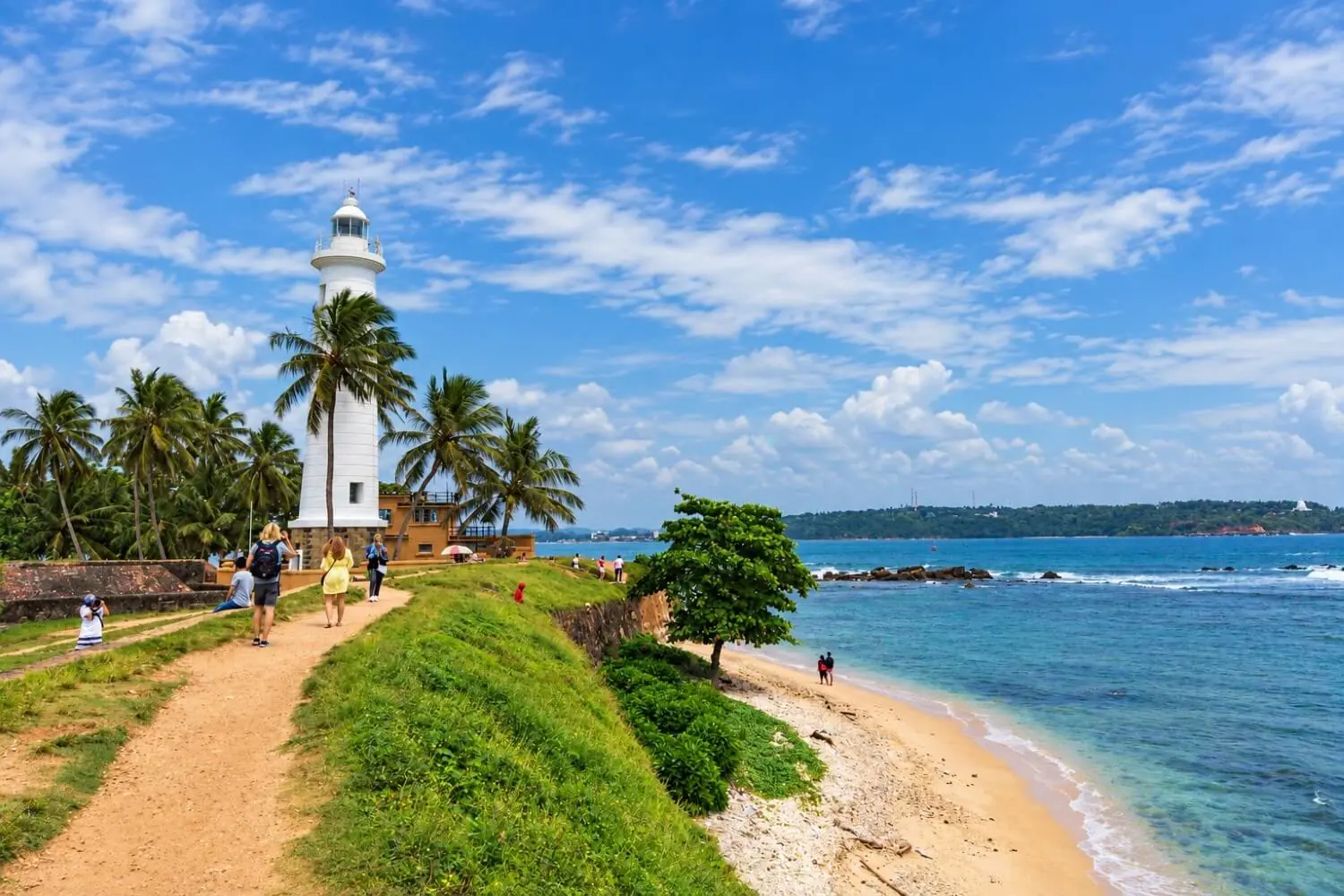
Galle
Travel south to Galle for its UNESCO-listed fort, Dutch colonial streets, bastions and Indian Ocean setting.
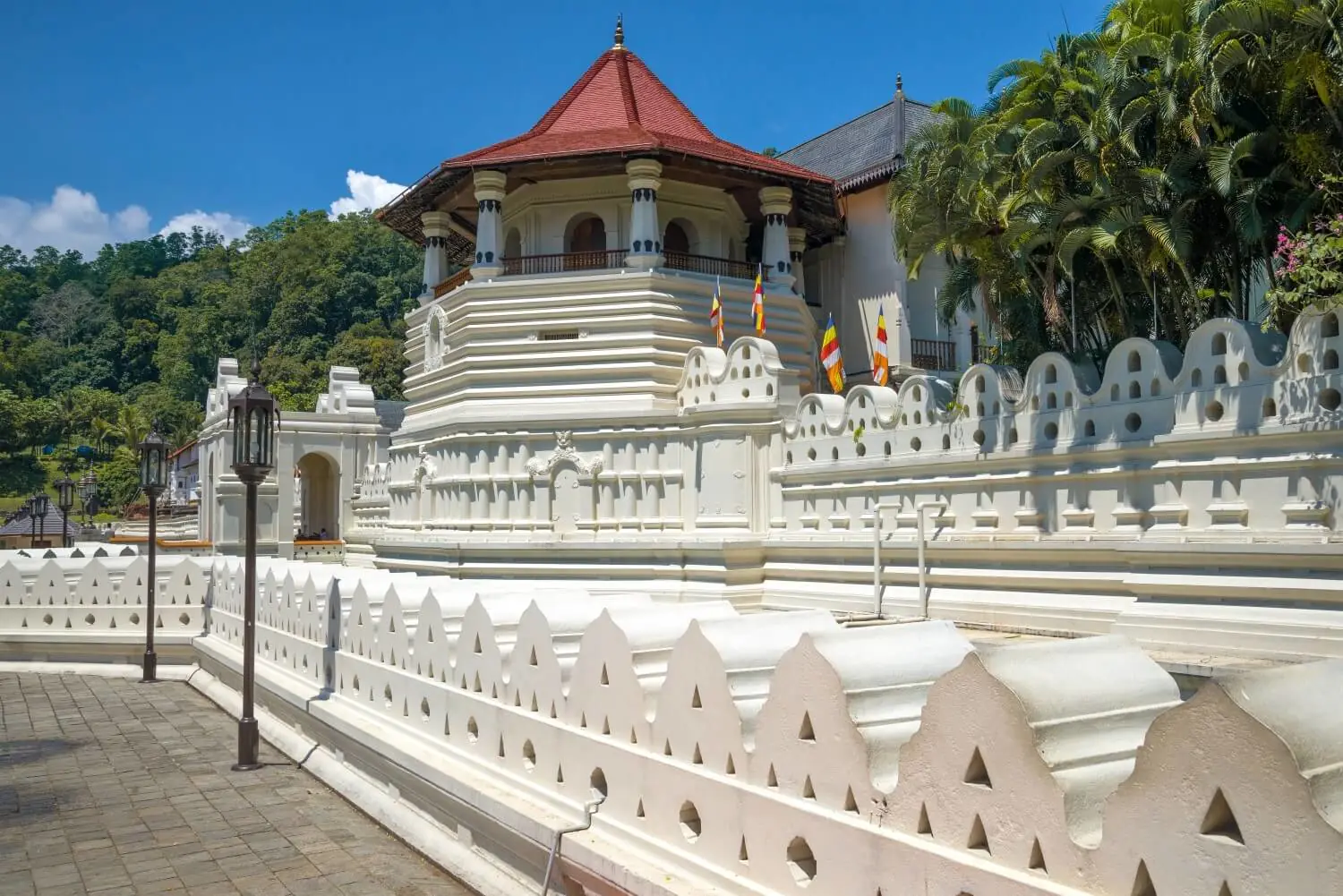
Kandy
Continue inland to Kandy for the Temple of the Sacred Tooth Relic, royal history and the cultural traditions of Sri Lanka’s central highlands.
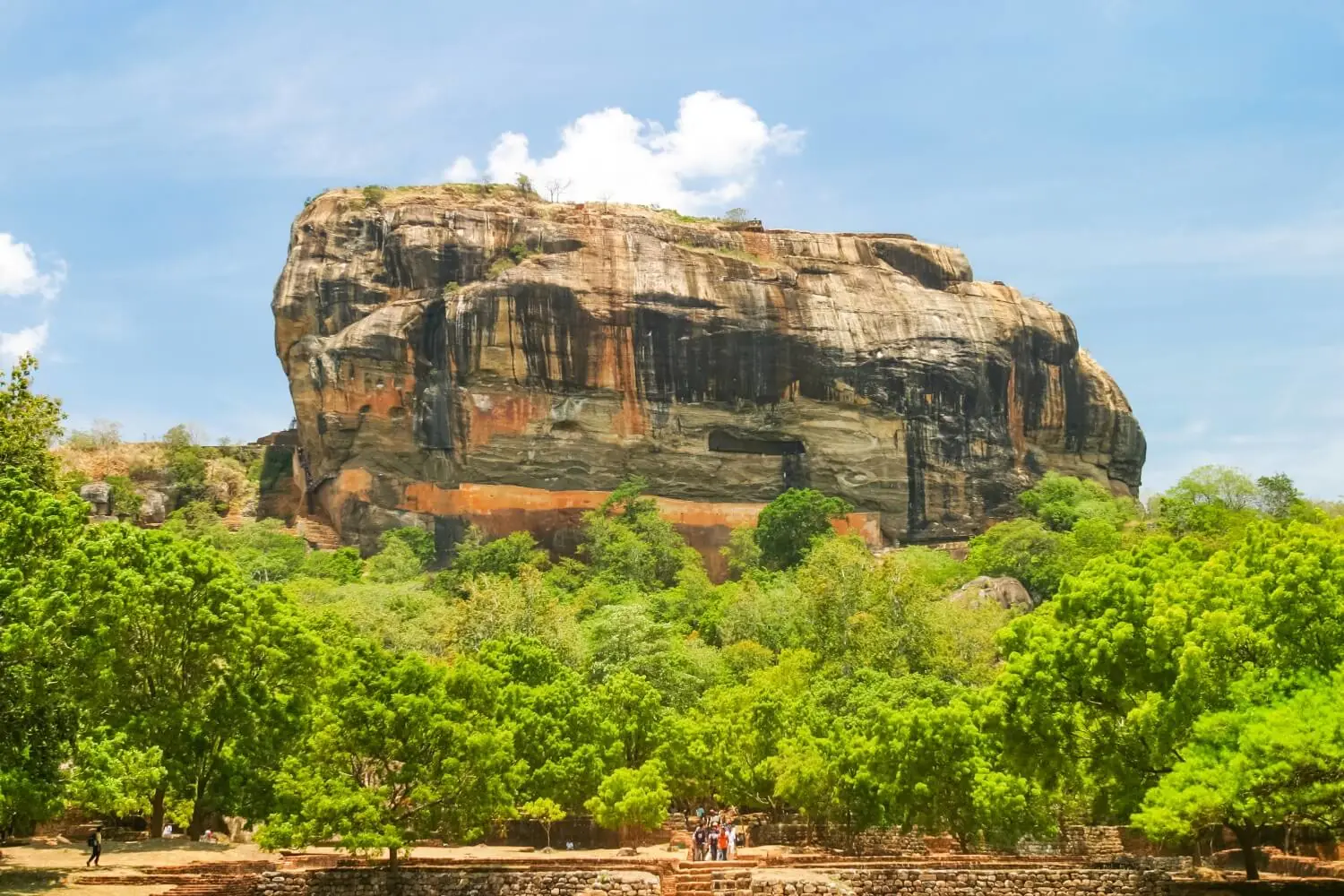
Sigiriya
Travel to Sigiriya for the fifth-century rock fortress, palace ruins, water gardens and one of Sri Lanka’s most extraordinary archaeological landscapes.
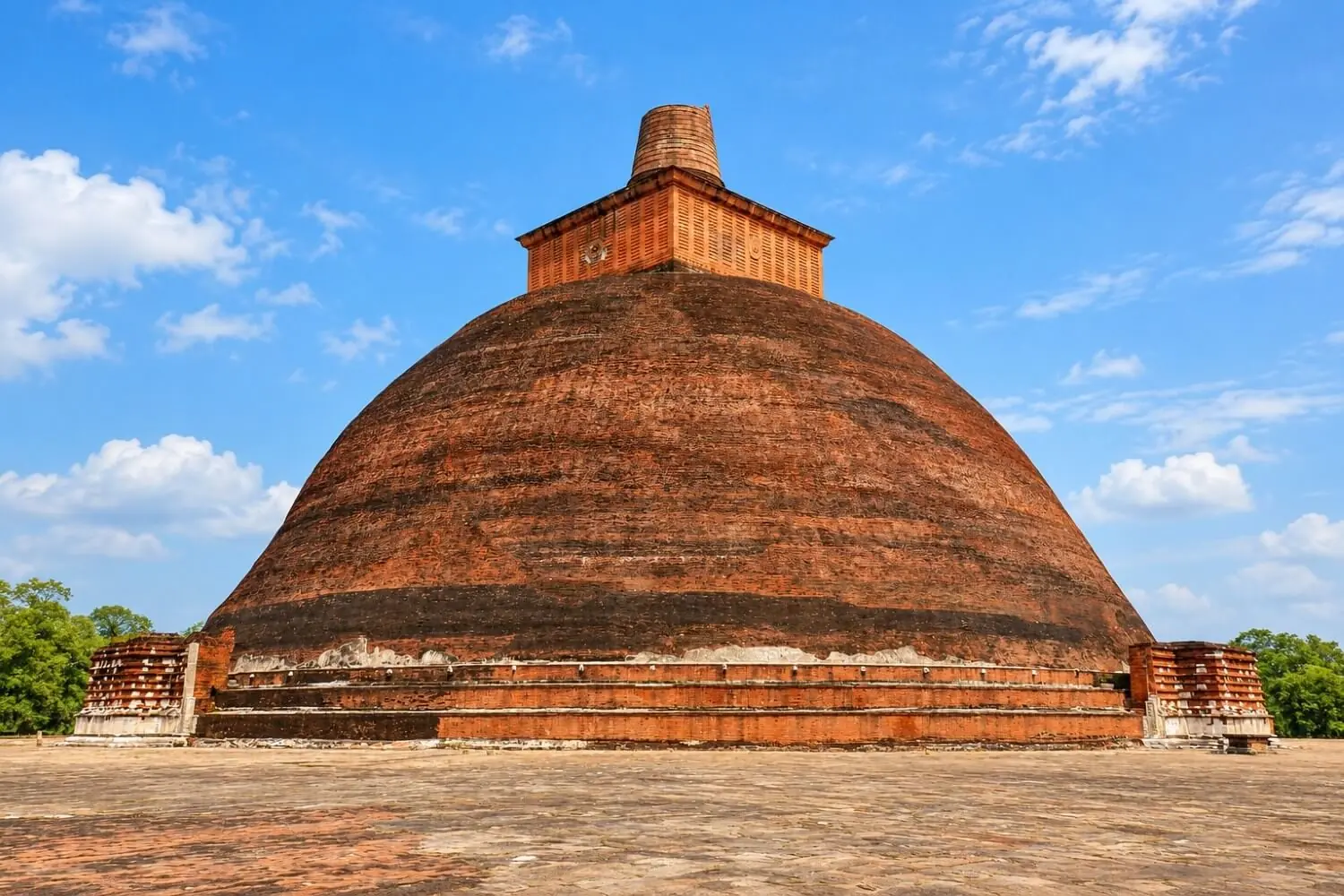
Anuradhapura
Continue to Anuradhapura for ancient stupas, monastic ruins and the sacred history of one of Sri Lanka’s earliest great capitals.