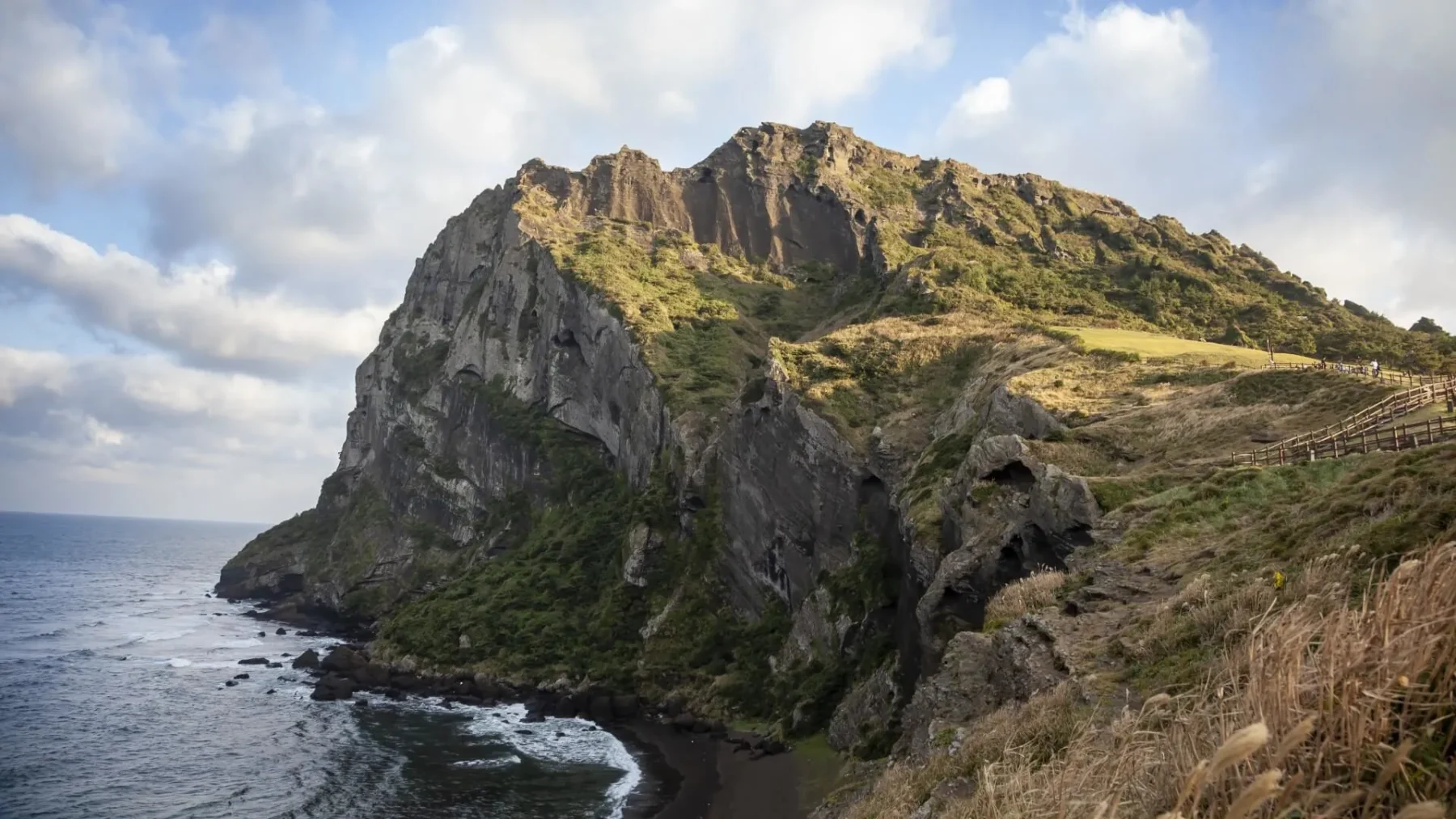
Jeju Island
Where Tamna heritage, maritime traditions and volcanic landscapes meet
Jeju’s history stretches from the island kingdom of Tamna through Mongol influence, Joseon exile culture and the upheavals of the twentieth century, all within a landscape whose sea, stone and volcanic terrain shaped an unusually distinctive society.
INTRODUCTION
Introduction
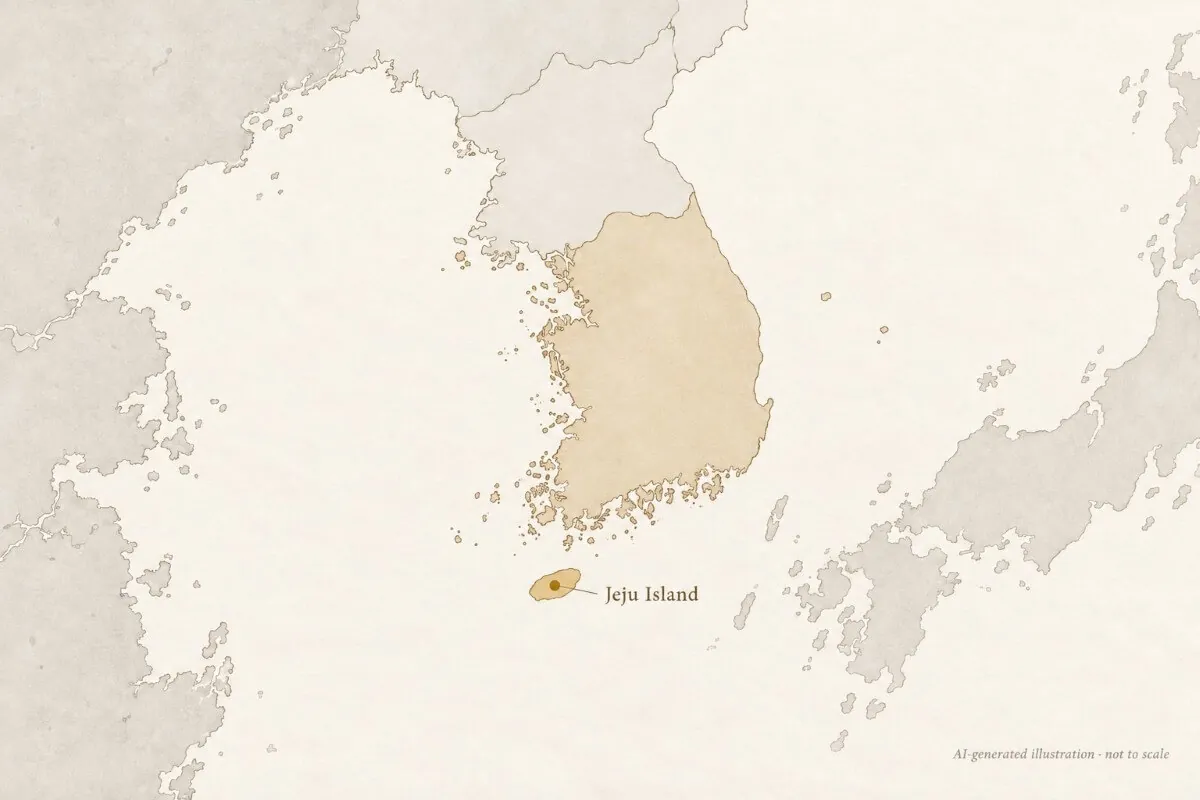
Jeju lies south of the Korean Peninsula, separated from the mainland by sea. By around the second century, smaller communities had developed into Tamna, an island kingdom whose maritime connections extended towards mainland Korea, Japan and China. Goryeo eventually incorporated Tamna as an administrative district in 1105.
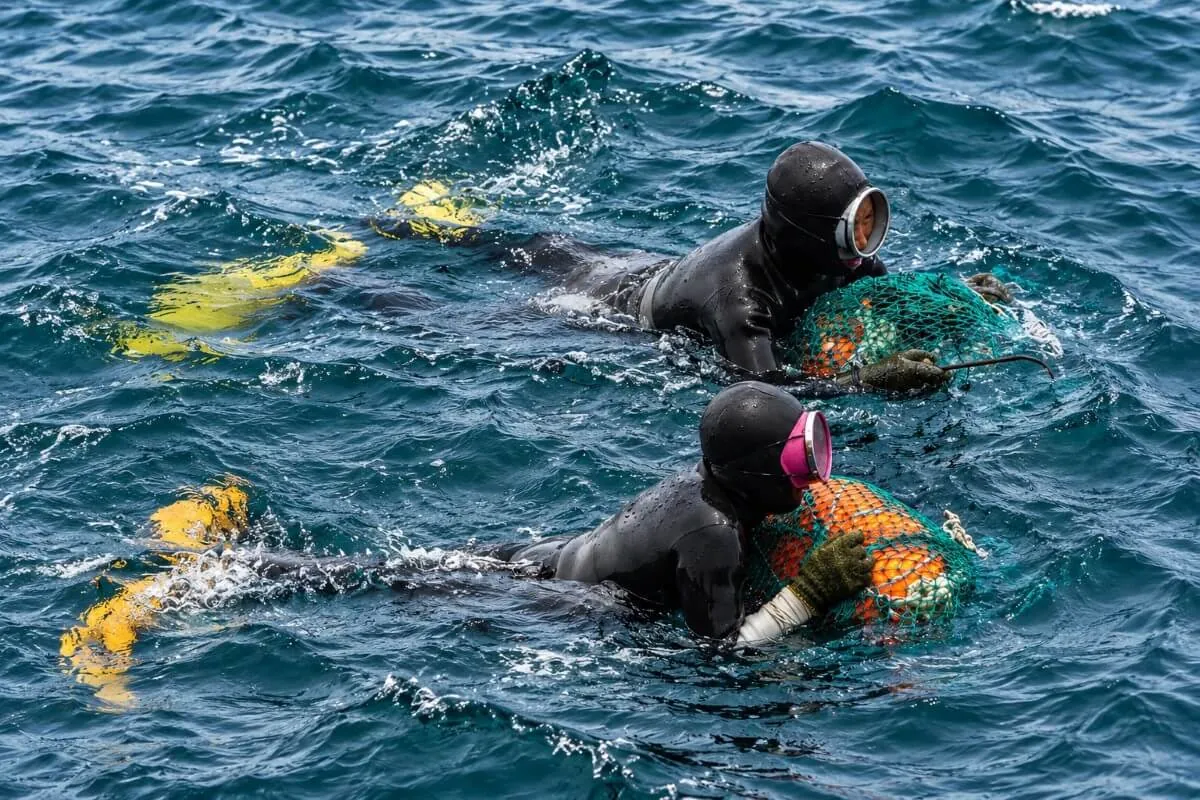
Today, Jeju preserves archaeological sites, former government buildings, fortifications, exile landscapes and memorials to modern political violence. Living traditions are equally important: the haenyeo women divers embody a coastal culture based on communal organisation, inherited knowledge and breath-hold diving, recognised by UNESCO since 2016.
WHY VISIT
Why visit Jeju Island?
Jeju offers a historical narrative quite different from mainland Korea: an early island polity, centuries of maritime life, medieval conflict, political exile and traumatic modern history, all preserved within settlements shaped by an isolated volcanic landscape.
01
The Legacy of Tamna
Tamna developed as a distinct island kingdom around the second century, with material culture shared across Jeju and connections beyond the island. Its gradual incorporation into Goryeo did not erase the strong regional identity that remains central to Jeju’s history.
02
A Culture Shaped by the Sea
The haenyeo tradition reveals how deeply Jeju society depended on the coast. Women divers developed specialised knowledge, communal working practices and rituals around breath-hold harvesting, creating a living heritage tradition recognised on UNESCO’s Representative List in 2016.
03
Fortresses & Exiles
Jeju became the final stronghold of the Sambyeolcho resistance before its defeat in 1273. Later, Joseon governments used the remote island as a place of political exile, bringing scholars and officials whose presence influenced local intellectual life.
04
The Memory of Jeju 4·3
Jeju’s modern landscape carries the memory of violence that began amid unrest in 1947 and continued until 1954. Armed rebellion, counterinsurgency and repression caused extensive civilian suffering, making 4·3 fundamental to understanding twentieth-century Jeju.
HISTORY
A short history of Jeju Island
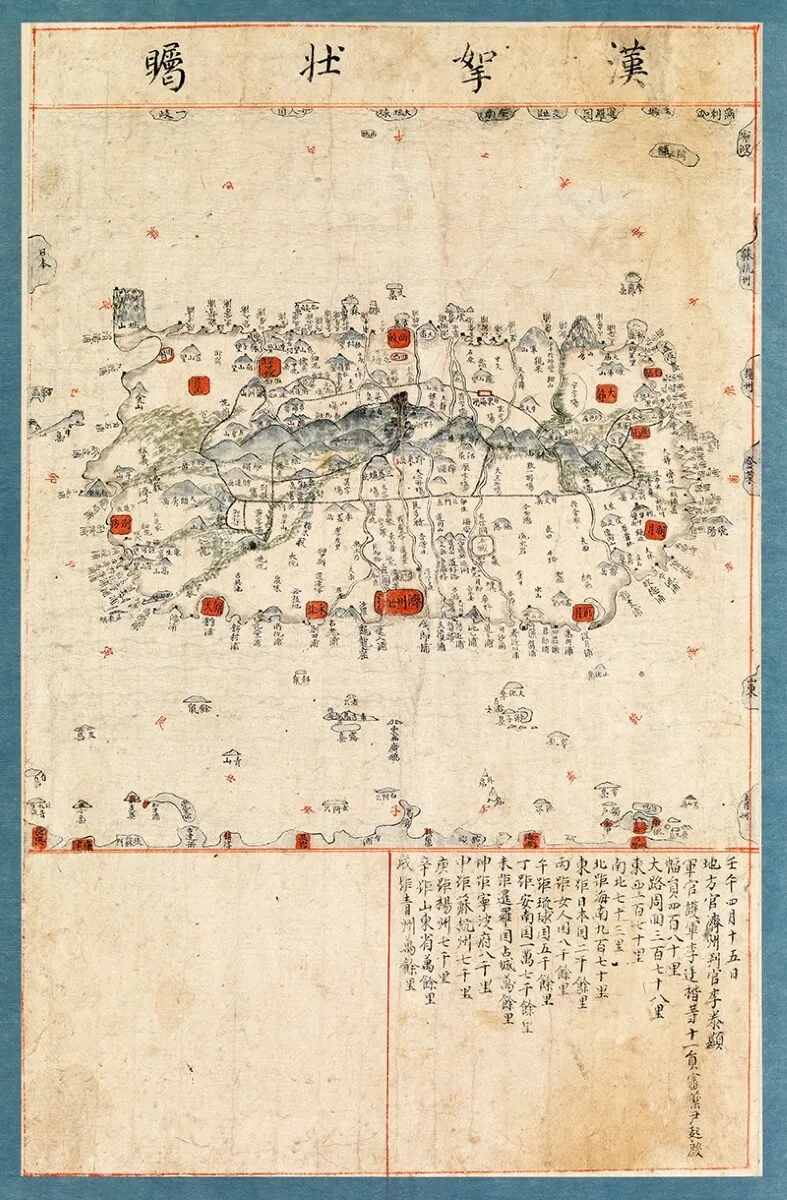
Around the second century, communities across Jeju coalesced into Tamna, an island kingdom whose shared material culture suggests increasing political unity. Goryeo initially recognised Tamna separately, but in 1105 incorporated it as Tamna-gun, bringing the island more directly into the Korean administrative system.
The thirteenth century transformed Jeju again. Sambyeolcho forces established their final base here before defeat by combined Goryeo-Mongol forces in 1273. Mongol rule encouraged large-scale horse raising, while later Joseon administration strengthened government institutions and used Jeju extensively as a destination for political exile.
Japanese colonial rule and wartime militarisation were followed by severe post-liberation conflict. Jeju 4·3 encompassed unrest, armed rebellion and counterinsurgency from 1947 until restrictions around Hallasan ended in 1954. Museums, restored government sites, memorial parks and rural landscapes now preserve these successive historical layers.
KEY HISTORICAL MOMENT
3 April 1948
Following escalating tensions that had begun with a police shooting on 1 March 1947, armed groups launched coordinated attacks on 3 April 1948. The resulting conflict and suppression continued for years, leaving profound civilian losses and reshaping Jeju’s political and social memory.
TOP SIGHTS
Top sights in Jeju Island
Jeju’s strongest historical sites are spread across the island. Together they cover Tamna origins, Joseon administration, medieval resistance, intellectual exile, maritime culture and the complex memory of twentieth-century conflict.
1
Jeju National Museum
The island’s principal historical museum traces Jeju from prehistoric settlement through Tamna, Goryeo and Joseon. Its collections provide the clearest introduction to Jeju’s changing political connections and distinctive material culture.
2
Samseonghyeol
Three sacred holes within wooded grounds are traditionally associated with the legendary founders Go Eul-na, Yang Eul-na and Bu Eul-na. The site is important for understanding Jeju’s foundation mythology and traditional concepts of Tamna identity.
3
Jejumok-Gwana & Gwandeokjeong
These neighbouring sites formed part of Jeju’s historic administrative centre. Excavations uncovered the remains of numerous government buildings, while Gwandeokjeong, built in 1448, survives as one of the island’s most significant Joseon structures.
4
Hangpaduri Hangmong Historic Site
Earthworks and interpretive displays mark the Sambyeolcho’s final stronghold against Mongol-backed forces. The resistance ended in 1273, making Hangpaduri one of the key locations for understanding medieval Jeju’s strategic importance.
5
Jeju 4·3 Peace Park
This memorial complex commemorates victims of Jeju 4·3 and interprets the conflict, civilian suffering and later process of public remembrance. Opened in 2008, it is essential for understanding Jeju’s twentieth-century history.
6
Jeju Haenyeo Museum
The museum explores the work, equipment, communities and social organisation of Jeju’s female divers. It provides valuable historical context before visiting coastal settlements where haenyeo traditions remain part of everyday island life.
7
Chusa’s Former Residence
Scholar and calligrapher Kim Jeong-hui spent around nine years in exile at Daejeong during the nineteenth century. The restored site and nearby memorial displays connect Joseon political history with the artistic and intellectual legacy of his years on Jeju.
THINGS TO DO
Things to Do on Jeju Island
Jeju’s large scale makes thematic excursions particularly useful. The strongest experiences link individual sites with wider stories of island government, maritime culture, political exile and twentieth-century remembrance.
Explore Historic Jeju City
Follow Jeju’s historical centre through Samseonghyeol, Gwandeokjeong and Jejumok-Gwana. A guided walk can connect Tamna foundation traditions with Joseon administration and the events around Gwandeokjeong that preceded Jeju 4·3.
Follow the History of Jeju 4·3
Join a history-focused excursion connecting the Peace Park with villages, memorials and landscapes associated with the conflict. Interpretation is particularly valuable because many relevant locations are dispersed and the political history requires careful context.
Discover Haenyeo Culture
Combine the Haenyeo Museum with eastern coastal communities to understand diving techniques, cooperative organisation and the social importance of women’s maritime labour. Choose experiences that treat haenyeo as living cultural heritage rather than simply a performance.
Walk Chusa’s Exile Landscape
In Daejeong, marked routes connect places associated with Kim Jeong-hui and other exile history. One official route extends 8.6 kilometres through the landscape in which Chusa lived, taught and developed his distinctive calligraphic style.
Suggested Itinerary
3 Days in Jeju Island
Three days gives a useful introduction to Jeju’s principal historical themes. The island is too large for constant cross-island travel, so this route groups major sights geographically and keeps each day comparatively focused.
DAY 1
Tamna & Old Jeju
MORNING
Begin at Jeju National Museum for the chronological background to Tamna, Goryeo and Joseon. The archaeological displays make later historic sites easier to understand and provide a useful overview of the island’s development.
AFTERNOON
Continue into central Jeju City for Samseonghyeol, Jejumok-Gwana and Gwandeokjeong. This compact sequence moves from foundation mythology to the administrative structures that governed Jeju for centuries.
EVENING
Walk through the old downtown towards Dongmun Market and the harbour. Modern development has transformed the former walled town, but the evening gives a sense of how contemporary Jeju City grew around its historic administrative core.
DAY 2
Resistance & Exile
MORNING
Travel west to Hangpaduri and explore the surviving earthworks. The quiet landscape provides a useful setting for understanding why Jeju became the final base of the Sambyeolcho resistance during the thirteenth century.
AFTERNOON
Continue southwest to Daejeong and Chusa’s Former Residence. Explore the memorial displays or part of the exile route to understand how political banishment shaped both individual lives and Jeju’s intellectual history.
EVENING
Remain in southwestern Jeju for an unhurried meal before returning to your base. Avoid adding another major attraction: travel distances make a slower evening more realistic after a full western itinerary.
DAY 3
Memory & Maritime Culture
MORNING
Allow several hours for Jeju 4·3 Peace Park. Its museum and memorial grounds require a measured visit and provide essential context for the memorial landscapes found elsewhere across the island.
AFTERNOON
Continue east to the Jeju Haenyeo Museum, then explore the coast around Gujwa. The transition from museum displays to fishing communities helps place haenyeo traditions within their actual maritime landscape.
EVENING
Finish around Seongsan, where village life, volcanic terrain and coastal traditions come together. Stay for an evening walk or meal rather than attempting another long journey across the island.
WHERE TO STAY
Where to Stay on Jeju Island
A history-focused itinerary benefits from choosing accommodation for geography rather than resort facilities. Jeju City works best for first visits, while Seogwipo or the eastern coast can reduce travel on longer island-wide itineraries.
01
Jeju City Old Downtown
The most convenient base for Samseonghyeol, Gwandeokjeong, Jejumok-Gwana and the older commercial centre. It also provides straightforward access to the National Museum and bus routes elsewhere on the island, making it particularly suitable without a car.
02
Yeon-dong & Nohyeong
These modern districts west of the historic centre are convenient for Jeju International Airport and major roads. They offer less historical atmosphere but work well for travellers collecting a hire car or making frequent day trips around the island.
03
Seogwipo City
Jeju’s main southern city is useful when dividing a longer trip between north and south. It shortens journeys towards Daejeong and the southwestern exile sites while retaining good access to restaurants, buses and urban services.
04
Seongsan & Gujwa
Eastern Jeju provides the most practical base for the Haenyeo Museum, fishing villages and Seongsan. It suits travellers prioritising maritime culture and slower coastal exploration rather than daily access to Jeju City.
GETTING AROUND
Getting Around Jeju Island
Jeju has no rail network, and its major historic sites are spread widely across the island. Local buses cover much of Jeju, but a hire car or taxi becomes particularly useful when combining rural heritage sites within a limited visit.
On Foot
Central Jeju City is suitable for walking between several historic sites, particularly Samseonghyeol, Gwandeokjeong and Jejumok-Gwana. Elsewhere, distances between attractions are generally too large for walking to serve as the primary transport method.
By Local Bus
Jeju’s bus system links its cities, towns and many major attractions, with official route, stop and real-time vehicle information available through the island’s bus information system. Transfers can make multi-site itineraries considerably slower than driving.
By Taxi
Taxis are useful for short urban journeys and for bridging awkward gaps between buses and rural sights. Travellers not hiring a car may also find a pre-arranged taxi practical for a full day of regional sightseeing.
By Bicycle
Cycling can be rewarding along Jeju’s coast but requires more time than most three-day history itineraries allow. Wind, hills and long distances mean it works best for experienced cyclists or travellers building a longer journey around the island.
By Car
A hire car provides the greatest flexibility for historical travel, particularly when combining Hangpaduri, Daejeong, 4·3 memorial landscapes and eastern coastal villages. It is less important for travellers staying mainly within Jeju City.
BEST TIME TO VISIT
Best Time to Visit Jeju Island
Jeju has four distinct seasons and generally milder winters than much of mainland Korea. For a history-focused trip involving archaeological sites, memorial parks and village walking, late spring and autumn usually provide the most comfortable conditions.
Spring
MARCH TO MAY
Spring becomes increasingly mild as the season progresses, with flowering landscapes adding colour to rural sites and coastal routes. April and May are particularly comfortable for walking, although wind and occasional rain make layers and light waterproof clothing useful.
Summer
JUNE TO AUGUST
Summer is warm, humid and wetter, with the East Asian rainy season affecting part of the period and typhoons possible later in summer. Long daylight helps with island-wide itineraries, but prolonged outdoor sightseeing can feel demanding.
Autumn & Winter
SEPTEMBER TO FEBRUARY
Early autumn can still bring storms, but October commonly offers comfortable walking conditions and clearer weather. Winter is quieter and atmospheric, especially for museums and urban heritage, although strong winds and occasional snow at higher elevations can disrupt outdoor plans.
BEST OVERALL TIME
Late April to May or October
Late spring and October offer the strongest balance of comfortable temperatures, useful daylight and conditions suited to both indoor museums and outdoor heritage sites. October is particularly good for longer walks; November offers a quieter alternative if cooler, windier weather is acceptable.
Next Destinations

Gyeongju
The long-time capital of Silla preserves royal tombs, Buddhist monuments and archaeological landscapes on a remarkable scale. It provides the clearest mainland comparison with Jeju’s earlier development as the separate polity of Tamna.
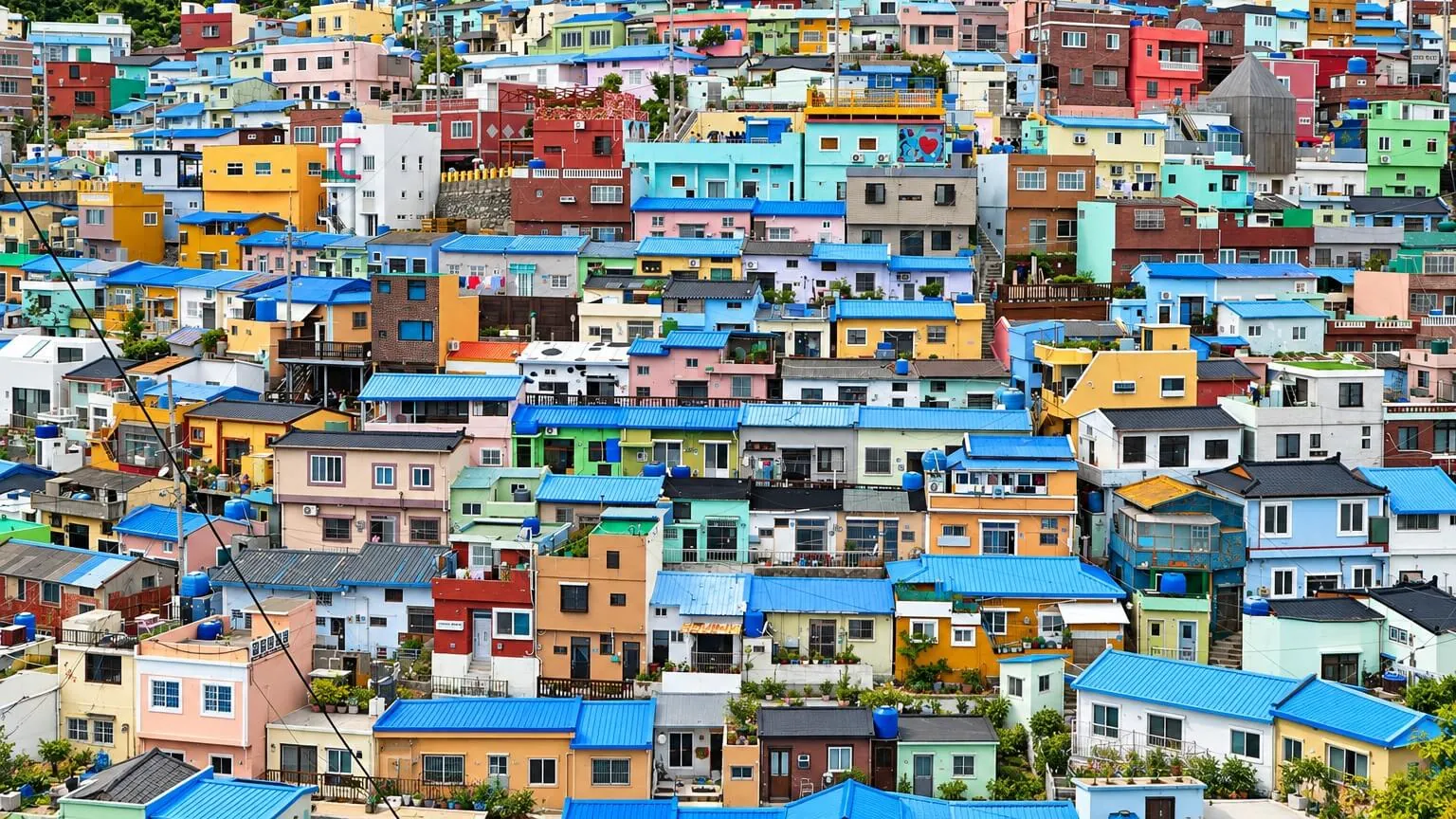
Busan
South Korea’s major southeastern port combines maritime history, colonial-period districts and important Korean War heritage. Its role as a refuge and temporary wartime capital creates a useful contrast with Jeju’s twentieth-century experience.

Seoul
The capital places Jeju within the wider history of the Korean state. Joseon palaces, national museums and modern political sites provide context for the governments, dynasties and conflicts that repeatedly shaped the island.