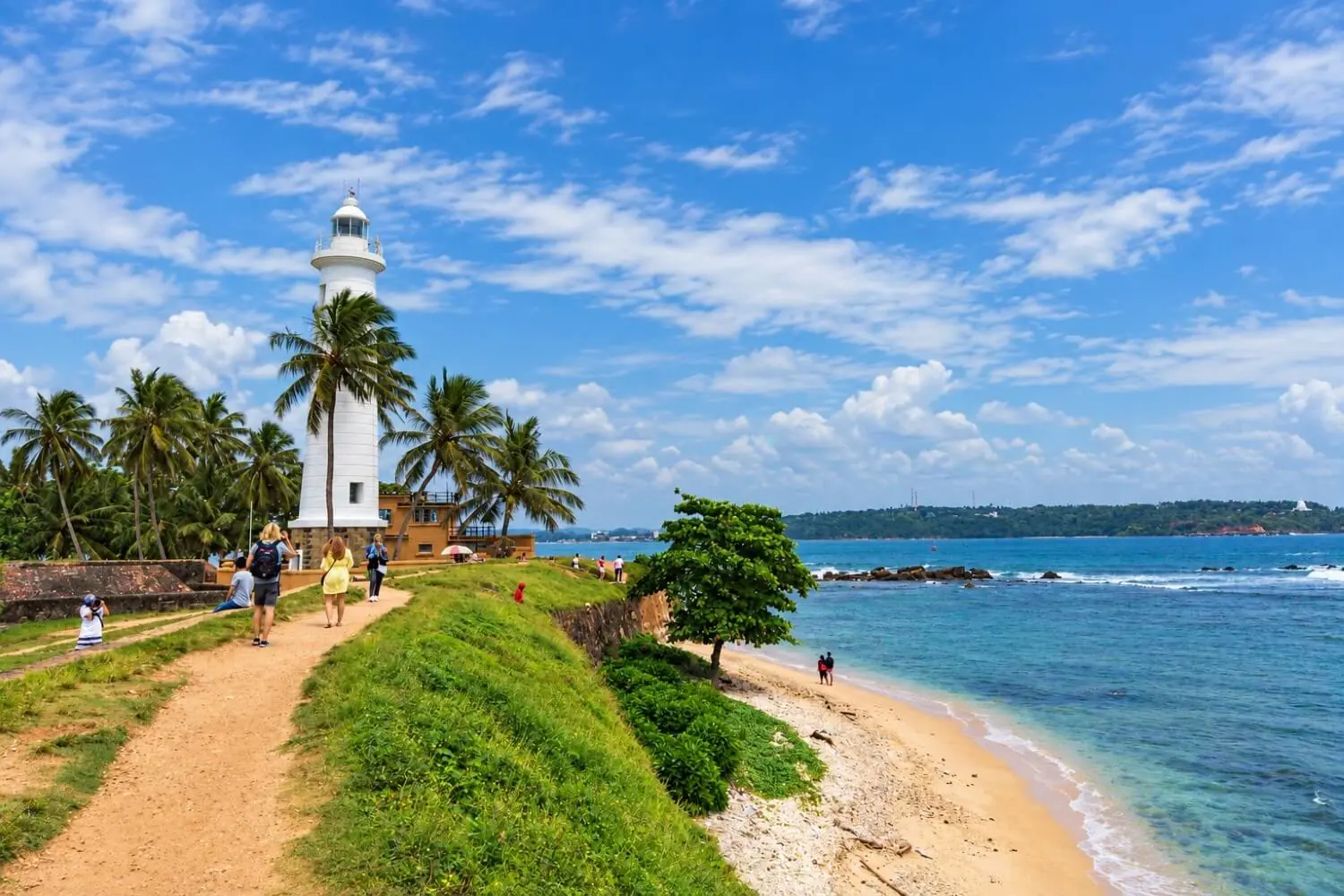
Galle
Dutch fortifications, maritime history and colonial streets
Discover Galle through its UNESCO-listed fort, Dutch colonial architecture, maritime museums, churches, mosques and ocean-facing ramparts, with a practical three-day itinerary connecting the historic fort and Sri Lanka’s southern coast.
INTRODUCTION
Welcome to Galle
Galle developed around one of Sri Lanka’s most important natural harbours and became a major centre of Indian Ocean trade. Portuguese, Dutch and British rule reshaped the port, while the fortified old town preserved a distinctive mixture of European urban planning and South Asian traditions.
Two full days are enough for Galle Fort’s essential sights, while a third allows time for museums, quieter streets and the surrounding southern coast. Staying inside or near the fort also lets you experience the ramparts before day visitors arrive and after sunset.
WHY VISIT
Why Visit Galle?
Galle is one of the best places in Sri Lanka to explore colonial and maritime history on foot. Its fortified old town preserves Dutch streets, churches, warehouses and ramparts alongside mosques, homes and businesses that show how the fort remained a living urban community.
01
Galle Fort & the Ramparts
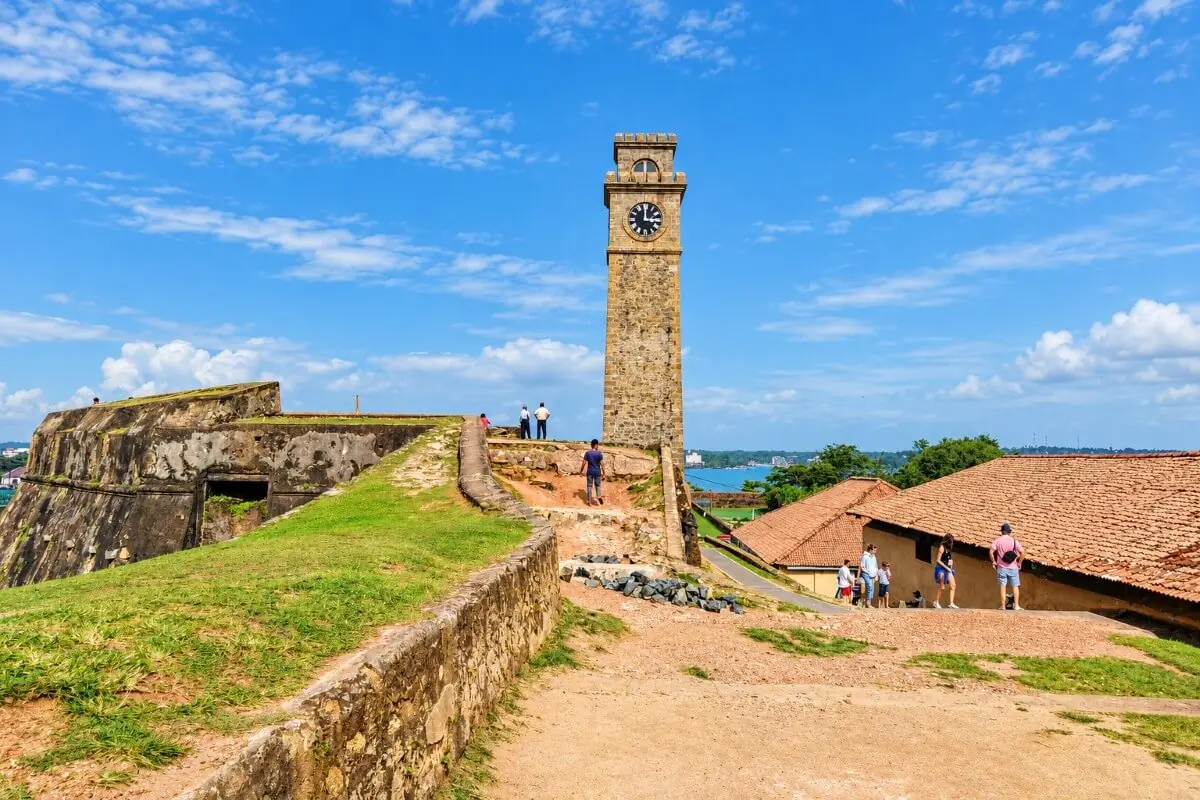
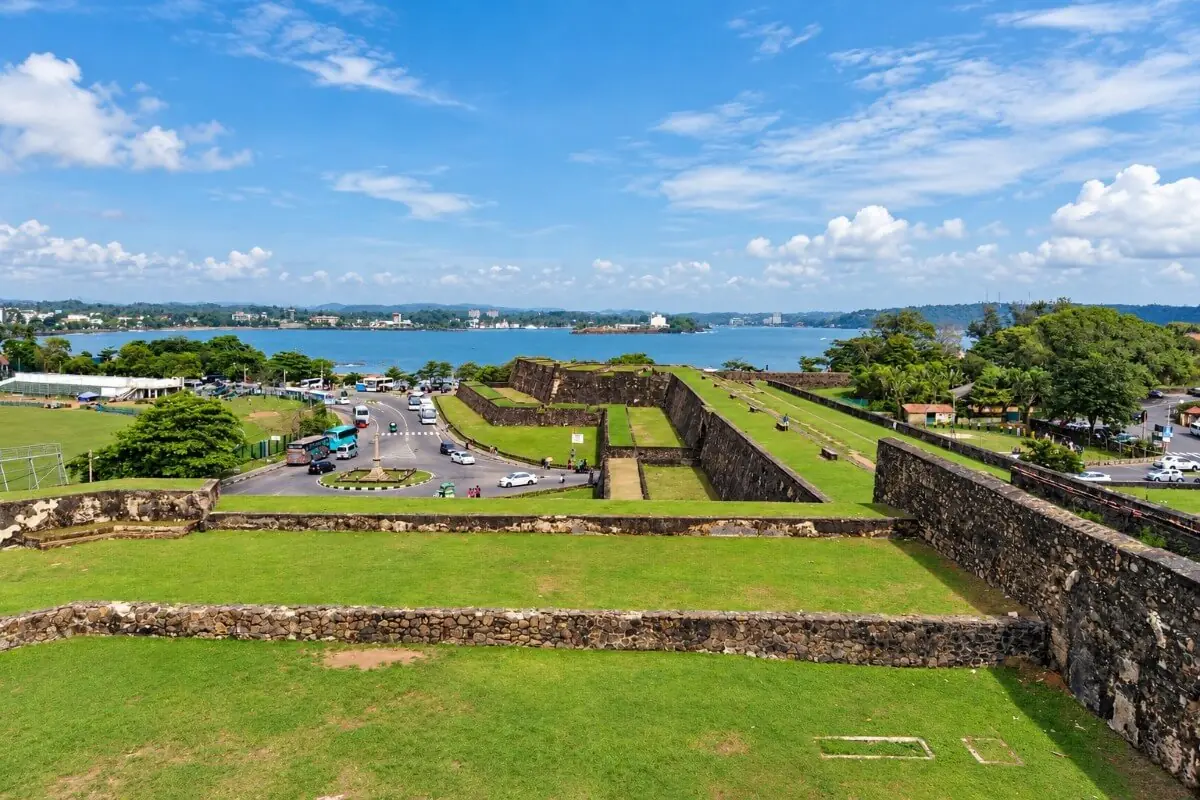
Galle Fort was transformed by the Dutch into a powerful walled settlement facing the Indian Ocean. Bastions, gates and sea walls still define the old town and make the fortifications one of the most complete colonial defensive landscapes in South Asia.
02
Dutch Colonial Architecture
The fort preserves Dutch houses, churches, administrative buildings and warehouses adapted to a tropical climate. Later British additions created another architectural layer without erasing the basic Dutch street plan.
03
Maritime & Trading History
Galle’s harbour linked Sri Lanka with merchants from across the Indian Ocean. Maritime museums, warehouses and fortifications reveal how trade, empire and seafaring shaped the town long before modern tourism.
04
A Living World Heritage City
Galle Fort is not an open-air museum: homes, schools, mosques, churches, cafés and shops still fill its historic streets. This continuity is central to the character of the UNESCO-listed old town and makes it especially rewarding to explore slowly.
HISTORY
A Short History of Galle
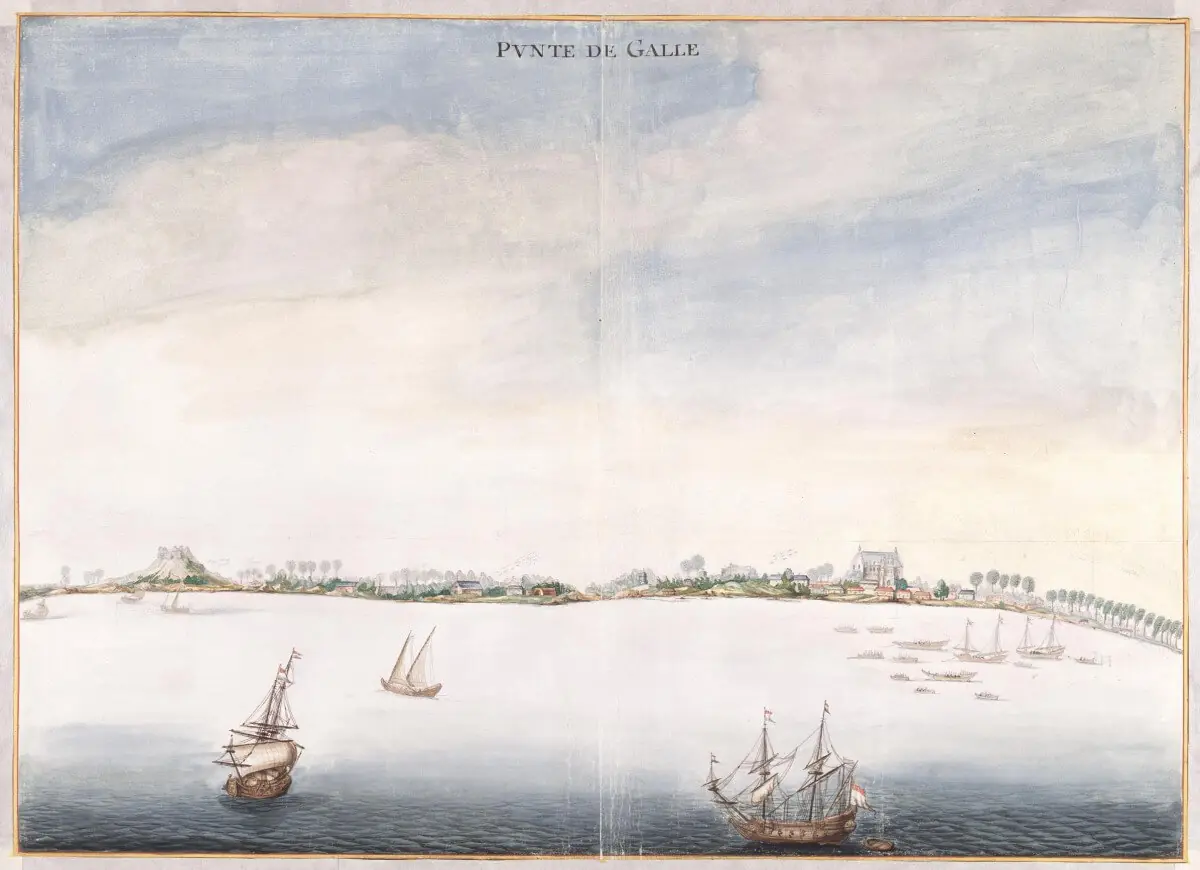
Galle’s harbour was known to merchants long before European rule and formed part of the Indian Ocean trading world. Arab, South Asian and other maritime communities used Sri Lanka’s southern coast, while local rulers controlled the region before the Portuguese established a fortified presence in Galle in the sixteenth century.
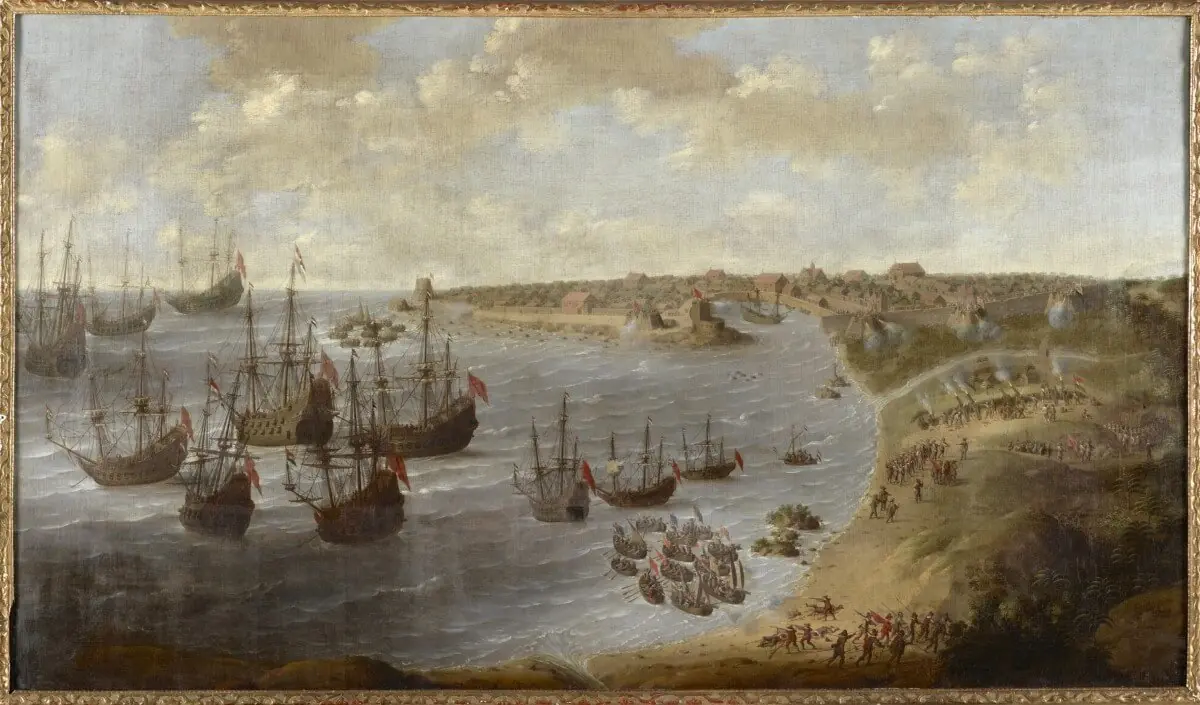
Dutch forces captured Galle from the Portuguese in 1640 and rebuilt the settlement on a much larger scale. They created the bastions, gates, street grid, churches and warehouses that still define the fort. The British took control in 1796 and adapted the existing town rather than replacing its basic structure.
After independence in 1948, Galle remained an important regional centre while the old fort increasingly became valued for its architectural heritage. The historic city of Galle and its fortifications were inscribed on the UNESCO World Heritage List in 1988, recognising the exceptional fusion of European planning and South Asian building traditions.
KEY HISTORICAL MOMENT
1640
In 1640, Dutch forces captured Galle from the Portuguese. Over the following decades they transformed the earlier fort into the powerful bastioned town that survives today, making Dutch rule the defining architectural period in Galle Fort’s history.
TOP SIGHTS
Top Sights in Galle
These eight sights connect Galle’s fortifications, Dutch colonial architecture, maritime history and multicultural heritage. The ramparts are essential, but the fort becomes far more rewarding when you combine them with churches, museums, gates and quieter residential streets.
1
Galle Fort Ramparts & Bastions
The ramparts encircle the historic fort and connect major bastions including Flag Rock, Moon Bastion and Star Bastion. Walking the walls is the best way to understand how the Dutch designed Galle as a fortified port facing both land and sea.
2
Galle Lighthouse & Flag Rock
The white lighthouse near Point Utrecht Bastion is one of Galle’s most recognisable landmarks. Nearby Flag Rock offers wide ocean views and helps visitors read the southern edge of the fortifications.
3
Dutch Reformed Church
The Groote Kerk, or Dutch Reformed Church, dates from the eighteenth century and is one of the fort’s most important surviving religious buildings. Its floor tombstones and memorials preserve the names and stories of Dutch colonial families.
4
National Maritime Museum
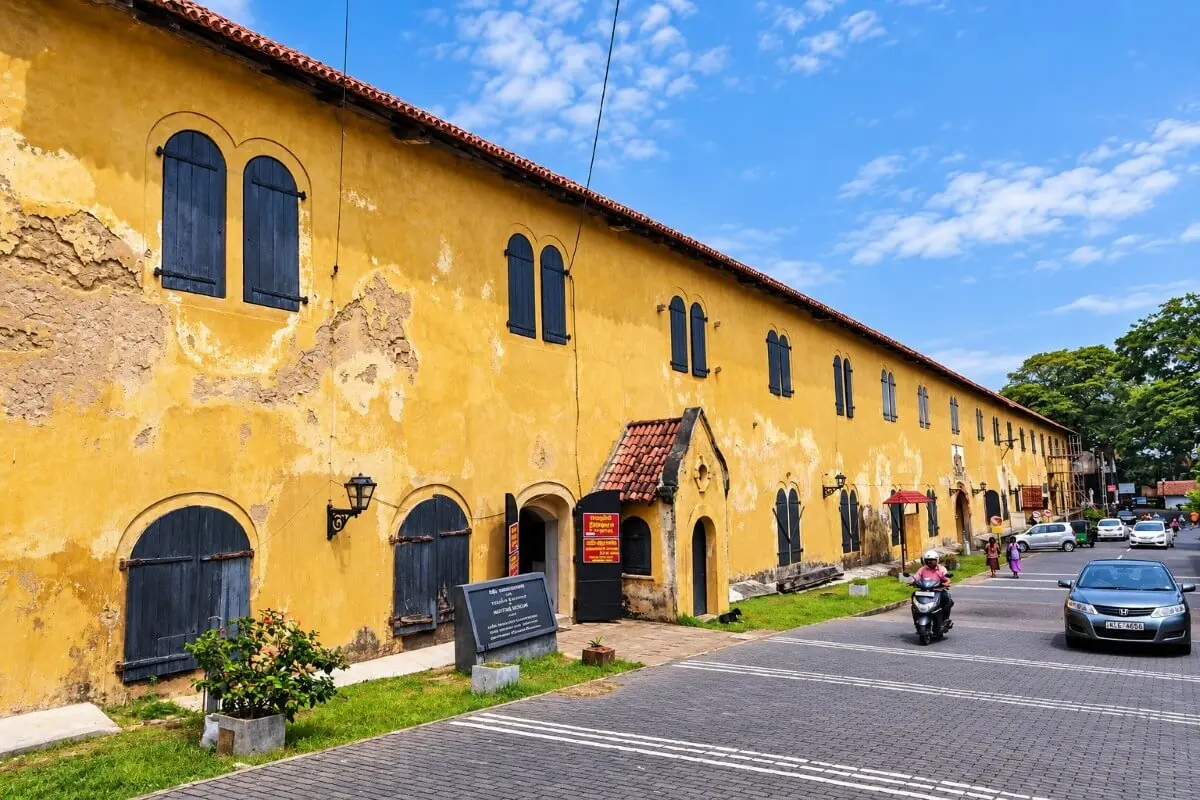
Located within a historic Dutch warehouse near the Old Gate, the National Maritime Museum explores seafaring, trade, marine archaeology and the relationship between Sri Lanka and the Indian Ocean.
5
Old Gate & Dutch Warehouse
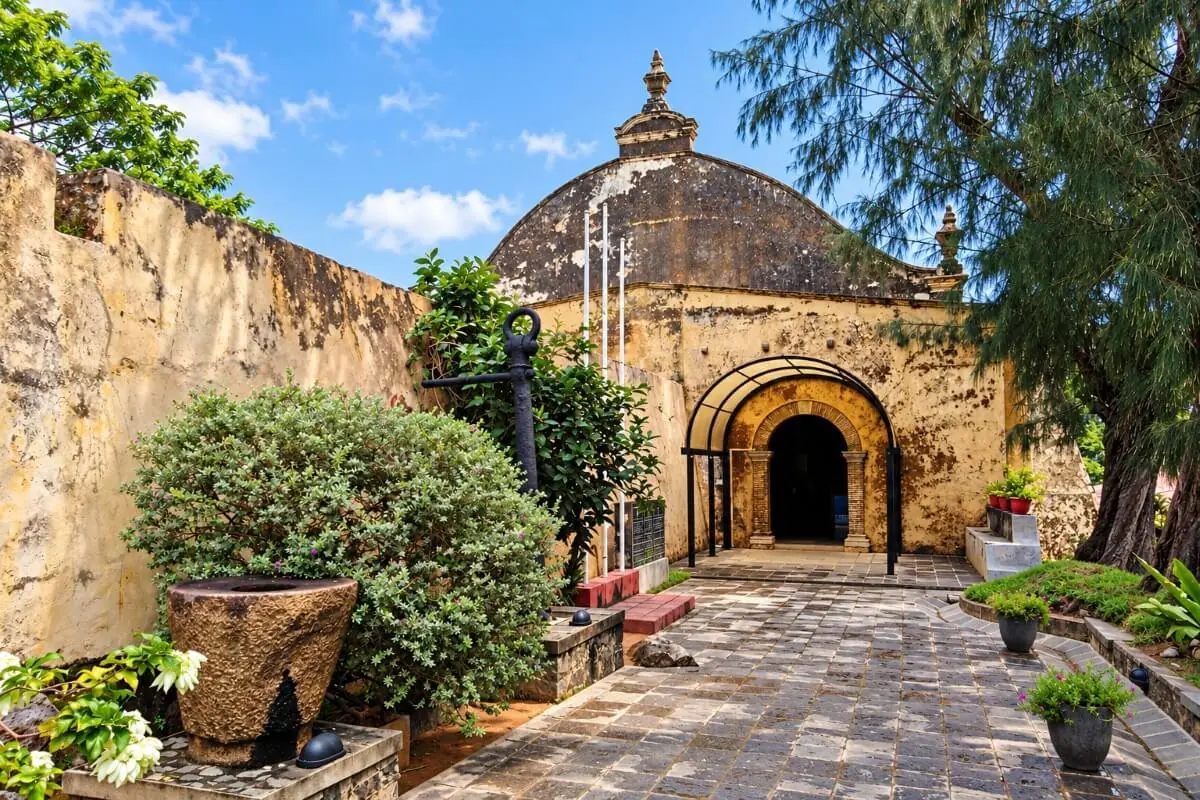
The Old Gate preserves Dutch and British heraldic details and once formed a principal entrance to the fortified town. The adjoining warehouse architecture shows how defence and maritime commerce were closely connected.
6
All Saints Anglican Church
Built in the nineteenth century during British rule, All Saints Anglican Church adds a later Gothic Revival layer to Galle Fort. Its architecture contrasts with the earlier Dutch religious buildings nearby.
7
Meeran Mosque
The Meeran Mosque is among the best-known colonial buildings in Fort. Restored as a dining and shopping precinct, its courtyards and heavy masonry provide an accessible introduction to the Dutch layer of Galle’s history.
8
Historical Mansion Museum
This private collection occupies a historic house and displays maps, ceramics, jewellery, household objects and colonial-era material. It offers an intimate view of everyday life and collecting traditions within Galle Fort.
THINGS TO DO
Things to Do in Galle
Galle is best explored slowly on foot. Combine the ramparts with churches, museums, mosques and residential lanes to understand how military architecture, maritime trade and everyday life developed together inside the fort.
Walk the Galle Fort Ramparts with Context
Walk the ramparts and bastions with a history-focused guide to understand how Portuguese foundations, Dutch engineering and British adaptations shaped the fortified town. Sunset walks add atmosphere, but mornings are quieter.
EXPLORE GALLE HISTORY TOURS →
Explore the Colonial Churches & Mosques
Visit the Dutch Reformed Church, All Saints and Meeran Mosque to see how different communities lived within the same fortified town. Respectful visits add an important social layer to Galle’s colonial architecture.
BROWSE GALLE CULTURAL TOURS →
Discover Galle’s Maritime History
Visit the National Maritime Museum and historic warehouse areas to explore shipwrecks, trade routes, marine archaeology and the port’s connections across the Indian Ocean.
DISCOVER GALLE MUSEUMS & HISTORY →
Explore Galle’s Food & Southern Coast
Combine Galle Fort with Sri Lankan food, seafood and nearby coastal communities. A food walk or short trip beyond the walls reveals how the historic port connects with the wider culture of the southern coast.
EXPLORE GALLE FOOD TOURS →
SUGGESTED ITINERARY
3 Days in Galle
Three days allow you to experience Galle beyond a quick walk around the ramparts. Use the first day for the fortifications and main streets, the second for churches and museums, and the third for quieter lanes and the surrounding southern coast.
DAY 1
Ramparts, Bastions & Colonial Galle
MORNING
Begin at the main gate and walk the ramparts before the heat builds. Follow the walls towards the lighthouse, Flag Rock and the southern bastions, stopping to study the harbour and defensive layout.
AFTERNOON
After lunch, explore Church Street, Pedlar Street and the Dutch Reformed Church, then continue through quieter lanes where historic houses and courtyards preserve the scale of the old fortified town.
EVENING
Return to the western ramparts for sunset. Flag Rock and the sea walls are especially atmospheric in the evening, when the fort becomes quieter and the Indian Ocean dominates the view.
DAY 2
Museums, Churches & Maritime Galle
MORNING
Start at the National Maritime Museum and the Old Gate to understand Galle’s role in Indian Ocean trade. Continue through the warehouse quarter and examine surviving Dutch and British architectural details.
AFTERNOON
In the afternoon, visit the Dutch Reformed Church, All Saints Anglican Church and Meeran Mosque. If time allows, add the Historical Mansion Museum for a more intimate collection of local and colonial material.
EVENING
Spend the evening wandering the fort’s smaller streets or return to the ramparts. Dinner inside the walls is convenient, while the quieter lanes after dark reveal a different side of the old town.
DAY 3
Living Fort & the Southern Coast
MORNING
Use the morning to explore residential lanes, small shops and any corners of the fort you have missed. The area around Lighthouse Street and the eastern ramparts is especially rewarding at a slower pace.
AFTERNOON
In the afternoon, explore the modern town outside the fort or make a short coastal excursion towards Unawatuna, Rumassala or another nearby southern-coast stop.
EVENING
Return to Galle for a final evening meal and walk through the centre. If you stayed in the city all day, use the quieter evening to revisit the walls or All Saints Anglican Church after the main sightseeing crowds have dispersed.
WHERE TO STAY
Where to Stay in Galle
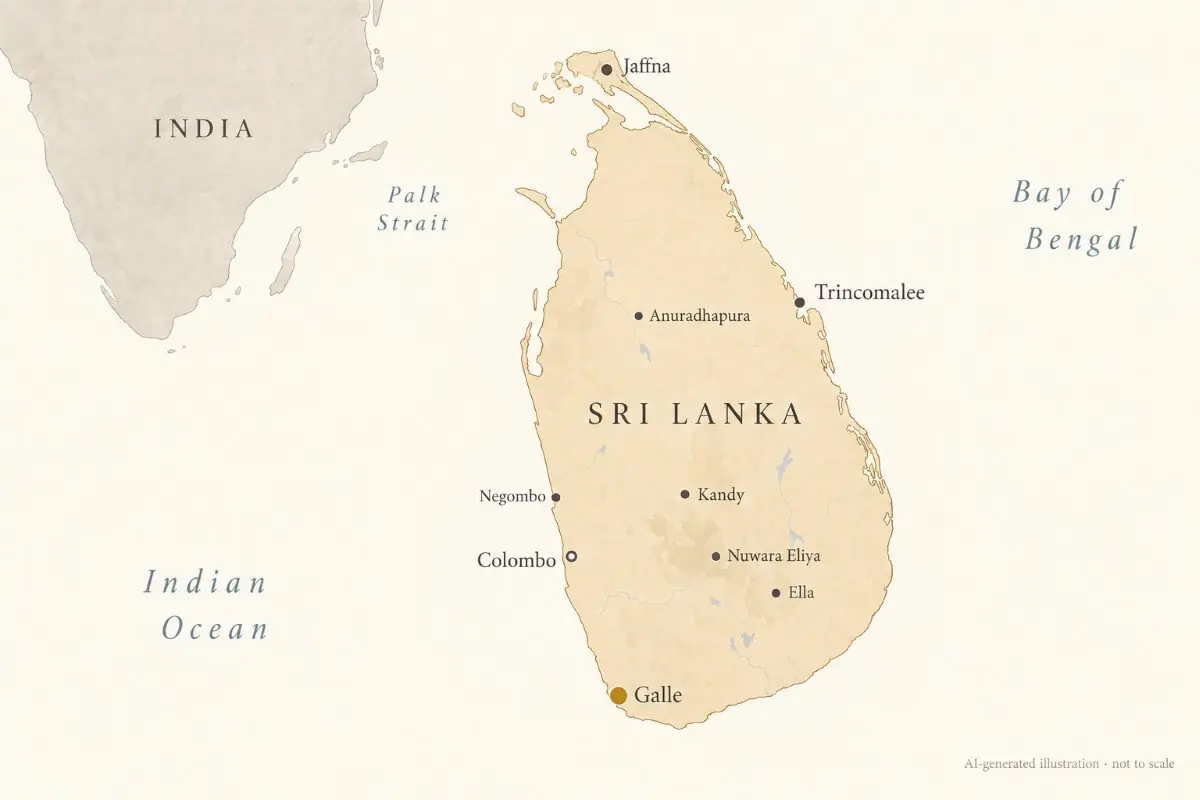
Galle is compact compared with Galle, but your choice of base changes the experience. Stay inside the fort for historic atmosphere, just outside the walls for convenience and value, or along the nearby coast for beaches and easier access to the wider south.
01
Inside Galle Fort
Stay inside the fort for immediate access to the ramparts, churches, museums and evening atmosphere. Historic guesthouses and boutique hotels make this the best choice for a first history-focused visit.
FIND HOTELS IN GALLE FORT →
02
Near the Fort Entrance & Galle Town
Near the Fort Entrance & Galle Town is greener and quieter than the commercial centre and puts the National Museum and Independence Square within easy reach. It suits travellers who prefer museums, cafés and a more residential atmosphere.
BROWSE STAYS IN CENTRAL GALLE →
03
Unawatuna
Unawatuna lies a short distance east of Galle and is a good option for travellers who want beach time alongside historic sightseeing. Tuk-tuks and taxis make it easy to visit the fort.
FIND STAYS IN UNAWATUNA →
04
Southern Coast & Boutique Stays
Small hotels and villas along the coast around Galle offer more space and ocean views while remaining within easy reach of the fort. They work well for travellers combining heritage with a slower coastal stay.
EXPLORE SOUTHERN COAST STAYS →
GETTING AROUND
Getting Around Galle
Galle Fort is compact and best explored on foot, while tuk-tuks, buses and trains are useful for the modern town and surrounding coast. The railway and bus stations sit outside the historic fort.
On Foot
Nearly every sight inside Galle Fort can be reached on foot. The ramparts are exposed to sun and rain, so early morning and late afternoon are the most comfortable times for longer walks.
By Bus
Local and intercity buses connect Galle with Galle, Matara and towns along the southern coast. The main bus station is outside the fort and is useful for short regional journeys.
By Train
Galle railway station lies just outside the fort and is served by the coastal line from Galle towards Matara and the south. Trains are a scenic and practical option, though popular services can be busy.
From Colombo & Bandaranaike International Airport
From Colombo, Galle is reached by coastal train, bus, expressway coach or private transfer. Bandaranaike International Airport lies north of Colombo, so travellers arriving by air should allow additional time for the onward journey south.
By Tuk-Tuk, Taxi & Car
Tuk-tuks are convenient for trips between the fort, station and nearby beaches. Taxis or a car are useful for longer coastal excursions, but vehicles are unnecessary for sightseeing inside the fort itself.
BEST TIME TO VISIT
Best Time to Visit Galle
Galle is warm and humid throughout the year, with the southwest monsoon bringing wetter conditions to Sri Lanka’s southern coast. December to March is generally the most comfortable period for long walks on the ramparts and coastal sightseeing.
December–March
DRIER SEASON
December to March is generally the driest and most comfortable period for Galle Fort. Sea breezes help on the ramparts, but midday sun remains strong, so mornings and late afternoons are best for walking.
April–June
SOUTHWEST MONSOON
April to June becomes wetter as the southwest monsoon develops. Heavy showers can interrupt rampart walks, but museums, churches, cafés and short breaks in the weather still make the fort easy to explore.
July–November
VARIABLE & INTER-MONSOON
July to November remains variable, with showers and another wetter period often developing around October and November. July and August can still provide useful dry intervals for sightseeing.
BEST OVERALL TIME
January–March
January to March usually offers the best balance of lower rainfall, clearer skies and comfortable conditions for exploring Galle Fort and the southern coast. Accommodation demand can be higher during this peak period.
Next Destinations
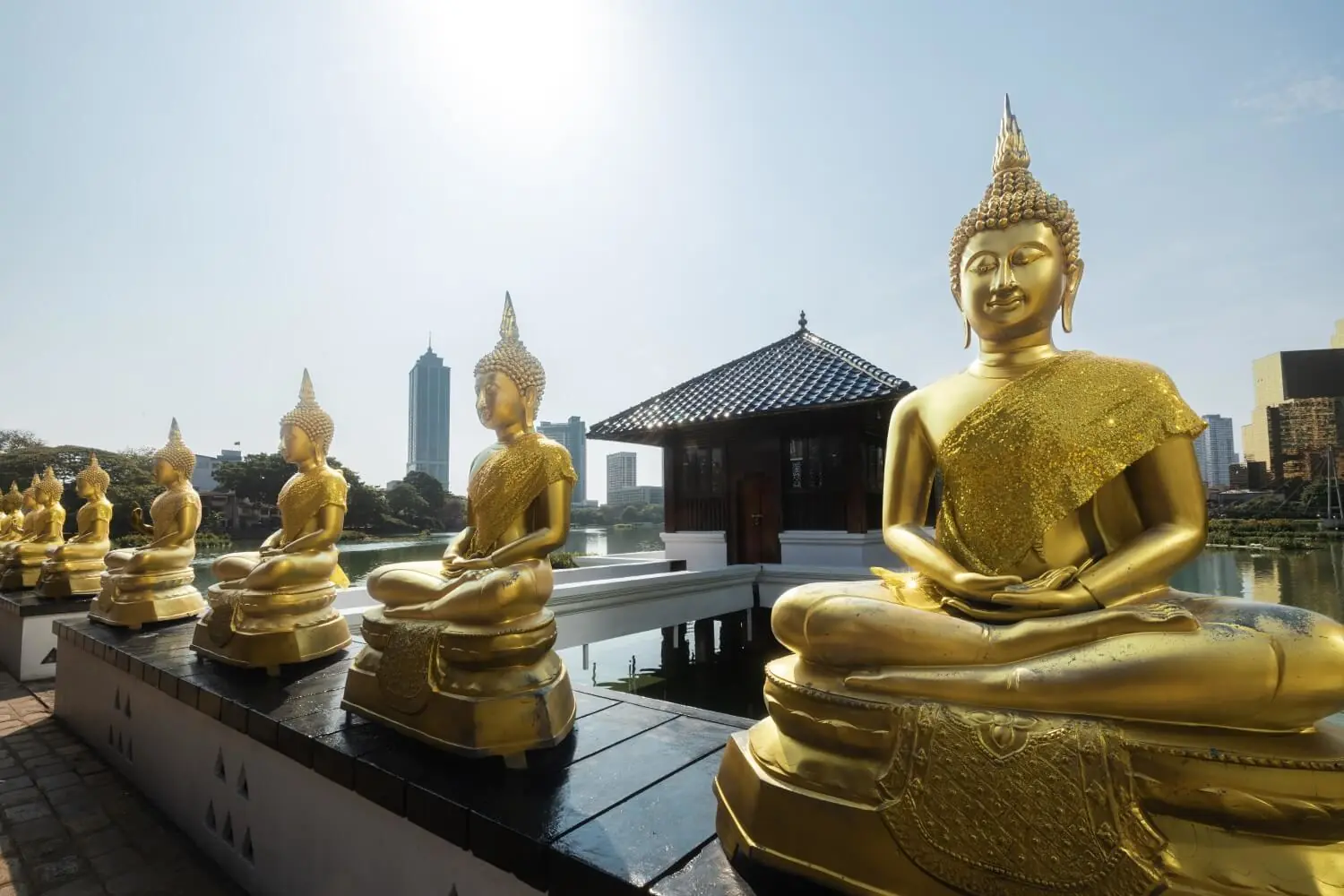
Colombo
Travel north to Colombo for colonial Fort, Pettah markets, museums, temples and Sri Lanka’s modern commercial history.
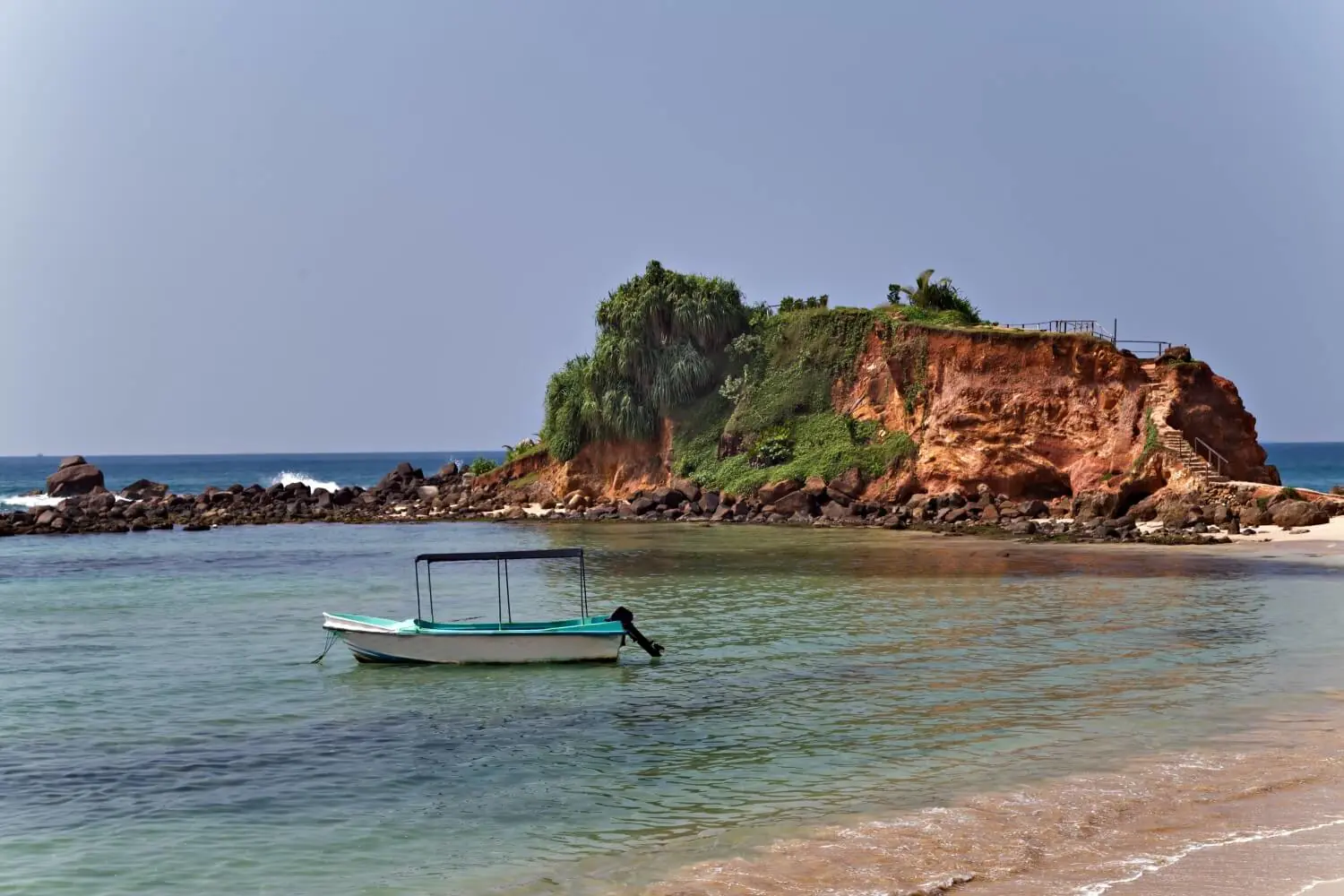
Mirissa
Travel south to Mirissa for tropical beaches, fishing heritage, Parrot Rock and the maritime history of Sri Lanka’s south coast.
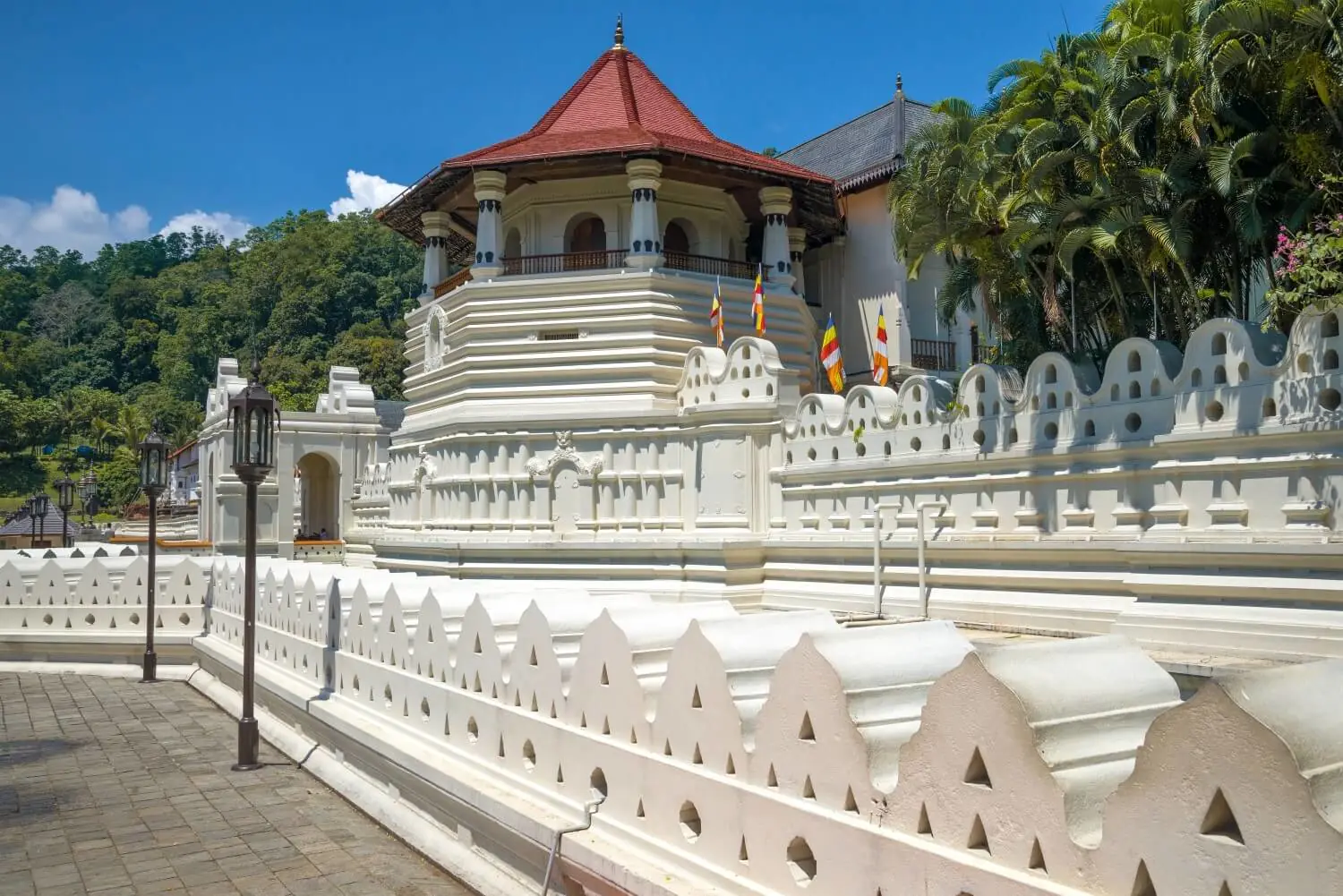
Kandy
Travel inland to Kandy for the Temple of the Sacred Tooth Relic, royal history and the cultural traditions of Sri Lanka’s central highlands.
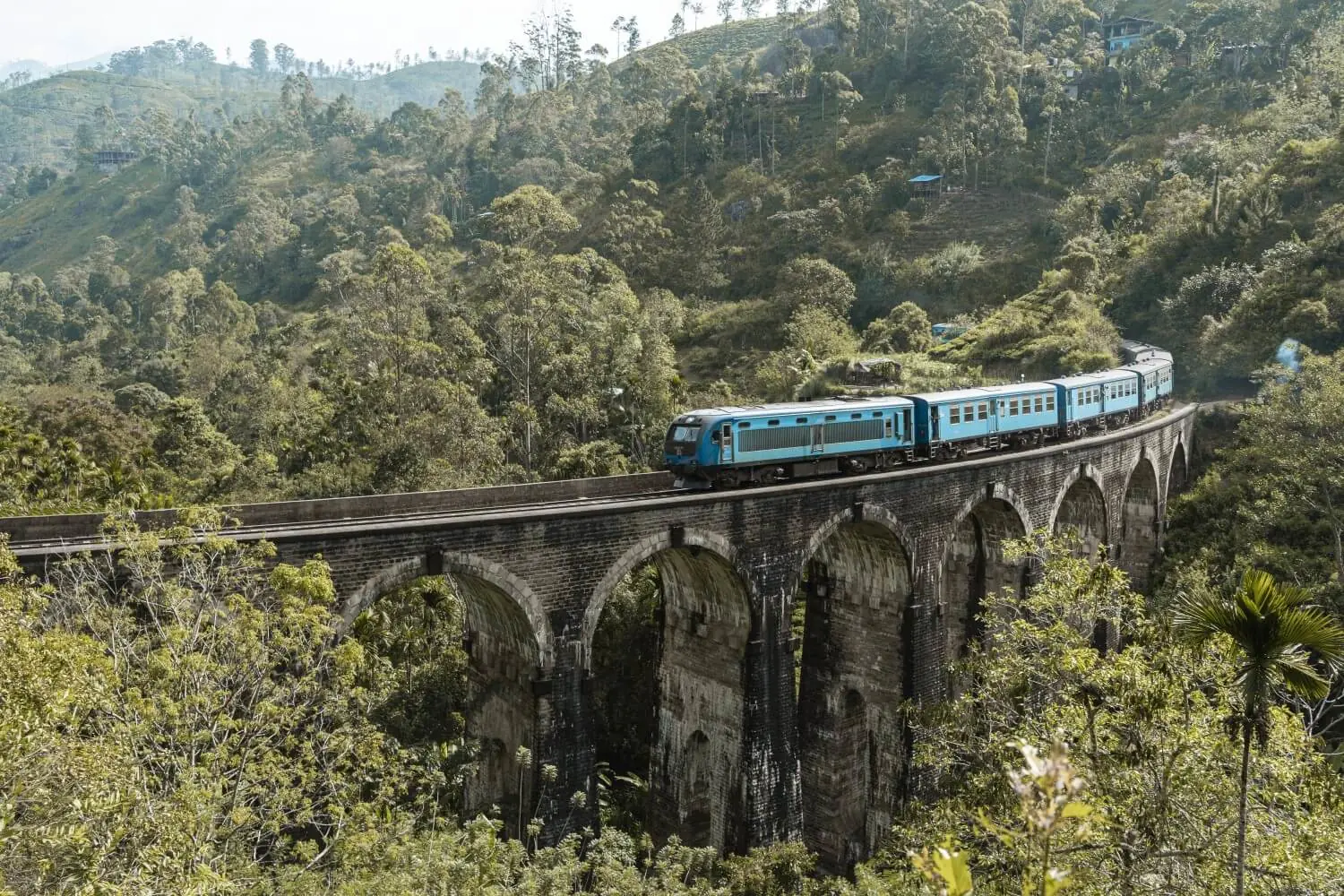
Ella
Continue into the hill country to Ella for railway history, tea landscapes and mountain scenery after exploring Sri Lanka’s southern coast.