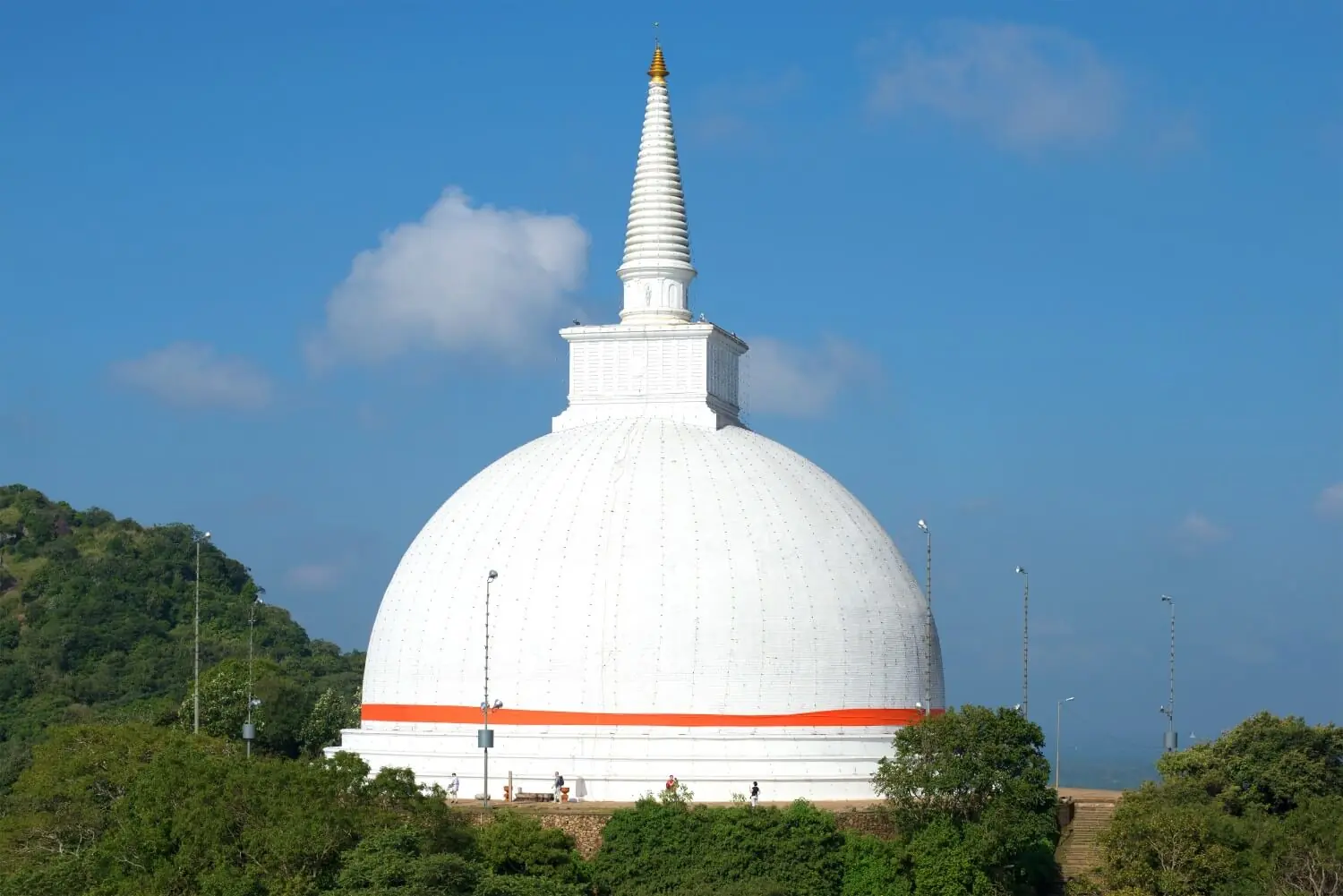
Mihintale
Ancient monasteries, sacred hills and early Buddhism
Discover Mihintale through ancient monastic ruins, stupas, rock shrines and sacred viewpoints, with a practical three-day itinerary connecting the great stairway, Ambasthala, Aradhana Gala and nearby Anuradhapura.
INTRODUCTION
Welcome to Mihintale
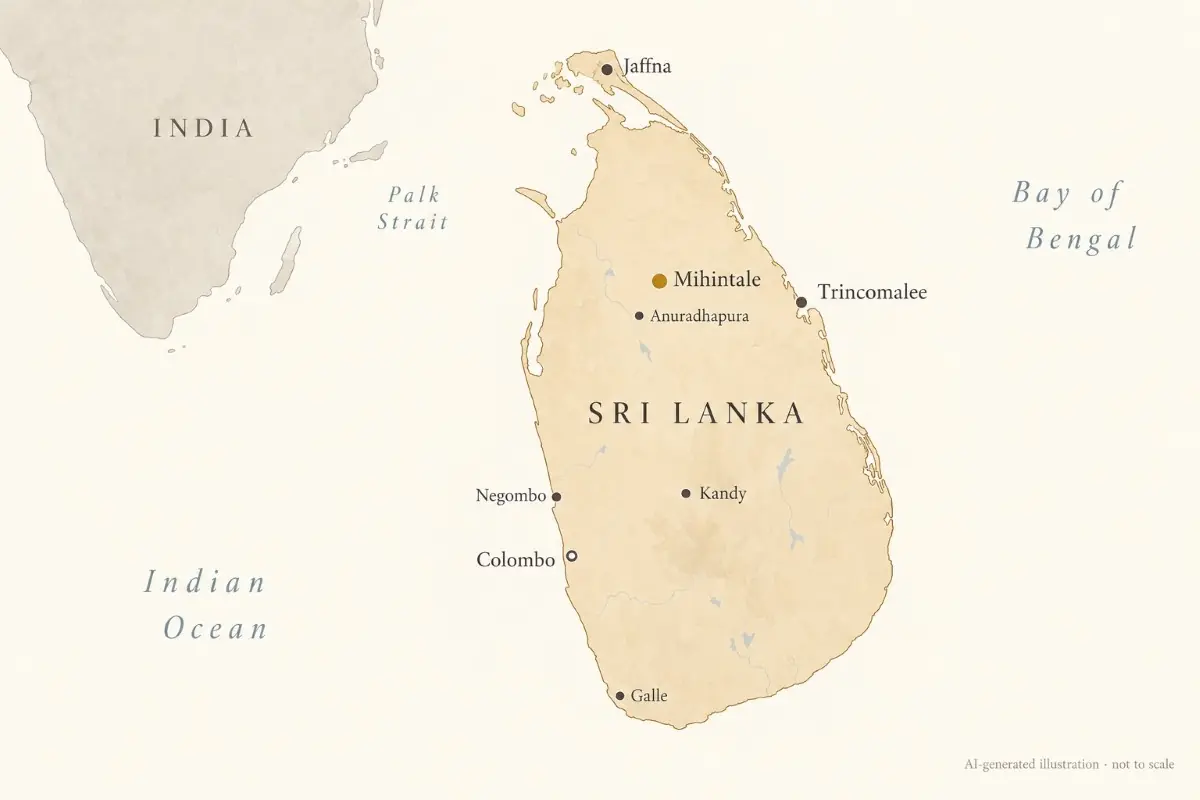
Mihintale is one of Sri Lanka’s most important Buddhist pilgrimage sites and is traditionally associated with the introduction of Buddhism to the island in the third century BCE. Monastic ruins, stupas, rock shelters and ceremonial stairways spread across a sacred hill east of Anuradhapura.
One full day covers Mihintale’s essential monuments, while two or three days allow time for quieter ruins, sunrise or sunset viewpoints and a deeper exploration of nearby Anuradhapura. Staying nearby also makes it easier to avoid the strongest midday heat.
WHY VISIT
Why Visit Mihintale?
Mihintale combines Buddhist history, monastic archaeology and a dramatic sacred landscape. Its stairways, stupas, cave shelters and hilltop viewpoints make it one of the most important places in Sri Lanka for understanding the early spread of Buddhism.
01
The Arrival of Buddhism
Mihintale is traditionally linked with the meeting between the monk Mahinda and King Devanampiya Tissa in the third century BCE. That encounter is remembered as a decisive moment in the establishment of Buddhism in Sri Lanka.
02
Ancient Monastic Ruins
The hill preserves remains of monasteries, meditation caves, refectories and ritual buildings that developed over many centuries. Together they show how Mihintale functioned as a major religious community rather than a single shrine.
03
Sacred Hills & Pilgrimage
The climb through Mihintale’s terraces is part of the pilgrimage experience. Stone steps, rocky outcrops and shrines connect the lower monastery with sacred points higher on the hill.
04
Close to Anuradhapura
Mihintale lies only a short distance from Anuradhapura, making the two sites easy to combine. Together they tell a connected story of royal patronage, Buddhist institutions and sacred landscapes in ancient Sri Lanka.
HISTORY
A Short History of Mihintale
Mihintale’s history is traditionally traced to the third century BCE, when Mahinda, a Buddhist monk associated with the Mauryan emperor Ashoka, is said to have met King Devanampiya Tissa on the hill. The encounter became central to Sri Lanka’s Buddhist historical tradition.
As Buddhism became established, Mihintale developed into an important monastic centre with caves, stupas, ceremonial terraces and communal buildings. Royal patronage helped support the community and connect it with the nearby capital at Anuradhapura.
Mihintale continued as a sacred and monastic landscape for centuries, even as political centres shifted elsewhere. Its monuments remain active places of pilgrimage, especially during Poson, when the introduction of Buddhism to Sri Lanka is commemorated.
KEY HISTORICAL MOMENT
3rd century BCE
In the third century BCE, Mahinda is traditionally believed to have met King Devanampiya Tissa at Mihintale. The encounter is remembered as the moment that led to the formal establishment of Buddhism in Sri Lanka.
TOP SIGHTS
Top Sights in Mihintale
These eight sights connect Mihintale’s Buddhist history, monastic archaeology and sacred landscape. The central terrace is essential, but the site becomes far more rewarding when you include the great stairway, cave shrines, stupas and hilltop viewpoints.
1
The Great Stairway
The great stone stairway is the ceremonial approach to Mihintale’s upper terraces. Hundreds of steps climb through the hillside and create one of the most memorable pilgrimage routes in Sri Lanka.
2
Ambasthala Dagoba
Ambasthala Dagoba stands on the central terrace and marks the area traditionally associated with the meeting between Mahinda and King Devanampiya Tissa. It is one of Mihintale’s most sacred monuments.
3
Aradhana Gala
Aradhana Gala is a rocky summit reached by a steep final ascent. The viewpoint offers wide views over the plains around Anuradhapura and is one of the most dramatic points in the sacred complex.
4
Maha Seya
Maha Seya crowns one of Mihintale’s upper hills and is visible across much of the site. The large stupa reinforces the sacred skyline and rewards visitors who continue beyond the central terrace.
5
Kantaka Chetiya
The Kantaka Chetiya was once polished to a reflective finish and later became covered with historic graffiti. Many inscriptions were written by visitors centuries ago and provide rare evidence of how Mihintale was experienced long after the royal period.
6
Mihindu Guhawa
Mihindu Guhawa is a cave traditionally associated with Mahinda. The simple rock shelter contrasts with the monumental stupas and helps convey the ascetic side of early monastic life.
7
Refectory & Monastic Buildings
Ruins of refectories, storage areas and communal buildings show how the monastic community functioned in everyday life. These less dramatic structures are essential for understanding Mihintale beyond its sacred monuments.
8
Kaludiya Pokuna
Kaludiya Pokuna is a quieter monastic area centred on a dark-water pond, rock shelters and ruins. It offers a peaceful contrast to the busier central pilgrimage terraces.
THINGS TO DO
Things to Do in Mihintale
Mihintale works best when the monuments are explored as parts of a complete sacred landscape. Combine the main terrace with cave shelters, stupas, viewpoints and quieter monastic ruins rather than rushing between individual shrines.
Climb the Sacred Hill with Context
Climb through Mihintale with a history-focused guide to connect the great stairway, Ambasthala, cave shrines and hilltop stupas. The best tours explain how the site developed as both monastery and pilgrimage centre.
EXPLORE MIHINTALE HISTORY TOURS →
Explore the Monastic Ruins
Spend time among the refectory, meditation caves and communal buildings to understand how monks lived and worked at Mihintale beyond the major ceremonial monuments.
BROWSE MIHINTALE CULTURAL TOURS →
Visit Aradhana Gala & Maha Seya
Visit the Refectory & Monastic Buildings to add prehistoric and early historic archaeology to your Mihintale itinerary. The burial site gives a very different perspective on the region before the great Buddhist kingdoms.
DISCOVER MIHINTALE SACRED SITES →
Combine Mihintale with Anuradhapura
Combine Mihintale with nearby Anuradhapura to connect the arrival of Buddhism with the royal capital, Sri Maha Bodhi, great stupas and monastic institutions.
EXPLORE MIHINTALE & ANURADHAPURA TOURS →
SUGGESTED ITINERARY
3 Days in Mihintale
Three days allow you to experience Mihintale beyond a quick stop from Anuradhapura. Use the first day for the central sacred hill, the second for quieter monastic ruins, and the third for Anuradhapura or another nearby ancient site.
DAY 1
Great Stairway, Ambasthala & Aradhana Gala
MORNING
Begin at the great stairway early, before the heat builds. Continue to Ambasthala Dagoba and spend time on the central terrace before climbing towards Aradhana Gala.
AFTERNOON
After the climb, spend time in the Kaludiya Pokuna and revisit the lower gardens at a slower pace. The museum helps place the palace, frescoes and hydraulic system in context.
EVENING
Spend the evening near Mihintale or return to Anuradhapura. Sunset light on the hill can make the sacred landscape especially atmospheric.
DAY 2
Kantaka Chetiya, Caves & Monastic Life
MORNING
Start at the Refectory & Monastic Buildings to explore a much earlier layer of regional archaeology. The site is compact and works well before the strongest midday heat.
AFTERNOON
Spend the afternoon at Mihindu Guhawa, the refectory ruins and other monastic structures. These places reveal how daily religious life functioned away from the main ceremonial terrace.
EVENING
Spend the evening resting or revisit the central terrace when it is quieter. A slower second day works well after the steep climbs.
DAY 3
Kaludiya Pokuna & Anuradhapura
MORNING
Visit Kaludiya Pokuna in the morning for a quieter monastic landscape of ponds, caves and ruins away from the main pilgrimage route.
AFTERNOON
In the afternoon, continue to Anuradhapura for Sri Maha Bodhi, Ruwanwelisaya or another major site that connects directly with Mihintale’s Buddhist history.
EVENING
Return to Mihintale or Anuradhapura for a final evening meal and one last view across the ancient landscape.
WHERE TO STAY
Where to Stay in Mihintale
Mihintale has a smaller accommodation scene than Anuradhapura, so many travellers stay nearby or use Anuradhapura as a base. Choose central Mihintale for early access, the road towards Anuradhapura for convenience, or Anuradhapura itself for the widest choice of hotels and restaurants.
01
Central Mihintale
Stay in central Mihintale for the shortest journey to the sacred hill and the easiest possible early start.
FIND HOTELS IN MIHINTALE →
02
Between Mihintale & Anuradhapura
The eastern side of Mihintale near Aradhana Gala offers quieter stays and easy access to the viewpoint and The Great Stairway. It suits travellers who prioritise walking and scenery.
BROWSE STAYS NEAR MIHINTALE →
03
Anuradhapura
Anuradhapura offers the widest choice of accommodation, restaurants and transport. It is the most practical base if you plan to combine the two ancient sites over several days.
FIND STAYS IN ANURADHAPURA →
04
Rural Guesthouses
Small rural guesthouses around Mihintale provide a quieter setting and easy access to the sacred hill by tuk-tuk or bicycle.
EXPLORE RURAL STAYS NEAR MIHINTALE →
GETTING AROUND
Getting Around Mihintale
Mihintale’s main monuments are concentrated around the sacred hill, but the site involves many steps and steep climbs. Walking is essential, while tuk-tuks and buses are useful for reaching Anuradhapura and outlying areas.
On Foot
The main terraces, stupas and cave sites are explored on foot. Comfortable shoes, water and sun protection are essential because the stairways and rock surfaces can be demanding.
By Bus
Local buses connect Mihintale with Anuradhapura and nearby towns. They are inexpensive and practical for travellers using Anuradhapura as a base.
By Train
For most long-distance rail journeys, Anuradhapura is the most useful station. Continue from there to Mihintale by bus, tuk-tuk, taxi or private transfer.
From Colombo & Bandaranaike International Airport
From Colombo, Mihintale is usually reached by road via Mihintale or Anuradhapura. Travellers arriving at Bandaranaike International Airport can continue by private transfer, bus connections or a combination of rail and road.
By Tuk-Tuk, Bus & Bicycle
Tuk-tuks are convenient for the short journey between Mihintale and Anuradhapura, while bicycles can work well for confident riders. A car or driver is useful if combining several ancient sites in one day.
BEST TIME TO VISIT
Best Time to Visit Mihintale
Mihintale is hot for much of the year, and the exposed stairways can feel intense in the middle of the day. December to February usually brings the most comfortable conditions, while the hotter months require early starts and longer midday breaks.
December–February
DRIER SEASON
December to February usually offers the most comfortable conditions for climbing and exploring the monuments, with cooler mornings and lower rainfall.
March–May
HOT & DRY
March to May is often very hot, making early starts essential. Carry plenty of water and avoid the steepest exposed climbs in the middle of the day.
June–November
VARIABLE & WETTER LATE SEASON
June to September can work well for travel, while October and November are often wetter. Conditions vary, so plan longer walks for the cooler parts of the day.
BEST OVERALL TIME
December–February
December to February usually offers the best balance of lower rainfall, cooler mornings and comfortable conditions for exploring Mihintale’s sacred hill.
Next Destinations
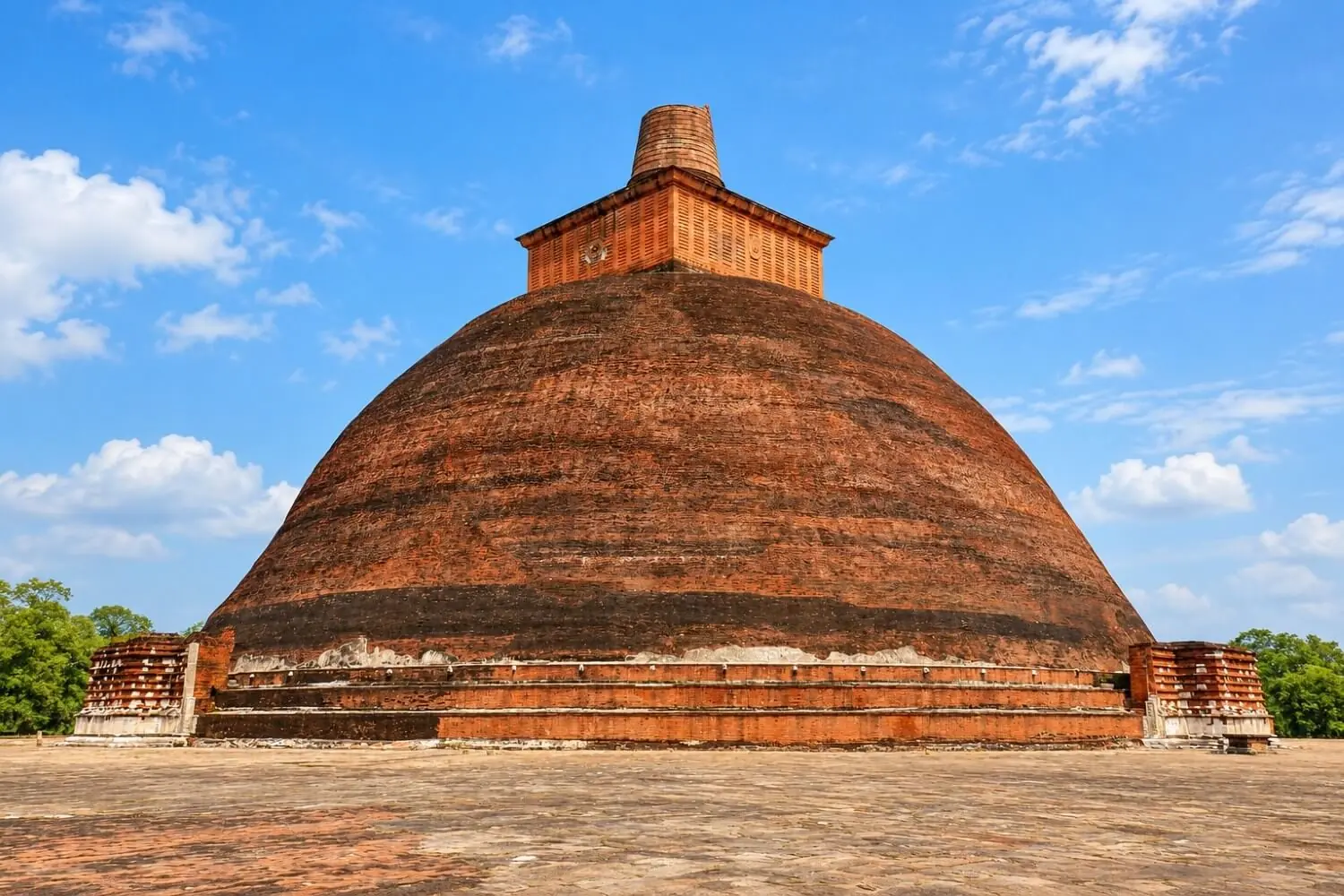
Anuradhapura
Travel west to Anuradhapura for Sri Maha Bodhi, monumental stupas and one of Sri Lanka’s most important ancient capitals.
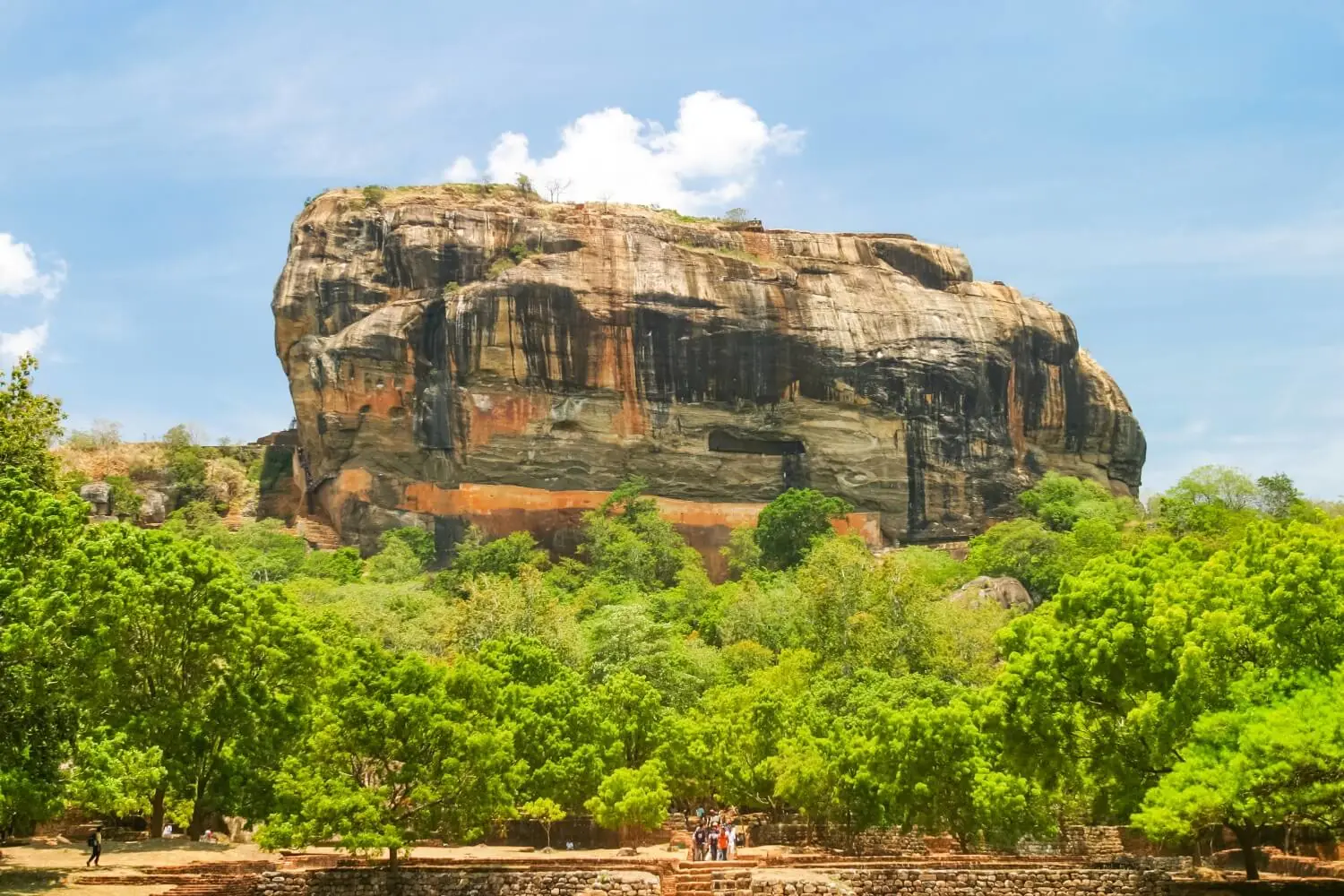
Sigiriya
Travel south-east to Sigiriya for its fifth-century rock fortress, water gardens and royal palace ruins.
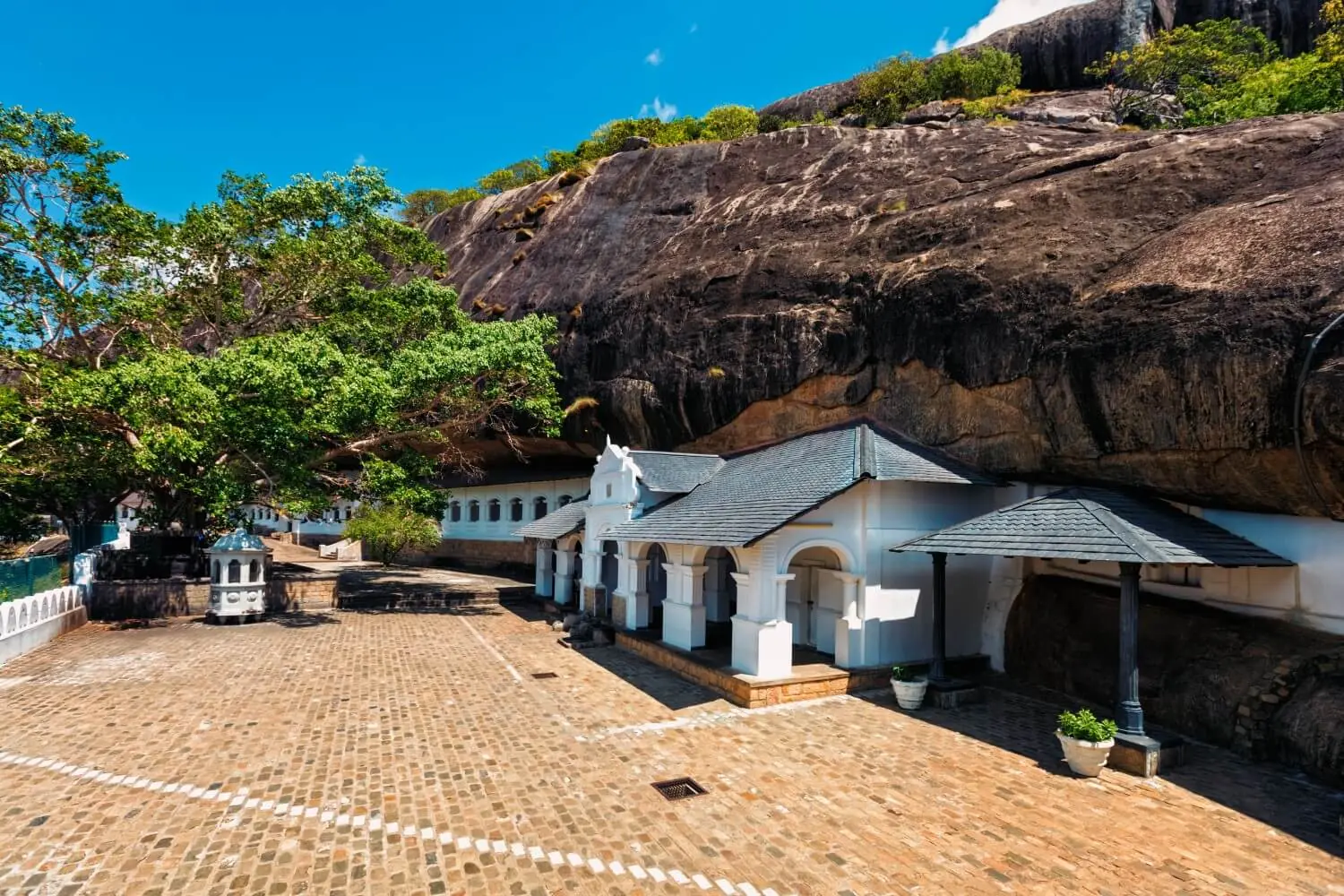
Dambulla
Continue south to Dambulla for its UNESCO-listed cave temples, Buddhist murals and sacred rock complex.
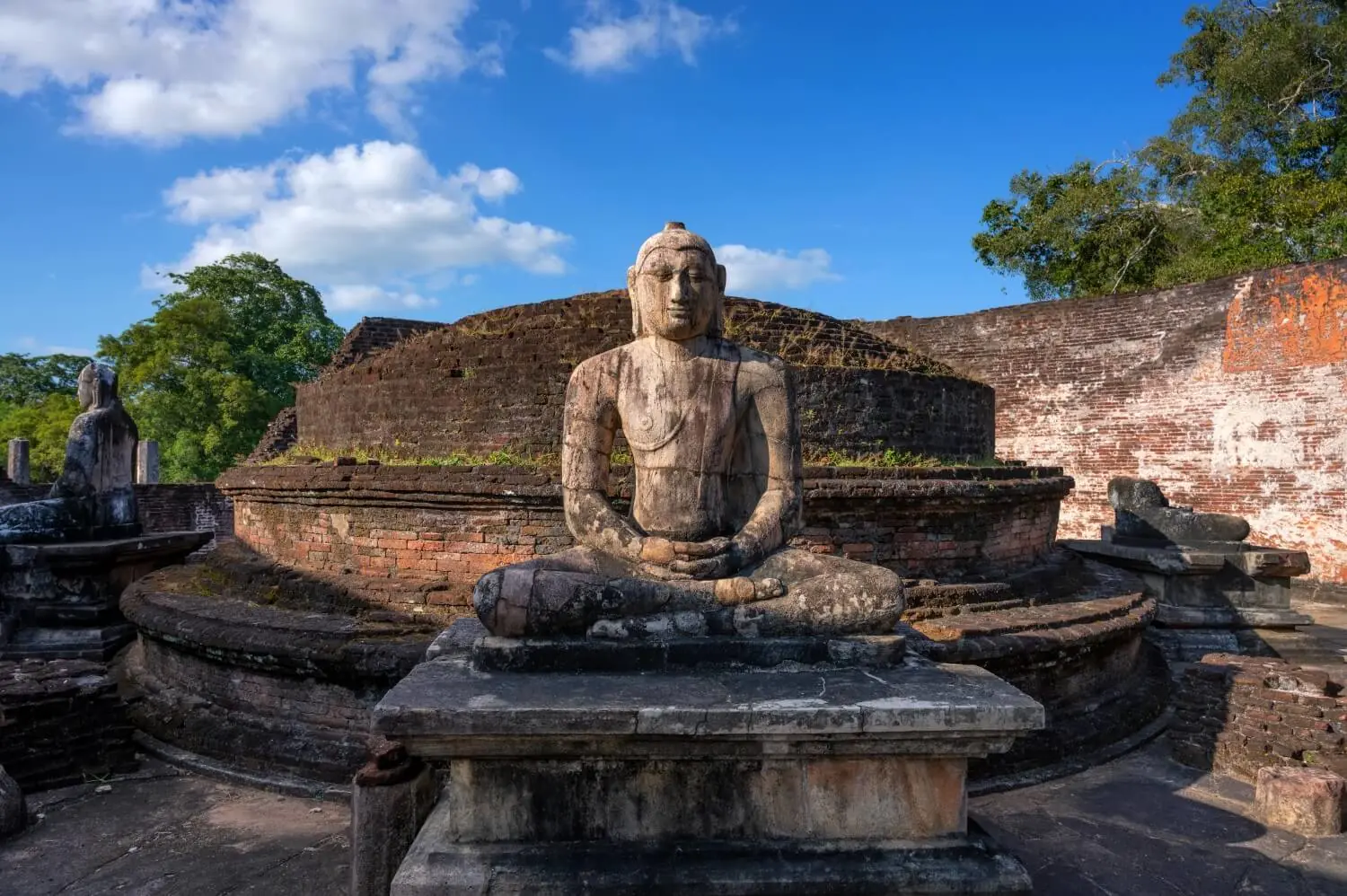
Polonnaruwa
Continue east to Polonnaruwa for royal palaces, monumental Buddha images and the history of Sri Lanka’s medieval capital.