Polonnaruwa
Royal palaces, Buddha images and medieval history
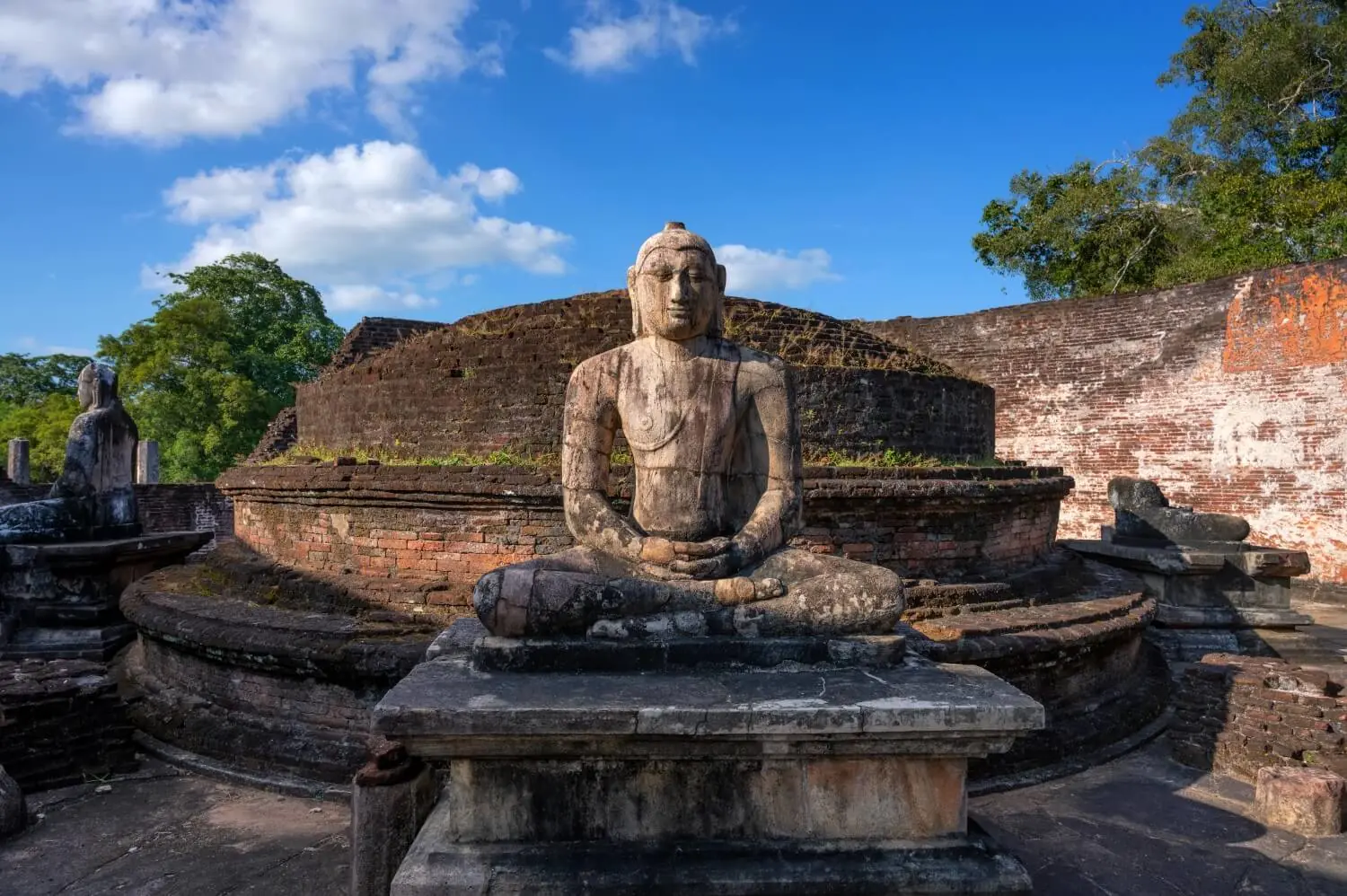
Discover Polonnaruwa through royal palaces, Buddhist shrines, monumental sculptures and ancient reservoirs, with a practical three-day itinerary connecting the Sacred Quadrangle, Gal Vihara and the wider medieval capital.
INTRODUCTION
Welcome to Polonnaruwa
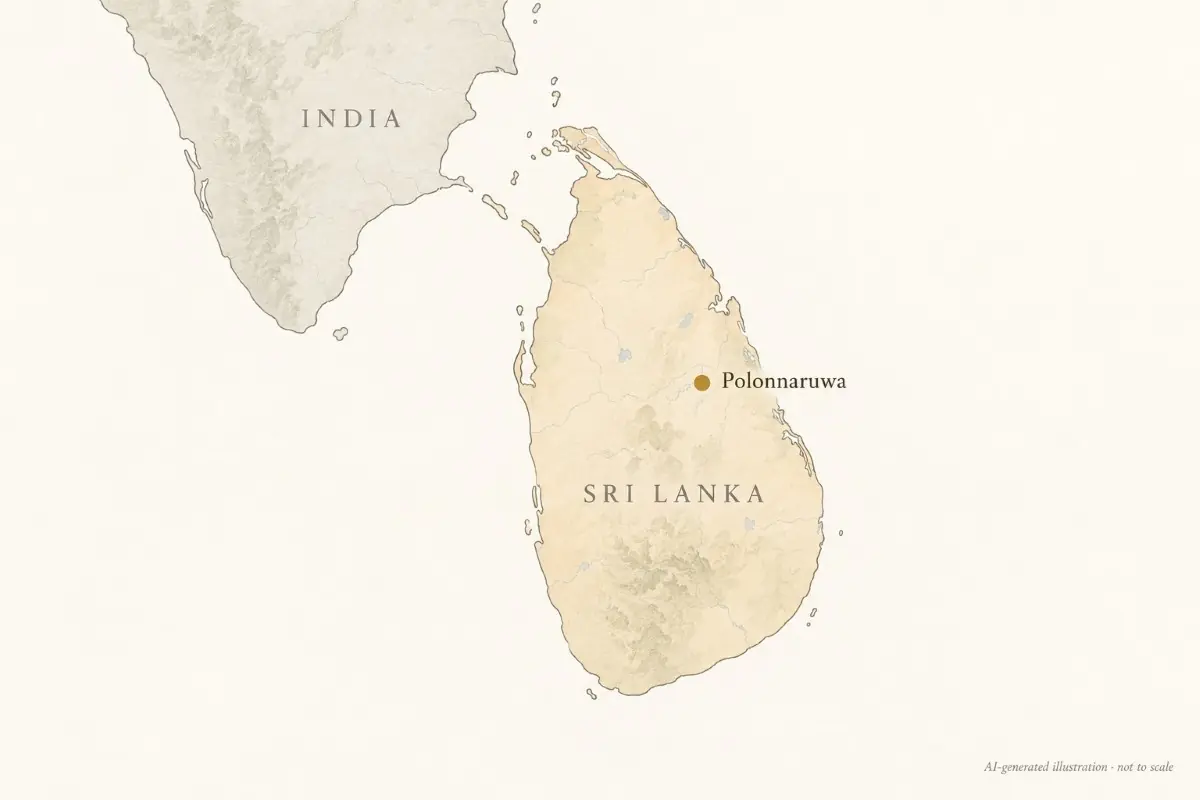
Polonnaruwa was the medieval capital of Sri Lanka and preserves one of the island’s most impressive archaeological landscapes. Royal palaces, Buddhist shrines, monumental stone images and vast reservoirs reveal a city shaped by kingship, religion and sophisticated hydraulic engineering.
One full day covers the essential archaeological zone, but two or three days allow time for museums, quieter ruins, cycling and the surrounding reservoirs. Staying overnight also makes it easier to explore early and late in the day, when the ruins are cooler and less crowded.
WHY VISIT
Why Visit Polonnaruwa?
Polonnaruwa combines royal history, Buddhist architecture and monumental sculpture in a remarkably coherent archaeological city. Its palaces, temples, reservoirs and stone images make it one of Sri Lanka’s strongest destinations for understanding the island’s medieval period.
01
Royal Palaces & Medieval Kingship
The royal citadel preserves audience halls, palace foundations and administrative buildings associated with the kings who ruled from Polonnaruwa. These ruins reveal the scale and organisation of a powerful medieval capital.
02
Buddhist Architecture & Sculpture
Polonnaruwa is famous for refined Buddhist monuments ranging from circular relic houses to monumental rock-cut Buddha images. Gal Vihara is the best-known example, but the city contains many other major shrines and monasteries.
03
Parakramabahu & Urban Ambition
King Parakramabahu I transformed Polonnaruwa into a major royal and religious centre in the twelfth century. His reign is closely associated with ambitious building projects, monasteries and vast irrigation works.
04
Reservoirs & Hydraulic Engineering
The Parakrama Samudra and surrounding irrigation system demonstrate the engineering scale that supported the medieval capital. Water management was central to agriculture, urban life and royal authority.
HISTORY
A Short History of Polonnaruwa
Polonnaruwa became increasingly important after the decline of Anuradhapura and emerged as the principal royal capital in the eleventh century. Its strategic position and existing irrigation landscape made it an ideal centre for rulers seeking to rebuild political authority.
The city flourished especially under Vijayabahu I and Parakramabahu I. Royal palaces, monasteries, shrines and reservoirs were expanded on a large scale, while Polonnaruwa became a centre of political consolidation and Buddhist reform.
By the late thirteenth century, political instability and invasions contributed to the decline of Polonnaruwa as a royal capital. The archaeological city was later recognised as one of Sri Lanka’s great historic landscapes and was inscribed on the UNESCO World Heritage List in 1982.
KEY HISTORICAL MOMENT
12th century
During the twelfth century, King Parakramabahu I reshaped Polonnaruwa through large-scale palace, monastic and irrigation projects. His reign represents the high point of the city’s political power and architectural ambition.
TOP SIGHTS
Top Sights in Polonnaruwa
These eight sights connect Polonnaruwa’s royal power, Buddhist devotion and urban planning. The royal citadel and Gal Vihara are essential, but the city becomes far more rewarding when you add the Sacred Quadrangle, monasteries and reservoir landscape.
1
Royal Palace of Parakramabahu I
Royal Palaces & Medieval Kingship is Polonnaruwa’s defining historic site. A long staircase leads to a series of rock-cut sanctuaries filled with Buddha images, royal figures, shrines and painted ceilings.
2
Audience Hall
The Audience Hall is one of the most impressive secular monuments in the royal citadel. Carved stone lions, elephants and pillars reveal the ceremonial character of royal administration.
3
Sacred Quadrangle
Maharaja Viharaya, the Sacred Quadrangle, is the largest and most elaborate sanctuary. Rows of Buddha statues, painted surfaces and royal images create one of the most impressive interiors at Polonnaruwa.
4
Polonnaruwa Vatadage
The Vatadage is a circular relic house with carved guardstones, moonstones and Buddha images arranged around a central platform. Its balanced design makes it one of the finest monuments in Polonnaruwa.
5
Gal Vihara
The Gal Vihara was once polished to a reflective finish and later became covered with historic graffiti. Many inscriptions were written by visitors centuries ago and provide rare evidence of how Polonnaruwa was experienced long after the royal period.
6
Rankot Vihara
Rankot Vihara is one of the largest stupas in Polonnaruwa and a major landmark of the northern monastic zone. Its scale reflects the continuing importance of monumental Buddhist architecture in the medieval capital.
7
Lankatilaka Image House
Lankatilaka preserves soaring brick walls and a monumental standing Buddha within a large image house. The ruin remains one of the most dramatic religious structures in Polonnaruwa.
8
Parakrama Samudra
Parakrama Samudra is a restored dry-zone woodland near Polonnaruwa. Although not an ancient monument, it provides useful environmental context for the landscape surrounding the Cultural Triangle and works well as a quieter counterpoint to temple visits.
THINGS TO DO
Things to Do in Polonnaruwa
Polonnaruwa works best when the ruins are explored as parts of a complete medieval city. Combine the royal citadel, Sacred Quadrangle, monasteries and reservoir landscape rather than rushing between isolated monuments.
Explore the Ancient City with Context
Explore the archaeological zone with a history-focused guide to connect royal administration, Buddhist reform, irrigation and urban planning. The best tours explain how Polonnaruwa functioned as a complete medieval capital.
EXPLORE POLONNARUWA HISTORY TOURS →
Cycle Between the Major Monuments
Polonnaruwa is well suited to cycling because many major sights are spread along a relatively flat archaeological route. A bicycle makes it easier to appreciate the scale and spacing of the ancient city.
BROWSE POLONNARUWA CULTURAL TOURS →
Study the Buddhist Sculpture
Visit the Lankatilaka Image House to add prehistoric and early historic archaeology to your Polonnaruwa itinerary. The burial site gives a very different perspective on the region before the great Buddhist kingdoms.
DISCOVER POLONNARUWA ARCHAEOLOGY →
Explore the Reservoir Landscape
Walk or cycle near Parakrama Samudra to understand how water management shaped the capital. The reservoir landscape provides an essential counterpoint to the palaces and temples.
EXPLORE POLONNARUWA TOURS →
SUGGESTED ITINERARY
3 Days in Polonnaruwa
Three days allow you to experience Polonnaruwa beyond a quick circuit of the ruins. Use the first day for the royal citadel and Sacred Quadrangle, the second for the northern monasteries and Gal Vihara, and the third for museums, reservoirs or a nearby Cultural Triangle excursion.
DAY 1
Royal Citadel & Sacred Quadrangle
MORNING
Begin at the Royal Palace complex and Audience Hall early, before the heat builds. Continue to the Sacred Quadrangle and spend time with the Vatadage, Hatadage and surrounding monuments.
AFTERNOON
After the climb, spend time in the Parakrama Samudra and revisit the lower gardens at a slower pace. The museum helps place the palace, frescoes and hydraulic system in context.
EVENING
Spend the evening near Parakrama Samudra or in the modern town. The reservoir edge is especially atmospheric in the softer light at the end of the day.
DAY 2
Gal Vihara, Rankot Vihara & Northern Monasteries
MORNING
Start at the Lankatilaka Image House to explore a much earlier layer of regional archaeology. The site is compact and works well before the strongest midday heat.
AFTERNOON
Spend the afternoon around Polonnaruwa’s local market area or visit Parakrama Samudra for a quieter look at the dry-zone environment surrounding the Cultural Triangle.
EVENING
Spend the evening resting or return to the reservoir landscape. A quieter second evening works well after a full day among the northern ruins.
DAY 3
Museums, Reservoirs & Wider Polonnaruwa
MORNING
Use the morning for the Polonnaruwa Archaeological Museum and any royal or religious monuments you missed on the first two days.
AFTERNOON
In the afternoon, cycle or drive along the reservoir landscape, or continue to a nearby Cultural Triangle destination such as Habarana & Cultural Triangle Resorts or Polonnaruwa if your itinerary allows.
EVENING
Return to central Polonnaruwa for a final evening meal. If you stayed locally all day, use the cooler evening for one last look at Parakrama Samudra or the archaeological zone.
WHERE TO STAY
Where to Stay in Polonnaruwa
Polonnaruwa offers guesthouses, small hotels and resorts in the modern town and surrounding countryside. Stay near the archaeological zone for convenience, in New Town for restaurants and transport, or near the reservoirs for a quieter setting.
01
Near the Archaeological Zone
Stay close to the archaeological zone for the easiest access to the royal citadel, Sacred Quadrangle and major monuments. This is the best choice for an early start and a history-focused visit.
FIND HOTELS NEAR ANCIENT POLONNARUWA →
02
Polonnaruwa New Town
Polonnaruwa New Town is practical for restaurants, buses and onward transport. It works well for travellers using the town as a base for several Cultural Triangle destinations.
BROWSE STAYS IN POLONNARUWA NEW TOWN →
03
Near Parakrama Samudra
Near Parakrama Samudra is a useful transport base for Polonnaruwa, Polonnaruwa and nearby national parks. It has a broader range of resorts and works well for travellers covering several Cultural Triangle destinations.
FIND STAYS NEAR PARAKRAMA SAMUDRA →
04
Habarana & Cultural Triangle Resorts
Habarana and the wider Cultural Triangle offer larger resorts and easier access to Sigiriya, Polonnaruwa and national parks. This works well for travellers using one base for several historic destinations.
EXPLORE CULTURAL TRIANGLE STAYS →
GETTING AROUND
Getting Around Polonnaruwa
Polonnaruwa’s archaeological zone is spread over several kilometres, so bicycles, tuk-tuks and cars are often more practical than walking between every monument. Individual palace and temple complexes are best explored on foot.
On Foot
Individual monuments and precincts are explored on foot, but distances between major groups of ruins can be significant. Comfortable shoes, water and sun protection are essential.
By Bus
Local buses connect Polonnaruwa with nearby towns and regional destinations, but they are less convenient for moving between individual archaeological monuments than bicycles or tuk-tuks.
By Train
Polonnaruwa has no railway station. Near Parakrama Samudra is the nearest useful rail stop, while Polonnaruwa is the more important regional bus hub; from either place, continue by tuk-tuk, taxi or private transfer.
From Colombo & Bandaranaike International Airport
From Colombo, Polonnaruwa is usually reached by road via Polonnaruwa or Near Parakrama Samudra. Travellers arriving at Bandaranaike International Airport can continue by private transfer, bus connections or a combination of rail and road.
By Bicycle, Tuk-Tuk & Car
Tuk-tuks are ideal for short journeys around town and to nearby sights, while a car or driver is useful for combining Polonnaruwa with Habarana & Cultural Triangle Resorts, Polonnaruwa or Kandy. Buses are practical for many regional routes.
BEST TIME TO VISIT
Best Time to Visit Polonnaruwa
Polonnaruwa is hot for much of the year, and the archaeological zone offers limited shade in many places. December to February usually brings the most comfortable conditions, while the hotter months require early starts and longer midday breaks.
December–February
DRIER SEASON
December to February usually offers comfortable conditions for cycling and walking between the ruins. Mornings are cooler, while afternoons remain warm and sunny.
March–May
HOT & DRY
March to May is often very hot, making early starts essential. Carry plenty of water and use the museum or shaded monuments during the strongest afternoon heat.
June–November
VARIABLE & WETTER LATE SEASON
June to September can work well for travel, while October and November are often wetter. Conditions vary, so plan longer outdoor sections for mornings and late afternoons.
BEST OVERALL TIME
December–February
December to February usually offers the best balance of lower rainfall, cooler mornings and comfortable conditions for exploring Polonnaruwa’s archaeological zone.
Next Destinations
Sigiriya
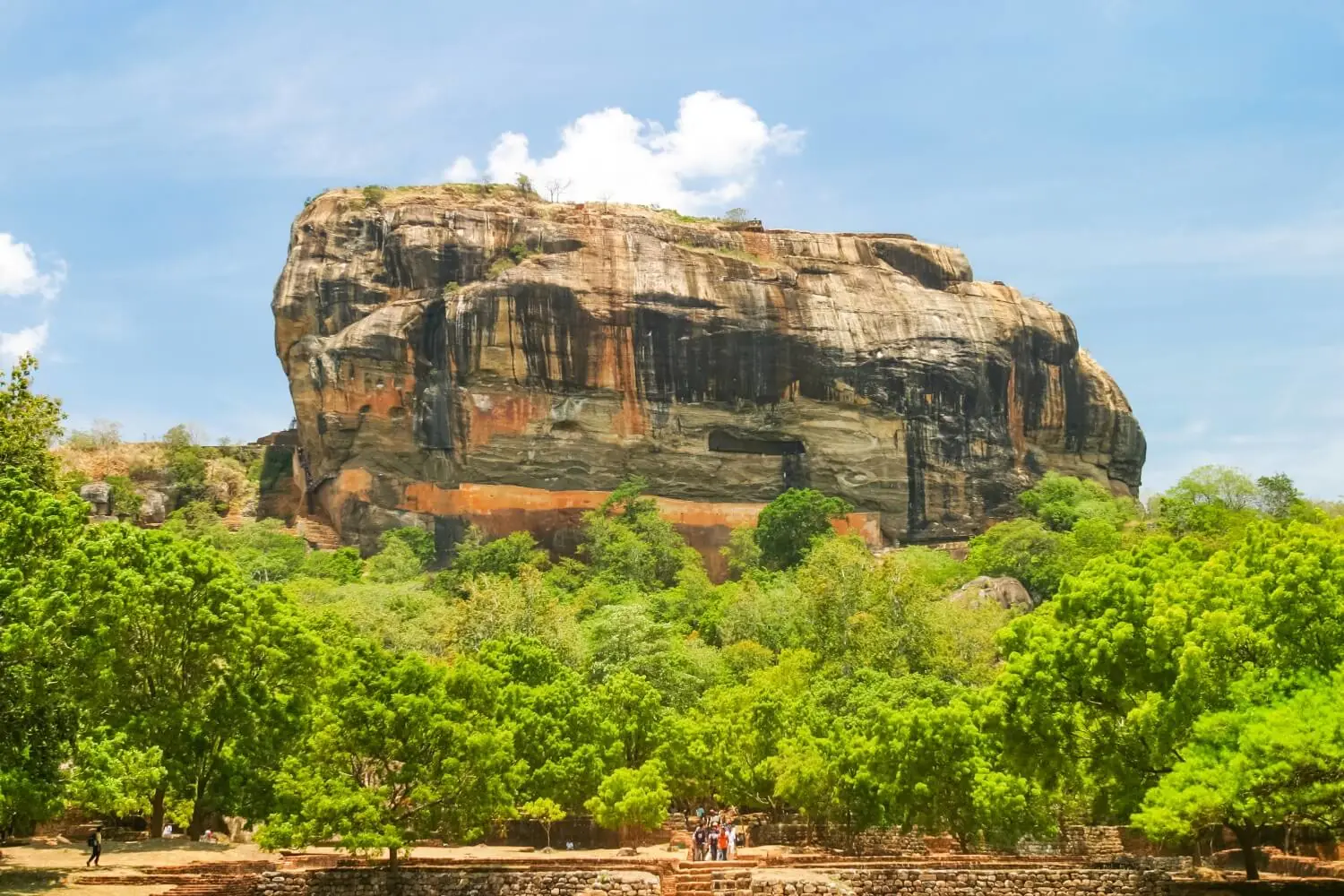
Travel west to Sigiriya for its fifth-century rock fortress, royal palace ruins, frescoes and water gardens.
Dambulla
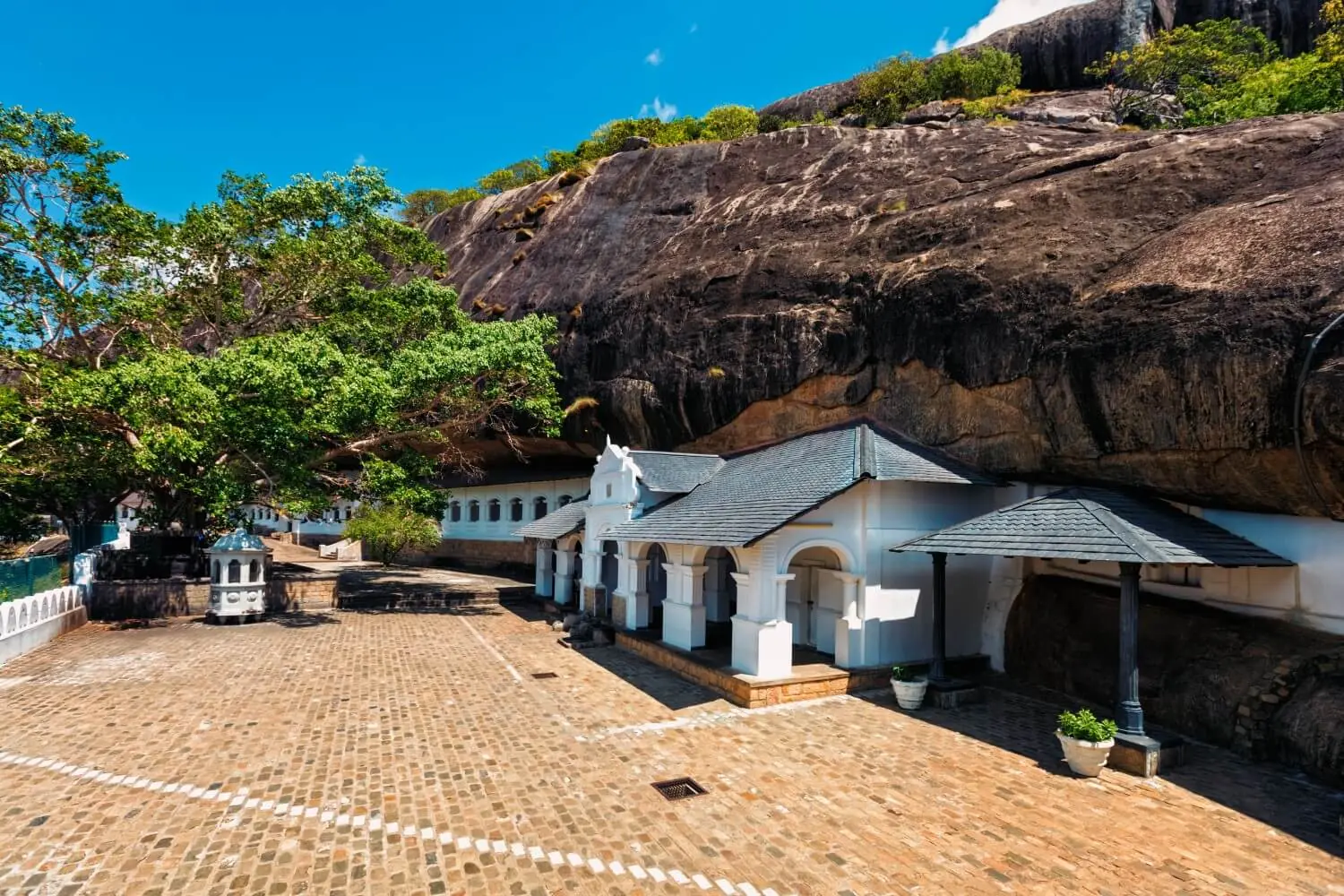
Travel west to Dambulla for its UNESCO-listed cave temples, Buddhist murals and sacred rock complex.
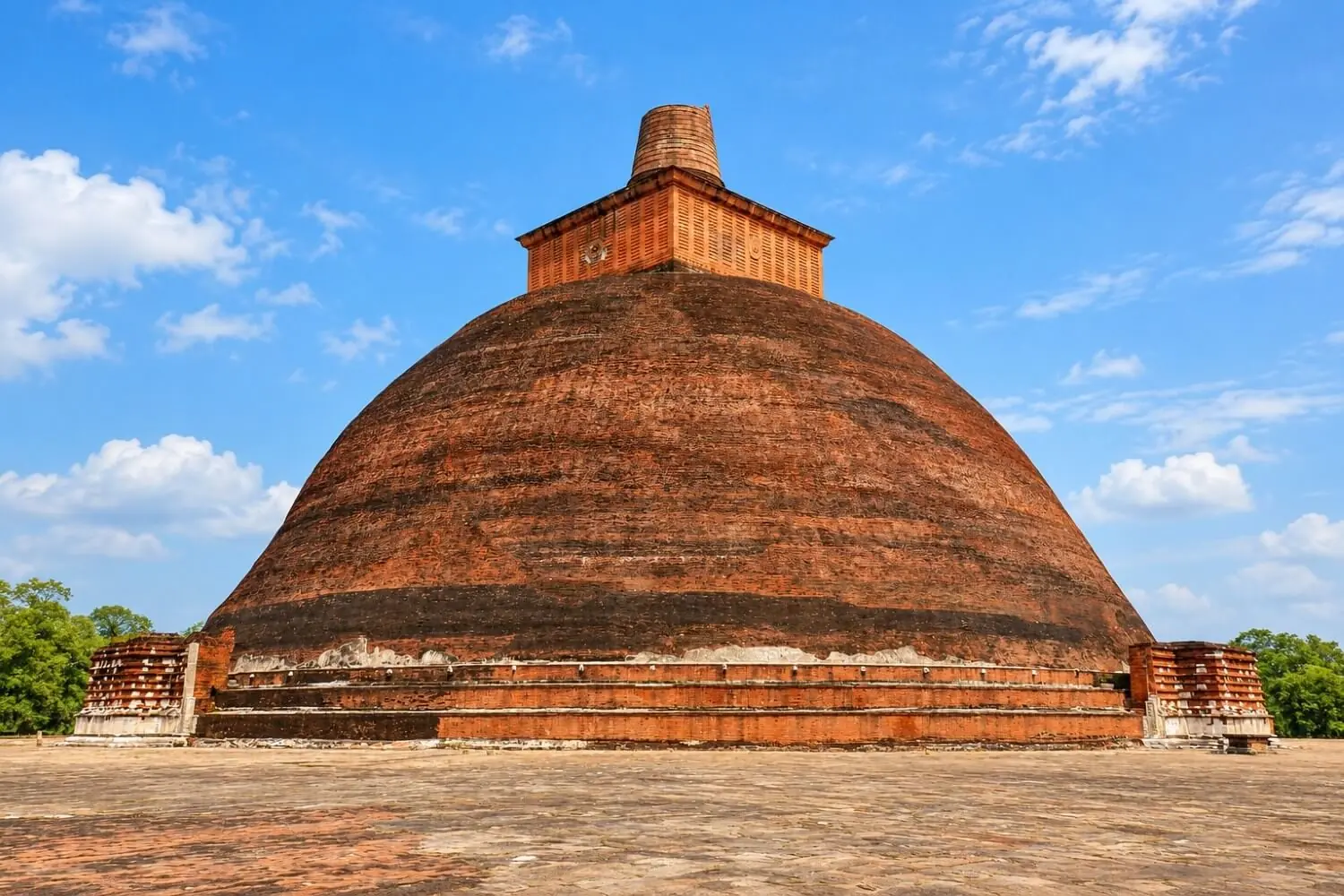
Anuradhapura
Travel north-west to Anuradhapura for ancient stupas, monastic ruins and one of Sri Lanka’s most important sacred cities.
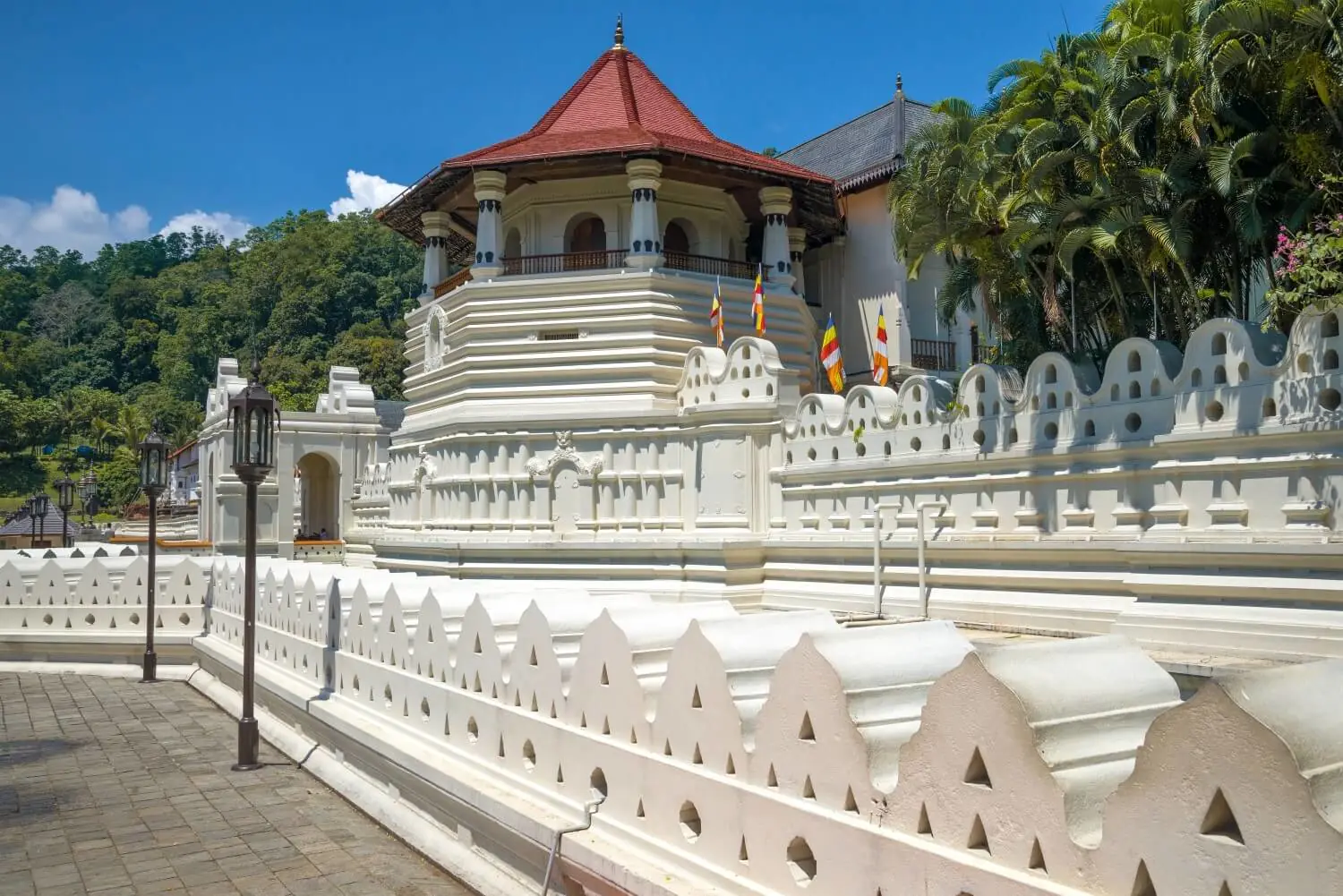
Kandy
Travel south-west to Kandy for the Temple of the Sacred Tooth Relic, Kandyan royal history and the cultural traditions of Sri Lanka’s central highlands.