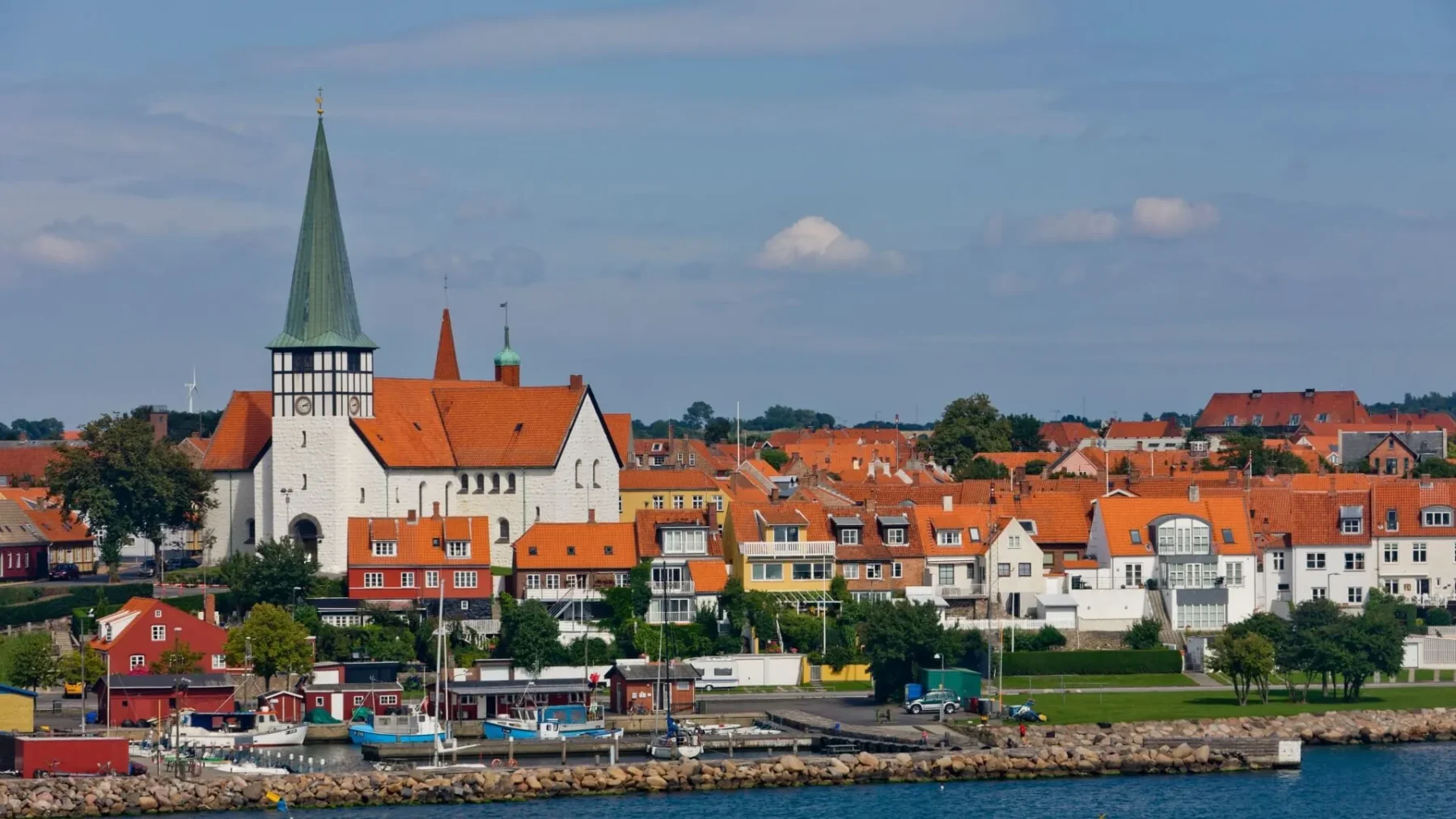
Bornholm
Where medieval fortresses, Baltic coastlines and island culture meet
Discover Bornholm’s medieval ruins, four distinctive round churches, historic harbour towns and dramatic Baltic landscapes on an island shaped by centuries of trade, conflict, craftsmanship and life by the sea.
INTRODUCTION
Introduction
Bornholm lies in the Baltic Sea, far east of most of Denmark and closer to the coasts of Sweden, Poland and Germany than many Danish travellers might expect. Its strategic position shaped centuries of settlement, trade and conflict, leaving behind prehistoric sites, medieval fortifications, four distinctive round churches and harbour towns built around fishing and seaborne commerce.
Visitors come for Hammershus, the granite cliffs of the north, the sandy beaches of the south, traditional fishing villages and a strong culture of ceramics, glassmaking and local food. Together with historic towns such as Rønne, Gudhjem and Svaneke, these contrasts give Bornholm a character unlike anywhere else in Denmark.
WHY VISIT
Why visit Bornholm?
Medieval History
From the vast ruins of Hammershus to ancient fortifications hidden in Almindingen, Bornholm preserves unusually visible traces of medieval power struggles between the Danish Crown, the church and competing Baltic interests.
Round Churches & Sacred Heritage
Four of Denmark’s seven medieval round churches stand on Bornholm. Built with unusually massive circular naves, they combine religious architecture with the defensive character associated with an island exposed to Baltic conflict.
Dramatic Island Landscapes
Granite cliffs dominate the north, while broad sandy beaches shape the south. Rift valleys, forests and coastal rock formations give a relatively small island an unusually varied landscape that is easy to combine with historic sightseeing.
Crafts, Harbours & Local Culture
Fishing traditions, smokehouses, ceramics, glassmaking and artists’ studios remain an important part of island identity. Historic harbour towns such as Gudhjem and Svaneke make it easy to experience cultural heritage alongside everyday island life.
HISTORY
A short history of Bornholm
Human settlement on Bornholm reaches deep into prehistory, as burial monuments, rock carvings and archaeological finds across the island demonstrate. Its position in the Baltic gave the island strategic and commercial importance long before Denmark became a unified medieval kingdom, while fortified sites such as Gamleborg later helped control the interior.
During the Middle Ages, political authority was divided between the Danish Crown and the archbishops of Lund. Hammershus developed into the island’s dominant fortress, while smaller castles and fortified churches reflected continuing struggles for power. Bornholm was later pledged to Lübeck from 1525 to 1576 and briefly ceded to Sweden under the Treaty of Roskilde in 1658 before an island uprising ended Swedish rule.
Modern history brought another unusual chapter in May 1945. Soviet aircraft bombed Rønne and Nexø after German forces on the island refused to surrender to the Soviets, followed by a Soviet military presence that lasted until April 1946. Today, Bornholm’s layered past remains visible in castle ruins, churches, old harbour streets, museums and reconstructed post-war neighbourhoods.
KEY HISTORICAL MOMENT
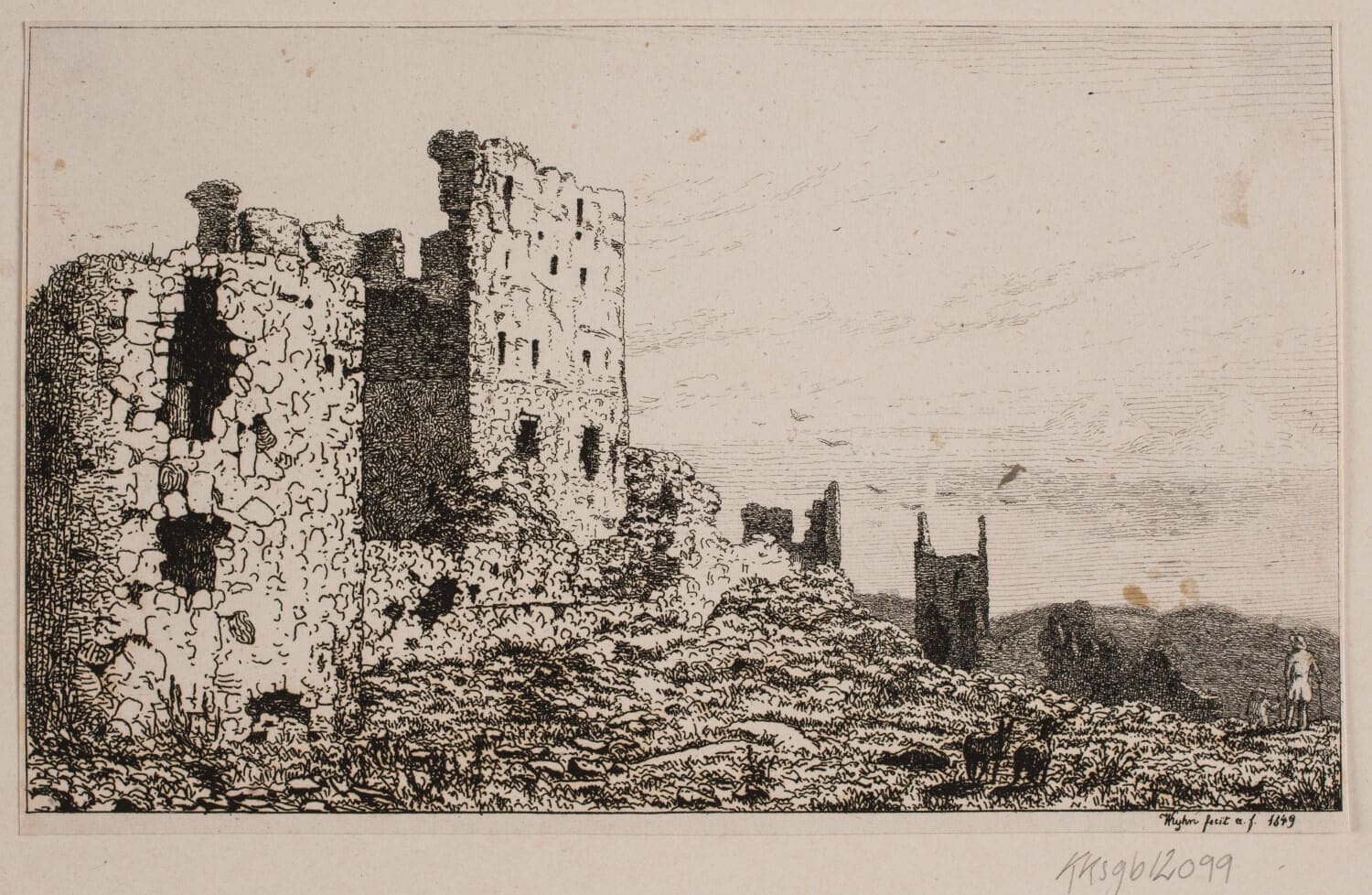
1658
The Treaty of Roskilde transferred Bornholm to Sweden in 1658, but Swedish rule lasted only months. Local rebels rose against the occupation in December, the Swedish commander Johan Printzensköld was killed in Rønne, and the island soon returned to allegiance to the Danish Crown.
TOP SIGHTS
Top sights in Bornholm
1
Hammershus
Northern Europe’s largest castle ruin dominates Bornholm’s north-west coast, with medieval walls, towers and dramatic Baltic views revealing the island’s strategic importance.
2
Østerlars Round Church
The largest and best known of Bornholm’s four medieval round churches, combining a massive circular structure with centuries of religious and defensive history.
3
Rønne Old Town & Bornholm Museum
Explore cobbled streets, historic townhouses and museums in Bornholm’s principal town, including collections covering archaeology, maritime life, wartime history and local culture.
4
Gudhjem
A steep historic harbour town known for smokehouse chimneys, narrow streets and artistic traditions, including the former home and museum of Bornholm painter Oluf Høst.
5
Svaneke
One of Bornholm’s most atmospheric coastal towns, with historic houses, a working harbour, craft workshops and a compact centre that preserves much of its traditional character.
6
Gamleborg & Lilleborg
Two medieval fortifications hidden in Almindingen forest. Gamleborg represents an early royal stronghold, while nearby Lilleborg reflects later conflicts between Crown and church.
7
Helligdomsklipperne & Bornholm Art Museum
Dramatic coastal rock formations meet an important collection of Bornholm-related art, creating one of the island’s strongest combinations of landscape and cultural history.
8
Dueodde
Bornholm’s famous southern beach contrasts sharply with the rocky north, combining broad white sands, dunes and the landmark Dueodde Lighthouse overlooking the Baltic coast.
THINGS TO DO
Things to Do on Bornholm
Bornholm is best explored through experiences that combine medieval heritage, coastal scenery and local culture, whether travelling between castle ruins, cycling historic routes or discovering the traditions of its harbour towns.
Explore Hammershus & North Bornholm
Spend time around Bornholm’s dramatic north coast, combining the Hammershus castle ruins with rocky landscapes, old harbour communities and viewpoints that reveal why this corner of the island was so strategically important.
Cycle Across the Island
Follow Bornholm’s extensive cycling network through forests, farmland and coastal settlements. Former railway routes and quiet country roads make cycling particularly useful for linking villages, churches and cultural sites.
Discover Gudhjem & the Coastal Villages
Explore steep Gudhjem, traditional smokehouses and neighbouring fishing communities while learning about the island’s maritime culture, artists and long relationship with the Baltic Sea.
Experience Bornholm’s Coast & Nature
Walk coastal paths, visit granite cliffs and rift valleys or explore the shoreline from the water. Bornholm’s compact size makes it possible to combine outdoor scenery with historic sites on the same day.
Suggested Itenary
3 Days on Bornholm
Three days give enough time to combine Bornholm’s strongest historical sites with its harbour towns and contrasting landscapes, without turning the trip into a rushed circuit of the island.
DAY 1
Rønne, Round Churches & Medieval Bornholm
MORNING
Start in Rønne with a walk through the old streets and visit Bornholm Museum to understand the island’s archaeology, maritime history and unusual twentieth-century story.
AFTERNOON
Drive or take the bus toward Østerlars Round Church, then continue into Almindingen to explore Gamleborg and, if time allows, the smaller ruins of Lilleborg.
EVENING
Return to Rønne for dinner and a relaxed walk around the harbour and historic centre.
DAY 2
Hammershus & the Rocky North Coast
MORNING
Head north to Hammershus and allow plenty of time for the castle ruins, visitor centre and surrounding viewpoints over the Baltic Sea.
AFTERNOON
Continue through Allinge and Sandvig, then follow the coast towards Helligdomsklipperne. Visit Bornholm Art Museum if you want to combine scenery with the island’s artistic traditions.
EVENING
Finish in Gudhjem, where steep streets, the harbour and old smokehouses create one of Bornholm’s most distinctive evening settings.
DAY 3
Svaneke, South Coast & Dueodde
MORNING
Begin in Svaneke and explore its historic centre, harbour and local craft shops before following the east coast south.
AFTERNOON
Continue through Nexø towards Dueodde. Walk through the dunes, spend time on the beach and climb the lighthouse when access and opening times permit.
EVENING
Return towards Rønne via the southern countryside, stopping for dinner in Nexø, Snogebæk or another coastal village along the route.
WHERE TO STAY
Where to Stay on Bornholm
Accommodation is spread across the island rather than concentrated in one centre. Choosing the right town depends on whether you value transport connections, historic atmosphere, northern landscapes or a quieter east-coast setting.
Rønne
The most practical base for first-time visitors, with the main ferry terminal, good bus connections and easy access to museums, shops and the island’s largest concentration of everyday services.
Gudhjem
Ideal for travellers seeking historic harbour atmosphere, steep streets, smokehouse traditions and easy access to the north-east coast, Helligdomsklipperne and Bornholm Art Museum.
Svaneke
Best for a quieter stay surrounded by historic architecture, small-scale crafts and the east-coast harbour atmosphere. It also offers convenient access to Nexø and southern Bornholm.
GETTING AROUND
Getting Around Bornholm
Bornholm is compact, but its sights are spread across the island rather than concentrated around one town. Regional buses connect the main settlements, while cycling and driving provide more flexibility for castle ruins, beaches and rural heritage sites away from the principal routes.
By Regional Bus
BAT operates regional services from Rønne to towns around the island, with timetables coordinated with major ferry arrivals and departures. Buses are useful for travellers who prefer not to drive, although rural sightseeing requires more planning.
By Bicycle
Bornholm has more than 200 kilometres of signposted cycle routes, including quiet roads and sections following former railway alignments. Cycling works particularly well between smaller towns and coastal attractions during the warmer months.
By Car
A car is the most flexible option for a short visit, especially when combining Hammershus, round churches, forest ruins and Dueodde. Distances are modest, and the island is roughly 40 kilometres across at its widest point.
On Foot
Walking is excellent within Rønne, Gudhjem, Svaneke, Allinge and Sandvig, while marked coastal and forest paths connect many natural attractions. For island-wide sightseeing, however, walking works best alongside buses, bicycles or a car.
BEST TIME TO VISIT
Best Time to Visit Bornholm
Bornholm can be visited throughout the year, but the island is strongly seasonal. Late spring and summer provide the widest range of outdoor activities and visitor services, while the colder months are quieter and better suited to slow travel.
Spring
APRIL TO MAY
Days become longer, nature returns to the forests and coastal paths, and the island remains noticeably quieter than in midsummer. May is particularly attractive for cycling, walking and heritage sightseeing, although some seasonal businesses may still operate reduced hours.
Summer
JUNE TO AUGUST
The liveliest season brings long daylight hours, the broadest choice of accommodation, open attractions and ideal conditions for beaches, cycling and harbour towns. July and early August are busiest, so accommodation and ferry crossings are best reserved well ahead.
Autumn & Winter
SEPTEMBER TO MARCH
Early autumn can still be rewarding for walking, food and craft experiences before visitor numbers drop sharply. Winter is much quieter, with short days, wind and reduced seasonal opening hours, but museums, historic towns and the island’s stark Baltic scenery offer a different atmosphere.
BEST OVERALL TIME
May to September
For most travellers, late May through September offers the best balance of daylight, comfortable outdoor conditions and seasonal services. June and September are especially appealing for visitors who want good conditions without the peak summer crowds.
Next Destinations
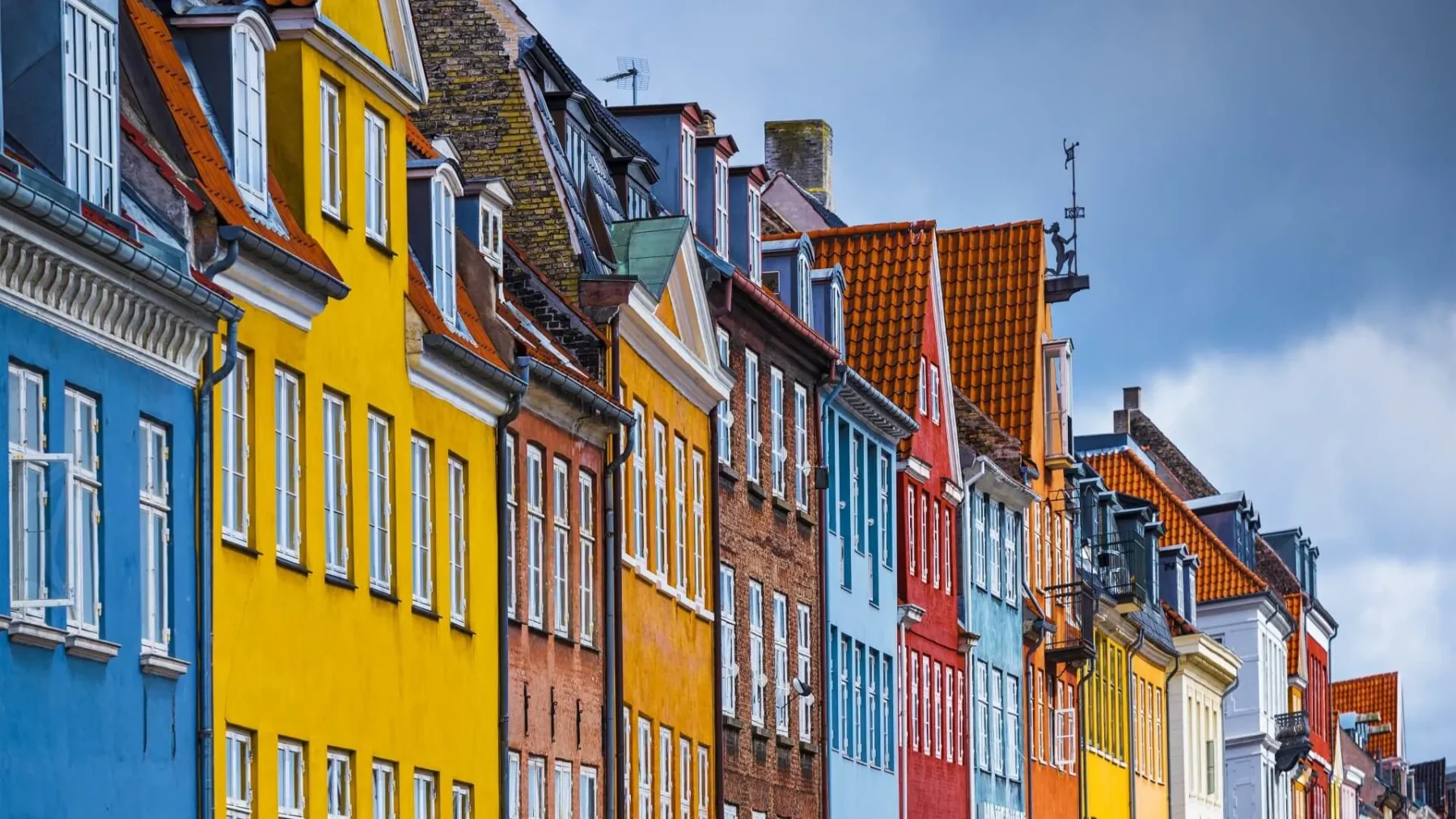
Copenhagen
Discover Denmark’s capital through royal palaces, historic canals, merchant districts and museums spanning centuries of Danish political and maritime history.
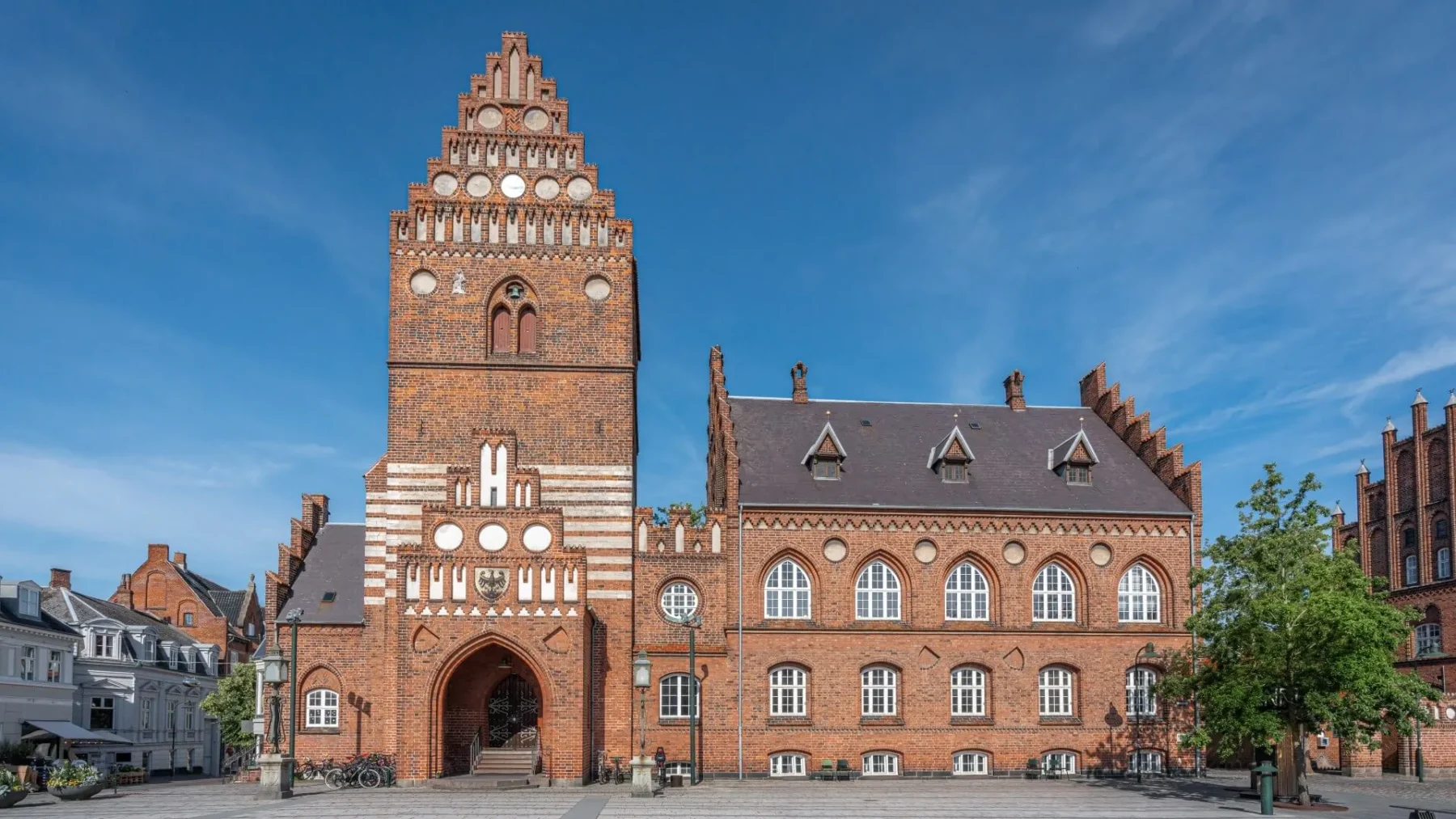
Roskilde
Explore a former royal centre known for its UNESCO-listed cathedral, Viking ship heritage and deep connections to medieval Danish monarchy.
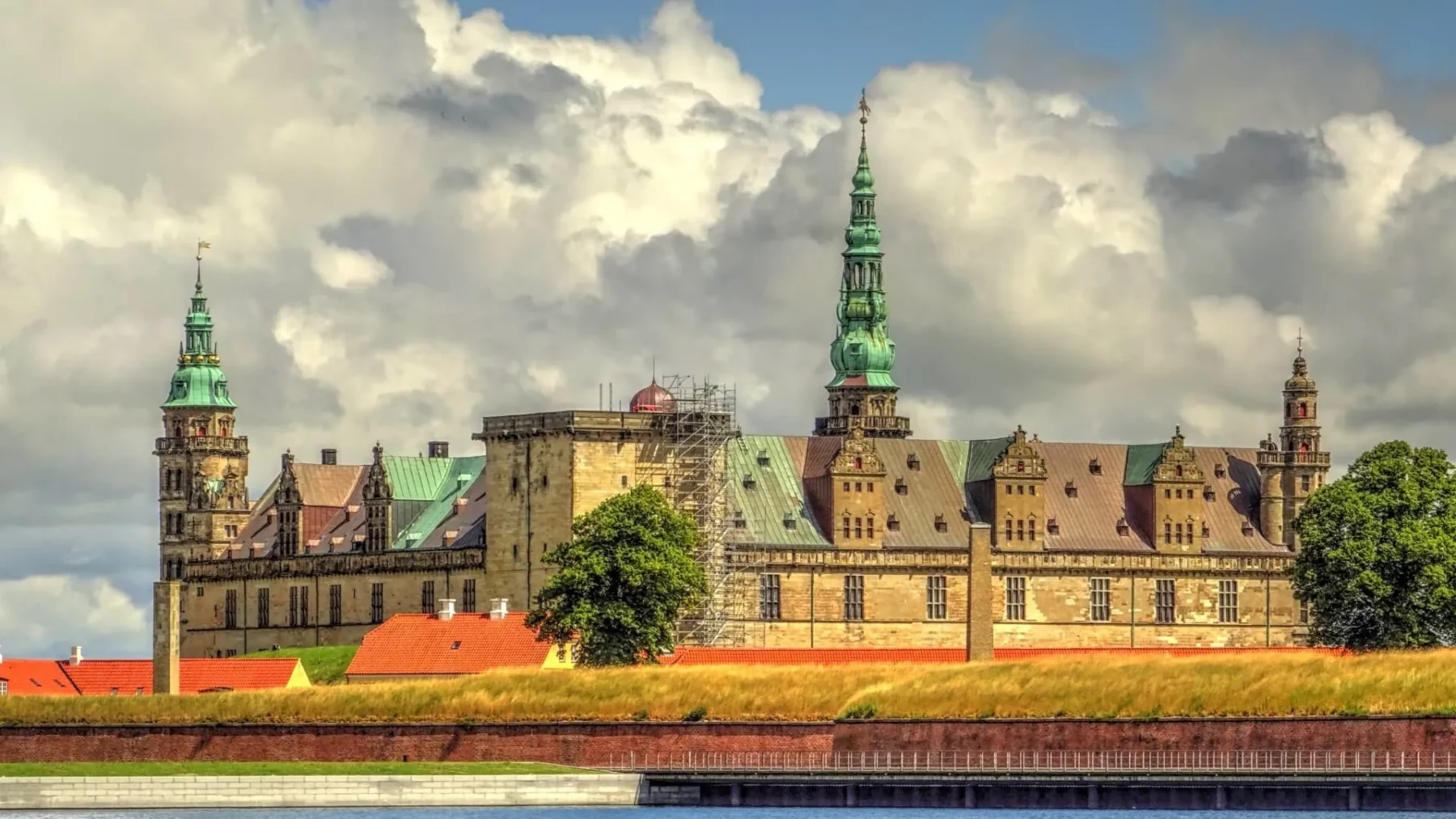
Helsingør
Visit the historic Øresund port dominated by Kronborg Castle, where Renaissance architecture, maritime trade and Danish-Swedish history meet.
EXPLORE HELSINGØR →