Denmark
Copenhagen
Where royal history, canals and Nordic city life meet
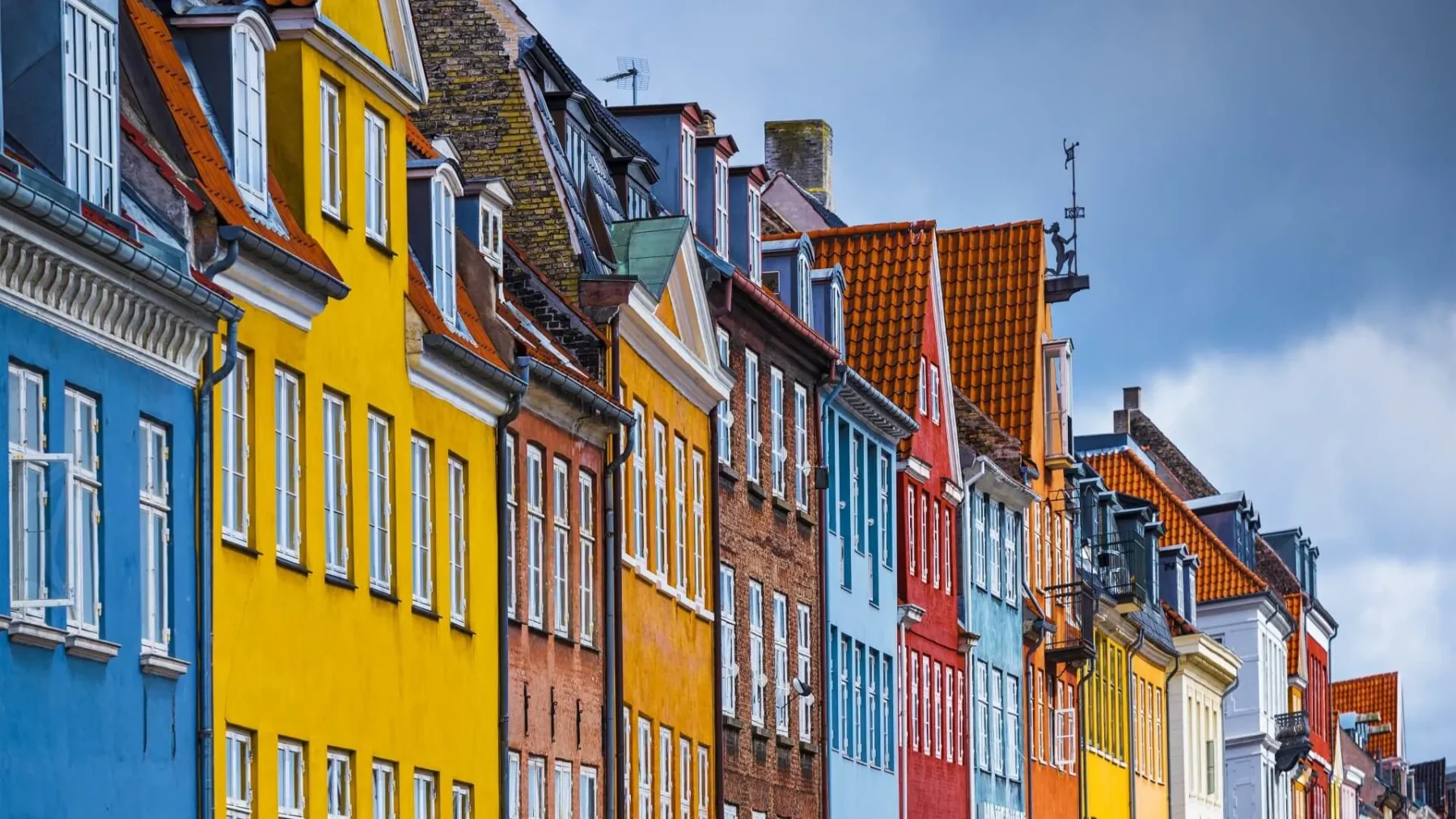
Discover Copenhagen’s palaces, historic waterfronts, colourful harbour streets and centuries of Danish history in one of Scandinavia’s most atmospheric capitals.
INTRODUCTION
Introduction
Copenhagen is one of Scandinavia’s most historically rich capitals, shaped by centuries of royal power, maritime trade and urban growth. Its compact historic centre brings together palaces, churches, old merchant streets and waterfront districts, while canals and colourful harbour façades give the city much of its distinctive character.
Many visitors come for Nyhavn, the royal palaces and Copenhagen’s famous design culture, but the city offers much more. Rosenborg Castle, Christiansborg Palace, historic churches, museums, old fortifications and neighbourhoods such as Christianshavn make Copenhagen a destination where Danish history and modern city life fit naturally together.
WHY VISIT
Why visit Copenhagen?
Royal & Political History
Explore centuries of Danish monarchy and government through royal palaces, castles, historic squares and institutions in the heart of the city.
Canals & Historic Waterfronts
Walk along Nyhavn and Copenhagen’s old harbour districts, shaped by maritime trade, merchants and the city’s long relationship with the sea.
Architecture & Design
Discover a city where historic churches, colourful townhouses and grand civic buildings sit alongside some of Scandinavia’s best-known modern design.
Compact & Easy to Explore
Copenhagen’s historic centre is relatively compact, making it easy to combine palaces, museums, churches, canals and neighbourhoods on foot or by bicycle.
HISTORY
A short history of Copenhagen
Copenhagen began as a small fishing and trading settlement on the Øresund, the important waterway between Denmark and southern Sweden. Its position between the Baltic and North Seas gradually made it an increasingly valuable centre for commerce and shipping.
The city’s importance grew from the twelfth century, when Bishop Absalon established a fortified stronghold on the site of present-day Copenhagen. Over the following centuries, Copenhagen developed into the principal residence of the Danish monarchy and eventually became the political and economic centre of the kingdom.
Copenhagen’s history was shaped by fires, wars, epidemics and ambitious rebuilding projects. Royal palaces, merchant districts, fortifications and churches transformed the city, while nineteenth- and twentieth-century expansion created the Copenhagen seen today. Historic areas such as Slotsholmen, Nyhavn and Christianshavn still preserve important layers of this past.
KEY HISTORICAL MOMENT
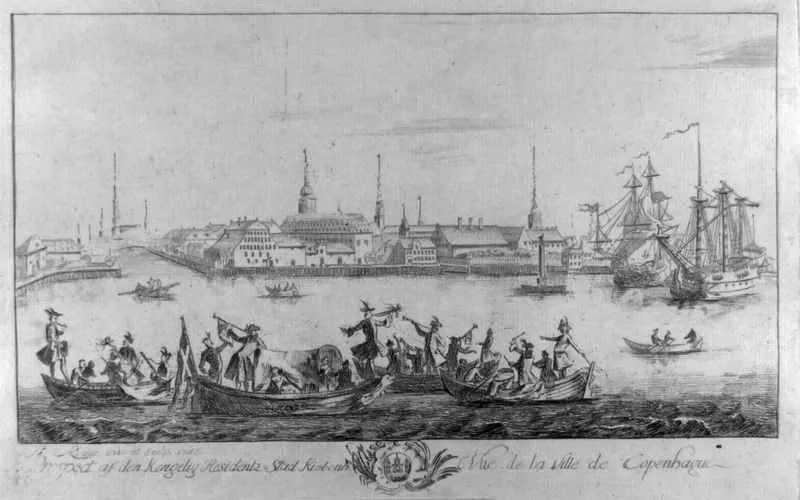
1167
Bishop Absalon traditionally established a fortified castle at Copenhagen, helping transform the small harbour settlement into an important political and trading centre.
TOP SIGHTS
Top sights in Copenhagen
1
Rosenborg Castle
A seventeenth-century royal castle known for its Renaissance architecture, royal interiors and the Danish Crown Jewels.
2
Christiansborg Palace
The political heart of Denmark, home to the Danish Parliament and important royal reception rooms.
3
Nyhavn
Copenhagen’s colourful historic harbour, lined with old townhouses, restaurants and former merchant buildings.
4
Amalienborg Palace
The official residence of the Danish royal family, arranged around one of the city’s most elegant squares.
5
The Round Tower
A seventeenth-century observatory with a distinctive spiral ramp and panoramic views over the old city.
6
Frederik’s Church
Also known as the Marble Church, this landmark is famous for its large dome and prominent location near Amalienborg.
7
Kastellet
One of Europe’s best-preserved star fortresses, with historic ramparts, military buildings and walking paths.
8
Christianshavn
A historic canal district known for colourful houses, waterside streets and strong links to Copenhagen’s maritime past.
THINGS TO DO
Things to Do in Copenhagen
Discover experiences that bring Copenhagen’s royal history, canals and historic neighbourhoods to life — from palace visits and canal cruises to walking tours through the old city.
Explore Copenhagen’s Royal Palaces
Visit Rosenborg Castle, Amalienborg and Christiansborg to discover centuries of Danish monarchy, royal collections and political history.
Cruise Copenhagen’s Canals
See Nyhavn, Christianshavn and the historic waterfront from the water while learning more about Copenhagen’s maritime past.
Walk Through Historic Copenhagen
Join a guided walk through the old city and explore historic squares, churches, merchant streets and landmarks connected with Copenhagen’s past.
Explore Copenhagen by Bike
Discover Copenhagen like a local on a bicycle tour through historic districts, waterfront areas and some of the city’s best-known neighbourhoods.
Suggested Itenary
3 Days in Copenhagen
A suggested itinerary for visitors who want to combine Copenhagen’s royal history, historic neighbourhoods, waterfront atmosphere and cultural highlights at a relaxed pace.
DAY 1
Royal Copenhagen & Historic Centre
MORNING
Start at Rosenborg Castle and explore the surrounding King’s Garden before walking through Copenhagen’s historic centre.
AFTERNOON
Continue to Christiansborg Palace and explore Slotsholmen, historic squares and nearby churches.
EVENING
End the day around Nyhavn with a waterfront walk and dinner in the old harbour district.
DAY 2
Canals, Palaces & Christianshavn
MORNING
Visit Amalienborg Palace and Frederik’s Church before walking toward the waterfront.
AFTERNOON
Take a canal cruise through Copenhagen and continue to Christianshavn to explore its colourful streets and canals.
EVENING
Return to the city centre for dinner or enjoy a relaxed evening around Nyhavn or the harbour.
DAY 3
Fortifications, Views & Local Copenhagen
MORNING
Walk through Kastellet and continue to nearby historic landmarks before heading toward the old city.
AFTERNOON
Visit the Round Tower, explore historic shopping streets and spend time in one of Copenhagen’s museums or cultural sites.
EVENING
Finish your stay with dinner in the historic centre or enjoy a final evening walk along the canals.
WHERE TO STAY
Where to Stay in Copenhagen
Choose the part of Copenhagen that suits your trip best — from the historic city centre and colourful canal districts to lively neighbourhoods and quieter waterfront areas.
Indre By
Best for first-time visitors who want to stay close to Copenhagen’s main historic sights, royal palaces, museums and shopping streets.
Nyhavn & Kongens Nytorv
Ideal for travellers who want a central stay near the harbour, colourful historic buildings, restaurants and easy access to major attractions.
Vesterbro
A lively district known for restaurants, cafés, nightlife and easy access to Copenhagen Central Station.
Christianshavn
Best for a quieter stay with canals, historic streets and a relaxed waterfront atmosphere just outside the busiest part of the centre.
GETTING AROUND
Getting Around Copenhagen
Getting around Copenhagen is easy and efficient, with a combination of metro, trains, buses and bicycles. The historic centre is compact enough to explore on foot, while public transport makes it simple to reach neighbourhoods and attractions farther from the centre.
By Metro
Copenhagen Metro is one of the fastest ways to move around the city, with frequent services connecting the centre, airport and several major neighbourhoods.
By Train & Bus
Trains and buses provide extensive connections across Copenhagen and the surrounding region, making them useful for longer journeys and day trips.
By Bicycle
Cycling is one of the most popular ways to explore Copenhagen, with dedicated bike lanes and easy access to historic districts, waterfront areas and local neighbourhoods.
Around the Historic Centre
Much of central Copenhagen is easy to explore on foot. Walking is ideal for discovering palaces, churches, squares, canals and historic streets at a relaxed pace.
BEST TIME TO VISIT
Best Time to Visit Copenhagen
Copenhagen can be visited year-round, but the experience changes considerably with the seasons. Late spring and summer offer long daylight hours and pleasant weather, while autumn and winter bring cooler temperatures and a quieter, more atmospheric city.
Spring
APRIL TO MAY
A pleasant time for sightseeing, with longer days, fewer crowds and gradually warmer temperatures. Ideal for exploring palaces, historic streets and canals on foot.
Summer
JUNE TO AUGUST
The warmest and liveliest time of year, with long daylight hours, outdoor cafés and excellent conditions for canal cruises, cycling and walking through the city.
Autumn & Winter
SEPTEMBER TO MARCH
Expect cooler temperatures, shorter days and a greater chance of rain or wind. Copenhagen is quieter during these months, while museums, palaces and Christmas traditions make indoor sightseeing especially appealing.
BEST OVERALL TIME
May to September
For most visitors, the best time to visit Copenhagen is from May to September, when temperatures are milder, daylight hours are longer and the city is at its best for walking, cycling and exploring the waterfront.
Next Destinations
Roskilde
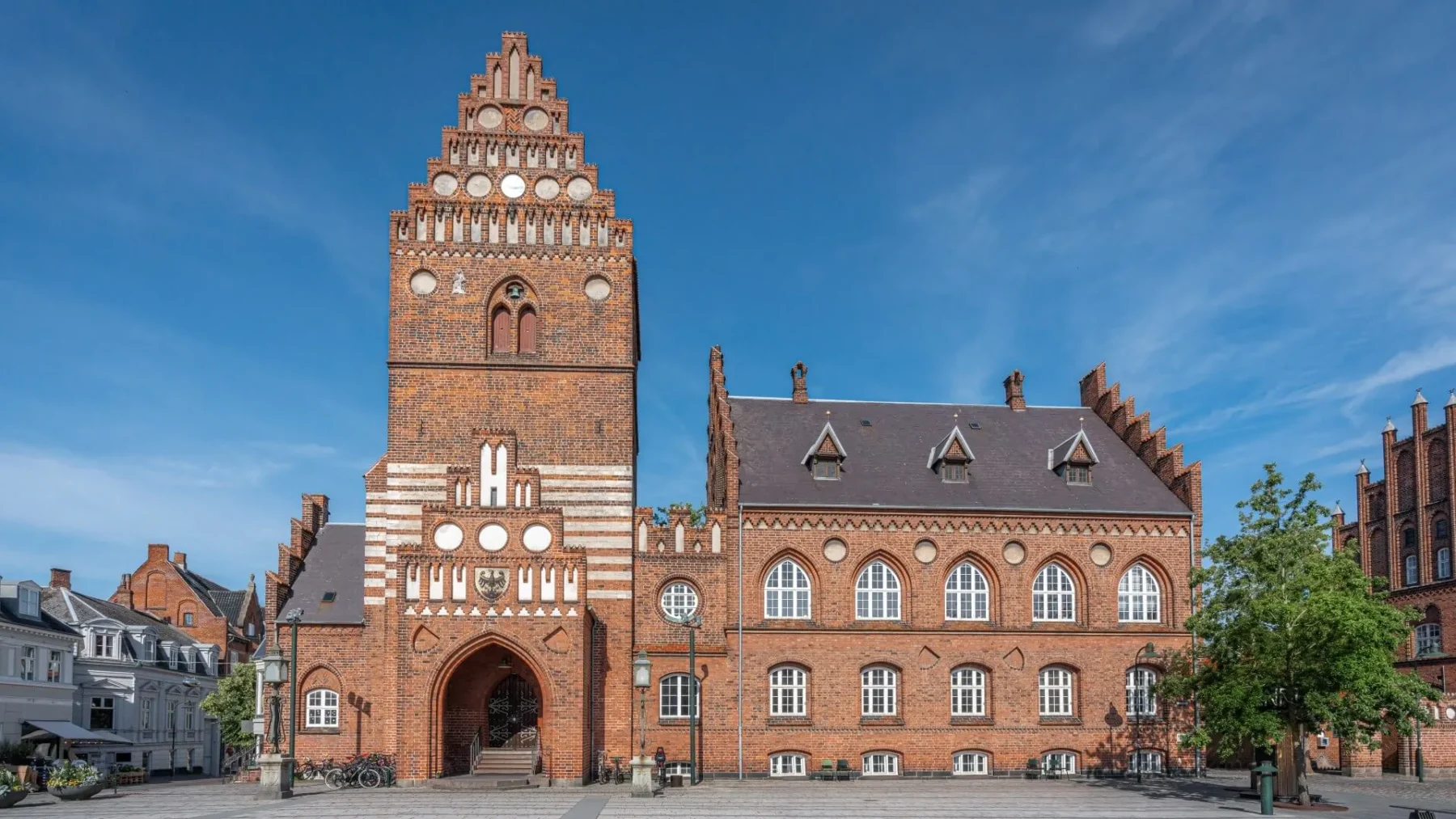
Discover Denmark’s Viking heritage, medieval cathedral and royal history in one of the country’s oldest cities.
Helsingør
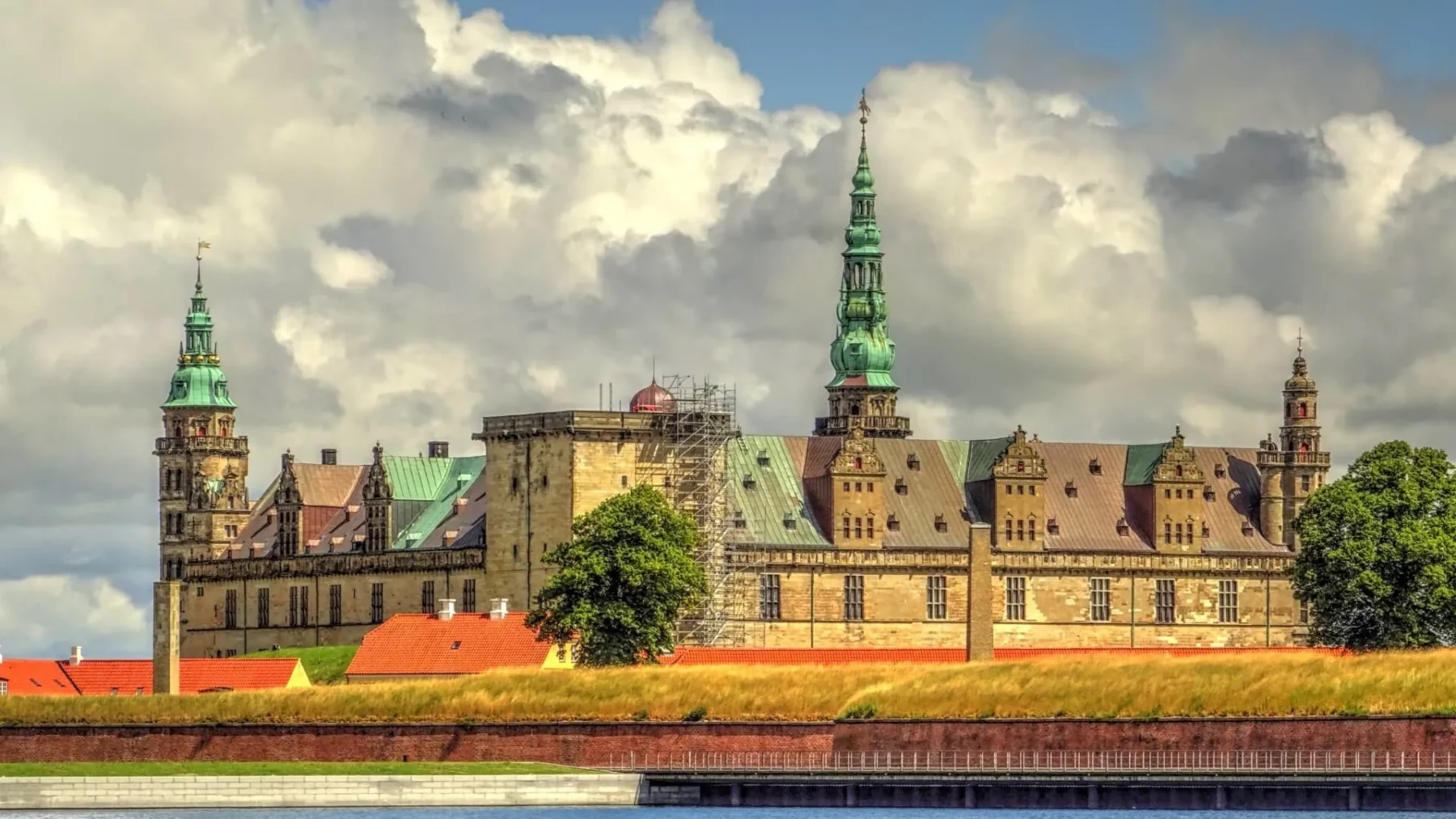
Explore Kronborg Castle, historic streets and the Øresund waterfront in this atmospheric coastal city.
EXPLORE HELSINGØR →
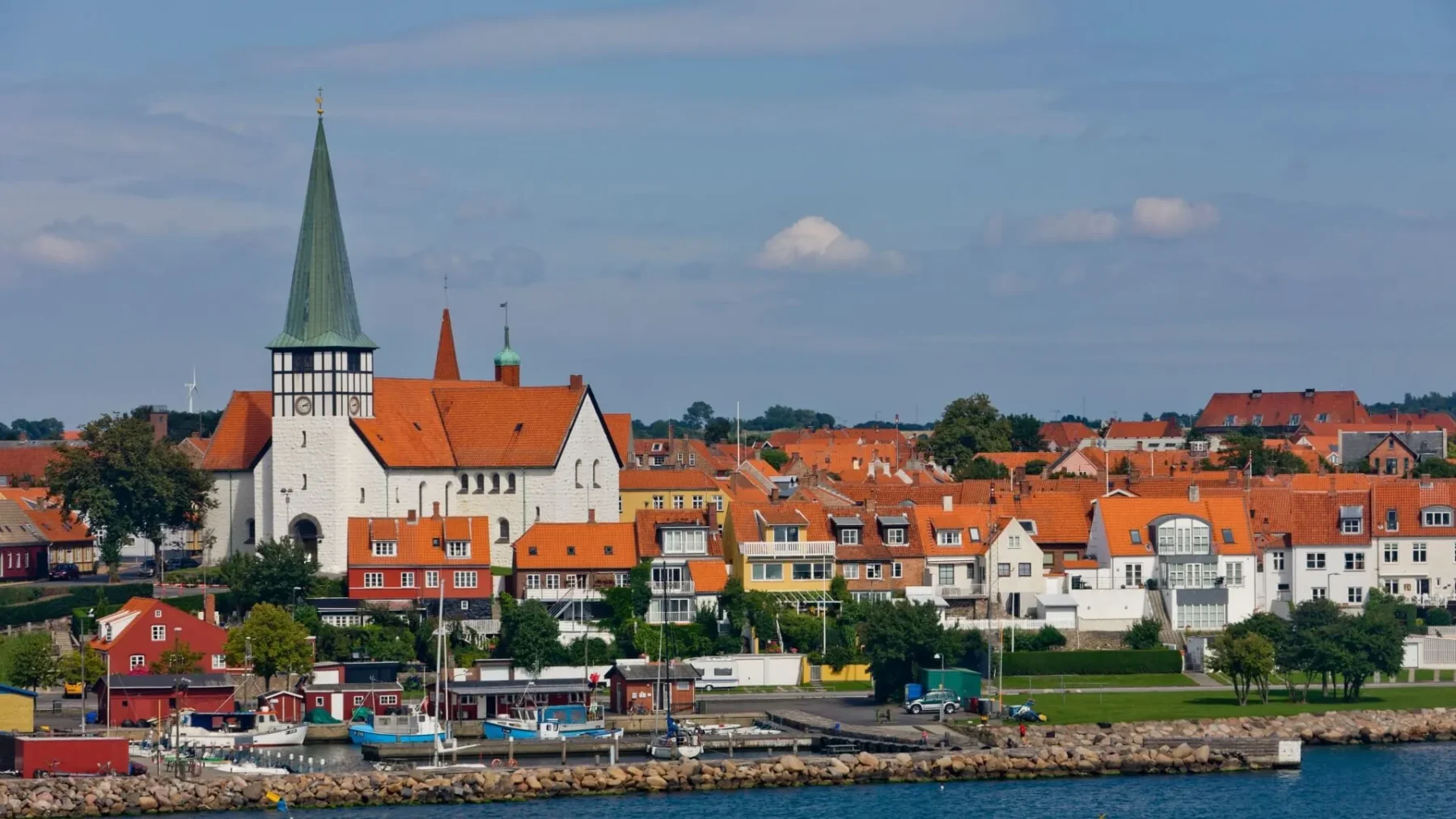
Bornholm
Discover dramatic coastlines, medieval round churches, fishing villages and some of Denmark’s most distinctive island landscapes.
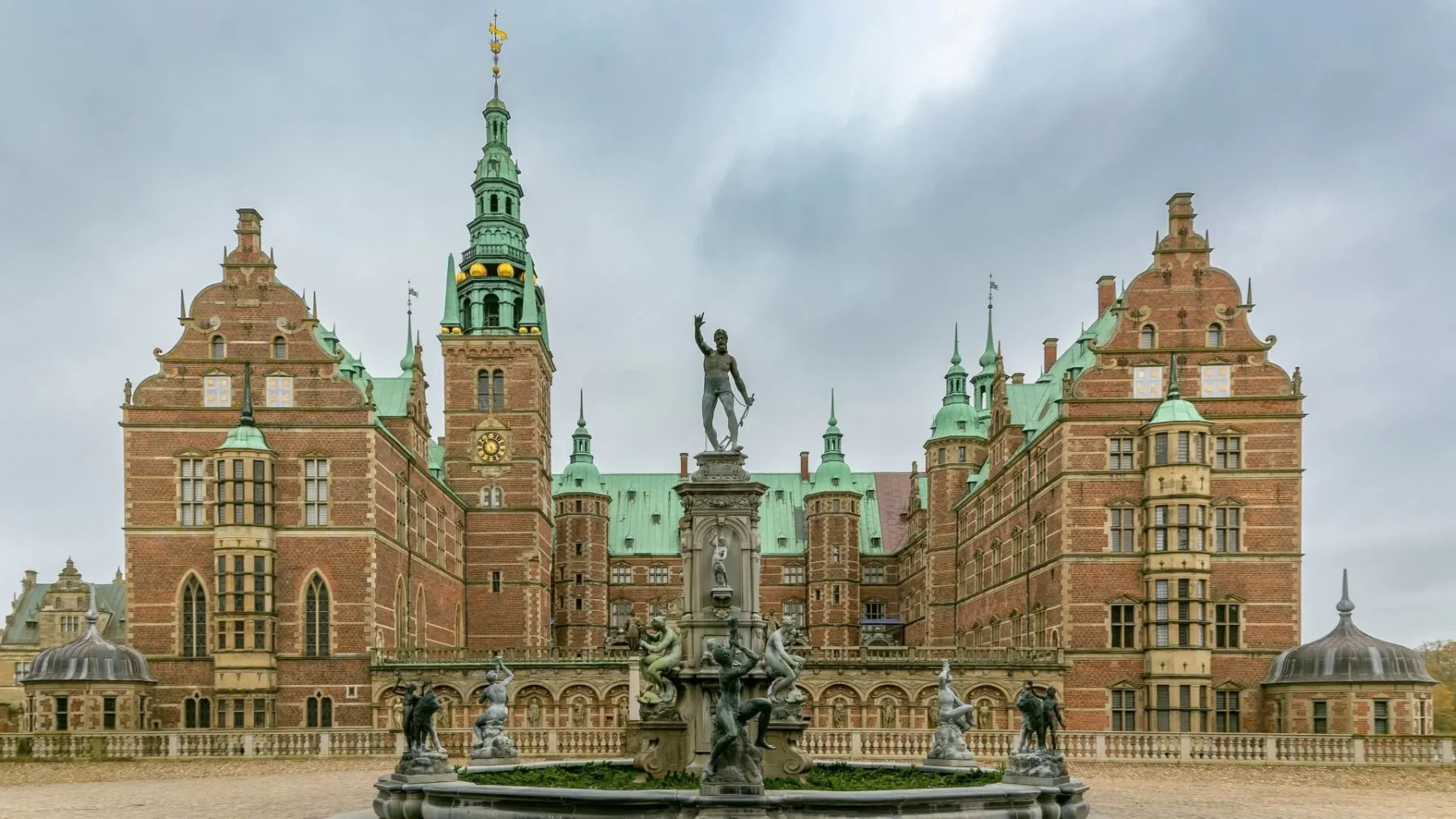
Hillerød
Discover Frederiksborg Castle, royal history and elegant gardens in one of Denmark’s most impressive historic towns.
EXPLORE HILLERØD →