Pärnu
Historic Baltic trading town, elegant spa heritage and Estonia’s seaside summer capital
Explore Pärnu, Estonia’s historic resort city where the Pärnu River meets the Baltic Sea. Discover a medieval merchant-town past, Swedish-era defences, nineteenth-century spa traditions and beaches that made Pärnu famous as Estonia’s summer capital.
INTRODUCTION
Welcome to Pärnu
Pärnu combines a historic Baltic trading centre with a relaxed seaside atmosphere. Medieval streets, surviving fortifications, classical churches and leafy parks recall the town’s long development beside the Pärnu River.
Explore the Red Tower and Tallinn Gate, discover the origins of Estonian national journalism, and follow the story of Pärnu’s transformation into a beloved spa resort. Between historic sights, enjoy the beach promenade and local cafés.
WHY VISIT
Why Visit Pärnu?
Pärnu is more than a summer beach destination. Its merchants, fortifications, cultural pioneers and nineteenth-century health resorts make it a rewarding stop for travellers who want to experience Estonian history alongside the Baltic coast.
01
Medieval Trade & the Red Tower
The fifteenth-century Red Tower survives from the defences of medieval New Pärnu. Its exhibitions bring to life a fortified town connected with commerce around the Baltic Sea.
02
Swedish Fortifications & Tallinn Gate
The seventeenth-century Tallinn Gate and nearby Vallikäär park preserve the memory of Pärnu’s Swedish-era defences and changing military importance.
03
Estonian National Awakening
The Koidula Museum recalls Lydia Koidula, Johann Voldemar Jannsen and the rise of Estonian-language journalism and national cultural life in the nineteenth century.
04
Historic Spas, Beach Culture & Parks
Since the nineteenth century Pärnu has drawn visitors to its seaside baths, sandy beach and leafy promenades. The town’s resort architecture reveals another chapter of Baltic history.
HISTORY
A Short History of Pärnu
Pärnu grew around the mouth of the Pärnu River, an important route between inland settlements and the Baltic. Medieval Old Pärnu and New Pärnu developed as distinct settlements; the latter became a trading town whose defences included the fifteenth-century Red Tower.
The city later passed through Polish-Lithuanian, Swedish and Russian periods. Swedish rule left a legacy of bastions and the monumental Tallinn Gate. The town also became significant for learning: the university established in Tartu was temporarily based in Pärnu during the late seventeenth and early eighteenth centuries.
In the nineteenth century, Pärnu emerged as a resort, with sea bathing and later mud-treatment traditions. The Koidula family contributed to the Estonian national awakening. Independence was publicly proclaimed in Pärnu on 23 February 1918, before its declaration in Tallinn the following day. Today history, wellness and seaside life shape the city’s appeal.
KEY HISTORICAL MOMENT
1838
The opening of Pärnu’s first sea-bathing establishment in 1838 began its long rise as a seaside resort. Spa and bathing traditions gradually became central to the town’s identity.
TOP SIGHTS
Top Sights in Pärnu
These eight highlights reveal the medieval merchant town, Swedish fortifications, Estonia’s national awakening and the coastal resort that grew around the bay.
1
Red Tower (Punane torn)
This fifteenth-century defensive tower is Pärnu’s oldest surviving building. Visit its museum and immersive historical exhibition for a vivid introduction to medieval New Pärnu.
2
Tallinn Gate (Tallinna värav)
Walk through the preserved seventeenth-century Baroque gate, a remnant of Pärnu’s Swedish-era fortifications. The adjacent earthworks and moat form part of the historic Vallikäär area.
3
Pärnu Museum
Discover archaeology, medieval trade, the story of two towns, national history and the origins of Pärnu’s spa culture at the city’s principal history museum.
4
Pärnu Town Hall & Historic Centre
Admire the historic Town Hall and follow the streets around Rüütli, where merchant houses and later urban architecture reflect centuries of commercial life.
5
St Elizabeth’s Church (Eliisabeti kirik)
Visit this eighteenth-century Lutheran church, named for Empress Elizabeth of Russia. Its architecture and interior connect the town to the religious history of the Baltic region.
6
Lydia Koidula Memorial Museum
Explore the former home of the Jannsen family, a centre of nineteenth-century Estonian-language journalism. The museum honours poet Lydia Koidula and the national awakening.
7
Pärnu Beach & Historic Beach Park
Stroll the broad sandy shore, beach promenade and green parkland that made Pärnu a popular summer resort. Historic bathing traditions remain part of the coastal landscape.
8
Pärnu Mud Baths & Resort Quarter
See the landmark mud-baths building and nearby resort architecture, which reflect the city’s evolution into a well-known centre of seaside leisure and wellness.
THINGS TO DO
Things to Do in Pärnu
Combine the city’s compact historic centre with its coast, cultural museums and former fortifications. A flexible itinerary leaves time for the promenade, seasonal events and cafés.
Walk the Medieval & Baroque Old Town
Follow the historic streets from the Red Tower to Rüütli Street, Town Hall and Tallinn Gate, discovering surviving traces of merchant life and Pärnu’s old defences.
EXPLORE PÄRNU HISTORY WALKS →
Discover Estonian Cultural Heritage
Visit Pärnu Museum and the Lydia Koidula Museum to explore the town’s role in Estonian-language culture, publishing and the early independence movement.
DISCOVER PÄRNU CULTURAL EXPERIENCES →
Explore Vallikäär & the Riverfront
Walk beside the preserved moat, earthworks and riverside green spaces, tracing the outlines of the former Swedish bastions and enjoying views toward the harbour.
BROWSE PÄRNU WALKING EXPERIENCES →
Enjoy the Beach & Spa Traditions
Spend time along the beach promenade, admire the historic mud-baths building and choose a spa or wellness experience suited to the season.
EXPLORE PÄRNU SEASIDE EXPERIENCES →
SUGGESTED ITINERARY
3 Days in Pärnu
Three days allow time for the historic merchant town, museums of Estonian culture and the seaside resort. Most central sights are walkable, while a third day offers room for a nearby nature excursion.
DAY 1
Medieval Pärnu & Swedish Fortifications
MORNING
Start at the Red Tower to learn about medieval Pärnu. Continue along the historic streets toward the Town Hall and Rüütli Street.
AFTERNOON
Visit the Tallinn Gate and explore the Vallikäär area, following the surviving seventeenth-century fortification landscape.
EVENING
Enjoy dinner in the historic centre and an evening stroll along the Pärnu River.
DAY 2
National Awakening & Resort Heritage
MORNING
Visit Pärnu Museum for the wider history of the town, trade, independence and resort culture.
AFTERNOON
Cross to the Lydia Koidula Memorial Museum, then continue to the leafy Beach Park and old spa quarter.
EVENING
Walk the seafront and enjoy a café or spa experience according to the season.
DAY 3
Beach, Parks & Coastal Exploration
MORNING
Explore Pärnu Beach and its promenade, stopping to see the landmark mud-baths building and surrounding resort architecture.
AFTERNOON
Spend time in the parks and riverfront or plan a nature excursion around Pärnu Bay, with transport arranged in advance.
EVENING
Finish with an easy seaside dinner or sunset walk, allowing for seasonal weather.
WHERE TO STAY
Where to Stay in Pärnu
Choose the historic centre for museums and cafés, the beach district for spa stays and summer seaside access, or quieter residential areas near the river for a relaxed base.
01
Old Town & Rüütli Street
Stay near historic streets, Pärnu Museum, restaurants and shops. A good choice for visitors focused on heritage and easy walking.
FIND HOTELS IN CENTRAL PÄRNU →
02
Beach District & Promenade
Choose seaside hotels or guesthouses near the long sandy beach, parks and spa venues. Book ahead during peak summer weeks.
BROWSE PÄRNU BEACH HOTELS →
03
Vallikäär & Riverside
A pleasant location for walking near the former bastions, riverfront and central attractions, with a quieter evening atmosphere.
FIND RIVERSIDE STAYS IN PÄRNU →
04
Rääma & Residential Pärnu
Local neighbourhoods beyond the busiest central streets offer apartments and guesthouses; check walking distances and bus connections.
EXPLORE PÄRNU GUESTHOUSES →
GETTING AROUND
Getting Around Pärnu
Pärnu’s historic centre and beach are accessible on foot or by bicycle. Regional buses connect the city with Tallinn, Riga and other towns, while cars are useful for exploring the surrounding county.
On Foot
The compact centre, Tallinn Gate and riverfront are walkable. The beach is also within reach, though allow extra time in heat, rain or winter conditions.
By Local Bus
Local buses serve residential districts and links beyond the centre. Check current routes, tickets and seasonal schedules before travel.
By Intercity Bus
Frequent intercity bus routes generally provide the main public-transport links with Tallinn and other Estonian cities. Check timetables and journey details in advance.
From Tallinn or Riga
Most visitors arrive overland by bus or car via Tallinn or Riga; the nearest major international flight options are outside Pärnu. Check transport connections before booking.
By Bicycle, Car & Ferry
Cycling works well along the beach and in flatter districts. A rental car is useful for rural sites, while ferry connections to nearby islands depart from ports outside the city.
BEST TIME TO VISIT
Best Time to Visit Pärnu
Summer is the classic season for enjoying the beach, outdoor cafés and seaside events. Spring and early autumn are quieter for architecture, museums and coastal walks.
Spring
MARCH TO MAY
Spring brings longer daylight and more comfortable walking conditions. The seaside can remain cool and windy, while parks and historic streets are less crowded.
Summer
JUNE TO AUGUST
June to August is the main resort season, with beach activities, lively promenades and busier accommodation. Book early for popular summer weekends.
Autumn & Winter
SEPTEMBER TO FEBRUARY
Autumn offers quieter museum visits and coastal scenery. Winter is colder with shorter days, but spas and historic attractions make off-season trips possible.
BEST OVERALL TIME
June–August for the seaside; May or September for quieter history trips
Summer suits beach-focused travel; late spring and early autumn are usually better for relaxed walking and historical sightseeing with fewer visitors.
Next Destinations
Tartu
Discover Estonia’s historic university city, the Old Town and the intellectual heart of the country.
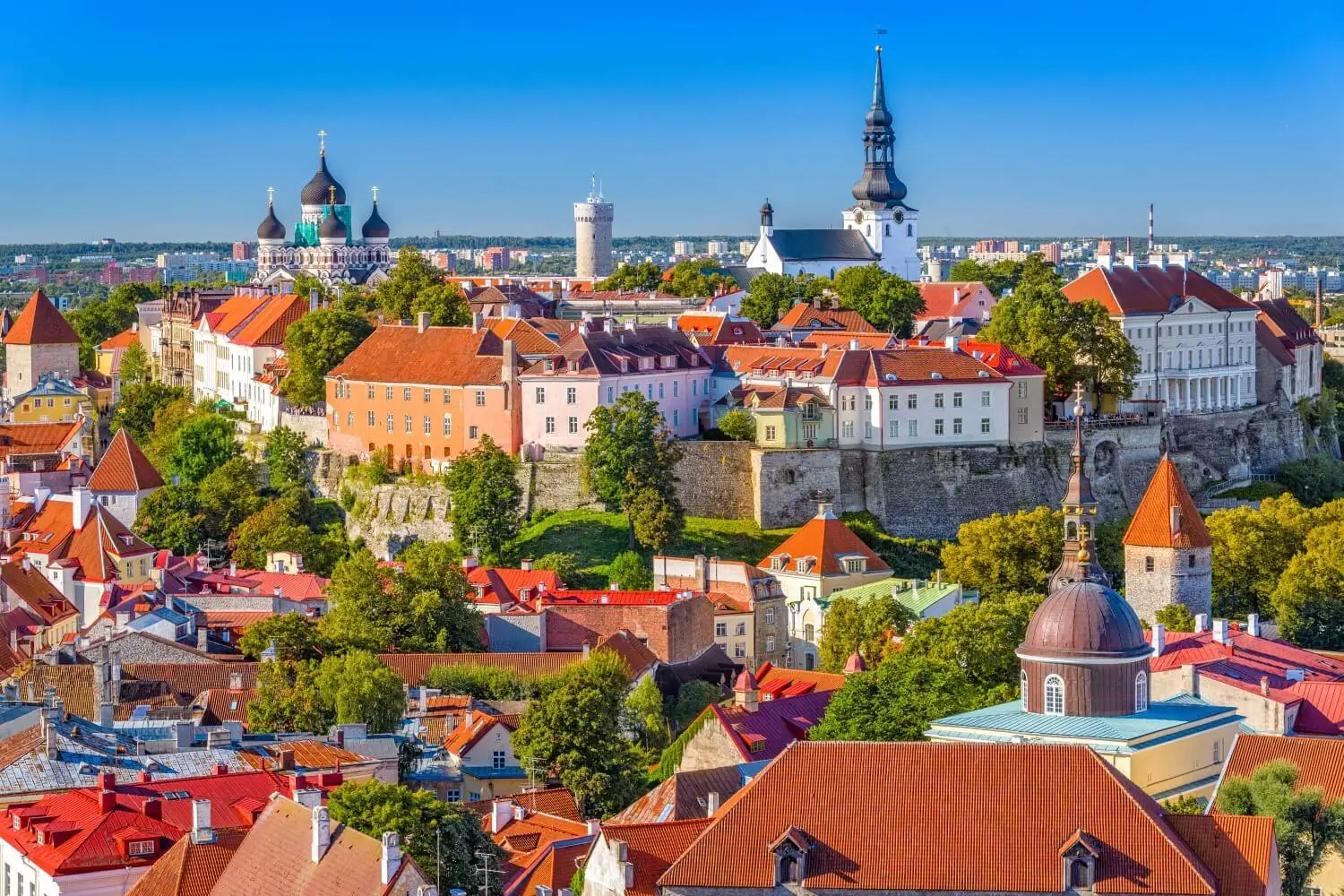
Tallinn
Explore Estonia’s UNESCO-listed capital, medieval city walls and Hanseatic merchant heritage.
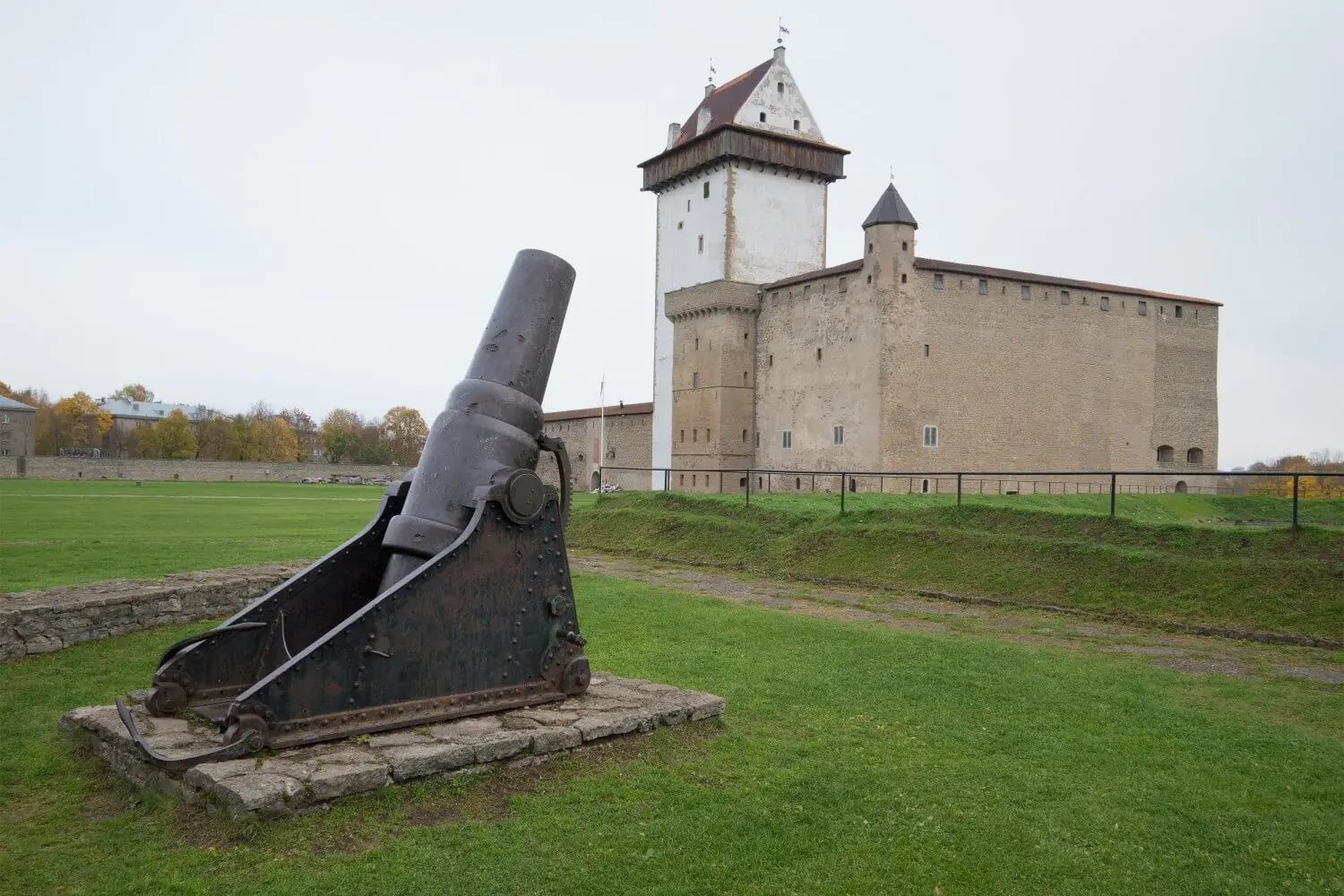
Narva
Discover the border city’s imposing medieval fortress, river crossing and layers of Estonian and Russian history.
Haapsalu
Visit a charming coastal town with an episcopal castle, wooden villas and a long spa tradition.
EXPLORE HAAPSALU →