Tallinn
Medieval charm and centuries of Baltic history
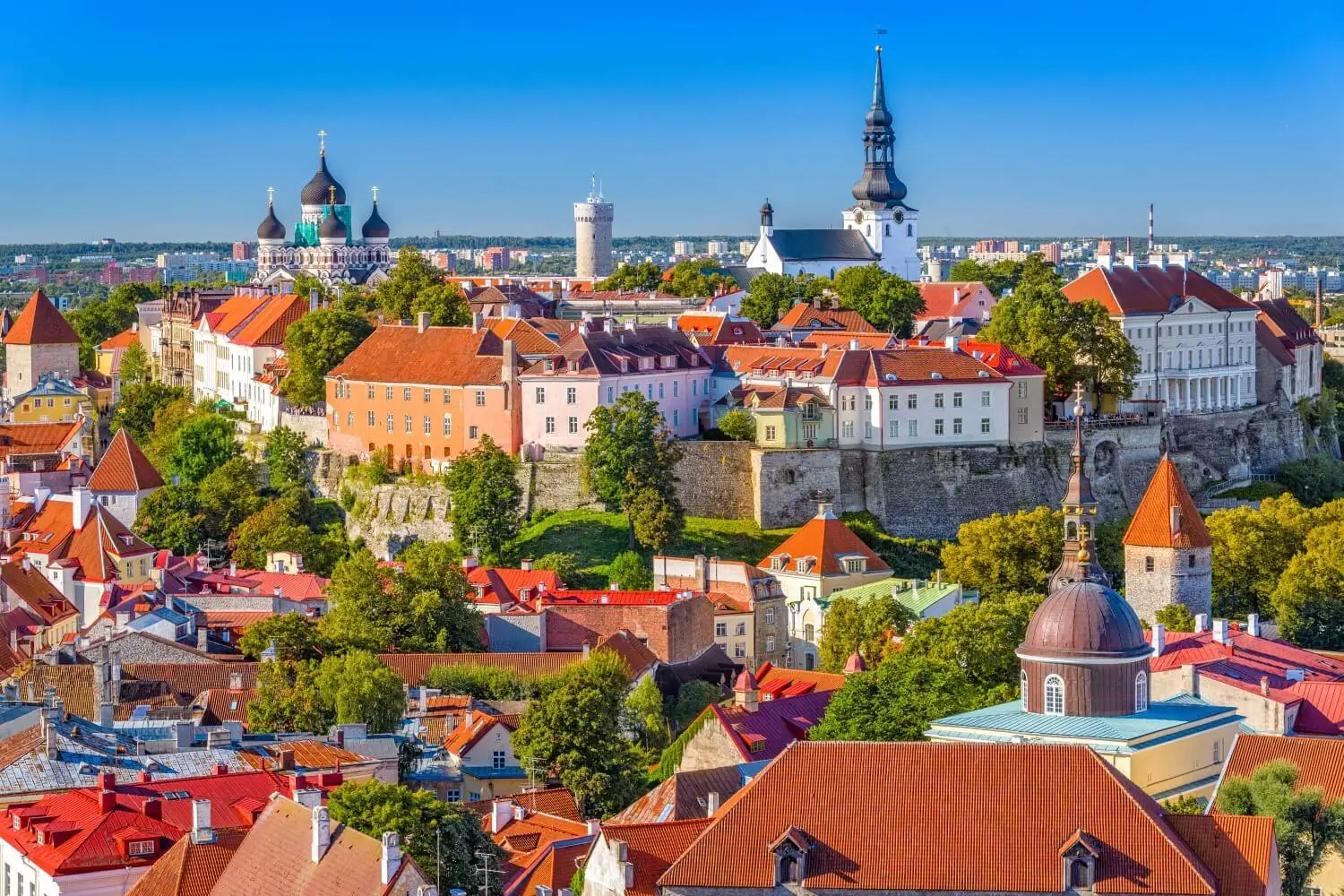
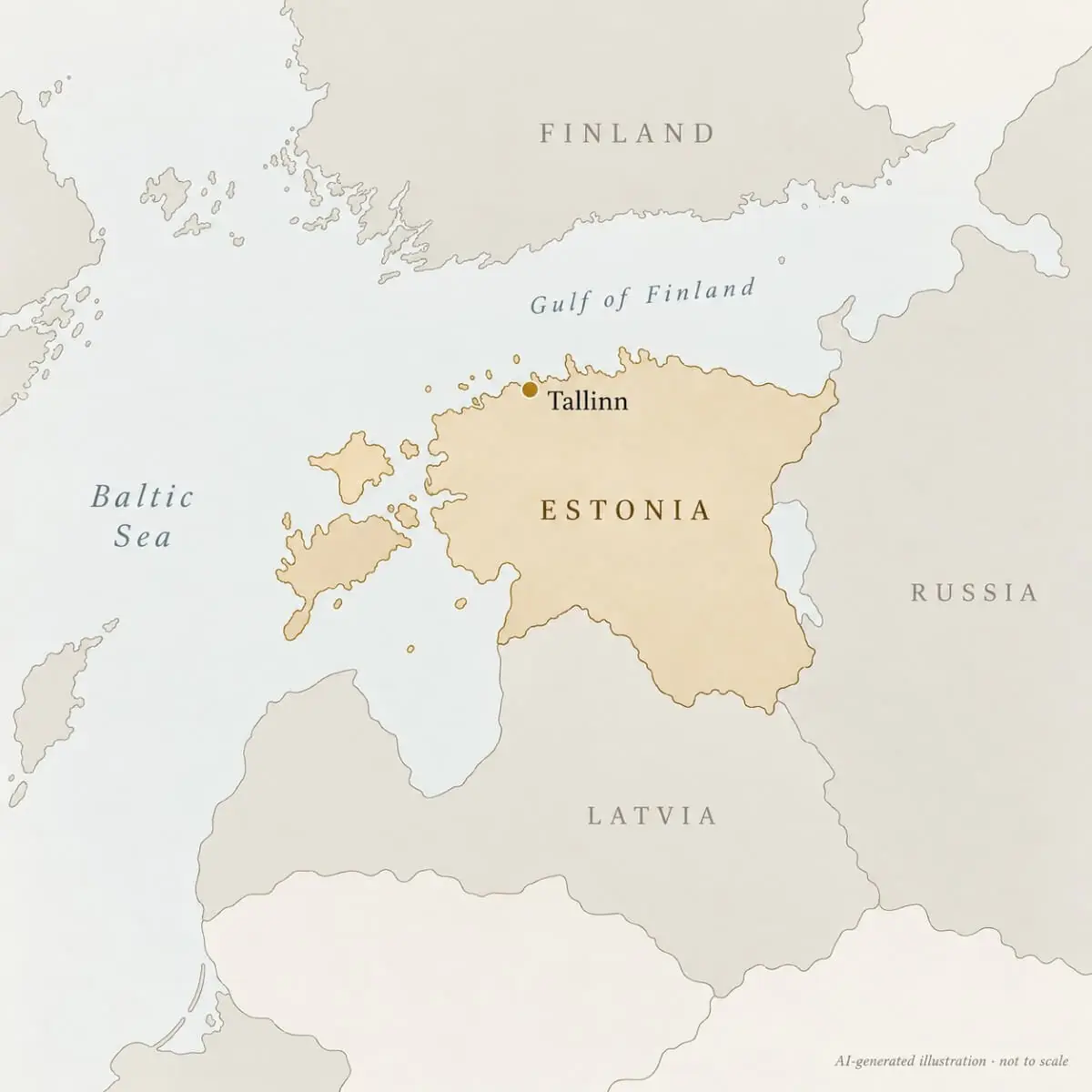
Discover Tallinn, Estonia’s capital on the Baltic Sea, where medieval towers, merchant houses and cobbled streets preserve a remarkable Hanseatic cityscape. Explore Toompea Castle, centuries of Danish, German, Swedish and Russian influence, and the vibrant culture of modern Estonia.
INTRODUCTION
Welcome to Tallinn
Tallinn is one of northern Europe’s best-preserved medieval capitals. Within its UNESCO-listed Old Town, Gothic churches, guild houses, merchant courtyards and defensive towers tell the story of a flourishing Baltic trading port.
Climb to Toompea for views over the red rooftops, explore the Lower Town’s historic lanes and continue beyond the walls to Kadriorg, Kalamaja and the waterfront. Tallinn combines layers of medieval heritage with the story of Estonia’s modern independence.
WHY VISIT
Why Visit Tallinn?
Tallinn is an inviting destination for travellers who enjoy history on foot. The medieval Old Town, Hanseatic trading traditions, changing rulers and twentieth-century independence movement can all be explored across a relatively compact city.
01
UNESCO-Listed Medieval Old Town
Tallinn’s surviving city walls, Gothic spires and winding streets make its Old Town an exceptionally atmospheric introduction to the commercial and political world of medieval northern Europe.
02
Hanseatic Merchants & Guild Houses
In the Middle Ages Tallinn, then widely known as Reval, became a key Hanseatic port. Its merchant houses, guild halls and market square recall connections across the Baltic and North Sea.
03
Toompea Castle & Layers of Rule
Explore the hilltop district where medieval strongholds, government buildings and religious landmarks reflect Danish, German, Swedish, imperial Russian and Estonian chapters of history.
04
Baltic Culture & Modern Independence
Museums, neighbourhoods and memorials recount Estonia’s path to independence in 1918, Soviet occupation, the Singing Revolution and the restoration of independence in 1991.
HISTORY
A Short History of Tallinn
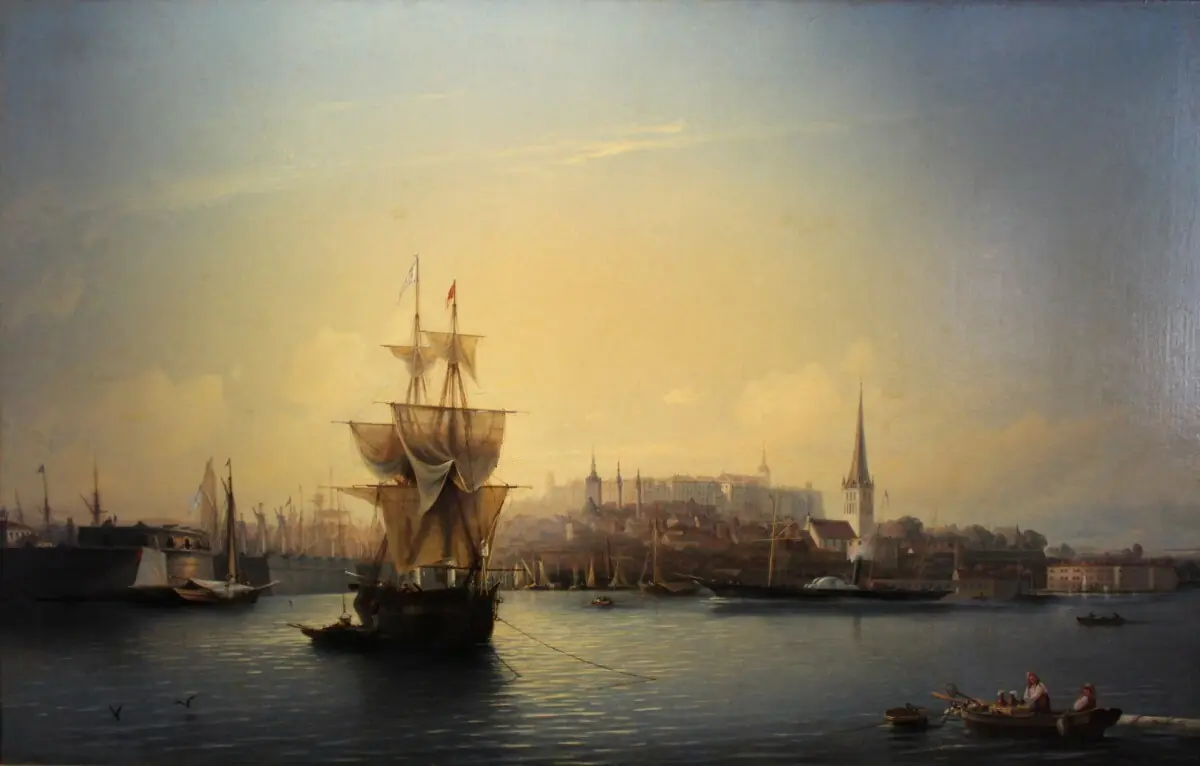
Settlement around the Tallinn area predates the Middle Ages, but the fortified hill of Toompea and harbour gained particular significance in the thirteenth century. Danish forces took control in 1219; the developing town became known as Reval and grew into an important Baltic commercial centre.
During the medieval centuries, German-speaking merchants and craftspeople flourished behind the city walls. Tallinn joined the Hanseatic trading network and later passed under Swedish rule in 1561 and Russian imperial control in 1710. These changes left visible traces in the city’s churches, architecture and institutions.
Estonia proclaimed independence in 1918. Following Soviet and Nazi occupations during the Second World War, Estonia remained under Soviet rule for decades. The peaceful Singing Revolution helped restore independence in 1991. Today Tallinn’s historic centre stands alongside creative districts and a modern European capital.
KEY HISTORICAL MOMENT
1219
Danish conquest in 1219 marks a major turning point in Tallinn’s medieval development. The fortified town that grew around Toompea became a Hanseatic centre known widely as Reval.
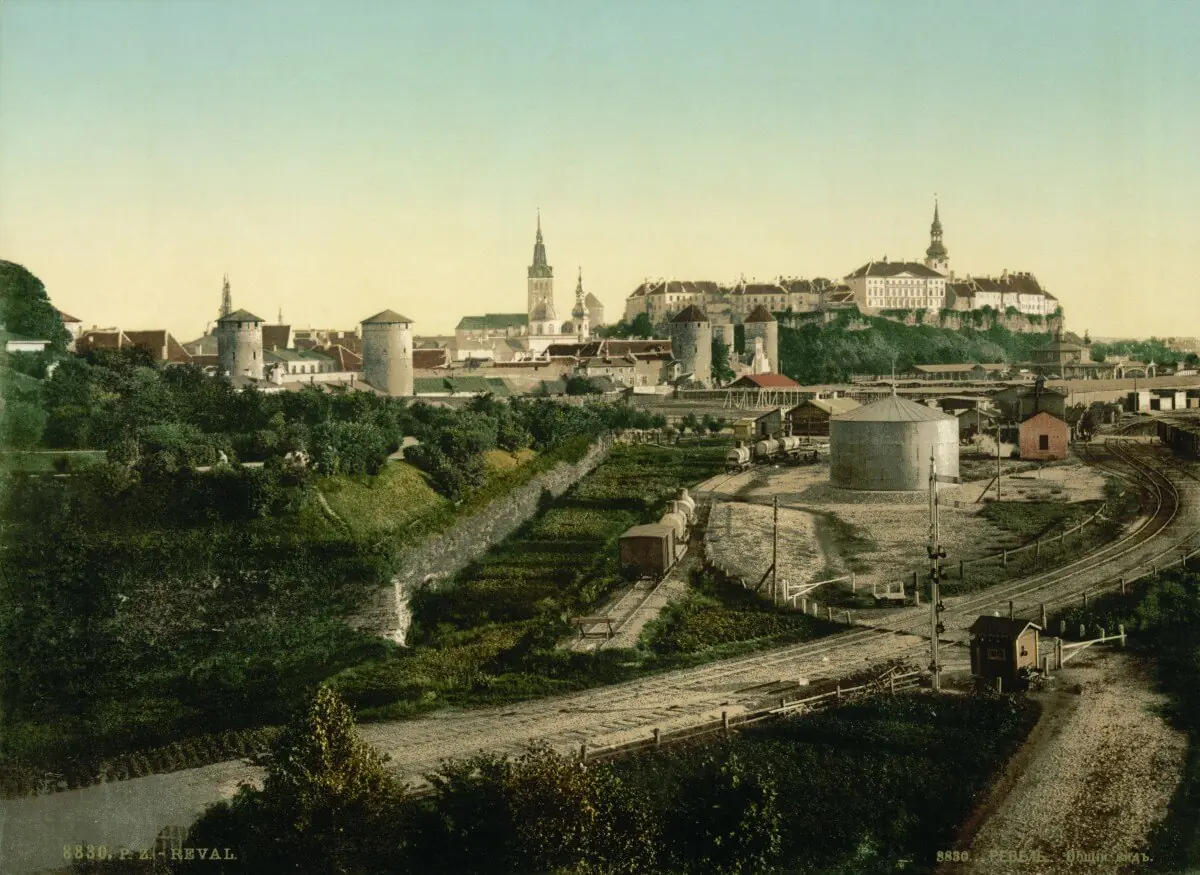
Source: General View of Reval (Tallinn) (c. 1896). Photochrom print. Library of Congress, Prints and Photographs Division. Public Domain.

TOP SIGHTS
Top Sights in Tallinn
These eight historic places reveal the medieval Hanseatic town, its defensive fortifications, hilltop rulers and later chapters of Estonian history.
1
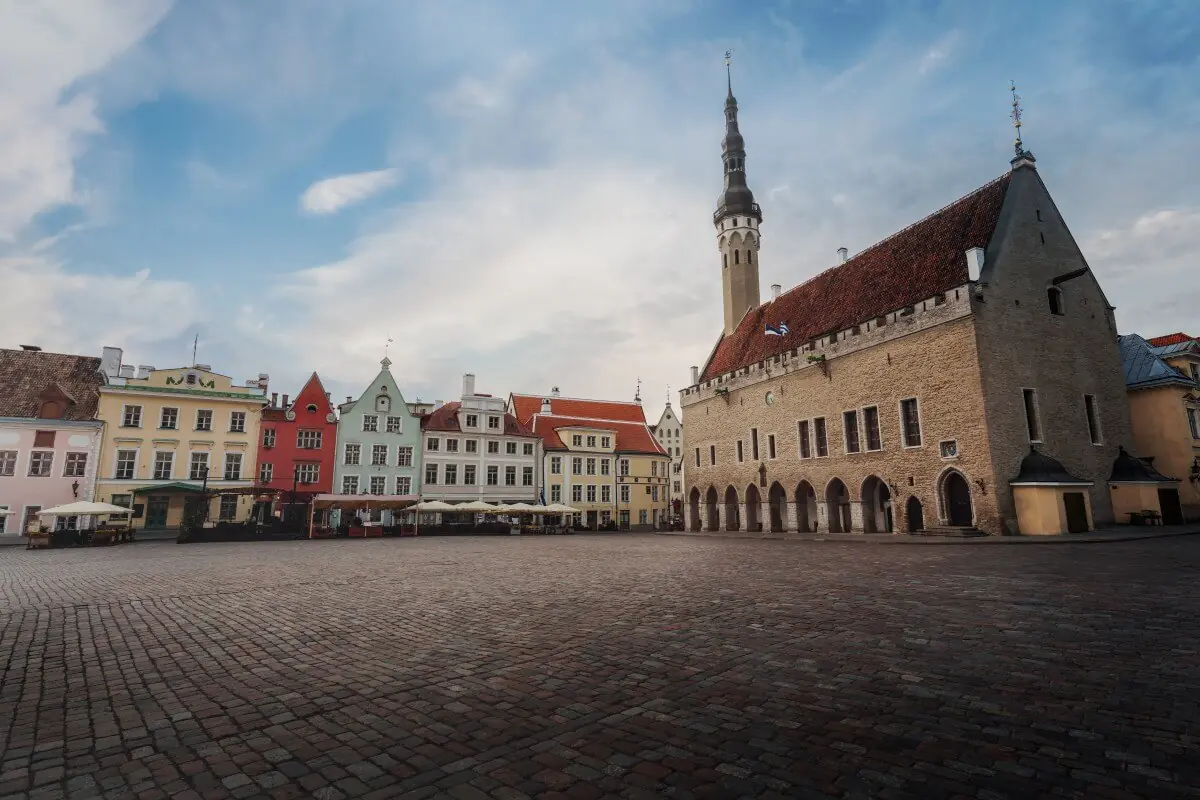
Tallinn Town Hall Square (Raekoja plats)
Begin at the heart of the Lower Town, surrounded by historic merchant buildings and the Gothic Town Hall. The square has hosted markets and gatherings for centuries and remains the Old Town’s social centre.
2
Tallinn Town Hall (Raekoda)
Admire the medieval Gothic Town Hall and its distinctive tower. Historic interiors and exhibitions may be accessible seasonally; check visitor arrangements in advance.
3
Toompea Castle & Parliament
On Toompea Hill, the parliamentary complex incorporates centuries of fortress history and later architecture. Admire its exterior and connect the story of medieval power with modern Estonian democracy.
4
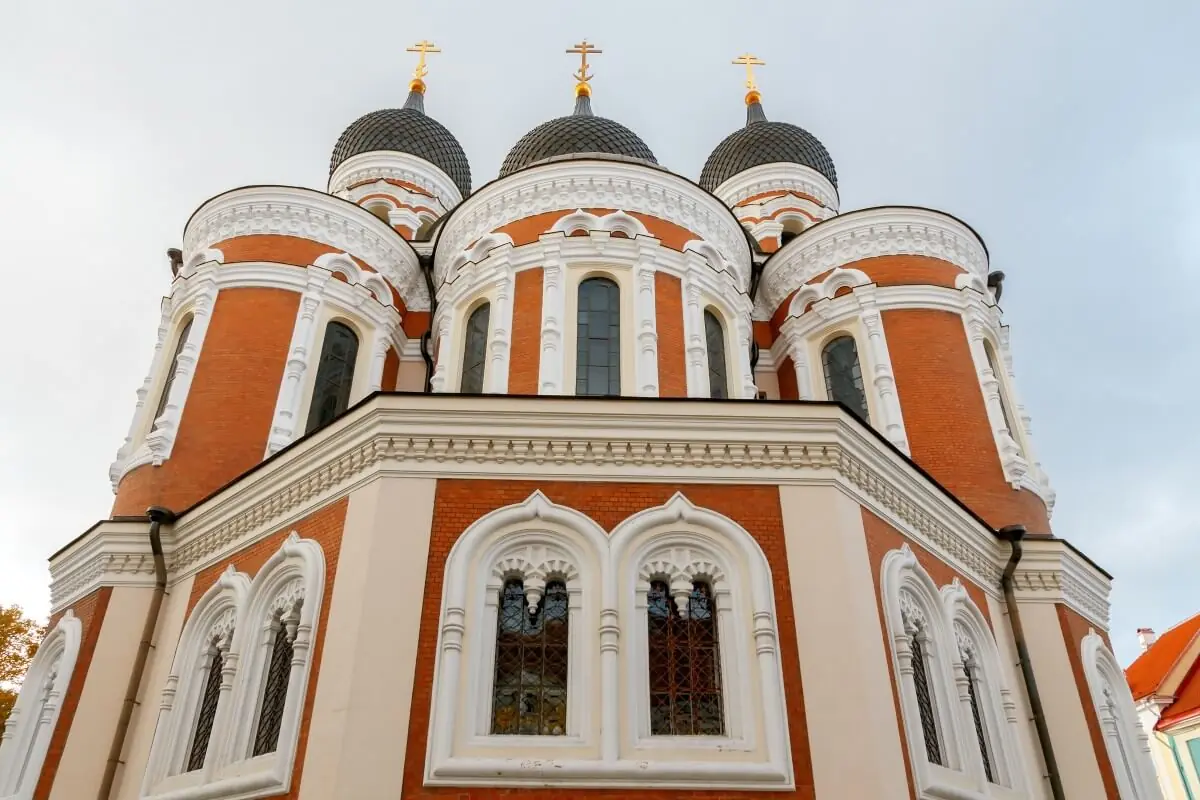
Alexander Nevsky Cathedral
This richly decorated Orthodox cathedral dates from the late nineteenth and early twentieth centuries under Russian imperial rule. Its domes form a striking contrast with neighbouring medieval buildings.
5
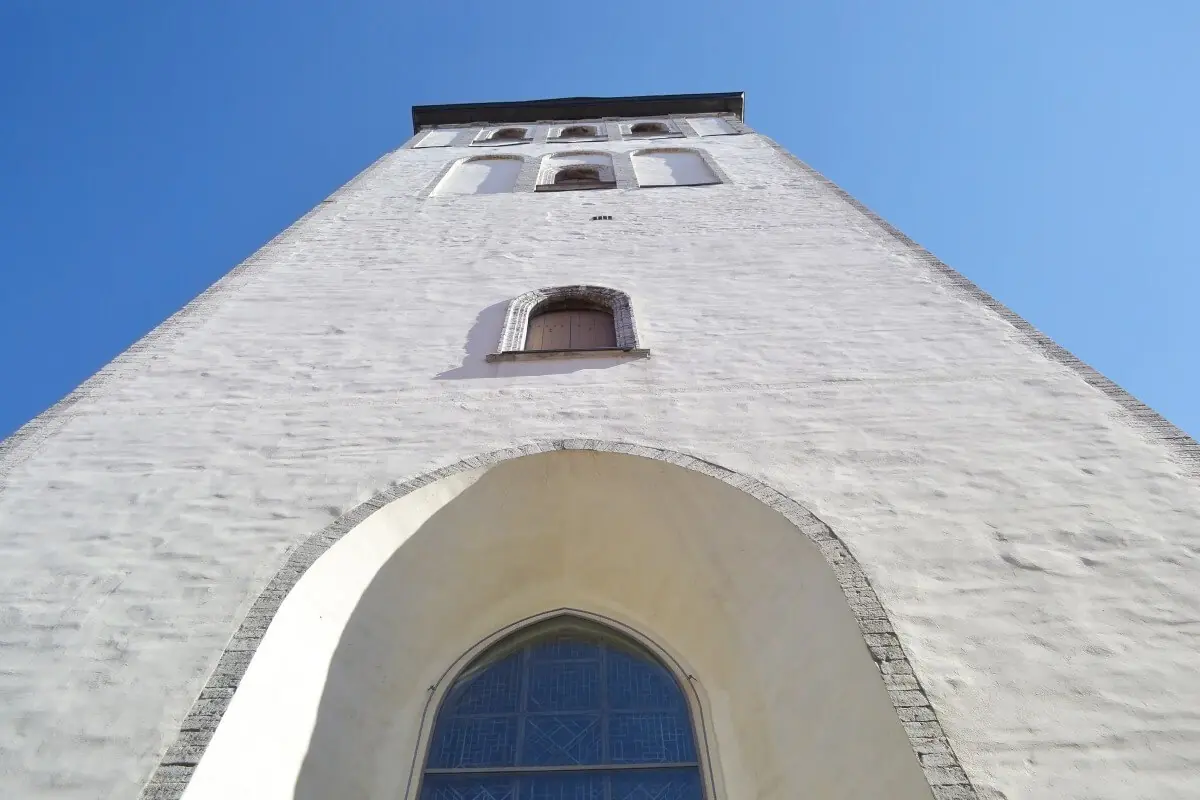
St Olaf’s Church (Oleviste kirik)
The towering spire of St Olaf’s Church is a symbol of Tallinn’s skyline and maritime past. Opening and tower-climbing arrangements vary with the season.
6
Tallinn City Walls & Defensive Towers
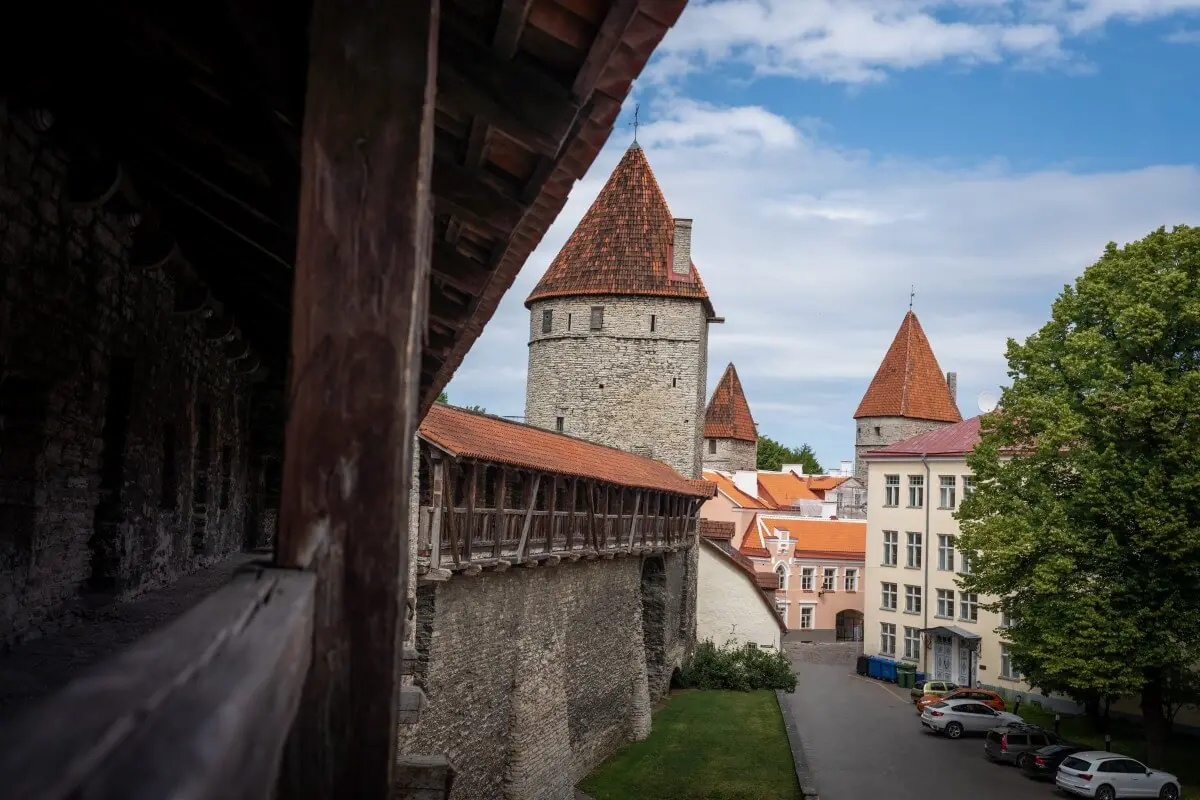
Walk beside the surviving medieval walls and towers, including sections around Nunne Street and Kiek in de Kök. They demonstrate how merchants and rulers protected this important Baltic port.
7
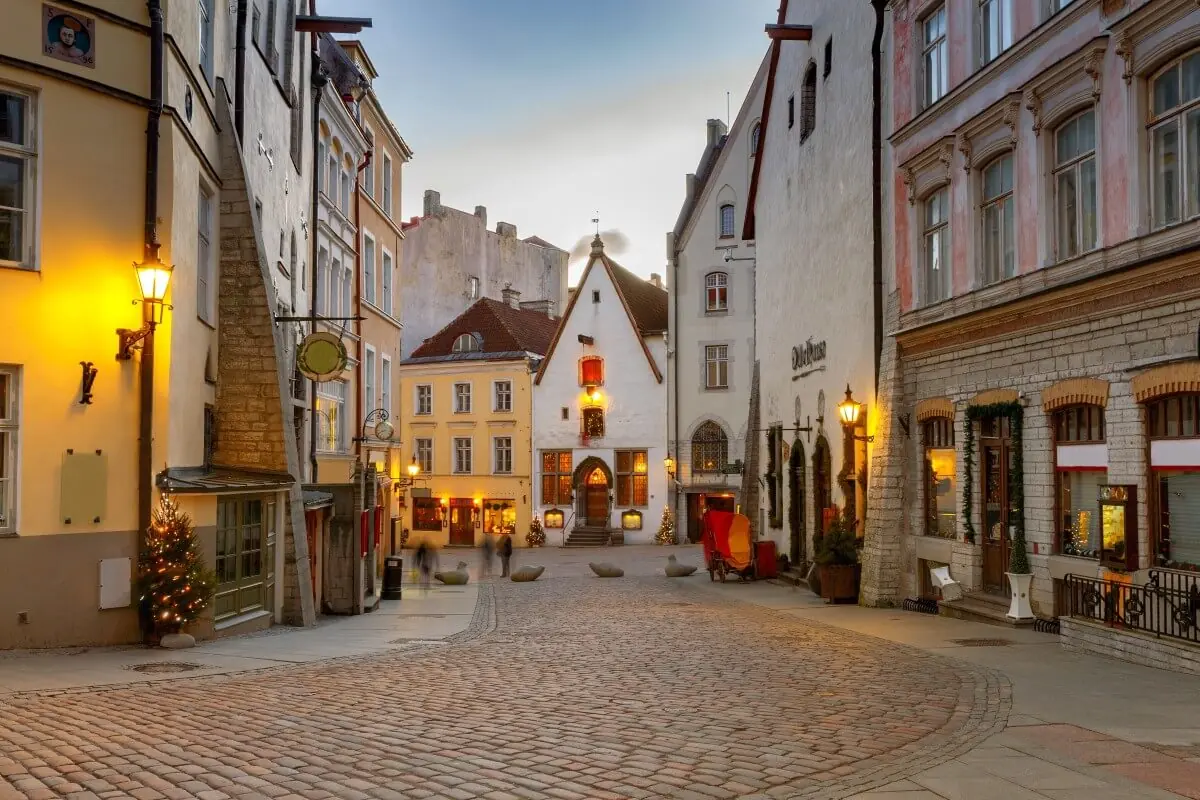
St Catherine’s Passage & Medieval Lanes
The atmospheric passageway and adjacent workshops evoke Tallinn’s guild traditions. Explore small courtyards, carved details and quieter streets away from the busiest squares.
8
Kadriorg Palace & Park
Built for Peter the Great in the early eighteenth century, Kadriorg Palace reflects Tallinn’s imperial Russian period. Its formal park and art collections offer a rewarding contrast to the medieval Old Town.
THINGS TO DO
Things to Do in Tallinn
Explore the medieval heart of the city, follow stories of Hanseatic trade and discover how Estonian culture developed through centuries of shifting political control.
Walk the Medieval Old Town
Follow the streets from Viru Gate through the Lower Town to Town Hall Square, visiting historic churches, guild houses and surviving sections of the fortifications along the way.
EXPLORE TALLINN OLD TOWN WALKS →
Discover Hanseatic Trade & Guild History
Look for medieval merchant houses, the Great Guild Hall and historic trading streets. Local museum collections reveal the city’s role within a network connecting Baltic ports and northern Europe.
DISCOVER TALLINN HISTORY TOURS →
Climb Toompea for Panoramic Views
Walk uphill to the historic Toompea district and seek out its viewing platforms. Compare the tightly packed medieval rooftops with Tallinn’s harbour and newer neighbourhoods.
BROWSE TOOMPEA WALKING EXPERIENCES →
Explore Kadriorg & Modern Estonian Culture
Spend time around Kadriorg Palace and its park, or investigate twentieth-century history through city museums and memorial sites. Choose exhibitions according to your interests and current opening times.
EXPLORE TALLINN CULTURAL EXPERIENCES →
SUGGESTED ITINERARY
3 Days in Tallinn
Three days are enough to explore the medieval Old Town, visit Toompea and its museums, and discover Kadriorg or a creative neighbourhood beyond the historic walls.
DAY 1
Medieval Lower Town & Hanseatic Tallinn
MORNING
Start at Viru Gate and walk through the old merchant quarter to Town Hall Square. Look for historical street layouts, guild houses and the Gothic Town Hall.
AFTERNOON
Visit St Catherine’s Passage and the nearby medieval lanes, then explore the city walls or Kiek in de Kök exhibitions, subject to opening hours.
EVENING
Enjoy dinner in or near the Old Town and take an evening walk through the illuminated streets.
DAY 2
Toompea Hill, Churches & Fortifications
MORNING
Walk up to Toompea Castle, Alexander Nevsky Cathedral and the Cathedral of Saint Mary the Virgin. Explore the hilltop’s political and religious heritage.
AFTERNOON
Stop at Toompea viewpoints for sweeping views of the red rooftops, then visit St Olaf’s Church or another historic site in the Lower Town.
EVENING
Spend a relaxed evening in the centre, perhaps trying traditional Estonian dishes.
DAY 3
Kadriorg, Seaside & Modern Tallinn
MORNING
Travel to Kadriorg Palace and its park to explore Tallinn’s imperial-era architecture and art collections.
AFTERNOON
Choose a museum addressing modern Estonian history, or walk through Kalamaja and the Telliskivi area to see the city’s industrial and creative heritage.
EVENING
Finish your visit with a waterfront stroll, checking the weather and seasonal daylight.
WHERE TO STAY
Where to Stay in Tallinn
Choose the Old Town for medieval atmosphere, the City Centre for transport and convenience, Kalamaja for a creative residential setting, or Kadriorg for greenery and a quieter base.
01
Tallinn Old Town (Vanalinn)
Stay within the medieval walls for easy walks to Town Hall Square, churches, guild buildings and Toompea. Expect cobblestones and busy central streets.
FIND HOTELS IN TALLINN OLD TOWN →
02
City Centre & Rotermann Quarter
A practical area between the Old Town, harbour and transport links, with modern hotels and revitalised former industrial architecture.
BROWSE CENTRAL TALLINN HOTELS →
03
Kalamaja & Telliskivi
Neighbourhoods known for wooden architecture, cafés and creative spaces. They offer a different side of Tallinn within reach of the Old Town.
FIND STAYS IN KALAMAJA →
04
Kadriorg
A quieter residential setting near the palace, park, museums and seaside walks. Use trams or buses to reach the medieval centre.
EXPLORE KADRIORG ACCOMMODATION →
GETTING AROUND
Getting Around Tallinn
Tallinn’s medieval core is best explored on foot, while trams and buses link the airport, harbour, railway station and districts beyond the city walls.
On Foot
Most Old Town sights are within walking distance, although the cobbled lanes, steps and Toompea slopes can be uneven or slippery.
By Tram & Bus
Tallinn’s public transport network links the centre with Kadriorg, residential neighbourhoods and major gateways. Check current ticket and fare rules before travelling.
By Train
Balti jaam railway station sits near the Old Town and serves domestic routes across Estonia. Check current Elron timetables for day trips and longer journeys.
From Tallinn Airport
Lennart Meri Tallinn Airport lies close to the city. Local buses, taxis and other transfers connect it with the centre; confirm current services and ticket options.
By Ferry, Bicycle & Car
Passenger ferries connect Tallinn with Helsinki and other Baltic destinations on applicable schedules. Cycling can suit parks and waterfront routes; a car is generally unnecessary for central sightseeing.
BEST TIME TO VISIT
Best Time to Visit Tallinn
Late spring, summer and early autumn are comfortable for walking the medieval streets and visiting viewpoints. Winter brings shorter days, cold weather and atmospheric festive decorations.
Spring
MARCH TO MAY
Spring brings longer days and milder conditions for exploring the Old Town. April and May can still be cool or windy near the Baltic Sea.
Summer
JUNE TO AUGUST
Summer offers long evenings and lively outdoor squares. Popular sites may attract more visitors, especially during weekends and cruise-ship arrivals.
Autumn & Winter
SEPTEMBER TO FEBRUARY
Autumn can be crisp and colourful, while winter makes the Old Town especially atmospheric. Expect cold temperatures, possible snow and limited daylight.
BEST OVERALL TIME
May–September; December for festive atmosphere
Late spring through early autumn is generally best for extended walking and sightseeing. December can be memorable for seasonal markets, though conditions are colder.
Next Destinations
Tartu
Discover Estonia’s historic university city, the Old Town and the intellectual heart of the country.
Pärnu
Explore a historic Baltic seaside town known for its timber architecture and coastal resort heritage.
Narva
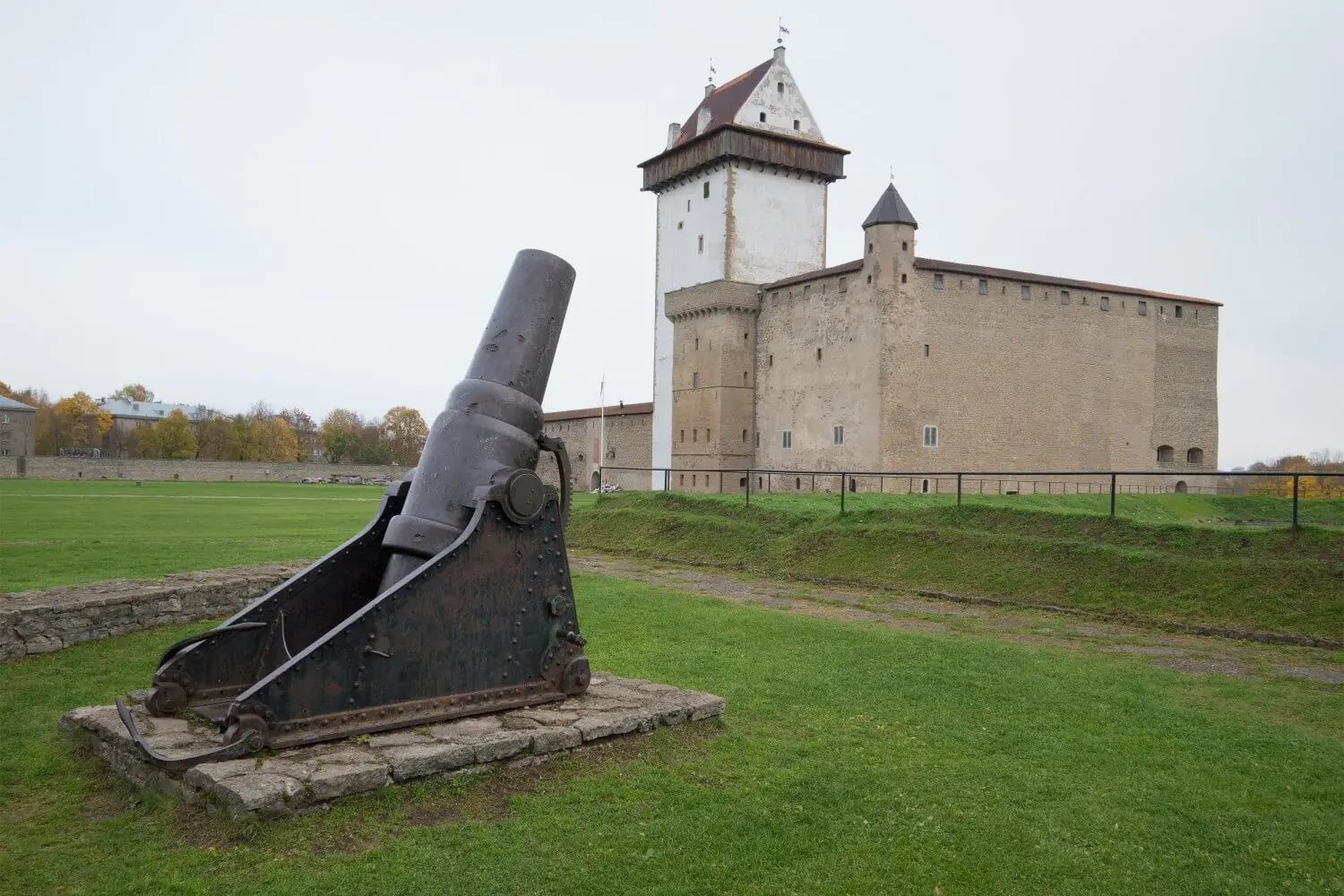
Discover the border city’s imposing medieval fortress, river crossing and layers of Estonian and Russian history.
Haapsalu
Visit a charming coastal town with an episcopal castle, wooden villas and a long spa tradition.
EXPLORE HAAPSALU →