Tartu
Historic university, medieval heritage and Estonia’s intellectual heart
Discover Tartu on the Emajõgi River, where medieval cathedral ruins, a university founded in 1632 and elegant town squares tell the story of Estonia’s academic and cultural capital. Explore Toome Hill, St John’s Church, lively riverside neighbourhoods and museums celebrating Estonian identity.
INTRODUCTION
Welcome to Tartu
Tartu, Estonia’s second-largest city, blends centuries of learning with medieval remains, classical architecture and a lively contemporary culture. Its historic university, founded under Swedish rule in 1632, helped shape scholarship and the Estonian national awakening.
Explore Town Hall Square and the Old Town, cross the Emajõgi River and climb Toome Hill to discover cathedral ruins, historic university buildings and green parkland. Museums and traditional wooden neighbourhoods reveal the many layers of this southern Estonian city.
WHY VISIT
Why Visit Tartu?
Tartu rewards history lovers with an unusually rich mix of medieval Livonian heritage, Swedish-era university traditions, nineteenth-century intellectual life and contemporary Estonian culture, all within a walkable centre.
01
The University of Tartu & Academic Traditions
Established in 1632 by Swedish king Gustavus Adolphus, the university remains central to Tartu’s identity. Its neoclassical main building, collections and former observatory reveal centuries of learning and scientific discovery.
02
Toome Hill & Medieval Cathedral Ruins
The wooded Toomemägi park preserves the dramatic ruins of Tartu Cathedral and traces of the former bishopric. Historic bridges and university buildings connect the medieval past with the nineteenth-century academic city.
03
Town Hall Square & Old Town Architecture
Tartu’s elegant Town Hall Square, colourful classical façades and the Emajõgi waterfront evoke the city’s rebuilding after destructive wars and fires, especially the great fire of 1775.
04
Estonian Culture, Museums & Riverside Life
The Estonian National Museum, theatre traditions, student life and creative districts make Tartu a compelling centre of national culture. Riverside walks and wooden-house neighbourhoods add a distinctive local character.
HISTORY
A Short History of Tartu
Tartu’s roots reach back to an early Estonian stronghold known as Tarbatu. The city is mentioned in a chronicle describing events in 1030. During the thirteenth century it became an important centre of the medieval Bishopric of Dorpat and a Baltic trading town.
Under Swedish rule, Gustavus Adolphus founded the university in 1632. Later wars, Russian imperial rule and repeated fires reshaped the city; following the major fire of 1775, much of the centre was rebuilt in classical styles. The university’s revival in 1802 strengthened Tartu’s reputation as an intellectual centre.
In the nineteenth century Tartu became a focus of Estonia’s national awakening, education and cultural life. The Peace of Tartu, signed in 1920, recognised the independence of Estonia from Soviet Russia. After decades of occupation, Tartu developed into a vibrant university and cultural city in restored independent Estonia.
KEY HISTORICAL MOMENT
1632
Swedish king Gustavus Adolphus founded the University of Tartu, laying the foundations of the city’s enduring academic identity and influence on Estonian cultural life.
TOP SIGHTS
Top Sights in Tartu
These eight landmarks trace Tartu’s medieval bishopric, university traditions, national cultural life and distinctive riverside setting.
1
University of Tartu Main Building
Admire the university’s imposing neoclassical main building, completed in the early nineteenth century. Its architecture and historic collections express Tartu’s long tradition of scholarship.
2
Tartu Town Hall Square (Raekoja plats)
Explore the attractive central square with its pastel façades, historic Town Hall and celebrated Kissing Students fountain. The square is a natural starting point for exploring the Old Town.
3
Tartu Cathedral Ruins & University Museum
Walk through the monumental remains of the medieval cathedral on Toome Hill. The restored section houses the University of Tartu Museum, connecting religious history with academic heritage.
4
St John’s Church (Jaani kirik)
Visit this remarkable medieval brick church, known for its distinctive terracotta sculptures. It is one of Tartu’s most important surviving Gothic monuments.
5
Toome Hill Park & Angel’s and Devil’s Bridges
Stroll along wooded paths past historic university buildings, the observatory and two nineteenth-century bridges. The hill combines scenic views with layers of medieval and academic history.
6
Estonian National Museum (ERM)
Discover Estonian and Finno-Ugric heritage through wide-ranging exhibitions at the modern museum complex in Raadi. Allow ample time for its cultural and historical collections.
7
Tartu Old Observatory
Visit the historic observatory on Toome Hill, once an important centre of nineteenth-century astronomical research. Check current exhibition arrangements and opening hours.
8
Emajõgi River & Historic Riverfront
Walk alongside the river that has shaped Tartu’s trade, connections and city life. Bridges, parks and riverside streets reveal the changing relationship between the city and its waterways.
THINGS TO DO
Things to Do in Tartu
Discover Tartu by following university history, exploring its medieval roots, visiting Estonian cultural museums and walking through its riverfront neighbourhoods.
Walk the University Quarter & Old Town
Follow the streets around Town Hall Square and the university main building, visiting historic courtyards, St John’s Church and the shops and cafés of the Old Town.
EXPLORE TARTU HISTORY WALKS →
Explore Toome Hill & Cathedral History
Climb Toomemägi for the cathedral ruins, historic bridges, the university museum and the former observatory. Allow time to enjoy the peaceful park and viewpoints.
DISCOVER TOOME HILL HERITAGE →
Discover Estonian Culture at ERM
Visit the Estonian National Museum in Raadi to understand the traditions, languages and historical experiences of Estonia and related Finno-Ugric peoples.
BROWSE TARTU CULTURAL EXPERIENCES →
Follow the Emajõgi & Wooden Neighbourhoods
Stroll the riverfront, then discover Supilinn or Karlova, where traditional wooden houses and creative cafés offer another perspective on local life.
EXPLORE TARTU NEIGHBOURHOODS →
SUGGESTED ITINERARY
3 Days in Tartu
Three days give you time for the historic university quarter, Toome Hill and its medieval heritage, plus major museums, river walks and the city’s distinctive neighbourhoods.
DAY 1
Old Town, University & Historic Centre
MORNING
Begin at Town Hall Square and see the historic Town Hall and Kissing Students fountain. Continue to the neoclassical University of Tartu main building and nearby university quarter.
AFTERNOON
Visit St John’s Church and walk through the surrounding medieval streets. Choose a university collection or small city museum according to current opening times.
EVENING
Have dinner in the Old Town and enjoy an evening stroll beside the Emajõgi.
DAY 2
Toome Hill, Cathedral & Academic Heritage
MORNING
Climb Toome Hill and explore the cathedral ruins and University of Tartu Museum, allowing time for its exhibitions and historic setting.
AFTERNOON
Follow the park paths past Angel’s Bridge, Devil’s Bridge and the Old Observatory, learning how university life reshaped the hill.
EVENING
Return to the centre for a relaxed evening in a student café or restaurant.
DAY 3
Estonian National Museum & Riverside Tartu
MORNING
Travel to the Estonian National Museum at Raadi for an in-depth introduction to Estonian culture and history.
AFTERNOON
Spend the afternoon exploring the Emajõgi waterfront and the wooden streets of Supilinn or Karlova. Consider the Aparaaditehas creative area if time permits.
EVENING
Finish with a riverside stroll and dinner in the city centre.
WHERE TO STAY
Where to Stay in Tartu
Choose the Old Town for historic sights and restaurants, the city centre for convenient transport, Supilinn for traditional wooden streets or Karlova for a quieter creative atmosphere.
01
Old Town & Town Hall Square
Stay within walking distance of the university, St John’s Church, Town Hall Square and many restaurants. Some central streets are lively during term time.
FIND HOTELS IN TARTU OLD TOWN →
02
City Centre & Bus Station Area
A convenient base for arrivals, shopping and walks towards the Old Town and Emajõgi. Useful for visitors making day trips around southern Estonia.
BROWSE CENTRAL TARTU HOTELS →
03
Supilinn & Emajõgi Riverside
Explore a distinctive traditional neighbourhood north of the centre, with quiet streets and wooden houses close to riverside paths.
FIND STAYS NEAR SUPILINN →
04
Karlova & Aparaaditehas
Choose a creative residential area with wooden architecture, cafés and cultural venues. Allow a slightly longer walk or local journey to some historic sights.
EXPLORE KARLOVA ACCOMMODATION →
GETTING AROUND
Getting Around Tartu
Tartu’s compact centre is best explored on foot. City buses, regional trains and buses connect outer neighbourhoods, nearby towns and the rest of Estonia.
On Foot
Town Hall Square, the university quarter, St John’s Church and Toome Hill are walkable, although the park includes slopes and steps that may be slippery in winter.
By City Bus
Local buses connect residential areas, the Estonian National Museum and other destinations. Check current routes and payment options with Tartu’s transport provider.
By Train
Tartu railway station offers connections to Tallinn and other Estonian destinations. Check current Elron timetables before planning travel.
From Tallinn or Tartu Airport
Most international visitors reach Tartu via Tallinn and continue by train or intercity bus. Tartu Airport has limited scheduled services; verify current routes and transfer options.
By Bicycle, Intercity Bus & Car
Cycling is a useful option on suitable local routes, while long-distance buses connect southern Estonia. A rental car is helpful for countryside excursions but unnecessary in central Tartu.
BEST TIME TO VISIT
Best Time to Visit Tartu
Late spring to early autumn is ideal for walking, riverside terraces and university-city atmosphere. The academic calendar and seasons give Tartu a different character throughout the year.
Spring
MARCH TO MAY
Spring brings longer days, university events and blossoms around Toome Hill. March can still be cold, while May is often particularly pleasant for walking.
Summer
JUNE TO AUGUST
Summer offers long evenings, outdoor cafés, river activities and relaxed sightseeing. Some university events pause during the academic summer break.
Autumn & Winter
SEPTEMBER TO FEBRUARY
Autumn brings student life and colourful parks, while winter can be cold and snowy. Museums, theatres and cafés make the city rewarding year-round.
BEST OVERALL TIME
May–September; September for student-city atmosphere
Late spring and summer suit walking and museum visits; early autumn offers pleasant cultural activity and the start of the academic year.
Next Destinations
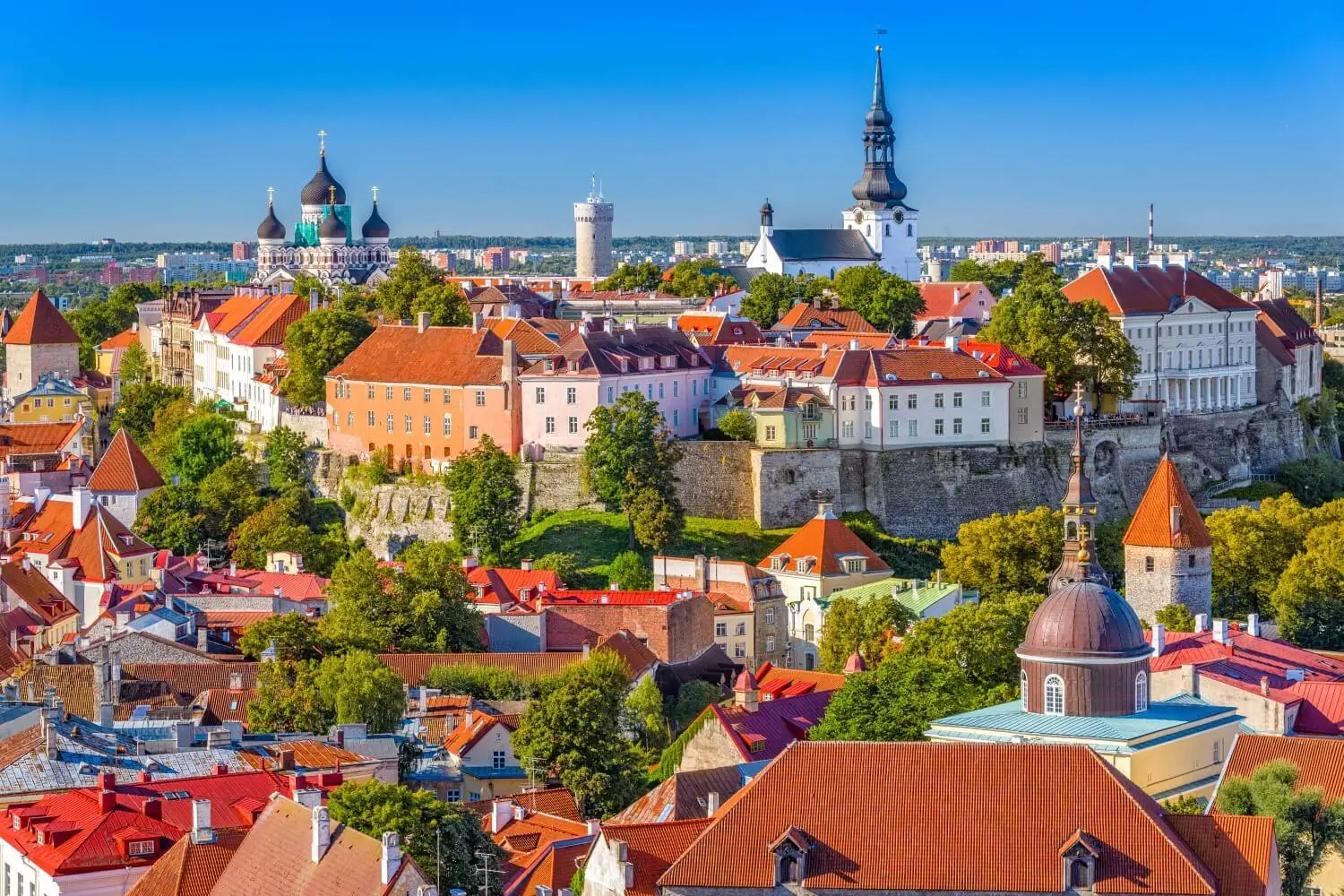
Tallinn
Explore Estonia’s capital, its UNESCO-listed medieval Old Town, Hanseatic merchants and defensive walls.
Pärnu
Explore a historic Baltic seaside town known for its timber architecture and coastal resort heritage.
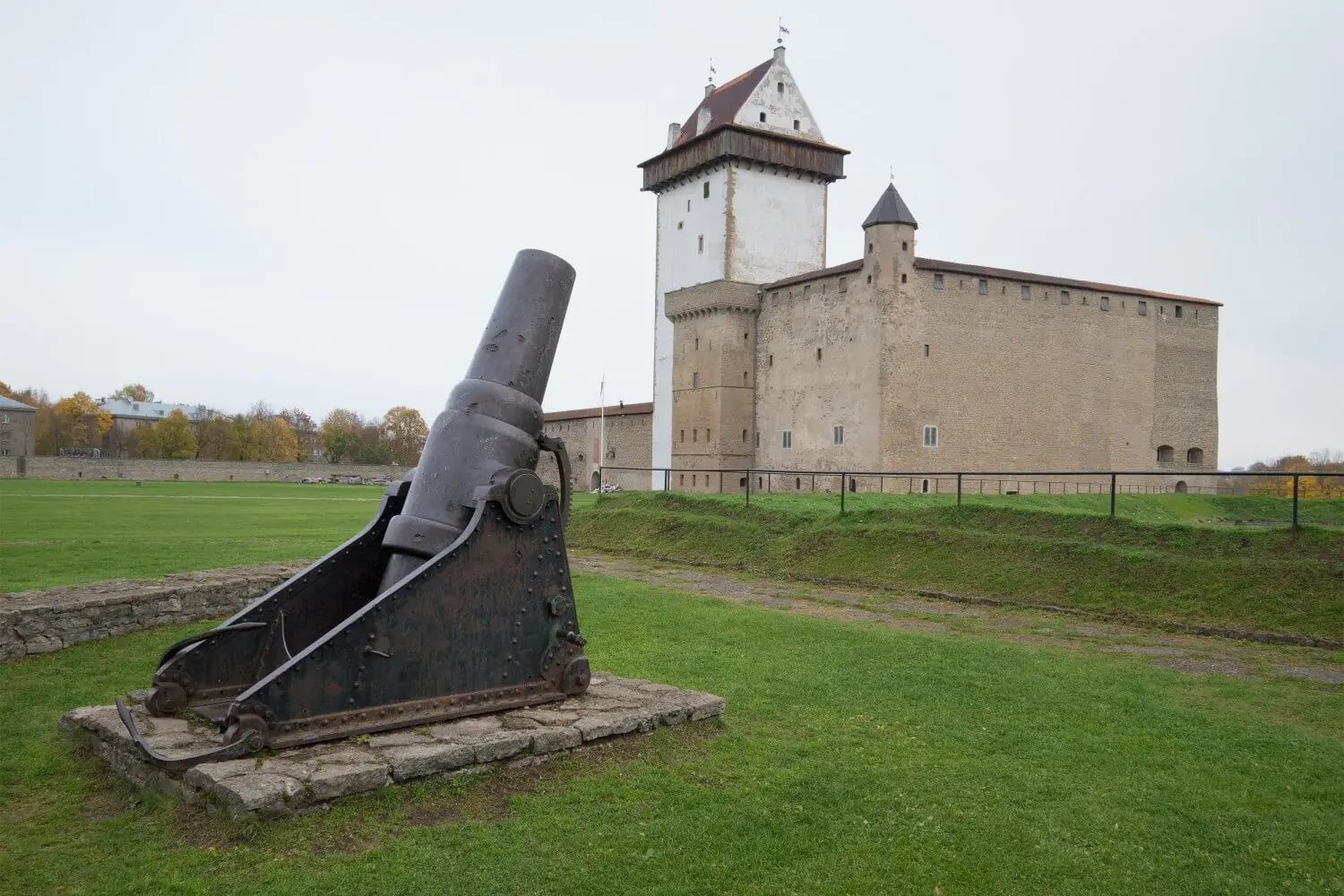
Narva
Discover the border city’s imposing medieval fortress, river crossing and layers of Estonian and Russian history.
Haapsalu
Visit a charming coastal town with an episcopal castle, wooden villas and a long spa tradition.
EXPLORE HAAPSALU →