Hillerød
Where royal Renaissance architecture, national history and formal gardens meet
Discover Hillerød’s royal heritage at Frederiksborg Castle, where Renaissance architecture, coronation history, national portrait collections and Baroque gardens create one of Denmark’s richest historical destinations.
INTRODUCTION
Introduction
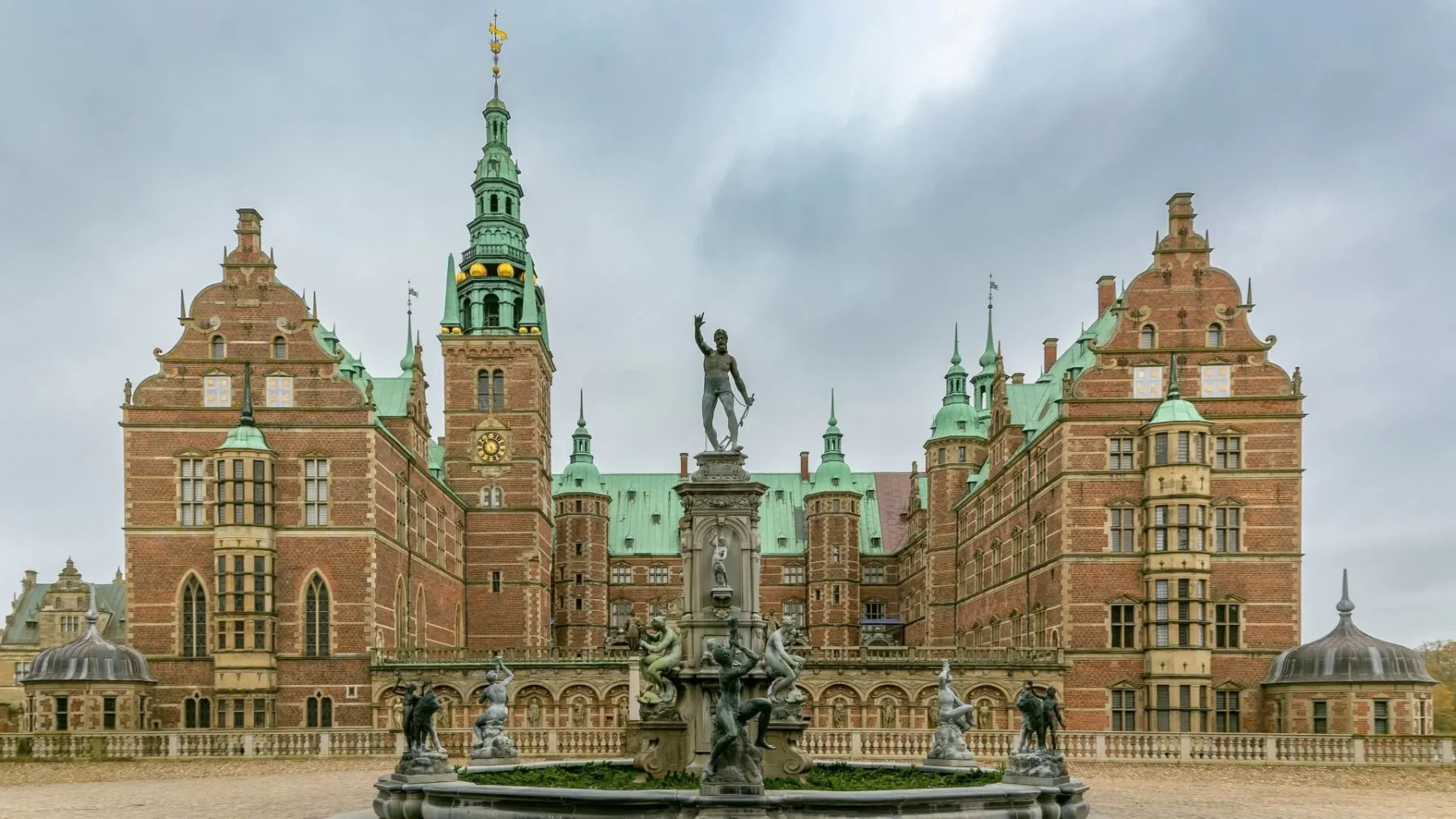
Hillerød developed around the lakes and royal estates of North Zealand. Its history is inseparable from Frederiksborg Castle, where King Frederik II acquired Hillerødsholm in 1560 and where his son Christian IV later created one of the great Renaissance royal residences of northern Europe.
The town grew in the shadow of the castle as courtiers, craftsmen, officials and suppliers served the royal court. Frederiksborg later became a ceremonial centre of the Danish monarchy, survived a devastating fire in 1859 and was reborn in the nineteenth century as the Museum of National History.
WHY VISIT
Why Visit Hillerød?
Hillerød is one of the best places in Denmark to explore royal history beyond Copenhagen. Frederiksborg Castle combines architecture, monarchy, portraiture, gardens and national memory, while the surrounding town and museums provide a broader view of North Zealand.
01
Frederiksborg & Royal Power
Frederiksborg was built to project the prestige of Christian IV and the Danish monarchy. Its richly ornamented courtyards, chapel and ceremonial rooms make royal ambition visible in stone, sculpture, painting and architecture.
02
Coronations & Monarchical Ceremony
After the introduction of absolute monarchy, Danish kings were anointed in Frederiksborg Castle Chapel. The church, coats of arms and ceremonial interiors preserve the rituals through which royal authority was displayed and legitimised.
03
The Museum of National History
Since 1878, Frederiksborg has housed the Museum of National History. Portraits, history paintings, furniture and decorative arts create a chronological journey through five centuries of Danish political and cultural history.
04
Baroque Gardens & Royal Landscape
The reconstructed Baroque Garden, landscape park, lakes and Bath House Castle show that Frederiksborg was designed as more than a building. It was a complete royal landscape shaped for ceremony, leisure and dynastic representation.
HISTORY
A Short History of Hillerød
Hillerød’s rise began when King Frederik II acquired the manor of Hillerødsholm in 1560 and renamed the royal estate Frederiksborg. His son, Christian IV, who was born there in 1577, later replaced much of the earlier residence with the monumental Renaissance castle seen today.
Between about 1600 and 1620, Christian IV rebuilt Frederiksborg on a grand scale. The castle became an important royal residence and ceremonial centre, while the town around it expanded to serve the court. The chapel later became the anointing church of the absolute monarchy.
A major fire in 1859 destroyed much of Frederiksborg’s interior, though the chapel survived largely intact. Brewer J. C. Jacobsen, founder of Carlsberg, played a decisive role in the reconstruction and proposed a national history museum, which opened at the castle in 1878.
KEY HISTORICAL MOMENT
1859
In 1859, a catastrophic fire destroyed large parts of Frederiksborg Castle. The rebuilding campaign that followed transformed the damaged royal residence into a national monument and ultimately led to the opening of the Museum of National History in 1878.
TOP SIGHTS
Top Sights in Hillerød
Hillerød’s historical attractions are dominated by the Frederiksborg complex, but the town and surrounding landscape add important context. Together they reveal royal ceremony, Danish national memory, Baroque garden design and the local history of North Zealand.
1
Frederiksborg Castle
Built largely under Christian IV between 1600 and 1620, Frederiksborg is the largest Renaissance complex in the Nordic region. Its towers, courtyards, royal chambers and elaborate decoration present Danish kingship at its most theatrical.
2
Museum of National History
Housed inside Frederiksborg since 1878, the museum presents roughly 500 years of Danish history through portraits, history paintings, furniture and decorative arts. It is also Denmark’s national portrait gallery.
3
Frederiksborg Castle Chapel
Completed in 1617, the richly decorated chapel survived the 1859 fire with relatively little damage. It later served as the anointing church for Danish monarchs under absolute rule and still preserves royal coats of arms and the historic Compenius organ.
4
The Great Hall
The Gothic The Great Hall forms the spiritual counterpart to the castle across the river. Begun in the fifteenth century, it reflects the wealth of the medieval town and the close relationship between local religious institutions and noble patrons.
5
Audience Chamber & Royal Apartments
The Audience Chamber survived the 1859 fire and preserves important elements of the castle’s ceremonial world. Nearby royal rooms and galleries help visitors understand how Frederiksborg functioned as both residence and theatre of monarchy.
6
Frederiksborg Baroque Garden
Created in the eighteenth century and reconstructed in the 1990s, the formal Baroque Garden uses terraces, clipped hedges and royal monograms to extend the castle’s political symbolism into the landscape.
7
Bath House Castle & Landscape Garden
The small Bath House Castle lies within the surrounding landscape garden and reflects the more private side of royal life. Although its interior is not normally open, the building and park are valuable parts of the wider Frederiksborg estate.
8
Hillerød Town Museum & Elværket
Museum Nordsjælland’s local collections and exhibitions provide context beyond the royal castle, covering the development of Hillerød, everyday life and the wider history of North Zealand.
THINGS TO DO
Things to Do in Hillerød
Hillerød rewards a slower visit than a quick castle day trip. The best experiences combine Frederiksborg’s interiors with the gardens, local history and the surrounding forests and royal landscapes of North Zealand.
Explore Frederiksborg Castle
Explore the castle’s grand rooms, chapel, Great Hall and portrait collections. A guided visit helps connect the architecture with Christian IV, royal ceremony and the later creation of the Museum of National History.
EXPLORE FREDERIKSBORG TOURS →
Walk Hillerød & the Castle Lake
Walk from the town centre along the Castle Lake and across the bridges towards Frederiksborg. The route reveals how Hillerød developed in direct relationship with the royal residence and surrounding water landscape.
EXPLORE HILLERØD HISTORY WALKS →
Explore the Baroque Garden
Spend time in the formal garden terraces behind the castle, where royal monograms, clipped hedges and long sightlines recreate the eighteenth-century Baroque landscape. Continue into the looser landscape garden beyond.
EXPLORE THE CASTLE GARDENS →
Discover North Zealand’s Royal Landscape
Use Hillerød as a base for North Zealand’s royal and monastic landscapes, including forests, lakes and nearby historic sites. The town is a natural gateway to the wider National Park Kongernes Nordsjælland.
EXPLORE NORTH ZEALAND HERITAGE →
SUGGESTED ITINERARY
3 Days in Hillerød
Three days allow time to explore Frederiksborg properly, examine the museum collections, enjoy the gardens and use Hillerød as a base for the wider royal and monastic landscape of North Zealand.
DAY 1
Frederiksborg Castle & Royal Hillerød
MORNING
Begin at Frederiksborg Castle before the busiest part of the day. Follow the main museum route through royal chambers, the Great Hall and richly decorated interiors, then pause in the courtyards to appreciate Christian IV’s monumental Renaissance design.
AFTERNOON
Spend the afternoon in the Castle Chapel and the Museum of National History. Focus on the royal portraits, history paintings and ceremonial spaces that connect individual monarchs with broader episodes of Danish history.
EVENING
Walk around the Castle Lake in the evening and return through central Hillerød. The reflections of the castle across the water make the relationship between royal residence, lake and town especially clear.
DAY 2
Gardens, Local History & Court Life
MORNING
Start in the Baroque Garden before the busiest part of the day. Walk the terraces and royal monograms, then continue into the surrounding landscape garden and view the Bath House Castle from the park.
AFTERNOON
Return to the castle for the Audience Chamber and galleries you may have missed on Day 1. Afterwards, walk along Slotsgade and into the town centre to see how Hillerød developed around the royal residence.
EVENING
Visit a local-history exhibition at Hillerød Town Museum or Elværket when open, then spend a relaxed evening around Torvet and Slotsgade. This adds a local perspective to a day otherwise dominated by royal history.
DAY 3
North Zealand Beyond Frederiksborg
MORNING
Use the morning for an excursion to Æbelholt Abbey Museum or another heritage site in the Hillerød area. The medieval monastic landscape provides a useful counterpoint to Frederiksborg’s royal Renaissance world.
AFTERNOON
Spend the afternoon walking or cycling in the forests and lakes of North Zealand. Hillerød is one of the main gateways to National Park Kongernes Nordsjælland, where royal hunting landscapes add another layer to the region’s history.
EVENING
Return to Hillerød for a final walk around the Castle Lake. After three days, Frederiksborg can be understood not as an isolated monument but as the centre of a wider royal, local and landscape history.
WHERE TO STAY
Where to Stay in Hillerød
Hillerød is compact enough that central accommodation works well for most visitors. Staying between the station, town centre and Castle Lake keeps Frederiksborg within walking distance and makes regional day trips straightforward.
01
Hillerød Town Centre
The most practical all-round base, with restaurants, shops and the Castle Lake close by. Frederiksborg is easily reached on foot, while the station remains convenient for Copenhagen and North Zealand.
FIND HOTELS IN CENTRAL HILLERØD →
02
Castle Lake & Frederiksborg
Staying close to the Castle Lake offers the strongest historic atmosphere and the easiest early access to Frederiksborg. It is ideal for travellers who want evening views of the castle and quiet walks around the water.
FIND STAYS NEAR FREDERIKSBORG →
03
Hillerød Station Area
The station area is the most convenient base for travellers arriving from Copenhagen or planning day trips across North Zealand. The town centre and Frederiksborg remain within reasonable walking distance.
BROWSE STAYS NEAR HILLERØD STATION →
04
North Zealand Countryside
A rural stay outside Hillerød suits travellers with a car who want direct access to forests, lakes and smaller heritage sites. It works best when Hillerød forms part of a wider North Zealand road trip.
FIND STAYS AROUND NORTH ZEALAND →
GETTING AROUND
Getting Around Hillerød
Hillerød is easy to visit without a car. Frederiksborg, the town centre and the station are all walkable, while trains and buses connect the city with Copenhagen and destinations across North Zealand.
On Foot
Walking is the best way to explore central Hillerød. The route between the station, Torvet, Castle Lake and Frederiksborg is straightforward, while the castle gardens reward additional time on foot.
By Train
S-trains connect Hillerød with Copenhagen, making the city straightforward as either a day trip or overnight stop. Hillerød Station is also an important interchange for local rail routes across North Zealand.
By Local Bus
Local and regional buses are useful for outer neighbourhoods and heritage sites beyond the centre. They become more important if you plan to visit places such as Æbelholt or rural areas around the national park.
By Bicycle
Cycling is a good way to explore the lakes, forests and quieter roads around Hillerød. The station also serves as a useful starting point for routes into National Park Kongernes Nordsjælland.
By Car
A car is unnecessary for Frederiksborg and central Hillerød, but it is useful for linking more remote monasteries, castles and landscapes elsewhere in North Zealand.
BEST TIME TO VISIT
Best Time to Visit Hillerød
Hillerød can be visited year-round, but late spring and early autumn provide the best balance of comfortable weather, long daylight and attractive gardens. Summer is lively and green, while winter puts more emphasis on the castle interiors and museum collections.
Spring
MARCH TO MAY
Spring brings longer days, fresh greenery and improving conditions in the castle gardens. May is especially attractive, when the formal and landscape gardens are lively but visitor numbers are usually lower than in peak summer.
Summer
JUNE TO AUGUST
Summer offers long daylight hours and the best conditions for combining the castle with the gardens, lake walks and excursions into North Zealand. It is also the busiest season, so early arrival at Frederiksborg is worthwhile.
Autumn & Winter
SEPTEMBER TO FEBRUARY
Early autumn remains excellent for walking as the surrounding parkland begins to change colour. Winter is colder and darker, but Frederiksborg’s interiors, portraits and ceremonial rooms are particularly rewarding when outdoor sightseeing is less appealing.
BEST OVERALL TIME
May to June & September
Late spring and early autumn provide comfortable temperatures, generous daylight and attractive garden conditions without the heaviest summer crowds. These months are especially well suited to combining castle interiors with long outdoor walks.
Next Destinations
Helsingør
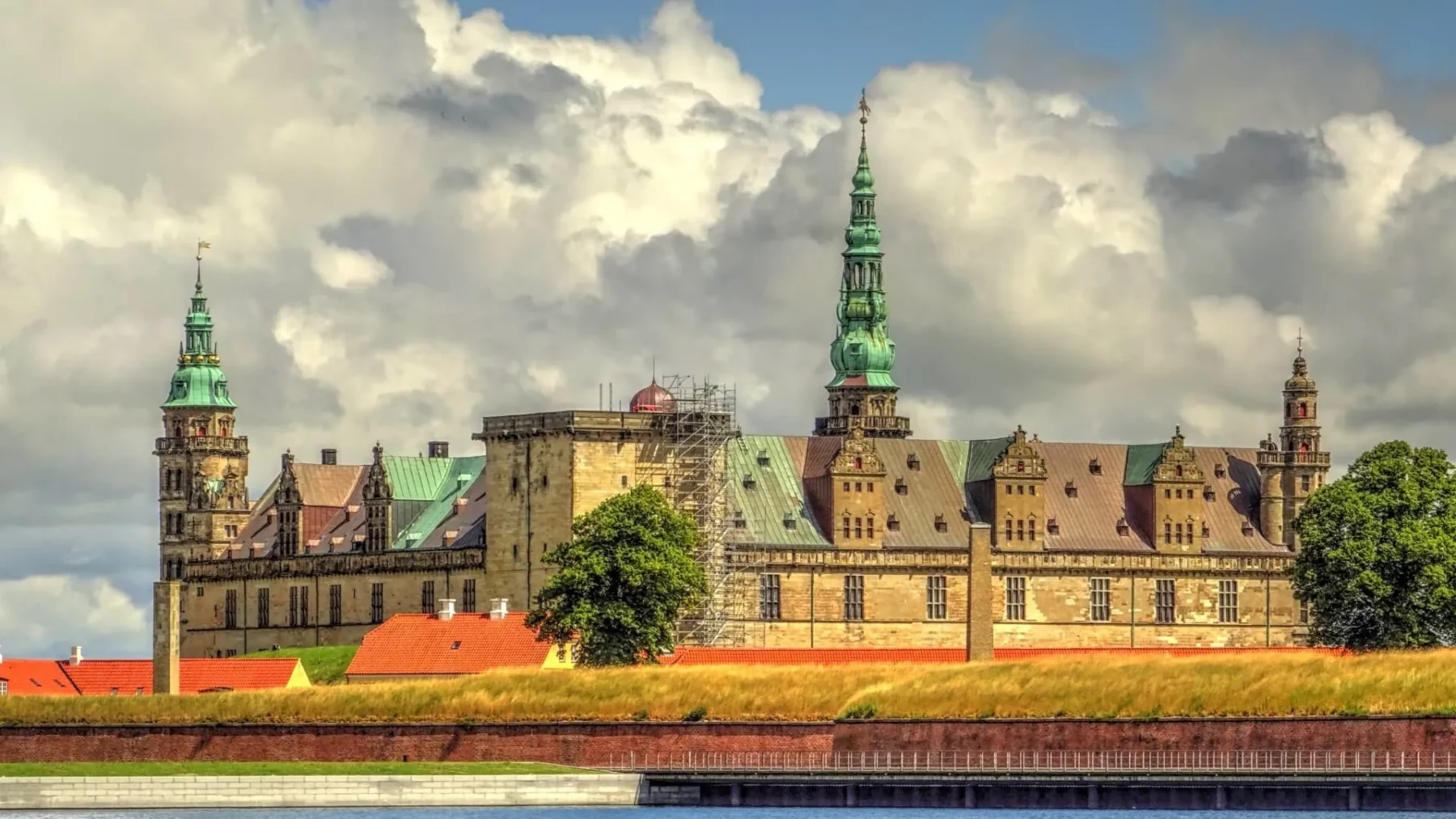
Kronborg Castle adds maritime power, the Sound Dues and Shakespeare’s Elsinore to a North Zealand itinerary. Together with Hillerød, it forms one of Denmark’s strongest pairings for Renaissance royal history.
Copenhagen
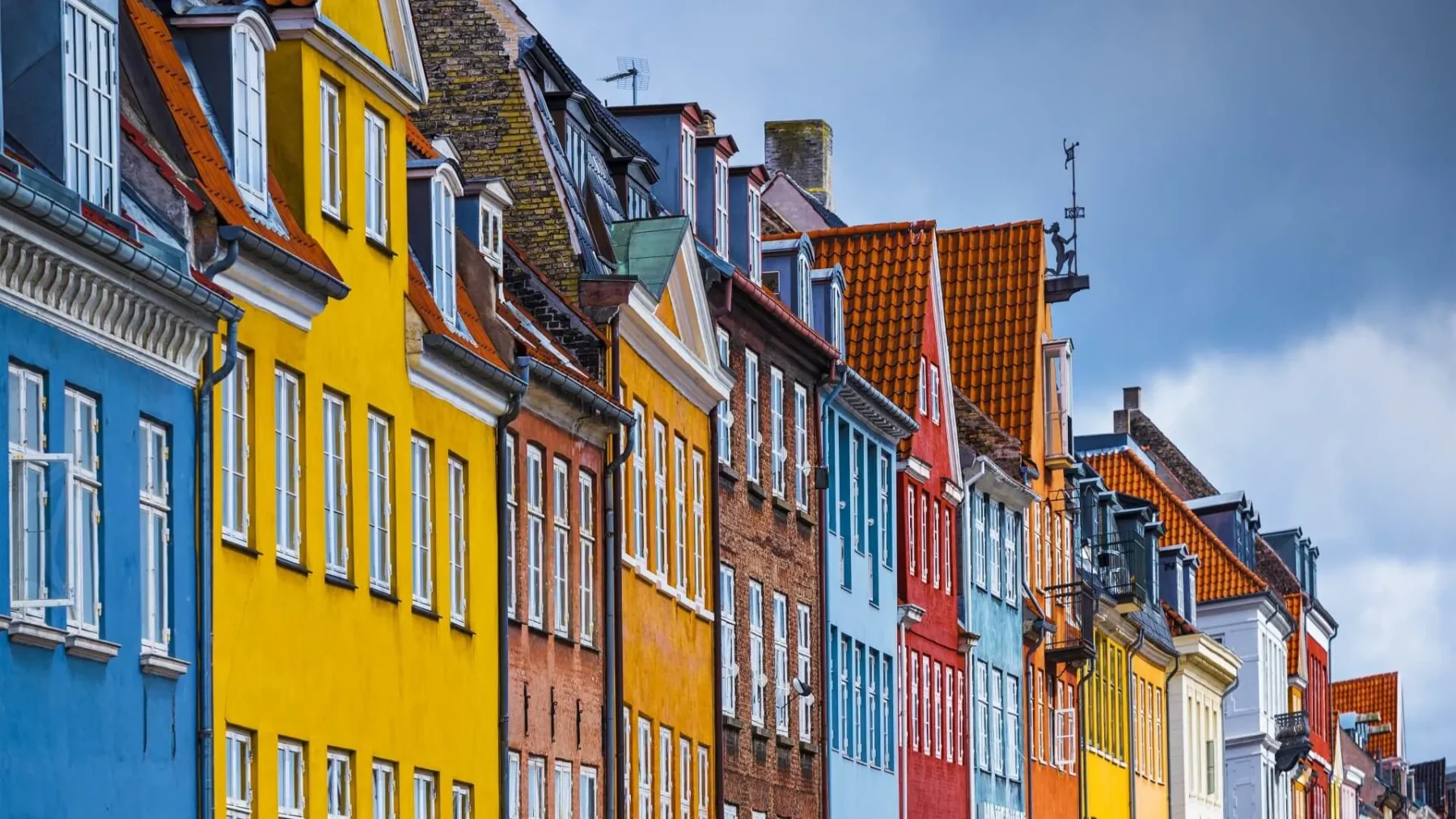
Denmark’s capital provides the wider political context for Frederiksborg through Rosenborg Castle, Christiansborg, royal collections and historic districts shaped by the same monarchy that developed Hillerød.
Roskilde
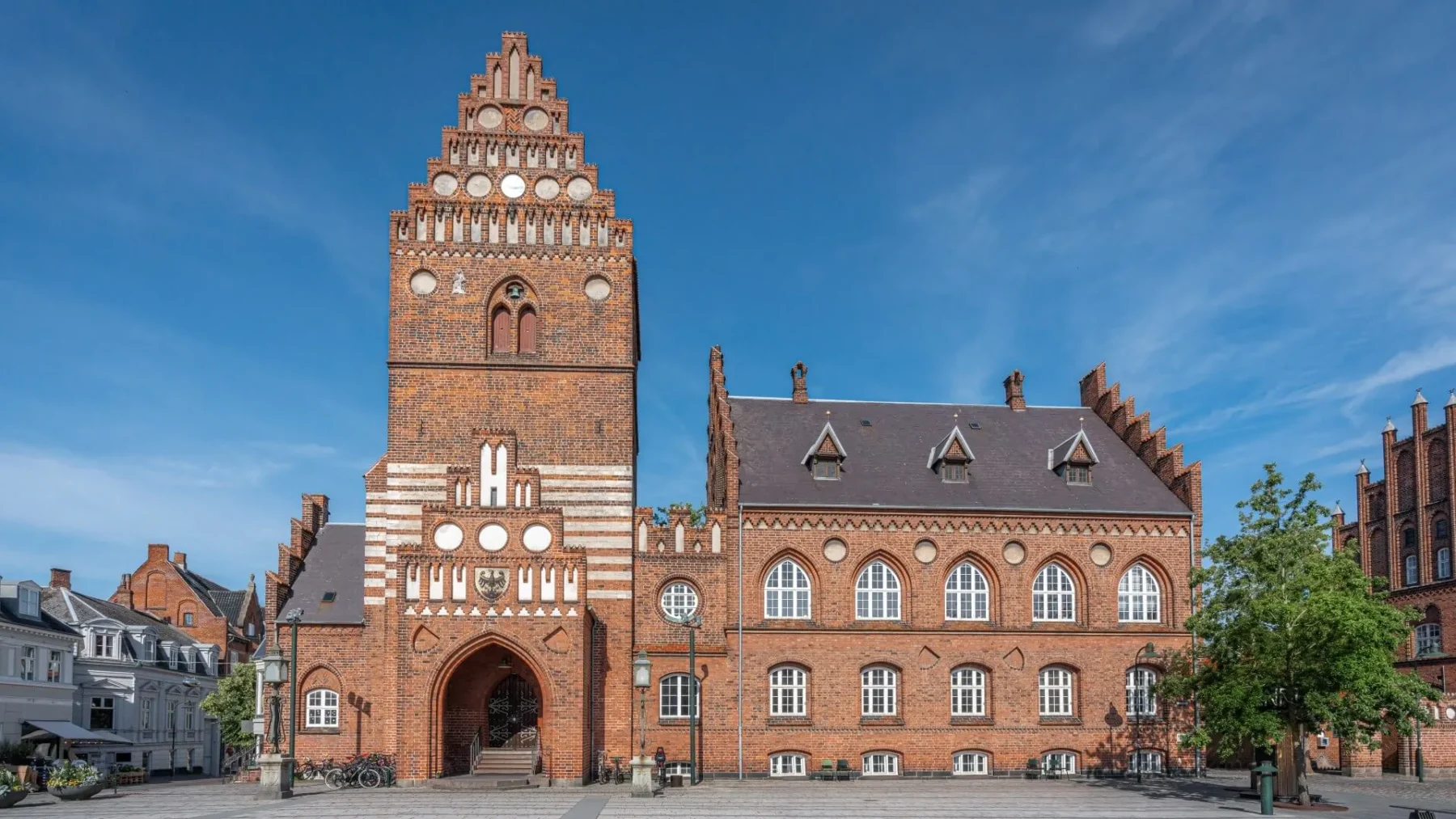
Roskilde extends the story backwards into medieval kingship and Viking seafaring. Its UNESCO-listed cathedral and Viking Ship Museum complement Frederiksborg’s later Renaissance and absolutist royal history.