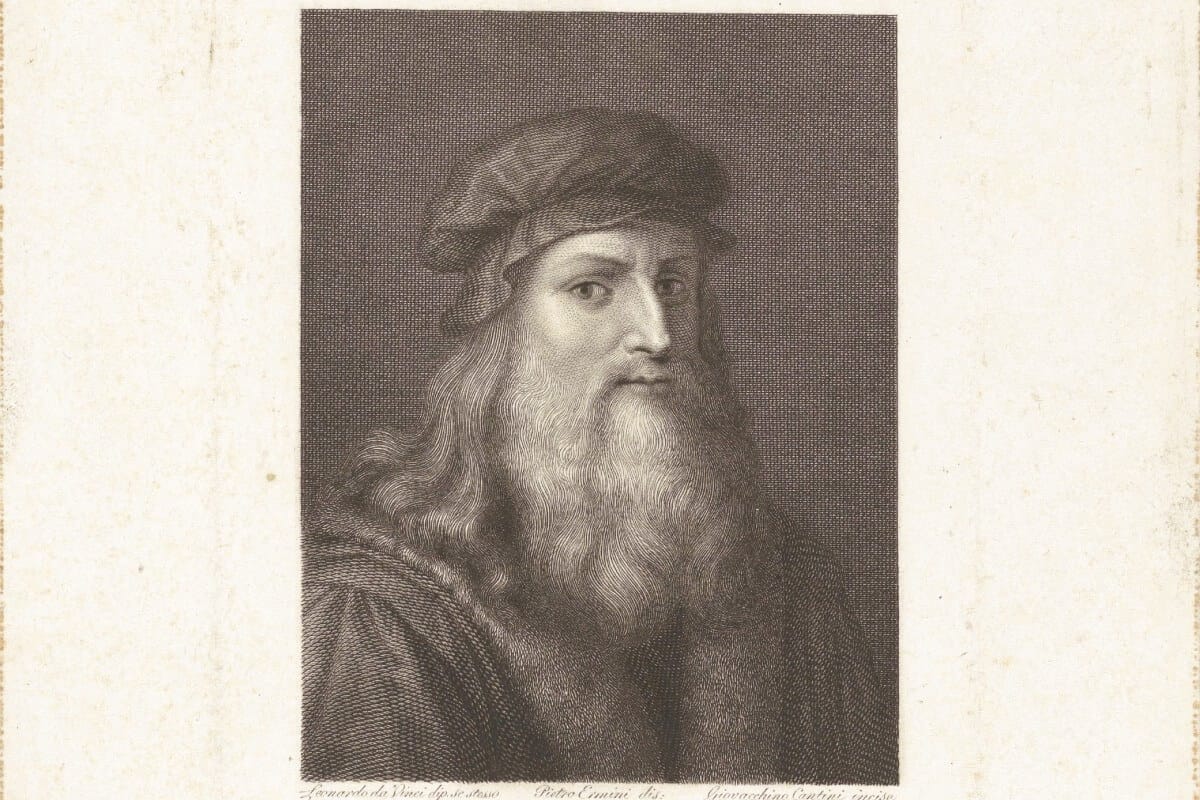
Vinci, a picturesque town in Tuscany, is known worldwide as the birthplace of Leonardo da Vinci, one of the greatest geniuses of the Renaissance. In addition to his world-famous works of art, inventions, and studies, there are many interesting facts about his early life and childhood in this charming Tuscan village. In this article, you will discover 7 fascinating facts about Leonardo da Vinci that are directly related to his birthplace.
Table of contents 7 Facts about Leonardo & Vinci!
1. Born in a small house in the countryside
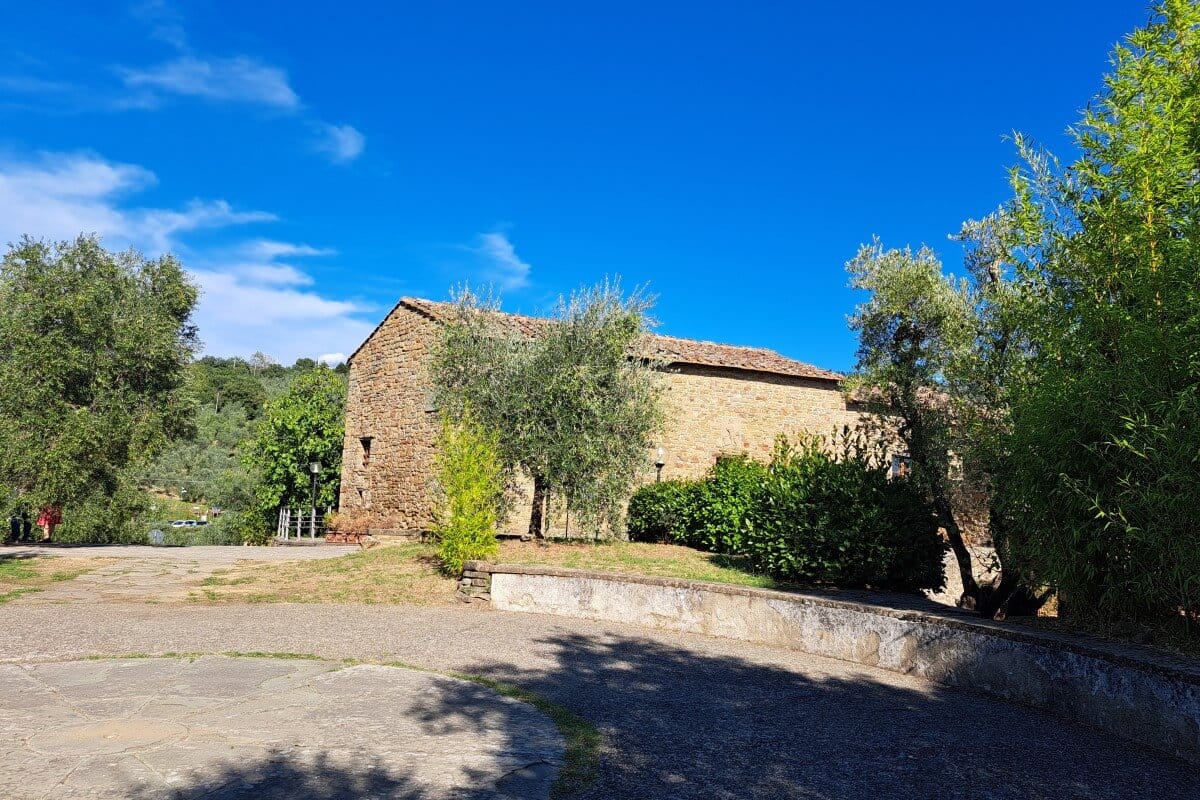
Leonardo was born on April 15, 1452, in Casa Natale di Leonardo, a simple house on a hill just outside the center of Vinci. The house is now a museum where visitors can see the room where he was born. The surrounding Tuscan landscape probably played a role in his fascination with nature and mechanics. His childhood in this peaceful environment gave him the space to observe and experiment. Today, visitors can still walk through the surrounding hills and olive groves, just as Leonardo did.
Reading tip! Would you like to know more about Leonardo’s birthplace? Then read the article Casa Natale di Leonardo da Vinci – Birthplace of a Genius.
2. Leonardo was the illegitimate child of a notary
Leonardo was the illegitimate child of Ser Piero da Vinci, a notary, and a young farmer’s daughter named Caterina. Caterina was poor and unable to care for little Leonardo. Despite his status, he had access to a good education, which was unusual for illegitimate children at the time. His position gave him a unique perspective on both urban and rural life. This contrast between city and countryside influenced his broad interests in science, art, and nature.
3. Early fascination with nature
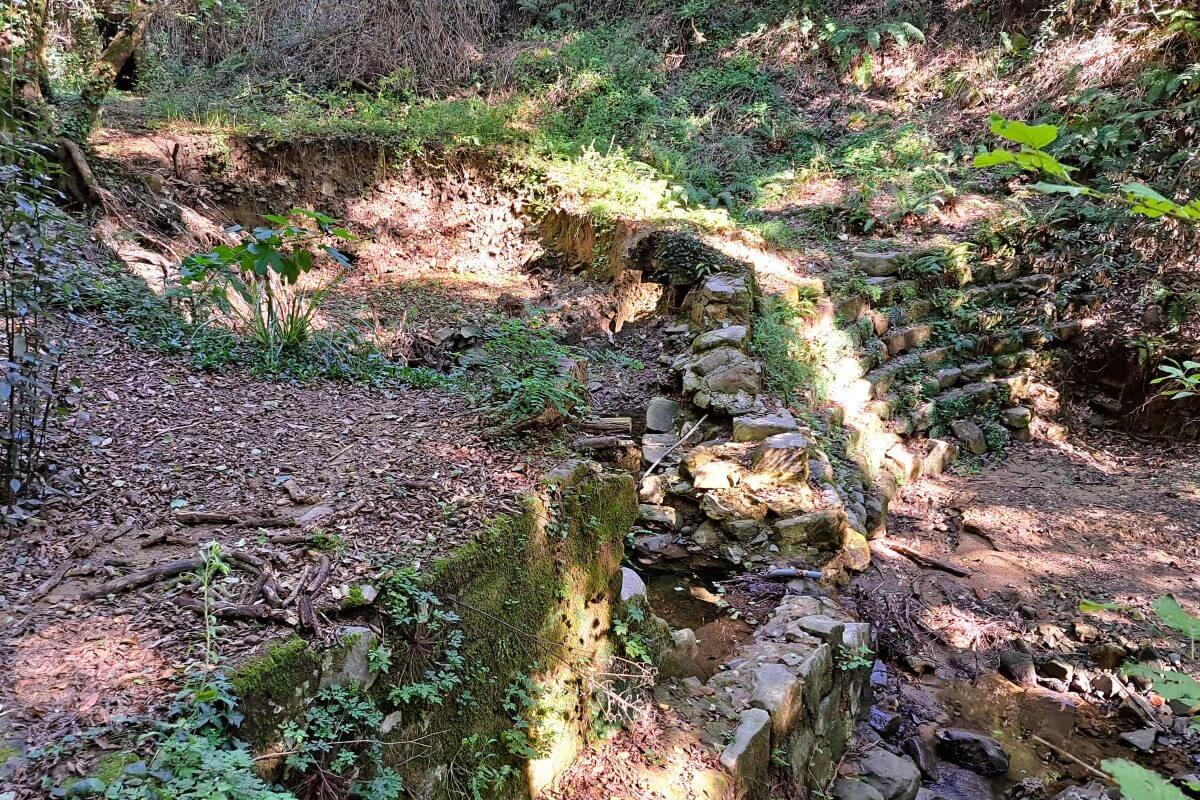
From an early age, Leonardo showed an enormous curiosity about nature. He spent hours in the woods, along rivers, and on hills around Vinci, studying animals, plants, and landscapes. These observations formed the basis for his later sketches and scientific studies. It seems that the serene surroundings of Vinci inspired him to pursue his lifelong quest for knowledge. Visitors to Vinci can still experience the same natural beauty that inspired Leonardo.
4. Talent for drawing and painting
Leonardo’s artistic talent was noticed early on by his family and fellow villagers. He began sketching landscapes, animals, and everyday scenes in and around Vinci. These early drawings gave him the skills that would later lead to masterpieces such as the Mona Lisa and The Last Supper. The Museo Leonardiano in Vinci displays some of his early sketches, highlighting his development as an artist. His early artistic endeavors in Vinci laid the foundation for his artistic genius.
Reading tip! Want to visit the Museo Leonardiano? Read all about it in this article: Museo Leonardiano – Discover Da Vinci’s inventions.

5. Apprentice to Andrea del Verrocchio
At a young age, Leonardo moved to Florence to become an apprentice to the famous artist Andrea del Verrocchio (1435-1488). His early training in Florence began thanks to the knowledge and skills he had developed in Vinci. Under Verrocchio, he learned technique, perspective, and anatomy, essential elements that would characterize his work. This transition from Vinci to Florence marked the beginning of his career as a Renaissance artist. Yet Vinci always remained a place of inspiration and reflection for him.
6. Scientific experiments in the region
Leonardo conducted many of his early scientific experiments and sketches in the hills around Vinci. He studied water currents, air currents, and the functioning of animals and plants. These early observations formed the basis for later inventions, such as his designs for bridges, aircraft, and hydraulic systems. His practical experiments in and around Vinci demonstrated how he combined theory and observation. For visitors to Vinci, there are walking routes that show the same natural areas where Leonardo did his first studies.
Would you like to take a walk à la Leonardo da Vinci? Then read the article Strada Verde – Walk the Road to Leonardo’s Birthplace

7. Inheritance in the place of birth
Vinci honors Leonardo da Vinci with various museums, walking trails, and cultural events. Casa Natale di Leonardo, the Museo Leonardiano, and historic churches are important places that illustrate his life and work. The city also organizes annual festivals and exhibitions to keep his legacy alive. Visitors can experience a combination of history, art, and nature that is directly linked to Leonardo’s youth. Thus, Vinci remains not only his birthplace, but also a vibrant center of culture and inspiration.
Reading tip: Curious about what you can do in Vinci? You can read about it in the article Sights of Vinci – 7x Things you really should See and Do!

Plan your trip to Vinci & Italy
Accommodation?
Vinci and surroundings is a great base for a long stay in Tuscany
Book your Hotel or Guesthouse here
Tickets & Tours?
Highlights of a visit include the Museum Leonardiano and Leonardo’s birthplace. With one admission ticket, you can visit these two sights, among others.
Order your tickets online here for the Museo Leonardiano and his birthplace.
Flight tickets to Italy?
To Tuscany, it the best option is to fly to Florence or Pisa. Other options are Milan and Rome and then take the train to Florence
Compare all airline providers and book your Flight tickets through Skyscanner
Rental car Tuscany?
The best way to explore Tuscany is by car!
Find the best rental companies here
Public transport?
Are you going to explore Tuscany by public transport? By train you can easily get to cities such as Florence, Lucca, Pisa or Siena.
Book your Bus or Train Tickets via TrainLine
Do you have any more tips, ideas, or comments about this article on 7 historical facts about Leonardo & Vinci? Feel free to leave a message below!
Return to:
